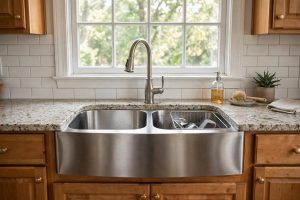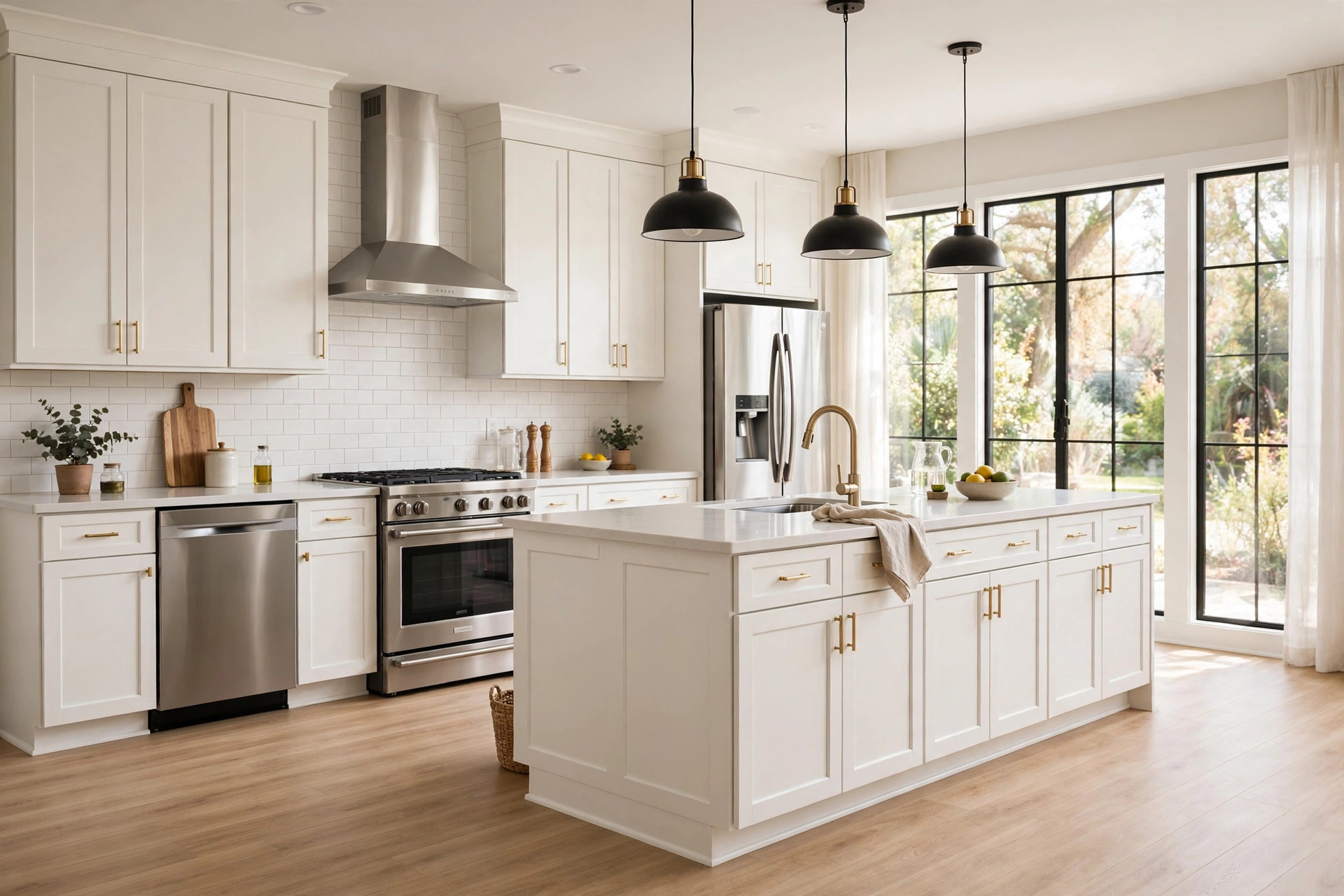

When shoppers look for vinyl plank flooring for sale in the USA, they want the same three things. They want a floor that looks like real wood. They want it to hold up to daily life. And they want a fair price. Vinyl plank flooring meets all three goals. It has become one of the most popular floor coverings in American homes. It comes in long planks that copy the grain and color of oak, maple, walnut, and other woods. It is far cheaper than solid hardwood. It resists water, pets, and heavy foot traffic. This guide walks through every step. It covers why this floor matters, what to look for, the types on the market, what it costs, how to keep it clean, and how to buy with care.
Why Vinyl Plank Flooring Matters
Floors take more abuse than any other part of a home. Shoes track in grit. Chairs scrape. Dogs run. Water spills from sinks and tubs. A floor must be tough. It must also look good for years. Vinyl plank flooring answers both needs at a price most families can pay.
Real hardwood is lovely, but it dents, scratches, and swells in wet rooms. Tile is hard and cold under bare feet. Carpet stains and wears flat in busy halls. Vinyl planks stand in the middle ground. They give the warm look of wood with the hard wear of a plastic surface. A busy family can install them in a kitchen, a bath, a mudroom, or a basement and not worry.
Homeowners who plan a kitchen remodel often pick the floor first, then match cabinets and tile. A fresh floor changes the whole room. If you are also shopping for kitchen backsplash tiles for sale or shaker cabinet doors for sale, choose the floor planks early. The wood tone sets the mood for everything else. Many remodeling experts at This Old House advise planning floors, cabinets, and appliances in one plan. Appliance makers such as Whirlpool and GE Appliances now design finishes that match warm and cool wood tones alike.
What to Look for When You Shop: Vinyl Plank Flooring for Sale Usa
Not all vinyl plank flooring is equal. Boxes look alike on the shelf. The details on the label tell the true story. Learn these terms before you buy.
Wear Layer
The wear layer is the clear top coat. It takes the scratches. It is measured in mils, which are thousandths of an inch. For a home, look for 12 mil or more. Busy homes with pets do best with 20 mil. Thin 6 or 8 mil layers wear out fast in halls and kitchens. The thicker the layer, the longer the floor keeps its looks.
Core Type
The core is the thick middle of each plank. Two kinds lead the market. Wood plastic composite, called WPC, feels a bit softer and warmer underfoot. Stone plastic composite, called SPC, is harder, thinner, and more dent proof. SPC handles heavy furniture and sun heat better. WPC feels kinder on bare feet. Both are fully waterproof, which is why families pick them over laminate.
Thickness and Length
Total plank thickness runs from 4 to 8 millimeters. Thicker planks hide small flaws in the subfloor. Lengths run from 36 to 60 inches. Longer planks make small rooms look larger because there are fewer seams. Wider planks show off wood grain better. A 7 inch wide plank reads as modern. A 5 inch plank reads as classic.
Click Lock or Glue Down
Most planks sold today use a click lock edge. You tilt one plank into the next and press it down. No glue is needed. This is the do it yourself favorite. Glue down planks need mastic and a steady hand, but they lie very flat in large open rooms. Loose lay planks are thick and heavy enough to sit without glue or locks. They suit rentals because they lift up cleanly.
Texture and Bevel
Good planks have embossed grain you can feel with your fingers. The best lines sync the printed grain with the pressed texture. Beveled edges make each plank stand out like real boards. Square edges blend into one smooth sheet. Either look is fine. It is a matter of taste.
For a deeper look at labels and specs, see our vinyl plank flooring buying guide. Home guides at The Spruce also walk through reading spec sheets line by line.
Types of Vinyl Plank Flooring for Sale
The American market holds four main kinds. Each fits a different need and budget.
Luxury Vinyl Plank
Luxury vinyl plank, often shortened to LVP, is the standard. It is 4 to 6 millimeters thick with a printed wood layer and a clear wear coat. It clicks together and floats over most old floors. This is what most shoppers mean when they search for luxury vinyl plank flooring for sale. Prices are kind, colors are many, and quality is strong in the mid price range.
Rigid Core Plank
Rigid core plank is the upgrade. The WPC or SPC core makes it stiff and straight. It bridges small dips in old floors. It feels more solid underfoot than thin LVP. Most rigid core lines are fully waterproof and carry long home warranties. They cost a bit more, but they suit kitchens and baths best.
Glue Down Vinyl Plank
Glue down planks are thinner and very flat. Installers spread adhesive and lay each plank tight. The result looks close to sheet vinyl but with wood plank lines. Commercial shops use this kind. At home it works well in large open rooms where a floating floor might shift. Removal is hard work, so choose this kind only when you plan to keep the floor for many years.
Loose Lay Plank
Loose lay planks are heavy and thick with a grip backing. They need no glue and no locks. You lay them tight and they stay put by weight and friction. They are a smart pick for renters and for rooms with radiant heat. If one plank stains, you lift it out and drop in a spare. Large home improvement stores and national home centers stock all four types, so you can feel the difference in person before you order.
Cost and Price
Price is the main reason vinyl plank wins. Across the USA, the planks alone run from about two dollars to seven dollars per square foot. Budget lines cost two to three dollars. Mid lines cost three to five dollars. Premium rigid core lines cost five to seven dollars. Most homes land in the mid range and never look back.
Installation adds cost if you hire help. Professional installers charge two to four dollars per square foot for click lock floors. Glue down work costs more because of the adhesive and prep. A 500 square foot living room might cost 1,500 dollars in material and 1,200 dollars in labor at mid grade. Do it yourself installers save the labor and often finish a room in a weekend.
Do not forget the extras. Underlayment, if not built in, adds fifty cents to a dollar per foot. Transition strips, quarter round, and door thresholds add small sums that grow in big jobs. Old floor removal can cost a dollar or more per foot. Get an itemized quote so no line hides a surprise. Independent test reports often compare price against wear results, which helps you see which mid priced lines punch above their weight.
Watch for sales. Big holiday weekends bring deep cuts. Discontinued colors sell at half price and work fine in small rooms like baths and laundry rooms. But buy ten percent extra for waste and future repairs. Dye lots change. The color you buy next year may not match the color you buy today.
Care and Upkeep
Vinyl plank asks little of its owner. That is part of its charm. Sweep or vacuum often. Grit is the enemy. Tiny stones act like sandpaper under shoes. A quick daily sweep in entry ways keeps the wear layer clear.
Damp mop with plain water and a mild cleaner made for vinyl floors. Wring the mop well. Standing water is not good for any floor, even a waterproof one, because it can seep at the seams and feed mold under the planks. Never steam mop. Heat and steam can warp the core and lift the click locks.
Felt pads under chair and table legs stop scratches. Lift heavy furniture instead of dragging it. Plywood sheets make a good path when you must slide a fridge. Pet nails should stay trimmed. Most vinyl handles claws well, but long nails can mark soft WPC cores. Place mats at doors and under the kitchen sink where drips land.
Spills clean up fast. Ketchup, coffee, and wine wipe off with a damp cloth. Harsh solvents, bleach, and abrasive powders can dull the finish, so leave them in the cabinet. Renovation advice sites like Bob Vila publish simple care charts that match cleaner types to floor types. Stick to products labeled safe for luxury vinyl.
Safety
A safe floor matters in every home. Modern vinyl plank sold in the USA must meet strict rules on indoor air. Look for labels such as FloorScore or GREENGUARD. These marks show the planks passed tests for low chemical emissions. Air them in the garage or a spare room for a day before install if the smell is strong. The smell fades fast.
Slip resistance matters in wet rooms. Planks carry a rating for slip. Higher grip textures suit baths, laundry rooms, and entries where water lands. In homes with older folks, pick a matte finish over a high gloss one. Gloss shows every mark and can feel slick when damp.
Heavy planks are safe to lift, but full boxes weigh 40 to 60 pounds. Lift with the legs, not the back. When cutting planks, a sharp utility knife and a straight edge beat a power saw for dust control. If you do use a saw, wear a dust mask and cut outside. Keep small cut pieces away from pets and toddlers.
Fire safety deserves a note. Vinyl will burn like any floor covering. Keep it away from open hearths and hot stove pipes. Under electric radiant heat mats, check that the planks are rated for the heat range. Kitchen designers at Bosch note that modern induction ranges throw less waste heat into the room, which is gentler on nearby floors than old coil stoves. For broader home safety rules, the ENERGY STAR program run with federal energy agencies offers plain guides on healthy, efficient homes.
Frequently Asked Questions
Is vinyl plank flooring truly waterproof?
Most rigid core and luxury vinyl planks are waterproof through the plank itself. Water will not soak in and swell them. But seams can let water pass to the subfloor if floods stand for hours. Quick cleanup keeps the floor safe. In a true flood, pull the floor up and dry the subfloor before relaying.
Can I install vinyl plank over old tile or hardwood?
Yes, in most cases. The old floor must be flat, clean, and firmly stuck down. Fill grout lines and low spots with leveling compound so the new planks do not dip. Loose tiles must be reset or removed. A flat base is the secret to a floor that clicks tight and stays quiet.
How long does vinyl plank flooring last?
A good home install lasts 15 to 25 years. Wear layer thickness decides the span. A 20 mil layer in a home may outlast the style of the color. Budget 6 mil floors in busy homes may show wear in 8 to 10 years. Warranties of 20 to 30 years are common on mid and premium lines.
Does vinyl plank flooring add home value?
It adds appeal more than dollars. Buyers like the look of wood and the ease of vinyl. A fresh, neutral floor helps a home sell faster. It will not appraise like solid hardwood, but it costs far less to install. For a flip or a rental, the return on cost is strong.
What is the best color for resale?
Mid tone oak and warm greige sell best. Very dark floors show dust. Very gray floors date fast. A natural oak look fits farmhouse, modern, and classic homes alike. When in doubt, take samples home and look at them in morning and evening light.
Can vinyl plank go in a bathroom?
Yes. Waterproof vinyl plank is one of the best bath floors. Seal the edges at the tub and toilet with silicone. Leave the small expansion gap the maker calls for, then cover it with trim. Vent the bath fan during showers so steam does not sit on the floor.
A Short Final Word
Vinyl plank flooring for sale in the USA gives homeowners a rare deal. It looks like wood, acts like armor, and costs like carpet. Learn the labels, pick a wear layer that fits your life, and buy ten percent extra. Take samples home and live with them for a few days. Walk on them in socks. Spill a little water. See how they clean. Then buy with a clear mind and lay your floor with care. A well chosen vinyl plank floor will serve your family for decades, and it will look good doing it.
References
Bob Vila. (n.d.). Home improvement advice. https://www.bobvila.com Bosch. (n.d.). Home appliances. https://www.bosch-home.com Consumer Reports. (n.d.). Product reviews and ratings. https://www.consumerreports.org ENERGY STAR. (n.d.). Energy efficient products. https://www.energystar.gov GE Appliances. (n.d.). Kitchen and home appliances. https://www.geappliances.com Lowe’s. (n.d.). Home improvement products. https://www.lowes.com The Home Depot. (n.d.). Home improvement products. https://www.homedepot.com The Spruce. (n.d.). Home and garden advice. https://www.thespruce.com This Old House. (n.d.). Home renovation guidance. https://www.thisoldhouse.com Whirlpool. (n.d.). Home appliances. https://www.whirlpool.com
Was this guide helpful?

About Jennifer Lee
The My Garden US editorial team writes practical, in-depth home and garden guides for American homeowners — tested advice, no fluff.
You May Also Like
Microwave Drawer Units for California Homes
September 27, 2026 2 views
Gas Kitchen Ranges American Homes Guide
April 27, 2026 0 views
Kitchen Backsplash Tiles: Reviews and Buying Guide for USA Homes
June 11, 2026 0 views