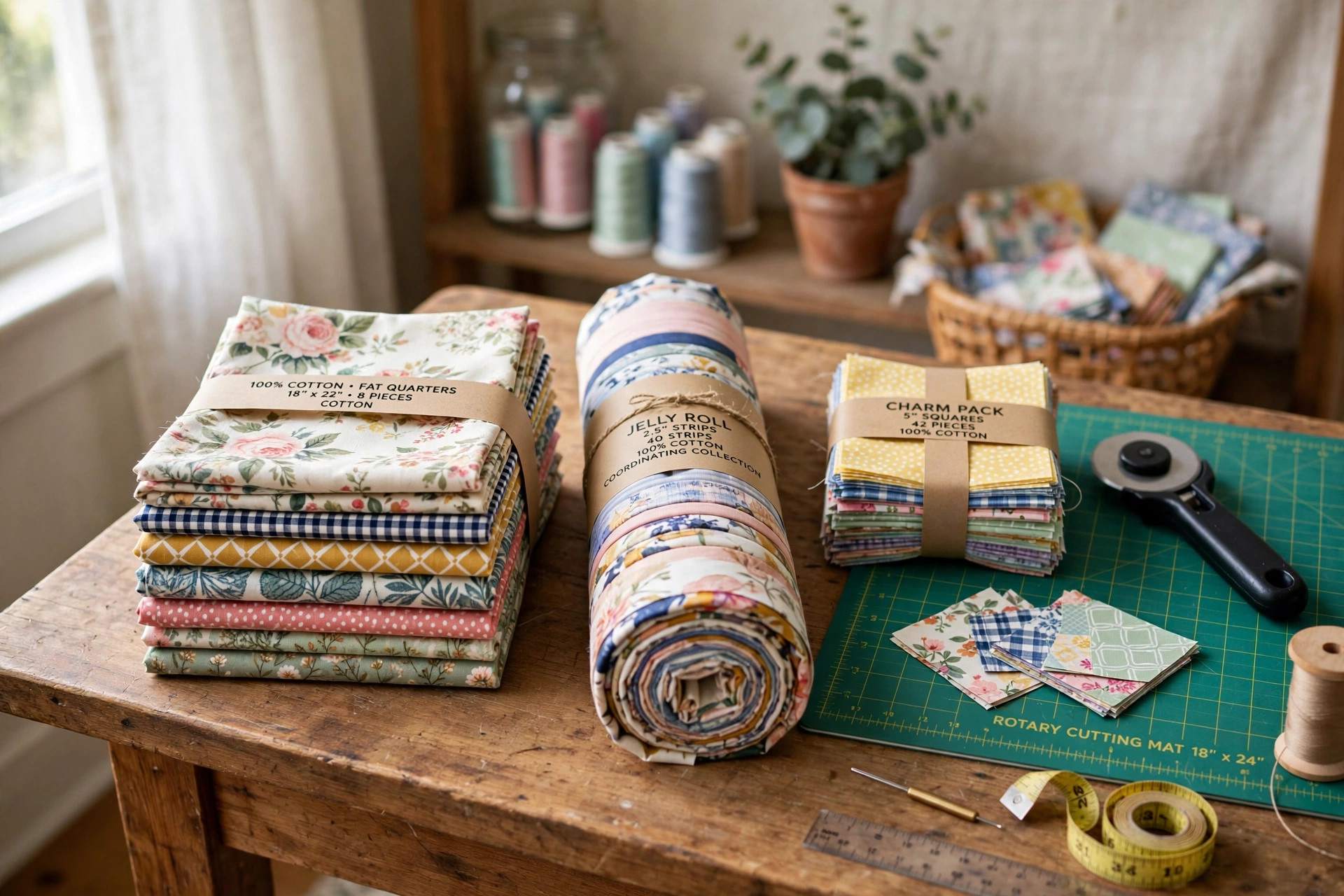

Many quilt makers in America start a project with a simple question. They want to know the best fabric for quilting cotton precuts usa. Precuts are pieces of cloth that are cut to a fixed size before sale. They save time and help new quilt makers start fast.
This guide explains how to pick good quilting cotton. It covers why the fabric matters. It shows what to look for in a store. It lists the main types of precuts. It gives honest notes on cost and care. It answers common questions. It ends with a short word of advice.
Why Quilting Cotton Matters
A quilt is made of three layers. The top is pieced from cloth. The middle is soft batting. The back is one large piece of fabric. All three layers must last for years. The top layer gets the most wear. It is washed. It is folded. It is used on a bed or a couch.
Good cotton holds its shape after washing. It keeps its color. It does not tear along the seam lines. Cheap cloth can shrink more than the rest of the quilt. It can bleed color into light pieces. It can fray at the edges and make seams weak. The right fabric makes a quilt that stays flat and strong.
Cotton made for quilting is different from common craft cotton. Quilt-shop cotton has a tighter weave. It is usually 100 percent cotton. It is often printed with dyes that stay in place. When you search for the best fabric for quilting cotton precuts usa, you are really asking for this kind of cloth.
What to Look for When You Choose Cotton Precuts: Best Fabric for Quilting Cotton Precuts Usa
Fiber content
Look for labels that say 100 percent cotton. This is the standard for quilts. Cotton breathes. It feels soft. It irons flat.
Some precuts are blends of cotton and polyester. A blend can cost less. It may wrinkle less. But it can feel slick under the needle. It can stretch in a way that makes seams pucker. For a first quilt, pure cotton is the safer pick.
Thread count and weave
Good quilting cotton has a firm, even weave. Hold the cloth up to a lamp. You should not see large gaps between threads. A tight weave means less fraying. It also means the printed color looks sharp.
You do not need the highest thread count in the store. A medium weight cloth made for quilts is best. Very thin cloth tears at the seams. Very thick cloth is hard to feed through a home machine.
Colorfastness
Colorfast cloth keeps its color in the wash. Dark reds and blues are the main risk. They can bleed into white pieces. Before you cut a whole quilt, wash one small scrap. Let it dry. Check if the color ran. A color catcher sheet in the wash can help protect light pieces.
Even so, a short test wash is smart. It takes five minutes and can save a whole project.
Print quality and grain
Look at the print lines. They should be straight along the grain of the cloth. A crooked print can make seams look off. Small prints are kind to new quilt makers. They hide small cutting errors. Large prints need more care when you cut each piece.
Precuts are cut at the shop or the mill. Check that the cuts are clean and even. A good bundle has straight edges and even corners. This matters most with charm squares and layer cakes, where each piece must match the rest.
Types of Cotton Precuts and What They Are For
Shops sell precuts in standard sizes. Each size has a common name. Knowing the names helps you shop with ease. Many quilters buy bundles of coordinating cloth when they want a mix of prints.
Fat quarters
A fat quarter is a half yard of cloth cut into a fat rectangle. It measures about 18 by 22 inches. This shape gives more room than a thin strip. It is the most flexible precut. You can cut squares, strips, or shapes from it. New quilt makers often start here.
Charm squares
A charm pack holds small squares of cloth. The standard size is 5 inches by 5 inches. Packs often hold 42 squares in one fabric line. Charm squares suit simple patch quilts. They also work for nine-patch and four-patch blocks. The best rotary cutter for quilting fabric crafts helps you trim these squares clean before you sew.
Layer cakes
A layer cake holds 10 inch squares. The name comes from the stacked look of the pack. These squares are large enough for big blocks. They suit patterns that show off a print. Many fast quilt patterns are written for layer cakes.
Jelly rolls
A jelly roll holds long strips of cloth. Each strip is 2.5 inches wide and about 44 inches long. A roll holds about 40 strips. Jelly rolls are made for strip quilts and log cabin blocks. They sew up fast. They are a fine pick when you want a quilt top done in a weekend.
Honey buns and other mini strips
Some shops sell narrower strips. A honey bun is 1.5 inches wide. Mini charm packs hold 2.5 inch squares. These small cuts suit table runners, mug rugs, and small wall quilts.
How to Match Fabric to Your Project
Think about the size of your quilt. A baby quilt needs fewer pieces. You can buy one or two packs and finish fast. A queen size quilt needs many more pieces. Plan for more yardage. Also plan for binding and backing cloth.
Think about the pattern. A pattern with large blocks shows off big prints. Layer cakes or fat quarters fit well. A pattern with small pieces needs cloth with small prints. Charm squares and mini packs fit well.
Think about color. Look at the whole bundle in daylight. Indoor shop lights can change how a color reads. Hold the pack near a window if you can. Check that light and dark pieces sit well together. Without some contrast, the blocks blend into one shape.
Many quilt makers keep a small stock of plain solids. Solids give the eye a rest between busy prints. A white, cream, gray, or navy solid can lift a whole quilt. You can find many options at craft supply stores and quilt shops near you.
Cost and Price: What Precuts Really Cost
Precuts cost more per yard than cloth cut from a bolt. The cutting work and the neat pack add to the price. That is normal. You pay for saved time and for a matched set of prints.
A charm pack often costs between eight and fourteen dollars. A layer cake often costs between thirty and fifty dollars. A jelly roll often costs between thirty and fifty dollars as well. Fat quarters cost less per piece, often three to five dollars each. Prices move with the brand and the shop.
To keep costs down, plan before you buy. Count the pieces your pattern needs. Buy only what you need, plus a small extra for errors. Use sale days at large shops. Many craft stores run weekly sales on fabric and tools. You can compare prices at places like Home Depot, though quilt shops carry the widest range of cotton prints.
Quality is worth the extra cost in the cloth you will wash often. A baby quilt or a daily-use throw takes real wear. Cheap cloth may fade in a year. Good cloth can last for decades. Many family quilts from the 1980s still look fine today because the cloth was strong.
How to Care for Quilting Cotton
Before you sew
Many quilt makers wash their cloth before cutting. Washing removes sizing and shrinks the cloth early. It also tests for color bleed. Use cool water and a mild soap. Press the cloth with a warm iron while it is slightly damp.
Some quilt makers skip the first wash. They cut right from the pack. This is fine for wall quilts and small crafts that will not be washed often. For bed quilts, a first wash is the safer habit.
After the quilt is done
Wash a finished quilt in cool or warm water on a gentle cycle. Use a mild soap with no bleach. Dry on a low setting, or dry flat in the shade. High heat can set wrinkles and stress the seams.
Store quilts in a cool, dry place. Keep them out of direct sun. Sun fades even good dyes over time. Fold them with acid-free tissue if you store them long. Refold now and then so the crease lines do not wear through.
Mending and touch-ups
Small seams can open after years of use. Fix them early with a hand needle and matching thread. A loose thread that is pulled can open a whole seam. Trim stray threads with sharp sewing shears. Good cloth makes mending easy because the weave holds a stitch well.
Safety Notes for a Sewing Room
A craft room needs simple safety habits. Rotary cutters are very sharp. Always close the blade guard when the cutter is at rest. Cut on a proper mat, not on a table top. Cut away from your body, not toward it.
Irons are hot. Use an iron rest or a silicone pad. Keep cords off the floor where feet can catch them. Unplug the iron when you leave the room.
Keep pins and needles in a cushion or a magnetic dish so none are lost in the carpet. Store blades and scissors where small children cannot reach them. Good lighting helps too. A bright lamp cuts eye strain and keeps fingers away from the needle.
Where to Shop for Quilting Cotton Precuts
Local quilt shops are the best place to touch the cloth. You can feel the weight. You can see the true color. Staff can answer questions about patterns and yardage. Many shops hold classes for new quilt makers.
Large craft stores carry precuts too. They often run sales that lower the price. Michaels and Blick Art Materials are well known names in craft supplies. Online shops carry a huge range. Missouri Star Quilt Company is famous among quilters for its wide precut range. Fat Quarter Shop is another well known source for fat quarters and bundles. Connecting Threads sells its own lines of quilting cotton at fair prices.
When you buy online, read the product notes. Check the fiber content. Check the cut size. Check the piece count. Good listings state all three. Read buyer reviews for notes on color and weave. A review that mentions fraying or thin cloth is a warning sign.
Tips From Long-Time Quilt Makers
Buy a little more than the pattern asks. One extra charm pack can fix a cutting error. It can also make a matching pillow or a small wall hanging. Many quilt makers sort scraps by color into clear bins for the next project.
Press seams as you sew. A well-pressed seam lies flat. Flat seams make blocks meet at clean points. Use a dry iron first, then a little steam if the cloth needs it. Do not stretch the cloth while you press. Let the iron do the work.
Test your machine stitch on a scrap before you start. Check the stitch length and the tension. A quarter inch seam is the standard in quilting. A seam guide or a quarter inch foot helps you keep it even. Even seams make the whole quilt square.
Take your time with cutting. Most quilt errors start at the cutting table. Measure twice and cut once. Stack no more layers than your cutter can handle. Change a dull blade before it starts to chew the cloth. You can read more tool advice at This Old House and Family Handyman, and craft project ideas at Bob Vila.
Frequently Asked Questions
What is the best fabric for quilting cotton precuts usa for a new quilt maker?
A new quilt maker should start with 100 percent quilting cotton from a known brand. Fat quarters or charm squares are the easiest to use. Small prints are kind to small errors. Wash a test scrap first to check for color bleed.
Are precuts cheaper than buying cloth by the yard?
No. Precuts cost more per yard because the cutting work is done for you. You pay for saved time and for a set of prints that match. For a small project, the extra cost is small. For a large quilt, buying yardage from a bolt can cost less.
How many charm packs do I need for a lap quilt?
A lap quilt often needs two to three charm packs, plus border and backing cloth. The exact count depends on the pattern. Check the pattern notes before you buy. Buy one extra pack if you want room for error.
Should I wash precuts before I sew?
It depends on the project. For bed quilts that will be washed often, wash first. For wall quilts and small crafts, you can skip it. When in doubt, wash a test scrap. If the color runs or the cloth shrinks, wash the rest too.
Can I mix brands of cotton in one quilt?
Yes, as long as the weight and weave feel the same. Hold two pieces side by side. If one is much thinner, the seams may pucker. Stick to quilt-shop cotton for the whole quilt when you can. It keeps the quilt even.
Where can I learn more about quilting tools and home craft projects?
Craft and home sites carry many guides. You can browse tool reviews and project ideas at places like Blick and Michaels. Home project sites also cover sewing room setup and storage.
A Short Final Word
The best fabric for quilting cotton precuts usa is not one single brand or one single pack. It is good 100 percent cotton with a tight weave, honest color, and clean cuts. Match the precut size to your pattern, buy a little extra, test a scrap, and press as you go. A quilt made with care from good cloth can warm a home for many years.
References
Blick Art Materials. (n.d.). Art and craft supplies. https://www.dickblick.com Bob Vila. (n.d.). Home improvement advice. https://www.bobvila.com Connecting Threads. (n.d.). Quilting fabric and supplies. https://www.connectingthreads.com Family Handyman. (n.d.). DIY home repair and maintenance. https://www.familyhandyman.com Fat Quarter Shop. (n.d.). Quilting fabric and sewing supplies. https://www.fatquartershop.com Michaels. (n.d.). Arts and crafts supplies. https://www.michaels.com Missouri Star Quilt Co. (n.d.). Quilting fabric and supplies. https://www.missouriquiltco.com The Home Depot. (n.d.). Home improvement products. https://www.homedepot.com This Old House. (n.d.). Home renovation guidance. https://www.thisoldhouse.com
Was this guide helpful?

About James Carter
The My Garden US editorial team writes practical, in-depth home and garden guides for American homeowners — tested advice, no fluff.
You May Also Like

How to Choose a Paint Palette for Acrylics Mixing at Home
July 27, 2026 0 views
Best Heat Transfer Vinyl for Shirts Cricut: A Plain Guide to Choosing the Right Cut
February 7, 2026 0 views
DIY Welcome Sign Kit for Front Porch Decor: How to Make One That Lasts
March 7, 2026 0 views