---
Table of Contents
Table of Contents
- Melt Candle Wax: Safety First: Wax and Heat Demand Respect
- Method 1: The Makeshift Double Boiler
- Method 2: Direct Heat in a Dedicated Pot
- Method 3: The Slow Cooker
- Method 4: The Oven
- Method 5: The Microwave
- Know Your Wax: Melting Points Differ
- What Not to Do
- Cleanup and Storage
- Your Melting Checklist
- References
A double boiler is the classic tool for melting candle wax. Two pans, one nested in the other, with simmering water below and wax above. The gentle, indirect heat melts wax evenly without scorching it. But what if you do not own one? You can still make candles safely. This guide shows you how to melt candle wax without a double boiler, using five methods built from ordinary kitchen gear, plus the safety rules that keep the whole process safe.
Melt Candle Wax: Safety First: Wax and Heat Demand Respect
When it comes to melt candle wax, getting the details right makes all the difference.
When it comes to melt candle wax, getting the details right makes all the difference.
Many homeowners find that melt candle wax is easier than they expected once they know the basics.
Before any method, learn the safety rules. Wax is flammable when overheated. Its vapors can ignite near an open flame. Most candle waxes melt well below 200 degrees Fahrenheit, but their flash points sit not far above that. Never leave melting wax unattended. Not for a minute. Not while you answer the door.
Work in a ventilated area. Keep a fire extinguisher or a large damp cloth within reach. Never throw water on a wax fire. Water sinks under burning wax and erupts into steam, spreading the flames. Smother the fire with a lid or a damp cloth instead. Use a thermometer to watch the temperature. If the wax starts smoking, it is too hot. Take it off the heat at once.
Keep kids and pets out of the melting area. Hot wax causes nasty burns. Wear oven mitts when handling hot containers. Work on a stable, heat-proof surface covered with newspaper or a silicone mat for easy cleanup. Makesy's candle safety guide covers these rules in detail, and every one of them applies to the melting stage (Makesy).
One more rule. Dedicate your wax gear. Any pot, pitcher, spoon, or thermometer that touches wax should never go back to food use. Wax residue is hard to remove fully. Buy a cheap pot from a thrift store and label it "wax only."
Method 1: The Makeshift Double Boiler
Many homeowners find that melt candle wax is easier than they expected once they know the basics.
Many homeowners find that melt candle wax is easier than they expected once they know the basics.
The key to melt candle wax is choosing the right approach for your space and budget.
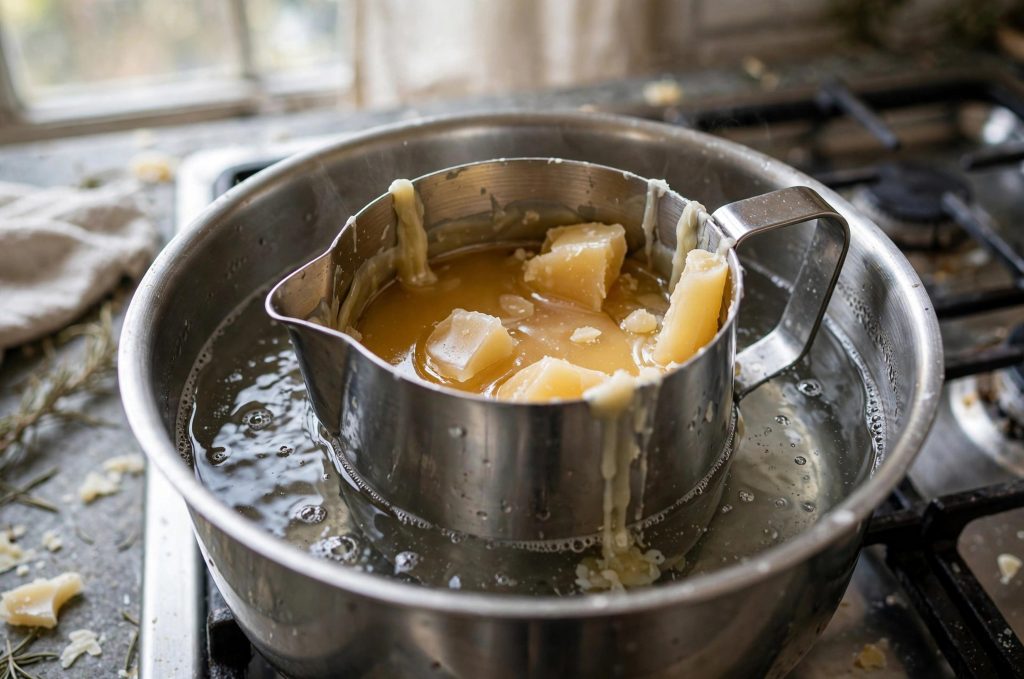
This is the closest thing to the real tool, built from what you own. You need a saucepan, water, and a heat-proof container that fits inside the pan. A large tin can, a glass measuring cup, or a metal pouring pitcher all work. The container holds the wax. The pan holds the water. The water heats the container gently, just like a real double boiler.
Fill the saucepan about halfway with water. Set the wax container inside. The water level should come partway up the outside of the container, not over its rim. Put the wax chunks in the container. Heat the water over medium-low heat. Do not boil it hard. A gentle simmer is plenty. Stir the wax now and then with a wooden skewer or a silicone spatula.
This method gives you the best temperature control of any stovetop option. The water cannot get hotter than its boiling point, which caps how hot the wax can get. Grilling4All's no-double-boiler guide describes this same can-in-a-pot setup as the simplest home method (Grilling4All). Keep the heat moderate and never let the pan boil dry. Add more hot water if the level drops.
Method 2: Direct Heat in a Dedicated Pot
The key to melt candle wax is choosing the right approach for your space and budget.
With a little planning, melt candle wax can fit even a busy schedule.
You can melt wax directly in a pot on the stove, with no water bath. This is faster, but it needs more attention. Use the lowest heat setting. Cut the wax into small, even chunks so it melts uniformly. Stir often. Watch the thermometer. Pull the pot off the heat as soon as the wax is fully liquid.
The risk here is hot spots. The bottom of the pot gets hotter than the wax above it. Thin spots of wax can scorch while chunks are still solid. Stirring constantly evens this out. Never walk away. Direct heat is the method most likely to overheat wax if you get distracted.
This method suits small batches and experienced makers. If you are new to candle making, start with the makeshift double boiler instead. It forgives mistakes. Direct heat does not. The Equipped.org forums thread on melting wax stresses the lowest stove setting and constant attention for any direct-heat melting (Equipped.org).
Method 3: The Slow Cooker
With a little planning, melt candle wax can fit even a busy schedule.
Before you start, it helps to understand how melt candle wax works in real homes.
A slow cooker is one of the safest ways to melt wax. It heats gently and holds a steady low temperature for hours. Put the wax chunks directly in the ceramic insert or in a heat-proof container set inside it. Turn the cooker to low. Walk away for a while, checking now and then. Most batches melt within an hour or two.
The slow cooker shines for big batches. Making a dozen container candles? The cooker holds the melted wax at pouring temperature while you work through the jars. No reheating between pours. No rushing. Just steady, even heat.
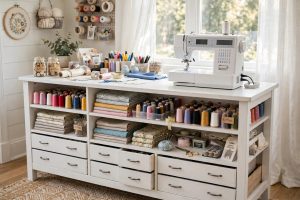
Dedicate the insert or use a liner. Wax will coat the ceramic. If your slow cooker has a removable insert you also use for food, do not share it. Buy a second insert or a cheap used cooker for wax only. Set up your melting station on a sturdy table; our craft table with pegboard picks work well for keeping wax gear organized. Aroma Vibes' candle safety page reminds makers that stable, heat-proof setups and constant awareness are the foundation of safe wax work (Aroma Vibes).
Method 4: The Oven
Before you start, it helps to understand how melt candle wax works in real homes.
A good plan for melt candle wax saves time, money, and frustration.
The oven melts wax hands-free. Place the wax in an oven-safe container, like a stainless steel pouring pitcher or a heavy glass measuring cup. Never use thin glass or plastic. Set the oven to its lowest temperature, usually around 170 degrees. Place the container on the center rack. Check every ten minutes and stir gently once it starts liquefying.
The oven is great for melting large amounts at once or for warming many containers before pouring. It is slow, which is fine. Slow and even beats fast and scorched. Use heavy oven mitts to remove the container. The handle will be hot.
Watch the temperature with a thermometer clipped to the container if you can. Ovens cycle above and below their set point. On a low setting this rarely matters, but a thermometer removes all doubt. Market Street Candles lists the low-oven method among its double-boiler alternatives, with the same warning to monitor closely (Market Street Candles).
Method 5: The Microwave
A good plan for melt candle wax saves time, money, and frustration.
The microwave is the fastest method and the riskiest. It heats unevenly. Some spots boil while others stay solid. Temperature control is poor. Many experienced candle makers avoid it entirely. But it can work for small amounts if you are careful.
Use a microwave-safe glass container. Heat in short bursts of thirty seconds to one minute. Stir between every burst. This breaks up hot spots. Stop as soon as the wax is mostly melted. Stirring will melt the last small chunks from residual heat. Never heat wax until it is smoking or bubbling hard.
Supplies for Candles' melting guide gives the microwave method with strict burst-and-stir instructions and a firm warning never to walk away during heating (Supplies for Candles). The AEANET comparison of melting methods rates the microwave lowest for safety and temperature control, and the double boiler and dedicated melting pots highest (AEANET). If you own a slow cooker, use that instead. It is barely slower and far safer.
Know Your Wax: Melting Points Differ
For most people, melt candle wax comes down to a few smart choices.
Different waxes melt at different temperatures. Soy wax melts low, roughly between 120 and 180 degrees depending on the blend. Paraffin melts in a similar low range. Beeswax needs more heat, around 145 degrees. Coconut and specialty blends vary, so check the supplier's specs.
Why does this matter? Pouring temperature affects how the candle sets. Too hot and you get sinkholes and poor scent throw. Too cool and the wax sets before it levels. Most soy wax pours well around 135 to 145 degrees. Let the melted wax cool to the right range before adding fragrance oil, then stir gently for a couple of minutes before pouring.
Chop wax into uniform pieces before melting, whatever the type. Even chunks melt evenly. Big blocks melt on the outside while the center stays solid, which tempts you to crank the heat. Small pieces keep the heat low and the process calm.
What Not to Do
If you are new to melt candle wax, start with the simplest option and build from there.
Do not melt wax in a plastic container. It can soften, warp, or melt, dumping hot wax everywhere. Do not use a container with a plastic handle in the oven. Do not pour melted wax down the drain. It solidifies in pipes and causes expensive clogs. Wipe out containers with paper towels while the wax is still warm, then wash with hot soapy water.
Do not mix unknown waxes without a plan. Old candle stubs of mystery type can be remelted for practice or fire starters, but do not blend them into candles you plan to sell. Different waxes shrink differently and may not bond to the container.
Do not add water to melted wax on purpose. A few drops will not ruin a batch, but water trapped in a candle creates pockets that sputter and pop when burned. Keep the work area dry and lids off containers while melting.
Cleanup and Storage
When it comes to melt candle wax, getting the details right makes all the difference.
Let spills harden, then scrape them up with a dull knife or an old credit card. For wax on fabric, lay brown paper over the spot and press with a warm iron. The paper absorbs the melted wax. Repeat with fresh paper until no more transfers.
Store leftover wax chunks in a labeled bag or bin. Note the wax type on the label. Mystery wax is useless wax. Keep wicks, thermometers, and pitchers together in one box so your next candle session starts in minutes. For wick supplies, our candle wick kit guide covers what to buy for soy candles. Leftover wax also works beautifully in gift projects like our DIY bath salt kit pairings for handmade gift sets.
Your Melting Checklist
Many homeowners find that melt candle wax is easier than they expected once they know the basics.
- Dedicate all wax gear. Never share pots with food use.
- Work ventilated, on a stable heat-proof surface.
- Keep a thermometer, oven mitts, and a damp cloth in reach.
- Never leave melting wax unattended.
- Cut wax into small, even chunks before melting.
- Use the lowest effective heat and stir often.
- Cool wax to the right pouring temperature before adding scent.
- Never pour wax down the drain.
- Know your fire plan: smother, never water.
You do not need a double boiler to make good candles. A pot of water, a slow cooker, or even a careful microwave session will melt wax just fine. What you need is patience, a thermometer, and respect for hot wax. Get those right and the candles take care of themselves. Candle Culture's double boiler explainer is worth a read if you later decide to upgrade your setup (Candle Culture).
References
The key to melt candle wax is choosing the right approach for your space and budget.
AEANET. (n.d.). Can you melt candle wax in the microwave? https://www.aeanet.org/can-you-melt-candle-wax-in-the-microwave/
Aroma Vibes Co. (n.d.). Candle safety. https://aromavibesco.com/pages/candle-safety
Candle Culture. (n.d.). Double boiler for candle making: What to use + how it works. https://candleculture.blog/double-boil-candle-wax/
Equipped.org. (n.d.). Wax and candles, tips on melting [Online forum discussion]. http://forums.equipped.org/ubbthreads.php?ubb=showthreaded&Number=62661
Grilling4All. (n.d.). How to melt candle wax without a double boiler: Simple DIY guide. https://grilling4all.com/blogs/blog/how-to-melt-candle-wax-without-a-double-boiler
Makesy. (n.d.). Candle safety 101. https://makesy.com/blogs/news/candle-safety-101
Market Street Candles. (n.d.). How can you melt candle wax without using a warmer? https://marketstreetcandles.com/how-to-melt-candle-wax-without-a-warmer/
Supplies for Candles. (n.d.). How to melt candle wax. https://www.suppliesforcandles.co.uk/best-ways-to-melt-candle-wax/
Was this guide helpful?

About My Garden US
The My Garden US editorial team writes practical, in-depth home and garden guides for American homeowners — tested advice, no fluff.
You May Also Like
The Best Jewelry Pliers Set for Wire Wrapping: A Plain Guide for Beginners
August 21, 2026 15 views
Weaving Loom Kit for Beginners Wall Art: A Complete Guide
March 7, 2026 19 views
Wood Slice Coasters Kit for DIY Home Decor
April 6, 2026 14 views