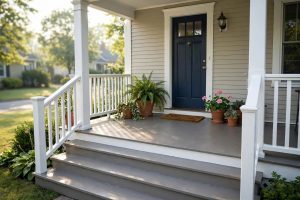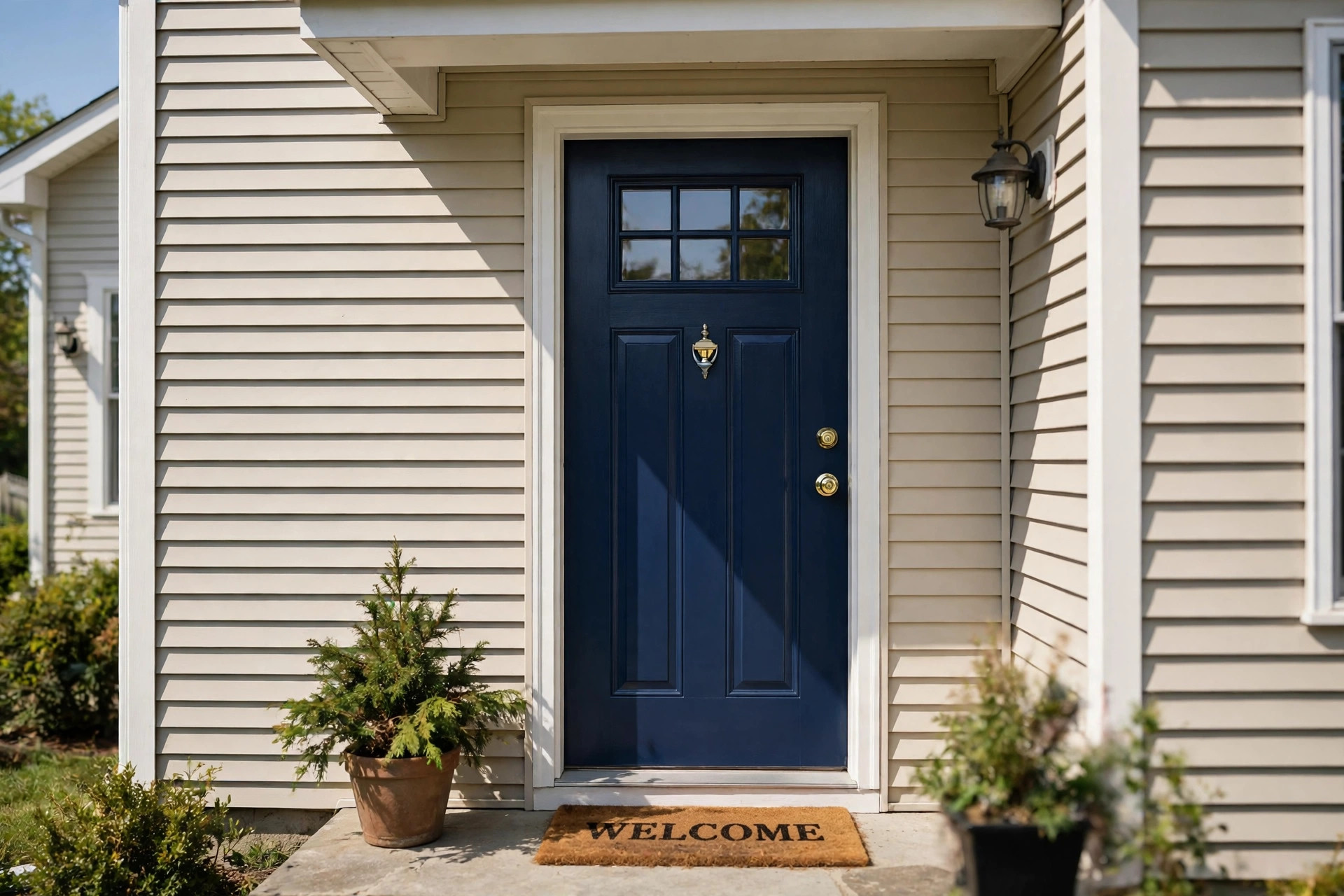
The front door is the first thing guests see. A tired door makes the whole house look old. The best paint for exterior doors fiberglass USA homeowners can buy solves this problem for a low cost. A new coat of the right paint can make a fiberglass door look brand new. It also protects the door from sun, rain, and cold.
Fiberglass doors are common in American homes. They resist dents and they do not rot like wood. Many come with a factory finish that lasts for years. But time and weather wear that finish down. When that happens, repainting is the smart move. This guide explains which paint to choose, how to apply it, and how to keep it looking good.
Why Your Fiberglass Door Deserves the Right Paint
A fiberglass door faces the worst weather your home sees. Morning sun beats on it. Afternoon storms soak it. Winter cold makes it shrink. Summer heat makes it expand. Cheap paint cannot handle these changes. It cracks and peels within a year or two.
The right paint moves with the door. It bonds tight to the fiberglass surface. It holds its color even in strong sun. It also resists moisture so the door core stays dry. A good paint job on a fiberglass door can last five to ten years. A bad one may fail before two summers pass.
There is also the question of looks. The front door sets the tone for the home. A rich black, a deep red, or a calm navy can raise curb appeal in a single weekend. Real estate experts often call the front door the best small project for return on value. A careful paint job costs little and changes much.
Paint choice also affects heat. Dark colors absorb sun and make the door surface very hot. Some makers of fiberglass doors warn against very dark colors on doors that face the sun all day. Check your door maker rules before you pick a shade. Guides from This Old House often note the same point about heat and door warranties.
What to Look for in Exterior Door Paint: Best Paint for Exterior Doors Fiberglass Usa
Not every paint sold for outside use suits fiberglass. The surface is smooth and non-porous. Paint must grip it well. These are the traits that matter most.
Weather Resistance
Look for paint labeled for exterior use with strong fade resistance. Ultraviolet light is the main enemy of door paint. It breaks down color and makes the surface chalky. Quality exterior paints use fade-resistant pigments and strong resins. Product lines from Sherwin-Williams and Benjamin Moore both list UV protection as a key feature of their exterior door paints.
Water resistance matters too. Rain should bead and run off, not soak in. A paint with good moisture defense keeps the door edges and panels from swelling or staining.
Adhesion and Flexibility
Adhesion is the paint grip on the surface. Fiberglass is slick, so the paint resin must be made to bond to it. One hundred percent acrylic resins bond well. They also stay flexible. Flexibility lets the paint expand and contract with the door through hot and cold days. Stiff paint cracks. Flexible paint lasts.
Many painters add a bonding primer made for fiberglass before the topcoat. This step adds grip and is worth the small extra cost. Advice from Bob Vila often lists proper priming as the step most do-it-yourself painters skip and later regret.
Finish and Color
Semi-gloss is the most common finish for exterior doors. It reflects light, shows off panel details, and wipes clean. High-gloss gives a bold look but shows every flaw. Satin is softer and hides small marks well. Flat paint is a poor choice for a door. It stains fast and is hard to clean.
Color choice is personal, but some rules help. Lighter colors last longer in hot, sunny spots. Dark colors look rich but fade faster and run hotter. If your door faces south or west with no shade, lean toward medium or light tones. Color ideas from HGTV can help you picture shades on a real home before you buy.
Types of Paint That Work on Fiberglass Doors
Three main paint types suit fiberglass. Each has strengths and weak points.
100% Acrylic Latex
This is the top pick for most homeowners. It is water-based, so cleanup is easy with soap and water. It dries fast, often in one to two hours. It stays flexible for years. It resists cracking and yellowing. Modern acrylic formulas rival old oil paints in hardness once fully cured. Lines like BEHR exterior acrylics are made for doors and trim and are easy to find at stores.
Urethane-Modified Acrylic
This paint adds urethane resin to an acrylic base. The result is a harder, tougher surface. It resists scuffs and scratches better than plain acrylic. It is a strong choice for a front door that gets daily use, pets, and keys. It costs more than standard acrylic. For a busy family entrance, the extra toughness is often worth it.
Alkyd and Oil-Based Paint
Oil-based paints were once the standard for doors. They level out smooth and cure to a hard shell. But they yellow over time, dry slowly, and need mineral spirits for cleanup. Some states limit their sale for home use. Most painters now pick water-based acrylics instead. Oil still has fans for its smooth finish, but the drawbacks are real.
Related painting projects use the same thinking. If you are refreshing cabinets inside, the same adhesion rules apply; see our notes on paint for kitchen cabinets. And if you are weighing bigger exterior changes, read the painting a brick house pros and cons before you decide.
Top Choices and What They Cost
You do not need the most costly paint on the shelf. You need a quality exterior acrylic made for doors and trim. Major brands sell door-ready formulas in quarts and gallons. A quart is enough for most single doors with two coats. A gallon covers a double door or several coats with paint to spare.
Paint Price Ranges
Expect to pay about 15 to 30 dollars for a quart of quality exterior door paint. Gallons run about 40 to 75 dollars for top lines. Store brands at Home Depot and Lowe’s often cost less and still perform well for doors. Premium lines cost more but may hold color longer in harsh sun.
Primer adds 12 to 25 dollars per quart. A bonding primer made for fiberglass or slick surfaces is the right type. Do not skip primer on a bare or badly worn door. On a door in good shape with sound old paint, a light sand and a quality paint with primer built in can work.
Primer and Supplies
Beyond paint and primer, budget for sandpaper, painter tape, a good brush, and a small foam roller. A two-inch angled brush gives clean lines around panels. A four-inch foam roller gives a smooth finish on flat sections. Total supply cost is usually 20 to 40 dollars. Reviews on The Spruce often stress that good tools matter as much as good paint for a smooth door finish.
How to Paint a Fiberglass Door Step by Step
Good prep is most of the job. Rushing this part is the main cause of peeling. Plan a dry day with mild temperatures, ideally between 50 and 85 degrees. Avoid painting in direct hot sun. The paint will dry too fast and leave marks.
1. Remove hardware. Take off the handle, lock, knocker, and kick plate. Tape what you cannot remove. Remove the door from its hinges if you can. Painting flat on sawhorses gives the smoothest result. 2. Clean the door. Wash with a mild detergent and water. Rinse well. Let it dry fully. Dirt and grease stop paint from bonding. 3. Sand lightly. Use 220-grit sandpaper and scuff the whole surface. The goal is to dull the shine, not to sand through the finish. Wipe off dust with a tack cloth. 4. Prime bare spots. Apply bonding primer to any bare fiberglass or filled areas. If the whole old finish is worn, prime the full door. Let the primer dry as the can directs. 5. Paint the panels first. Use the angled brush for recessed panels and moldings. Work from top to bottom so drips fall onto wet paint. 6. Roll the flat areas. Follow with the foam roller on stiles and rails. Keep a wet edge so brush and roller marks blend. 7. Apply a second coat. Let the first coat dry fully, then apply a second. Two thin coats beat one thick coat every time. 8. Rehang with care. Wait at least 24 hours before you rehang the door. Full cure takes up to 30 days. Treat the surface gently during that time.
Take your time with edges. Paint the door edges the same color or a matching tone. Unpainted edges let moisture in. Small detail work like this separates a neat job from a sloppy one, much like careful trim work in board and batten projects.
Care and Upkeep
A painted fiberglass door needs little care. Wash it once or twice a year with mild soap and water. A soft sponge is enough. Avoid harsh chemicals and rough scrub pads. They dull the finish.
Check the door each spring. Look for chips at the bottom edge and around the handle. Touch up small chips with a small brush before they spread. Keep the weather stripping in good shape. It keeps water out of the door frame and reduces wear on the paint edge.
Sun is the main aging force. A door under a porch roof will keep its color for years longer than a door in full sun. If your door faces harsh afternoon sun, plan on a fresh coat every five to seven years. Shaded doors can go eight to ten years between paint jobs.
Safety While You Work
Paint fumes are mild with water-based paint but still need fresh air. Work with the door in a garage with the door open, or outside on a calm day. Wear a dust mask when sanding. Old paint dust is not safe to breathe.
Keep paint and solvents away from heat and open flame. Store rags flat or in a sealed metal can. Oil-soaked rags can catch fire on their own. Read the safety sheet on every can you open. Wear gloves to protect your skin. Wash your hands before you eat or drink.
If your home is old, test for lead paint before you sand. Homes built before 1978 may have lead paint layers. Lead dust is a serious health risk, mainly for children. Use a lead test kit from a hardware store. If lead is present, follow safe removal rules or hire a certified pro.
Frequently Asked Questions
Can I paint a fiberglass door without primer? You can if the old finish is sound and you scuff-sand it well. A quality exterior acrylic will bond to a clean, dull surface. But primer is safer. It adds grip and hides stains. On bare fiberglass or a peeling door, primer is not optional.
What finish is best for a fiberglass front door? Semi-gloss is the best all-around choice. It is easy to clean and shows off the door design. High-gloss looks striking but shows flaws. Satin works well for a softer look. Avoid flat finishes on doors.
How long does paint last on a fiberglass door? A good job with quality acrylic paint lasts five to ten years. Sun exposure is the biggest factor. Shaded doors last longest. Doors in full harsh sun may need fresh paint in five years.
Can I use interior paint on an exterior fiberglass door? No. Interior paint lacks the UV blockers and moisture defense an outside door needs. It will fade and peel fast. Always use paint made for exterior use.
Do I need to remove the door to paint it? It is not required, but it helps. Painting the door flat on sawhorses stops drips and gives a smoother finish. If you paint it hung, tape the frame well and watch for runs on the bottom edge.
Will dark paint void my door warranty? It can. Some fiberglass door makers limit dark colors on doors in full sun because heat can warp the skin. Check your door maker warranty or guide before you pick a very dark shade.
A Final Word
The best paint for exterior doors fiberglass USA homes need is a quality 100 percent acrylic made for exterior trim and doors, in semi-gloss, over a clean scuffed surface with primer where needed. That simple formula gives strong color, tough protection, and years of service. Pick your shade, prep with care, and apply two thin coats. Your front door will thank you every time you come home.
References
Behr. (n.d.). Paints, primers, and stains. https://www.behr.com Benjamin Moore. (n.d.). Paints and stains. https://www.benjaminmoore.com Bob Vila. (n.d.). Home improvement advice. https://www.bobvila.com HGTV. (n.d.). Home and garden ideas. https://www.hgtv.com Lowe’s. (n.d.). Home improvement products. https://www.lowes.com Sherwin-Williams. (n.d.). Paints and coatings. https://www.sherwin-williams.com The Home Depot. (n.d.). Home improvement products. https://www.homedepot.com The Spruce. (n.d.). Home and garden advice. https://www.thespruce.com This Old House. (n.d.). Home renovation guidance. https://www.thisoldhouse.com
Was this guide helpful?

About David Wilson
The My Garden US editorial team writes practical, in-depth home and garden guides for American homeowners — tested advice, no fluff.