---
Table of Contents
Table of Contents
- Clean Laminate Floors: Understand What You Are Cleaning
- The Daily and Weekly Routine
- Choosing a Safe Cleaner
- Stains and Spots: Handle Them Right
- The Products and Tools to Avoid
- Fixing a Dull or Streaky Floor
- Protecting Laminate From Damage
- Waterproof Laminate: Still Be Careful
- A Simple Cleaning Schedule
- References
Laminate floors look like wood, but they are not wood. The top is a printed photograph sealed under a clear wear layer. Under that sits a core of pressed fiberboard. That core is the problem. It drinks up water and swells. Once a plank edge swells, it never goes back down. The steps below show how to clean laminate floors in plain language.
Most damaged laminate floors are not damaged by dirt. They are damaged by cleaning. Too much water. The wrong cleaner. A steam mop. All of these can ruin a floor that would have lasted for years with gentler care.
The good news is that safe laminate cleaning is simple and fast. Dry methods do most of the work. Damp methods finish the job. Here is the full routine, plus the mistakes to avoid.
Clean Laminate Floors: Understand What You Are Cleaning
When it comes to clean laminate floors, getting the details right makes all the difference.
When it comes to clean laminate floors, getting the details right makes all the difference.
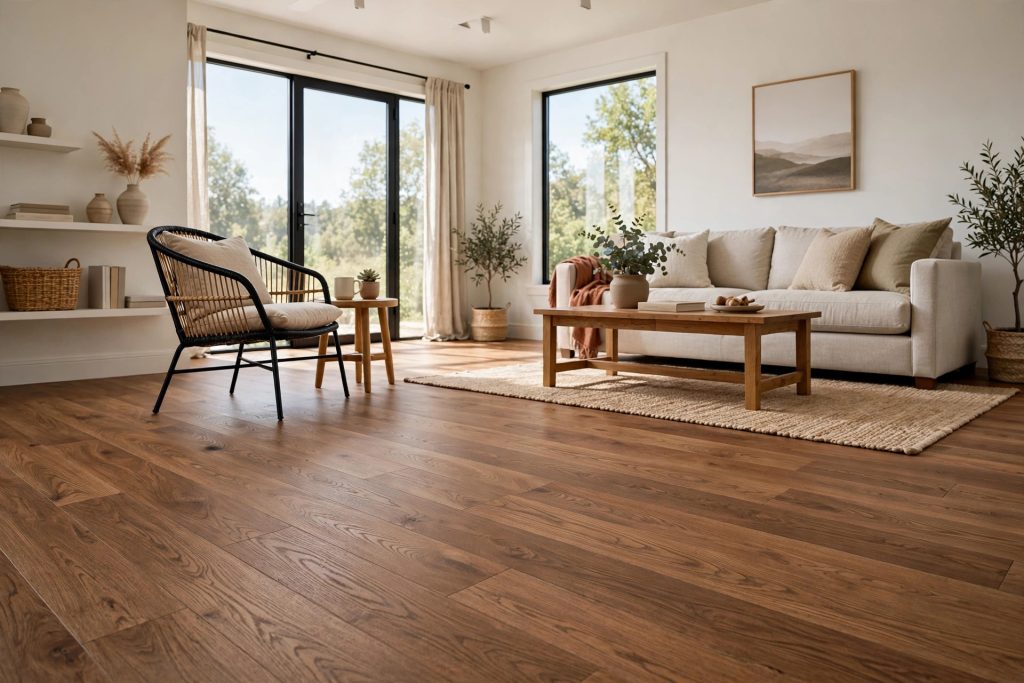
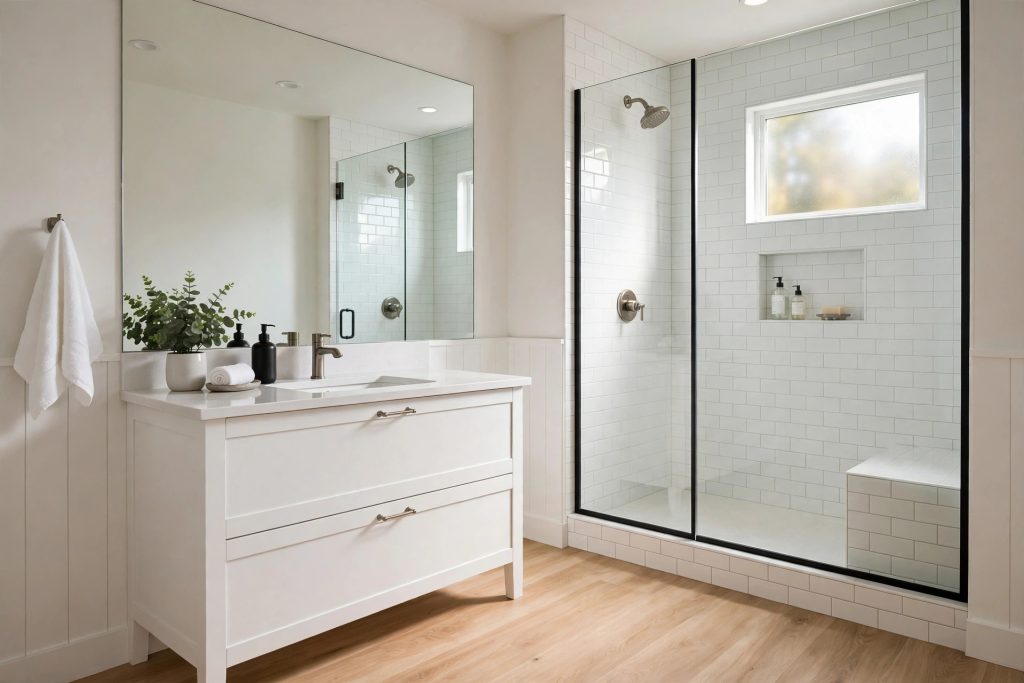
Many homeowners find that clean laminate floors is easier than they expected once they know the basics.
A laminate plank has four layers. The bottom is a backing layer that resists moisture from below. Above that is the dense fiberboard core. Then comes the photographic design layer, the part that looks like oak or hickory. On top is the wear layer, a clear coating that resists scratches and stains.
The weak points are the seams between planks. Water that sits on the floor finds those seams and wicks into the fiberboard core. The core swells, the edges lift, and you get the bumpy, warped look that screams water damage. Flooring care guides are blunt about this: never let liquids stand on the floor, and never wet-mop laminate the way you would tile. Pergo's cleaning guidance stresses the same rule, advising a thoroughly wrung mop and immediate cleanup of any wet spots or puddles.
Once you understand that, the whole cleaning method makes sense. Keep it dry. Keep it gentle. Keep water away from the seams.
The Daily and Weekly Routine
Many homeowners find that clean laminate floors is easier than they expected once they know the basics.
Many homeowners find that clean laminate floors is easier than they expected once they know the basics.
The key to clean laminate floors is choosing the right approach for your space and budget.
For everyday care, you barely need any liquid at all.
Dry dust mop the floor with a microfiber pad. Microfiber grabs dust, pet hair, and grit instead of pushing it around. Do the high-traffic areas daily if you can, and the whole floor a few times a week. Dirt and sand act like sandpaper under shoes. They dull the wear layer a little more every day they sit there.
Vacuum with a hard-floor setting or a canister vacuum. Turn off the beater bar. A spinning beater bar can scratch the wear layer over time. Use the crevice tool along baseboards where dust collects.
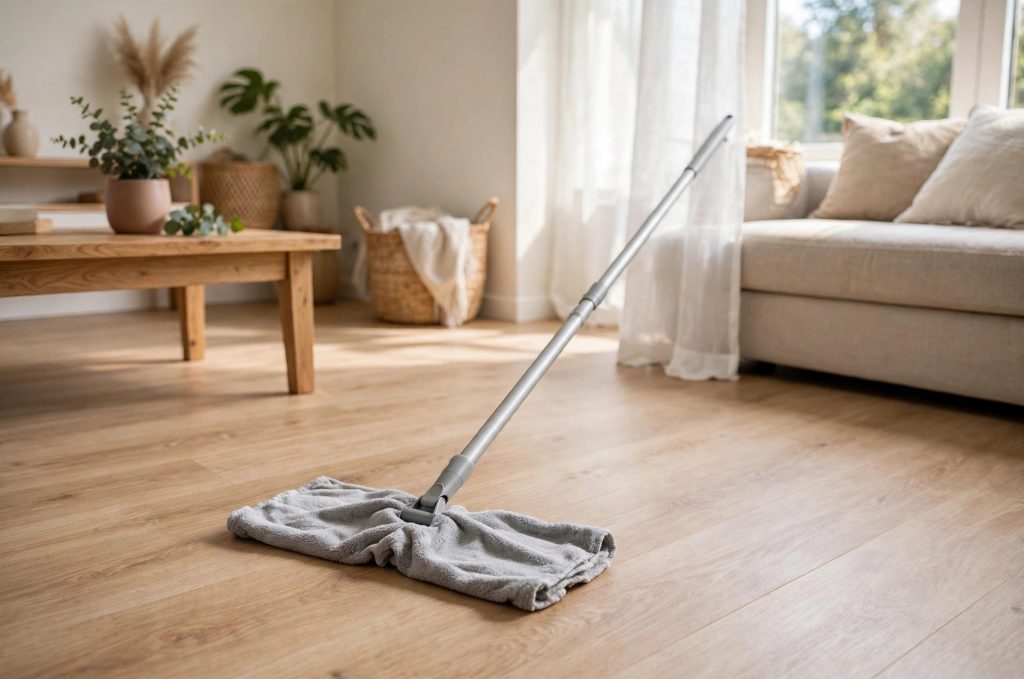
For a deeper clean, use a microfiber flat mop barely dampened with water or a cleaner made for laminate. Wring the mop until it is almost dry. The mop should feel damp to your hand, not wet. Mop in the direction of the planks. Go over the floor once, then follow with a dry microfiber pad to pick up any remaining moisture. Cleaning experts recommend this damp-then-dry two-pass method as the safest way to get a real clean without risking the seams.
How often? Dry mop or vacuum a few times a week in busy homes. Damp mop every week or two, or when the floor actually looks dirty. More is not better with laminate.
Choosing a Safe Cleaner
The key to clean laminate floors is choosing the right approach for your space and budget.
With a little planning, clean laminate floors can fit even a busy schedule.
Use a cleaner labeled safe for laminate floors. These are pH-neutral formulas that clean without leaving residue or attacking the wear layer. Spray the cleaner onto the mop pad, not directly onto the floor in big puddles. A light mist is plenty.
You do not need much product. In fact, using too much cleaner is one of the most common causes of dull, streaky laminate. Residue builds up with every over-application, and each layer grabs more dirt. If your floor looks hazy, the cause is often old cleaner buildup, not dirt.
A vinegar-and-water mix gets recommended a lot online. Be careful with it. Southern Living's flooring advice notes that many manufacturers warn against vinegar because acids can wear down the protective coating over time and may void the warranty. If your manufacturer says no vinegar, believe them. A dedicated laminate cleaner costs little and carries no risk.
Stains and Spots: Handle Them Right
With a little planning, clean laminate floors can fit even a busy schedule.
Before you start, it helps to understand how clean laminate floors works in real homes.
Spills happen. The rule is simple: wipe them up right away. Every minute a liquid sits on laminate is a minute it can seep into a seam. Keep a soft cloth handy in the kitchen for this reason.
For sticky spots, dampen a cloth with your laminate cleaner and rub gently. For scuff marks from shoes, a tennis ball rubbed over the mark often lifts it. Crayon, ink, or lipstick usually respond to a small amount of rubbing alcohol on a cloth. Dab, do not pour.
For chewing gum or candle wax, harden the spot with ice in a plastic bag, then lift it gently with a plastic scraper like an old credit card. Never use a metal blade. It will scratch the wear layer.
Nail polish and paint spots can be treated with a little acetone or nail polish remover on a cloth, followed by a wipe with a damp cloth. Test in a hidden spot first, such as inside a closet. A waterproof laminate cleaning guide gives the same advice for tough spots: gentle solvents on a cloth, never poured directly on the floor.
The Products and Tools to Avoid
Before you start, it helps to understand how clean laminate floors works in real homes.
A good plan for clean laminate floors saves time, money, and frustration.
This list matters more than the shopping list. These are the things that ruin laminate floors.
Steam mops. The heat and moisture force water into the seams. Manufacturers almost universally warn against them. Retailer care pages list steam mops first among the things never to use on laminate.
Wet string mops and sponge mops. They hold far too much water and leave puddles in their wake.
Wax, polish, and oil soap. Laminate does not need wax. These products leave a film that dulls the floor and can make it slippery. They also void most warranties.
Bleach and ammonia-based cleaners. Too harsh. They can discolor the design layer and damage the wear layer.
Abrasive scrubbers. Steel wool, scouring pads, and stiff brushes scratch the clear top coat. Once the wear layer is scratched, the damage is permanent.
Vacuum beater bars. Already mentioned, but worth repeating. Use the hard floor setting.
Fixing a Dull or Streaky Floor
A good plan for clean laminate floors saves time, money, and frustration.
For most people, clean laminate floors comes down to a few smart choices.
If your laminate looks cloudy or streaked, the cause is usually one of two things: cleaner buildup or hard-water residue.
To strip buildup, damp-mop with plain warm water, changing the water often. You may need two or three passes with fresh water each time. Follow with a dry microfiber buff. A shine-restoration guide suggests that cutting back to a pH-neutral cleaner used sparingly prevents the haze from coming back, and a laminate shine walkthrough recommends the same water-only reset when streaks will not quit.
For hard-water spots, a very light wipe with a diluted vinegar solution can help, but check your warranty first. If vinegar is off the table, a laminate-specific cleaner and a dry buff usually do the job with a little more effort.
Do not try to fix dullness with polish or "shine restorer" products. They add another layer of buildup and make the problem worse over time.
Protecting Laminate From Damage
For most people, clean laminate floors comes down to a few smart choices.
If you are new to clean laminate floors, start with the simplest option and build from there.
Cleaning is only half the battle. Prevention keeps the floor looking new.
Put doormats at every entrance, inside and out. Most of the grit that scratches floors walks in on shoes. Shake out or vacuum the mats regularly so they keep working.
Use felt pads under furniture legs. Chairs are the worst offenders. A chair dragged across laminate day after day will wear through the finish. Replace the felt pads when they get dirty or compressed.
Lift furniture instead of dragging it. For heavy pieces, use furniture sliders.
Keep pet nails trimmed. Long nails click and scratch across the wear layer.
In kitchens, use a mat in front of the sink and stove. These are the splash zones. A quick-dry mat with a breathable backing catches water before it reaches the seams. Avoid rubber-backed mats that trap moisture underneath.
Control humidity in the home. Very dry air can shrink planks and open seams. Very damp air can swell them. A stable indoor climate protects every kind of wood-based floor.
Waterproof Laminate: Still Be Careful
If you are new to clean laminate floors, start with the simplest option and build from there.
Some newer laminate products are marketed as waterproof or water-resistant. They handle spills better than standard laminate. The seams are tighter and the core resists swelling longer.
Treat them with the same care anyway. Waterproof does not mean waterproof forever. Standing water will still find a way in eventually, and the warranty still expects you to clean up spills promptly. The gentle routine in this guide works perfectly for waterproof laminate too.
If you are shopping for a wet area like a bathroom, read this waterproof laminate flooring guide before you buy. And if your laminate sits over a poor underlayment, noise and minor unevenness get worse. The underlayment guide explains what to look for.
A Simple Cleaning Schedule
When it comes to clean laminate floors, getting the details right makes all the difference.
Here is a routine that keeps laminate floors looking new without much effort.
Daily: quick dry dust-mop of the kitchen and entryways. Wipe up spills the moment they happen.
Weekly: vacuum or dust-mop the whole floor with a microfiber pad. Damp-mop with a laminate-safe cleaner if the floor needs it.
Monthly: damp-mop the whole floor, then dry-buff. Check felt pads on chairs. Shake out doormats.
Seasonally: inspect seams for any swelling or lifting. Catching a problem early can save the floor. Clean under appliances and heavy furniture. For brand-specific routines, Pergo's expert cleaning tips lay out the same daily, weekly, and monthly rhythm with product suggestions for their floors.
For homes with pets, a quiet vacuum that handles hard floors well makes the daily pass painless. And for general wood-floor-safe products, the hardwood floor cleaner guide for pet owners covers many cleaners that are also laminate-safe. A streak-free laminate routine is worth bookmarking for the days the floor needs extra attention. Keep this guide handy the next time you clean laminate floors.
References
Many homeowners find that clean laminate floors is easier than they expected once they know the basics.
Be A Cleaner. (n.d.). How to clean waterproof laminate floors. https://www.beacleaner.com/how-to-clean-waterproof-laminate-floors
Coohom. (n.d.). How to clean and shine laminate floors easily. https://www.coohom.com/article/how-to-clean-and-shine-laminate-floors-easily
Coohom. (n.d.). How to clean laminate floors without streaks or warping. https://www.coohom.com/article/how-to-clean-laminate-floors-without-streaks-or-warping
Coohom. (n.d.). Pergo floors look dull? How to clean Pergo floors right. https://www.coohom.com/article/how-to-clean-pergo-floors-expert-tips-for-lasting-shine
Coohom. (n.d.). Streaky floors? How to clean laminate wood floors right. https://www.coohom.com/article/how-to-clean-laminate-wood-floors-effectively
Designer's Carpet One. (n.d.). Care for laminate. https://www.designerscarpetone.com/flooring-guide/care-and-maintenance/care-for-laminate
LoveToKnow. (n.d.). Expert tips for cleaning Pergo laminate floors. https://www.lovetoknow.com/home/cleaning/cleaning-pergo-floors
Ozaclean. (n.d.). How to make laminate floors shine without damaging them. https://www.ozaclean.com/how-to-make-laminate-floors-shine/
Southern Living. (n.d.). What you should clean your laminate floors with instead of vinegar. https://www.southernliving.com/what-to-clean-laminate-floors-with-instead-of-vinegar-12034888
Was this guide helpful?

About My Garden US
The My Garden US editorial team writes practical, in-depth home and garden guides for American homeowners — tested advice, no fluff.
You May Also Like
Foam Padding Under Vinyl Plank Floors: What to Know
November 17, 2026 7 views
Engineered Hardwood Flooring Cost per Square Foot: A Plain Guide for American Homeowners
August 23, 2026 20 views
Encaustic Cement Tile for Sale USA: A Plain Guide for Homeowners
March 18, 2026 23 views