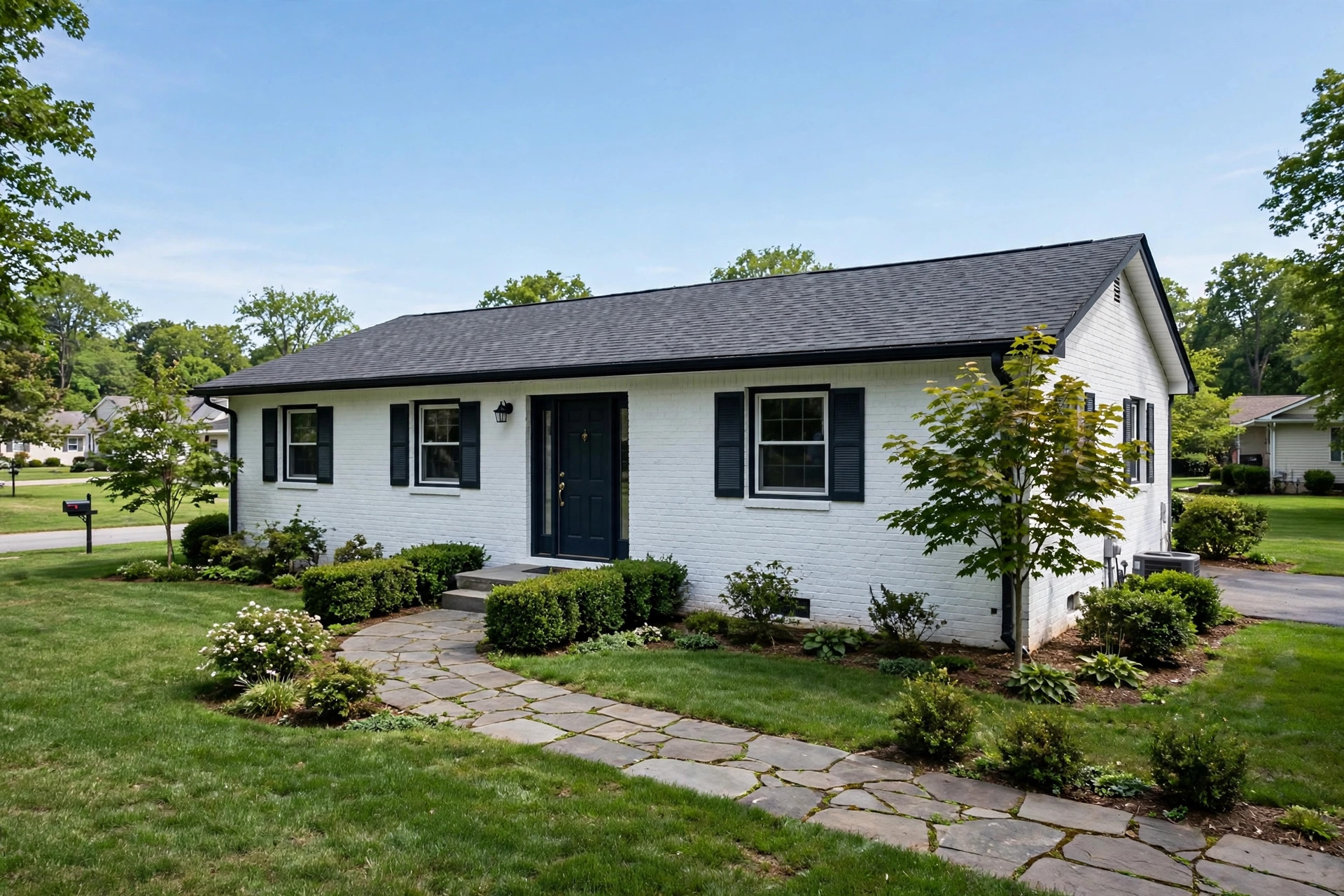

Drive through any American suburb and you will see the trend. Red brick ranch homes now wear fresh coats of white, gray, or warm cream. This rise in painted brick homes makes the topic of painting brick house pros and cons usa one that many owners now study with care. Brick was long sold as a finish that needs no paint. It was said to last for a century with little care. So why are so many people covering it with paint? And is it a wise move for your own home? This guide looks at both sides. It covers the real benefits, the real drawbacks, the cost, the right paint, and the upkeep that follows.
Why the Painted Brick Look Matters
Brick homes are common across the United States. In the South and the Midwest, whole streets are built from it. In the Northeast, old brick row homes line the blocks. For years, paint was seen as something that did not belong on brick. Paint was for wood siding and trim. Brick was left alone.
That view has changed. Home design shows and magazines now show painted brick as a way to update a tired home. A dark red brick house from the 1970s can look fresh with a coat of soft white. A small home can look larger. A plain home can look custom. Real estate agents say curb appeal starts at the street, and paint is one of the fastest ways to change what the street sees.
But paint on brick is not like paint on wood. Brick breathes. It lets water vapor pass through its body. Paint can slow or stop that flow. A good paint job can add beauty and a layer of protection. A bad one can trap moisture and lead to peeling, chips, and costly repair.
The Pros of Painting a Brick House: Painting Brick House Pros and Cons Usa
The case for painting brick is strong. These are the main benefits.
Fresh, modern curb appeal. The leading reason owners paint brick is the look. A dated brick color can make a well-built home feel old. A fresh coat of paint changes the whole face of the house. Light colors make a home feel open and clean. Dark colors, like charcoal or navy, give a brick home a bold, modern edge.
Higher resale appeal. Painted brick homes often photograph well. In a hot market, a fresh exterior can help a listing get more views and more showings. A home that looks new and cared for can draw higher offers than one that looks tired.
An extra layer of protection. The right exterior paint adds a shield over the brick. It helps block driving rain and sun. It can cover hairline cracks and small flaws in the mortar. For older brick that has started to look rough, paint can even out the surface and give the wall a second life.
Easy color change down the road. Once brick is primed and painted, a color change is simple. You can move from cream to gray or from white to sage in a weekend with a sprayer. Bare brick cannot change color without paint, so the painted wall gives you more freedom.
The Cons of Painting a Brick House
The case against painting brick is also strong. These are the main drawbacks.
It is nearly impossible to undo. This is the biggest con. Paint soaks into the pores of brick. Stripping paint off brick is hard, costly, and often fails to bring back the clean brick face. Once you paint, you should plan to keep the house painted for as long as you own it.
Brick needs to breathe. Brick is a porous material. Water vapor moves in and out of it. Standard exterior paint can trap that vapor. When trapped moisture freezes in winter, it can push the paint off the brick. It can also cause the face of the brick to flake, a harm called spalling. The harm grows worse in cold states with many freeze and thaw cycles.
Repainting is a must. Most painted brick needs a fresh coat every 7 to 15 years. In harsh sun or in wet climates, the cycle may be shorter. What was once a care-free brick wall becomes a wall that needs a painter on a schedule.
Prep work is heavy. Paint does not stick well to dirty or chalky brick. The wall must be washed, loose mortar must be fixed, and the white salt stain that shows on brick must be cleaned. This prep takes time and skill. Skipping it is the most common cause of early failure.
Cost is higher than many expect. Painting a brick home costs more than painting a wood home of the same size. The rough surface drinks more paint. The prep is longer. Hiring a crew to paint a two-story brick home can run well into the thousands of dollars. The DIY route saves labor but still calls for a sprayer, scaffolding, and gallons of quality paint.
What to Look For: How to Choose the Right Paint
Not all paint belongs on brick. The choice of product is the line between a job that lasts and a job that fails.
Look for masonry paint. Paint made for brick and masonry is the safest pick. These paints are made to bond with mineral surfaces. They resist alkali burn, the chemical reaction that can eat standard paint when it touches new mortar. Masonry paint makers like Sherwin-Williams and Benjamin Moore sell lines made for brick, stucco, and concrete.
Choose a breathable finish. The best paint for brick lets some water vapor escape. Mineral paint and limewash are known for high breathability. Some acrylic latex lines made for masonry also allow vapor to pass. Flat or low-sheen finishes are better than high-gloss.
Check the brick first. Paint should go on brick that is sound. If the brick is crumbling, flaking, or soaked with ground water, paint will not fix it. Fix the water problem first. If the home was built before 1978, test for lead paint on the trim and near the brick before you sand or scrape.
Pick the color with care. Color affects heat. Dark paint absorbs more sun and can raise the wall temperature. Light colors reflect heat and keep the wall cooler. Most owners choose off-white, cream, warm gray, or soft sage.
If you lean toward a lighter, softer finish than full paint, you can look into where to buy limewash paint, a mineral wash that tints brick while letting it breathe. Limewash gives a soft, aged look and is easier to remove than paint.
Types and Options for Brick Exteriors
Owners have more than one way to cover or color brick. Each has its own trade-offs.
Acrylic latex masonry paint. This is the most common choice. It covers well, holds color, and cleans up with water. Quality lines from brands like Behr are sold at The Home Depot and Lowe’s. A good latex masonry paint over a masonry primer can last 10 to 15 years on a well-prepped wall.
Mineral paint. Mineral paint, also called silicate paint, bonds with the brick itself rather than sitting on top of it. It is very breathable and long-lasting. It costs more than latex and calls for careful prep.
Limewash. Limewash is a crushed limestone wash that gives a soft, cloudy finish. It breathes well and can be removed more easily than paint.
Brick stain. Stain soaks into the brick and changes its color without forming a film on top. Because it does not seal the surface, breathability stays high. Stain comes in fewer colors than paint, but it is one of the most durable options.
For owners pricing a job, an exterior brick painting services page can show local rates, and stucco painting costs give a useful point of comparison since stucco and brick share masonry paint needs.
Cost and Price
Cost is a deciding factor for many owners. The price of painting a brick house in the United States depends on size, height, prep needs, and local labor rates.
National ranges. For a typical 1,500 to 2,500 square foot brick home, hiring a pro crew often costs between 4,000 and 10,000 dollars. Larger two-story homes can run higher. The price includes wash, prep, primer, and two coats of paint. Brick drinks paint, so paint costs run higher than for smooth siding.
What drives the price up. Heavy prep drives cost. If the brick has old paint to scrape, heavy efflorescence, or failing mortar, the crew must spend extra days on prep. Height adds cost too. Scaffolding or lift rental for a tall wall adds to the bill.
DIY savings and costs. Doing the work yourself saves the labor share, which is often half the price. A DIY job still calls for a quality paint sprayer, ladders or scaffolding, drop cloths, primer, and paint. For a mid-size home, materials alone can run 800 to 2,000 dollars.
Long-term cost. The first paint job is not the full price. Plan for a repaint every 7 to 15 years. Over 30 years of ownership, the repaints can cost as much as the first job, or more. Guides from This Old House stress that painted brick is a long-term commitment, not a one-time project.
Care and Upkeep
A painted brick home asks for steady care. The good news is that the care is simple if you keep to a routine.
Inspect each year. Walk the walls once a year, best in spring. Look for chips, hairline cracks, and spots where the paint has lifted. Small flaws are cheap to fix when caught early.
Wash gently. Dirt, mildew, and pollen build up on painted brick. A yearly wash with a garden hose and a soft brush keeps it clean. If you use a pressure washer, keep the pressure low. High pressure can blast paint off the brick face.
Watch the caulk and trim. Paint on brick often meets wood trim at windows and doors. Keep that caulk sealed. Water that gets behind the trim can run down behind the paint film and cause blisters.
Repaint on schedule. Do not wait until the paint is failing all over. When the color fades, when chalk rubs off on your hand, or when chips spread, it is time. Home guides from The Spruce and Bob Vila both advise a fresh coat before the old one breaks down fully. Design features on HGTV show how painted brick homes can gain a bright, modern face.
Safety
Painting a brick house is safe work when done with care, but it has real hazards.
Ladder and height safety. Most brick homes need ladder or scaffold work. Falls are the leading cause of harm in home painting. Set ladders on firm, level ground. For tall gables, rent scaffolding rather than stretching from a ladder top.
Lead paint. Homes built before 1978 may have lead paint on trim, doors, and old coatings. Federal rules call for lead-safe work practices when old paint is disturbed. Test before you scrape. If lead is present, hire a lead-certified crew.
Chemicals and fumes. Paint strippers, cleaners, and some primers give off strong fumes. Work with fresh air moving. Wear gloves and eye protection. Keep children and pets away from the work area until the paint is dry.
Moisture harm. The chief long-term safety issue is not to people but to the wall. Painting brick that is already damp, or painting in damp weather, traps water. Paint in dry weather with several dry days ahead. Let the wall dry fully after washing before the primer goes on.
FAQ
Can I paint brick myself, or should I hire a pro? You can do it yourself if the home is one story and the brick is in good shape. You will need a sprayer, ladders, and time for prep. Hire a pro for tall homes, for brick with damage, or for any job where lead paint may be present. A pro crew also gives a warranty on the work.
How long does paint last on brick? A quality job on sound brick lasts 7 to 15 years. Sun, rain, and freeze cycles shorten the life. Mineral paint and stain can last longer.
Will painting brick hurt my home’s value? It depends on the market and the buyer. In many areas, painted brick adds curb appeal and helps a sale. In historic districts or markets where buyers prize natural brick, painting can narrow the buyer pool. Talk to a local real estate agent before you decide.
Does painted brick need special paint? Yes. Use paint made for masonry. Standard interior paint or cheap exterior paint will not bond well and may fail fast. A masonry primer plus a quality masonry topcoat is the proven system. Retailers like The Home Depot and Lowe’s stock masonry lines, and paint stores can tint them to your color.
Can I go back to bare brick after painting? In most cases, no. Paint sinks into brick pores and is very hard to remove fully. Chemical strippers and blasting can harm the brick face. Treat painting as a one-way choice and be sure before you start.
A Final Word
The pros and cons of painting brick house exteriors in the USA come down to a trade. On one side sits fresh beauty, strong curb appeal, and a new shield over old brick. On the other side sits a lasting commitment, the need for breathable paint, and repaints on a schedule. Neither side is right for every home. A sound brick wall in a mild climate with a dated color is a strong case for paint. A historic brick home in a freeze-prone state is a weaker one.
References
Behr. (n.d.). Paints, primers, and stains. https://www.behr.com Benjamin Moore. (n.d.). Paints and stains. https://www.benjaminmoore.com Bob Vila. (n.d.). Home improvement advice. https://www.bobvila.com HGTV. (n.d.). Home and garden ideas. https://www.hgtv.com Lowe’s. (n.d.). Home improvement products. https://www.lowes.com Sherwin-Williams. (n.d.). Paints and coatings. https://www.sherwin-williams.com The Home Depot. (n.d.). Home improvement products. https://www.homedepot.com The Spruce. (n.d.). Home and garden advice. https://www.thespruce.com This Old House. (n.d.). Home renovation guidance. https://www.thisoldhouse.com
Was this guide helpful?

About Michael Thompson
The My Garden US editorial team writes practical, in-depth home and garden guides for American homeowners — tested advice, no fluff.
You May Also Like
Wallpaper Removal Service Price Comparison USA
April 3, 2026 0 views
Textured Wall Finish Contractors Near Me: A Plain Guide to Hiring Right
May 18, 2026 0 views
Concrete Stain for Patio Reviews USA: A Plain Guide to Lasting Color
July 5, 2026 0 views