
Introduction
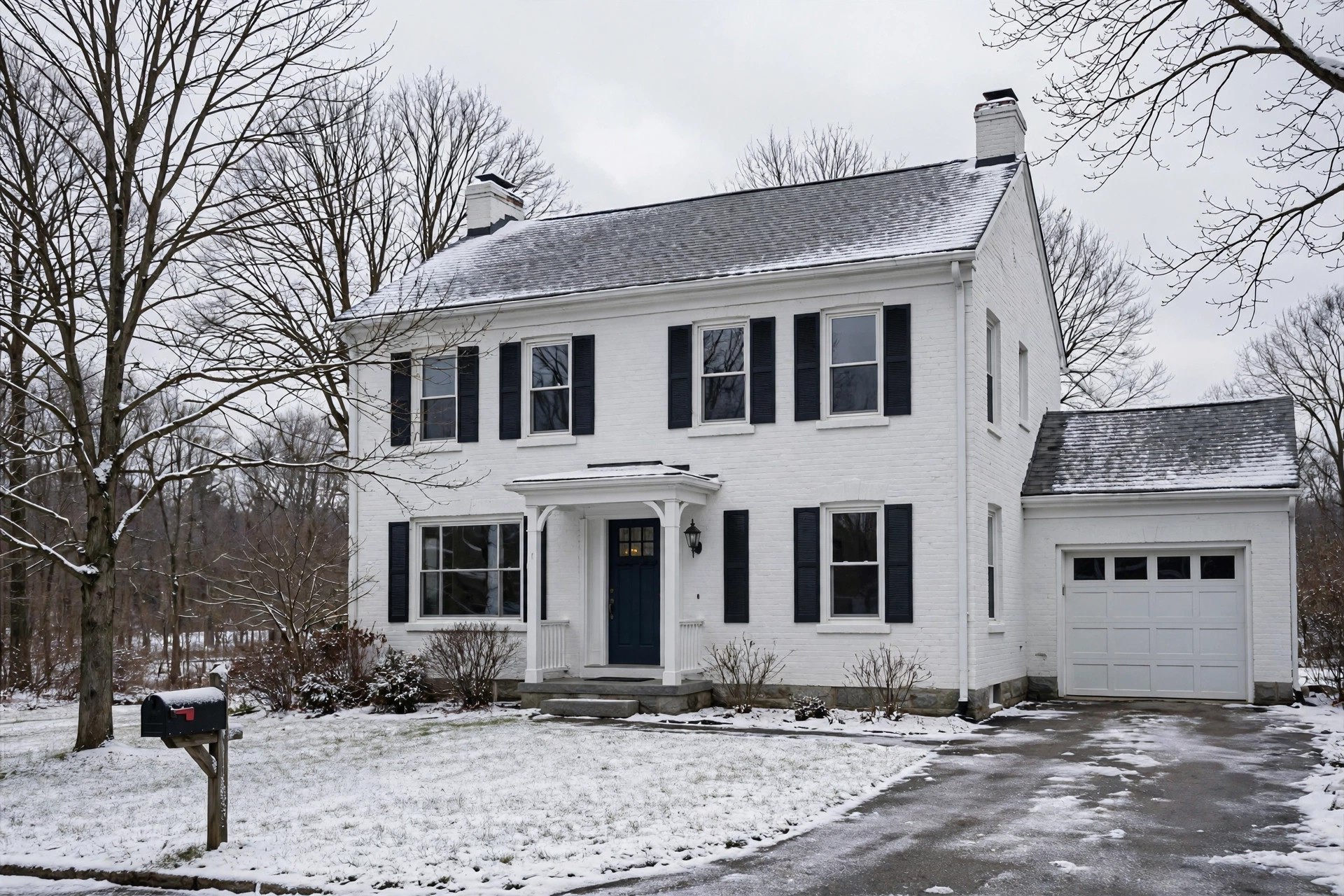
Painting brick in cold climates pros cons is a question many northern homeowners ask. A coat of paint can make an old brick house look new. It can cover stains and add charm. But brick is not like wood siding. It breathes. It moves with the seasons. And in cold states, water can freeze inside it.
Paint has two jobs on a wall. It must look good. It must protect. On brick in a cold place, these two jobs can clash. Paint that looks good may trap water. Water that freezes can crack the brick. This is why the choice matters so much.
This guide walks through the real facts. It lists the benefits of painting brick where winters are long. It lists the risks. It covers cost, upkeep, and safety. It will help you decide if painted brick is right for your home.
Why It Matters: Painting Brick in Cold Climates Pros Cons
Brick is one of the oldest building materials in America. Millions of homes wear it. Many of these homes stand in the Northeast, the Midwest, and the mountain states. In these places, the freeze-thaw cycle is a fact of life. Water enters tiny pores in the brick. Night cold turns it to ice. Ice expands. Spring melt drains away. Year after year, this cycle tests the wall.
When brick is left bare, water can leave the way it came. The surface breathes. When you paint it, you add a skin. That skin can be good or bad. A breathable skin still lets water out. A sealed skin traps it. In cold climates, trapped water is the enemy.
The choice to paint is almost never easy to undo. Stripping paint from brick is hard work and can cost more than the paint job itself. So the decision should be made with clear eyes.
The Pros of Painting Brick in Cold Climates
A Fresh, Modern Look
Paint changes the face of a house at once. Old red brick can look tired. A coat of white or gray can bring it into the present.
Protection From Weather
Paint can act as a shield. Driving rain and wet snow hit the paint first. A good masonry paint keeps bulk water off the brick surface. This can help in places with heavy winter storms. The wall stays drier than it would bare. Dry brick is stronger brick.
Cover for Stains and Damage
Older brick homes often carry stains. Efflorescence leaves white streaks. Rust from old fixtures bleeds down the wall. Some mortar joints crumble with age. Paint can hide these marks. It gives the wall one even tone. Small flaws vanish under two coats.
Better Light and Warmth
Light paint colors reflect the winter sun. A white or cream wall brightens a dark lot. It can make the home feel warmer from the street. In gray winter months, a bright house lifts the mood of the whole block.
Sealing Old Mortar
Paint can seal weak mortar joints. On very old homes, the mortar is softer than modern mixes. A flexible paint film can bridge small gaps. This slows water entry through tired joints. It is not a fix for real decay. But it can buy time.
The Cons of Painting Brick in Cold Climates
Trapped Moisture
This is the biggest risk. Brick is porous. It draws water in from rain, snow, and even ground contact. In winter, that water freezes. Freezing water grows. It pushes. If a layer of paint blocks the exit path, pressure builds. The result is spalling. Spalling is when the face of the brick pops off. It looks like flakes of red falling away. Once spalling starts, it is hard to stop.
Shorter Paint Life
Exterior paint lasts less long on brick than on wood. On wood siding, paint may last ten to twelve years. On brick in a cold climate, five to seven years is common. Freeze-thaw movement cracks the film. Water lifts it from below. You will repaint sooner than you think. Each repaint adds cost and work.
Hard to Reverse
Removing paint from brick is one of the hardest home tasks. Chemical strippers work slowly. Heat guns risk lead and fire. Pressure washing can scar the brick. Sandblasting can ruin old brick in minutes. Most experts say that once brick is painted, it should stay painted. You commit to a repaint cycle for the life of the home.
Hiding Real Problems
Paint can hide trouble. A crack in the brick still moves under the paint. A failed lintel still rusts. Water can enter behind the paint and rot wood framing unseen. By the time the damage shows on the surface, the fix is bigger.
Cost Over Time
The first paint job is not cheap. Future repaints add up. When you weigh painting brick in cold climates pros cons, you must count twenty years of cost, not one. We cover numbers in the cost section below.
How to Choose: Paint vs. Stain vs. Leave It Bare
Limewash and Mineral Paint
Limewash is an old finish. It sinks into the brick. It does not form a tight film. This means it stays breathable. It is popular for a soft, aged look. Mineral silicate paints work the same way. They bond with the brick itself. Both are kinder to cold-climate brick than standard latex. They cost more. They also fade faster and may need touch-ups.
Brick Stain
Masonry stain soaks in rather than sitting on top. It keeps the texture of the brick visible. It breathes well. Stain is a middle path. It gives color without a thick skin. It lasts longer than paint on brick. But it cannot cover heavy stains. And it is not truly reversible either.
Traditional Exterior Paint
Latex and acrylic exterior paints are the common choice. On brick, they must be made for masonry. Regular house paint can fail fast. Even masonry paint forms a film. Breathable versions exist, but they are not all equal. If you go this route, the product choice is everything. You can learn more from the big paint makers. Sherwin-Williams publishes guides on exterior masonry coatings. Benjamin Moore also lists masonry paint systems. Behr carries masonry coatings with different sheens and breathability ratings.
Leaving Brick Bare
Doing nothing is a valid choice. Clean the brick. Repair the mortar. Seal it with a breathable water repellent if you like. Many historic homes in cold cities stand bare for a century. Bare brick asks little. It costs little. If the look is fine, leaving it alone is often the smart move.
If you want help finding a pro, see our guide to exterior brick painting services near you for cost ranges and what to ask before you hire.
What to Look for in a Cold-Climate Brick Paint Job
The Right Product
Use paint made for masonry. It should state that it is vapor permeable. That means water vapor can pass through it. High-permeability paint cuts the trapped moisture risk. Avoid gloss sheens on brick. Flat and matte finishes breathe better and hide texture.
The Right Season
Paint needs mild weather to cure. Most labels want temperatures above 50 degrees for at least a day or two. In the north, this means late spring or early fall. Paint applied in late fall may not cure before the first freeze. Uncured paint fails fast.
A Clean, Sound Surface
Brick must be clean before paint. Dirt, chalk, and old efflorescence stop paint from bonding. A gentle wash is enough. Never use high pressure on old brick. It drives water deep and scars soft units. Loose mortar should be repointed first. Paint is not a repair.
A Good Primer
Masonry primer matters as much as the top coat. It seals the surface. It gives the paint a grip. Skipping primer is the most common reason brick paint jobs fail early. Two finish coats over one primer coat is the standard.
For general how-to steps and photos, This Old House has covered brick homes in depth. The Spruce also keeps plain guides on exterior paint prep. Bob Vila’s site offers seasoned advice on painted brick.
Cost and Price
Painting a brick house is not a small bill. Here is what homeowners in the United States usually pay.
A professional job runs about $7,000 to $19,000 for a two-story home. The range depends on size, prep work, and region. Small ranch homes may land near $5,000. Large homes with lots of trim can pass $20,000.
Breaking it down: – Prep and cleaning: $500 to $2,000 – Primer and paint: $40 to $80 per gallon, with most homes needing 15 to 30 gallons – Labor: $2 to $6 per square foot of wall – Scaffolding and access: $300 to $1,500
A do-it-yourself job costs far less in cash. Materials may run $500 to $1,500. But the labor is yours. Brick is slow to paint. Mortar joints eat paint. Plan on long days.
Repaint costs follow every five to seven years. Over twenty years, expect three paint cycles. This makes the lifetime cost of painted brick much higher than bare brick. Factor this in before you start.
Related costs help frame the choice. See our breakdown of stucco painting costs for how masonry pricing compares. For porch and trim work, our porch and patio paint guide covers product picks and pricing.
Retailers carry the supplies you will need. The Home Depot and Lowe’s both stock masonry primers, exterior paints, and sprayers. HGTV runs project galleries that show painted brick results in real homes.
Care and Upkeep
Painted brick needs regular care. Walk the house each spring. Look for cracks in the paint film. Look for bubbles. Bubbles mean water is pushing from behind. Do not ignore them.
Clean the walls once a year. A garden hose and a soft brush are enough.
Touch up chips at once. Bare spots let water in. A small can of the original paint is worth keeping. Note the color code and product name inside the can lid.
Recaulk around windows and doors every few years. Gaps let winter melt run behind the paint. Good caulk lines keep the water out.
Expect a full repaint every five to seven years. Cold climates are hard on paint. Sun, ice, and wind wear the film. Plan for it in your home budget.
Safety
Safety comes first with any exterior paint project.
Lead paint is the top concern. Homes built before 1978 may have lead paint on the brick or trim. Test before you scrape or sand. Lead dust harms children and pets. If lead is present, use a certified lead-safe contractor.
Ladder safety matters. Brick homes are often two stories tall. Use a stable ladder on level ground. Better yet, rent scaffolding for tall walls. Never stretch to reach. Move the ladder instead.
Paint fumes need air. Work on breezy days. Wear a mask rated for paint when spraying or sanding. Keep children and pets away from the work zone.
Cold weather itself is a hazard. Wet steps freeze. Paint cans get heavy. Take breaks. Dress warm. Short winter days cut work time fast.
Frequently Asked Questions
Will painting brick cause it to crumble in winter?
It can, if the wrong paint is used. Paint that seals the surface traps water inside the brick. When that water freezes, it expands and breaks the brick face. This is called spalling. Breathable masonry paint lowers the risk. But no paint removes it fully in a hard freeze climate.
How long does painted brick last in cold states?
Plan on five to seven years before a repaint is needed. Some jobs last longer in sheltered spots. Walls that face driving rain and wind wear faster. Proper prep and masonry-grade products help. Even so, cold climates shorten paint life compared with mild ones.
Is brick stain better than paint for cold climates?
Stain has real advantages. It soaks into the brick instead of forming a film. It breathes better. It resists peeling because there is no skin to lift. But stain will not cover heavy stains or old paint. For a full color change, paint is still the common pick.
Can I paint brick myself in a cold climate?
Yes, but timing is key. Paint in mild weather, above 50 degrees, with dry days ahead. Prep takes longer on brick than on siding. Clean gently. Prime with masonry primer. Apply two top coats. If the wall is tall or damaged, hire a pro.
Does painted brick lower home value?
It can go either way. In hot markets, a fresh painted brick look can raise curb appeal. But some buyers dislike painted brick. They know about the upkeep. Historic homes may lose value if the original brick is covered. Talk to a local agent before you decide.
What is the best alternative to painting brick?
Limewash and mineral paint are the gentlest options. They color the brick while staying breathable. For pure protection, a clear breathable water repellent works well. And leaving the brick bare with clean mortar is always a fair choice.
A Final Word
Painting brick in cold climates pros cons comes down to one trade. You gain a fresh look and weather shielding. You take on moisture risk and a repaint cycle. For some homes, the trade is worth it. For others, bare brick is the wiser path.
If you choose paint, do it right. Use breathable masonry products. Paint in mild weather. Prep the wall with care. Keep up with touch-ups. These steps will not erase the risk. But they will tilt the odds in your favor.
A brick home can stand a hundred years. Whatever you choose, choose it for the long term. The paint will fade. The winter will return. The wall will still be there.
References
Behr. (n.d.). Paints, primers, and stains. https://www.behr.com Benjamin Moore. (n.d.). Paints and stains. https://www.benjaminmoore.com Bob Vila. (n.d.). Home improvement advice. https://www.bobvila.com HGTV. (n.d.). Home and garden ideas. https://www.hgtv.com Lowe’s. (n.d.). Home improvement products. https://www.lowes.com Sherwin-Williams. (n.d.). Paints and coatings. https://www.sherwin-williams.com The Home Depot. (n.d.). Home improvement products. https://www.homedepot.com The Spruce. (n.d.). Home and garden advice. https://www.thespruce.com This Old House. (n.d.). Home renovation guidance. https://www.thisoldhouse.com
Was this guide helpful?

About David Wilson
The My Garden US editorial team writes practical, in-depth home and garden guides for American homeowners — tested advice, no fluff.
You May Also Like

Antimicrobial Wall Paint for Kitchens USA: A Plain Buyer’s Guide
July 19, 2026 0 views
Painting Baseboards Without Tape: Tips That Keep Lines Clean
May 8, 2026 0 views
Best Exterior Wood Stain for Decks USA: A Plain Guide to Protecting Your Deck
June 21, 2026 0 views