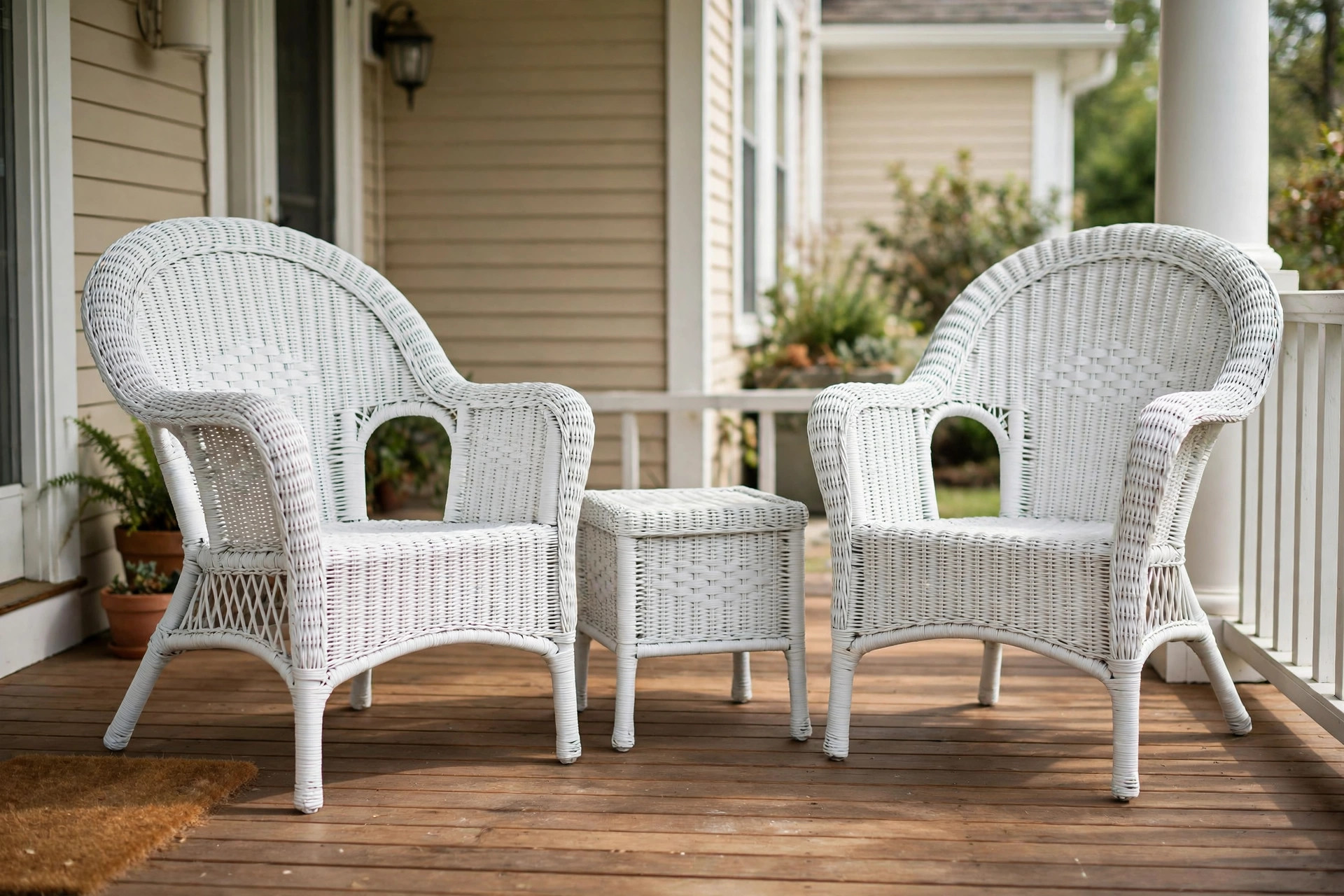

Wicker furniture has a warm place in American homes. Chairs, tables, and settees of woven cane and rattan fill porches, sunrooms, and patios from Florida to Oregon. Yet wicker does not age without cost. Sun bleaches it. Rain dulls it. The weave grows brittle and gray. New wicker is costly, so many owners turn to paint instead. This guide gathers what spray paint for wicker furniture reviews in the USA teach us: which paints hold, how to apply them, and what the job really costs.
Why Wicker Needs the Right Spray Paint
Wicker is not like a flat wood board. It is round, curved, and full of small gaps. A brush cannot reach every surface. Bristles leave drips in the weave, and bare spots show through. Spray paint solves this problem. A fine mist wraps around each strand and coats the hidden sides that brushes miss.
Ordinary house paint is a poor choice for this work. It cracks when the weave flexes. It peels where damp wood moves beneath it. Paint made for wicker stays flexible after it dries. It bonds to the natural fibers and to any old finish that remains. Reviews from American shoppers repeat this point. The right can saves the chair. The wrong can ruins a weekend.
Wicker also faces weather. Porch furniture takes heat, cold, and rain. Paint that holds indoors may flake after one summer outside. Outdoor-rated spray paint resists ultraviolet light and moisture. This is why buyers check labels with care before they spend.
What to Look for When You Choose: Spray Paint for Wicker Furniture Reviews Usa
Bond and Adhesion
Good spray paint for wicker grips the fibers. Look for cans that say they bond to wood, wicker, rattan, or cane. Paint with primer built in saves a step. It sticks to old paint and to bare spots at once. Shoppers in paint review guides note that adhesion is the first thing to fail when paint is poor.
Flexibility After Drying
Wicker bends a little when you sit on it. The strands shift with heat and cold. Paint that dries hard like glass will crack along the weave. Enamel and acrylic formulas made for outdoor use tend to stay slightly flexible. This matters more than shine or brand name.
Weather and UV Resistance
If the furniture lives outside, the paint must fight the sun. Ultraviolet rays break down color and binder alike. Cans marked for exterior use contain UV blockers. Outdoor paint advice often warns that indoor-only paint will fade and chalk within months on a porch.
Finish and Color Choice
Wicker takes many finishes. Flat paint hides flaws in old weave. Satin gives a soft glow that suits porches. Gloss looks sharp but shows every drip. Light colors keep furniture cooler in the sun. Dark colors absorb heat and can stress the fibers. Choose a color that fits the house and the street.
Nozzle Quality
A good nozzle lays down an even mist. A poor one spatters. Many reviews praise cans with adjustable nozzles that switch from wide to narrow spray. Test the nozzle on cardboard before you touch the furniture.
Types of Spray Paint That Work on Wicker
Acrylic Enamel Sprays
Acrylic enamel is the most common pick in American stores. It dries fast, holds color well, and resists water once cured. Most big brands sell an outdoor acrylic enamel line. It works on natural wicker, rattan, and older painted wicker after light sanding.
Paint-and-Primer in One
These cans combine primer and color. They cut the job from three coats to two. For wicker in fair shape, they save real time. For wicker with peeling paint or gray wood, a separate primer still works better. A home improvement guide notes that primer in one is fine for sound surfaces but not for damaged ones.
Chalk-Style Sprays
Chalk-style spray paint gives a soft, matte look. It suits farmhouse and cottage styles. It needs a clear sealer on top for outdoor use. Without sealer, rain will soften it. Indoors, it wears well and touches up with ease.
High-Heat and Specialty Sprays
Most wicker never needs heat-rated paint. But wicker near grills or fire pits may see hot air. In those spots, a heat-tolerant formula lasts longer. Specialty textured sprays can also hide rough weave, though they cost more per can.
How Much Spray Paint You Need
A standard 12-ounce can covers about 20 to 25 square feet with one coat. Wicker drinks paint. The weave has far more surface than it seems. A single chair often needs two cans for two full coats. A chair and table set may need six to eight cans.
Buy more than you think you need. Running out mid-coat leaves a visible line where the new can starts. Cans of the same color from different batches can differ slightly. Stores like a national home center stock the main brands, so extra cans are easy to find.
Cost and Price
Spray paint for wicker costs between four and twelve dollars a can in the United States. Basic brands sit near the low end. Premium outdoor enamels cost more. A simple chair refresh runs about fifteen to thirty dollars in paint. A full porch set of five pieces may cost sixty to one hundred dollars in materials.
Compare that with new wicker. A single outdoor wicker chair often costs two hundred dollars or more. A full set runs past one thousand. Paint is a small fraction of replacement cost. Even with primer, sandpaper, and drop cloths, the whole job stays under one hundred fifty dollars for most sets.
Professional painters charge more. A paint cost guide shows that pros price by the hour plus materials. For wicker, expect one hundred to three hundred dollars for a small set. Most owners do the work themselves. The skill needed is modest. Patience matters more than talent.
If you are weighing this against bigger home projects, it helps to know typical service costs too. Readers also compare prices through resources like the best exterior house painting cost estimator usa and kitchen cabinet refinishing service cost usa before they decide between paint and replacement.
How to Spray Wicker Furniture Step by Step
Clean the Weave First
Dirt and old wax block paint. Scrub the wicker with warm water and mild soap. Use a soft brush to reach into the weave. Rinse and let the piece dry fully. This may take a full day in humid air. Paint on damp wicker will blister.
Sand Lightly
You do not need to strip old paint. Scuff the surface with fine sandpaper, about 220 grit. This gives the new paint a grip. Wipe off the dust with a damp cloth. Let it dry again.
Prime Bare Spots
If the old paint is sound, a paint-and-primer spray may be enough. If bare wood shows, use a bonding primer on those spots. Spray primer in thin passes. Thick primer fills the weave and looks lumpy.
Spray in Thin Coats
Shake the can for a full minute. Hold it eight to ten inches from the surface. Move in slow, steady passes. Turn the piece as you work so the mist reaches all sides. Two or three thin coats beat one thick coat. Thick coats drip and fill the gaps that make wicker look like wicker.
Let each coat dry to the touch before the next. In warm, dry air, this takes about an hour. In cool or damp air, wait longer. A paint brand guide advises that rushing coats is the top cause of peeling later.
Cure Before Use
Paint feels dry long before it is hard. Most spray enamels cure in 24 to 48 hours. Full hardness may take a week. Do not sit on fresh wicker right away. Set the piece in a dry spot and wait. The wait pays off in years of extra life.
Care and Upkeep
Painted wicker needs little care. Dust it with a soft brush or a damp cloth. Wash it once or twice a year with mild soap and water. Rinse gently. A hard spray from a hose can lift paint at the edges.
Check the finish each spring. Look for chips where the weave flexes most, usually at the seat and arm joints. Touch up small chips with a matching can before they spread. A quick touch-up each year keeps the whole piece looking fresh.
Store wicker under cover in winter where you can. Snow and ice are hard on any finish. If the piece must stay outside, a breathable furniture cover helps. Plastic tarps trap moisture and can cause mildew under the paint.
Safety
Spray paint fumes are strong. Work outside or in a garage with the doors open. Wear a respirator mask rated for paint vapors, not just a dust mask. Wear gloves and eye protection. Keep the cans away from heat and open flame.
Keep children and pets away from the work area until the paint cures. Wet paint is toxic if touched or chewed. Dried, cured paint is safe for normal use. A safety-minded decorating guide reminds readers that ventilation is the single most important safety step in any spray project.
Dispose of empty cans per local rules. Many towns take them at household waste events. Do not puncture or burn a can, even when it seems empty.
Frequently Asked Questions
Can I spray paint wicker without sanding?
Light scuffing is best, but you can skip heavy sanding. Clean the piece well and use a bonding primer spray. Reviews show this works on wicker in fair shape. On flaking or glossy old paint, sanding is worth the time.
How long does spray paint last on outdoor wicker?
Expect three to five years on a covered porch and two to four years in full sun and rain. Quality outdoor enamel lasts longer than cheap general-purpose paint. Touch-ups each spring extend the life further.
What is the best color for wicker furniture?
White and off-white remain the top picks in the USA. They suit porches and brighten shade. Gray and navy are popular for modern patios. Natural tan stains also work where owners want a wood look. Dark colors show dust and absorb heat.
Should I use a brush instead of a spray can?
A brush works on flat wicker panels, but spray wins on woven pieces. The mist reaches behind strands that a brush cannot touch. Many owners spray the weave and brush only the flat frame parts. A furniture paint review notes that spray gives the most even finish on deep weave.
How many cans do I need for a wicker chair?
Plan on two cans per chair for two coats. Large settees may need three or four cans. Buy one extra can for touch-ups later. Batch color can shift slightly between purchases, so store the spare from the same batch.
Can I paint wicker that has mildew on it?
Yes, but clean it first. Scrub with a mix of water and white vinegar or a mild bleach solution. Rinse well and dry fully. Paint over live mildew will peel, and the stain may bleed through light colors. A primer-sealer helps block old stains.
A Final Word
Spray paint for wicker furniture is one of the best bargains in home care. A few cans, a free weekend, and some patience can return tired wicker to service for years. The reviews from American shoppers agree on the basics: clean well, spray thin coats, choose outdoor-rated paint, and let it cure. Do that, and the porch will look new by Monday.
Before larger paint projects, some owners also check local pro options through resources like interior house painters near me reviews. For wicker, though, the spray can in your own hand is usually all you need. A color and finish guide can help with the final shade choice when you stand in the paint aisle.
References
Behr. (n.d.). Paints, primers, and stains. https://www.behr.com Benjamin Moore. (n.d.). Paints and stains. https://www.benjaminmoore.com Bob Vila. (n.d.). Home improvement advice. https://www.bobvila.com HGTV. (n.d.). Home and garden ideas. https://www.hgtv.com Lowe’s. (n.d.). Home improvement products. https://www.lowes.com Sherwin-Williams. (n.d.). Paints and coatings. https://www.sherwin-williams.com The Home Depot. (n.d.). Home improvement products. https://www.homedepot.com The Spruce. (n.d.). Home and garden advice. https://www.thespruce.com This Old House. (n.d.). Home renovation guidance. https://www.thisoldhouse.com
Was this guide helpful?

About James Carter
The My Garden US editorial team writes practical, in-depth home and garden guides for American homeowners — tested advice, no fluff.
You May Also Like

Drylok vs Behr Basement Paint Comparison
February 24, 2026 0 views
How Long Does Exterior Paint Last in the USA?
March 17, 2026 0 views
Floral Wallpaper for Bedroom for Sale USA: A Buyer’s Guide
September 10, 2026 0 views