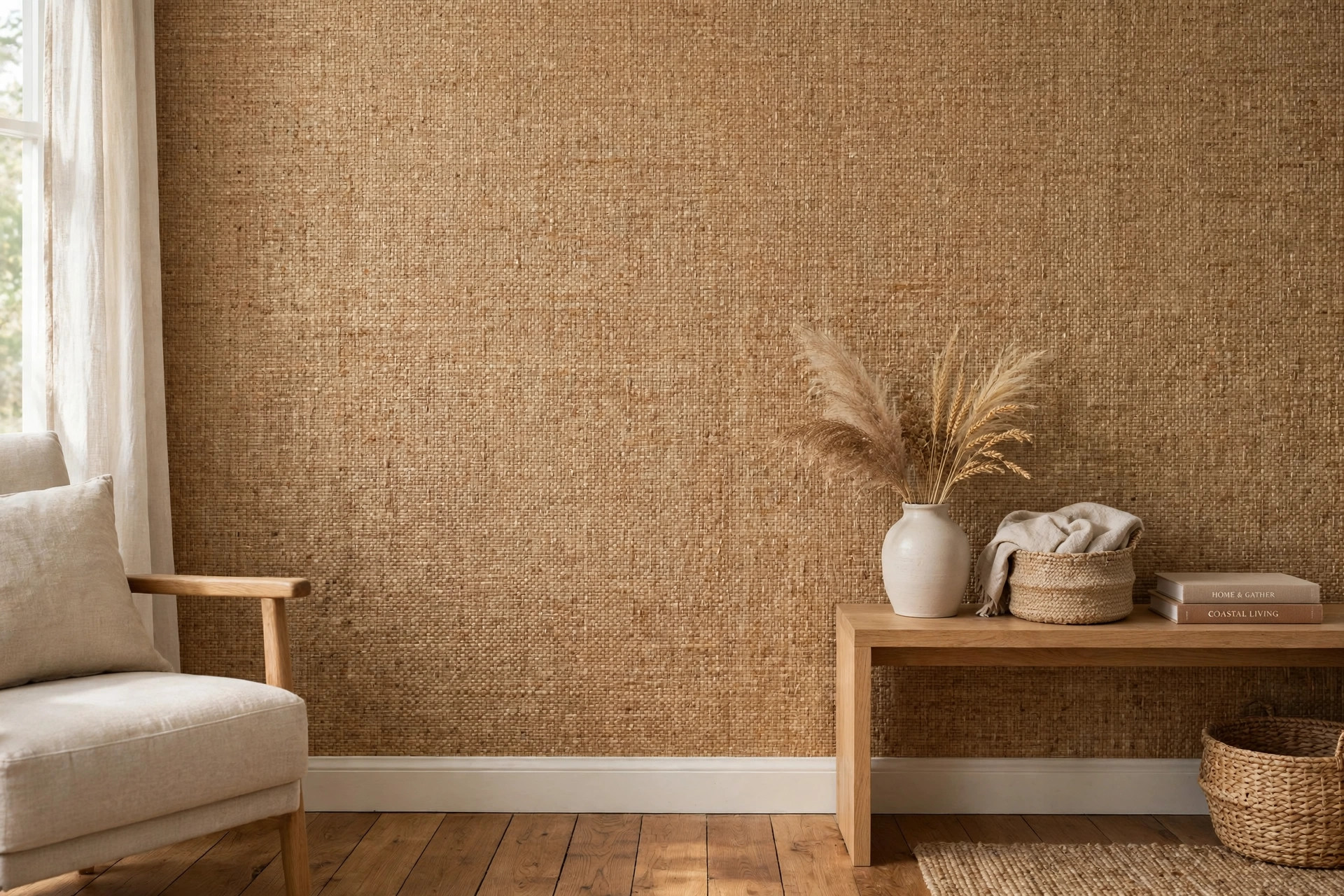

A home feels different when the walls carry real texture. Grasscloth wallpaper installation near me is a search many owners run when they want walls that look warm and natural. Grasscloth is woven from plant fibers like jute, sisal, hemp, and arrowroot. Each panel has a texture you can see and feel. No two rolls look exactly alike, and that is part of the charm.
Most people do not hang this paper themselves. The fibers tear easily, the seams show if handled wrong, and the dye lots shift from roll to roll. A skilled paperhanger makes the job look clean. This guide walks you through why the material matters, what to look for in a local installer, the types on the market, the cost, daily care, and safety notes. By the end you will know how to hire with confidence.
Why Grasscloth Matters for Your Walls
Paint gives color. Grasscloth gives depth. In a room with strong daylight, the woven strands catch the light and move with it. In a dim room, they soften the walls and warm the space. Designers have used this material for decades in dining rooms, studies, and master bedrooms. It sits well behind bookshelves and beside wood trim.
The material is also honest. It does not pretend to be flat and perfect. Small knots and shifts in tone come from the plant itself. People who like calm, natural interiors choose it for that reason. It pairs with linen, wood, stone, and wool without a fight. If your home leans toward simple and warm, grasscloth often fits better than bold printed paper.
There is another reason to think about grasscloth wallpaper installation near me before you buy the rolls. The paper is harder to remove than paint, and it costs more. A bad hang means wasted money. The installer is as important as the paper.
How to Find a Good Local Installer: Grasscloth Wallpaper Installation near Me
Start with paperhangers who name grasscloth as a specialty. General painters can hang it, but woven fibers behave unlike vinyl or pre-pasted paper. Ask how many grasscloth jobs they have done in the past year. Ask what brands they like and why. A practiced hand will answer without pause.
Read reviews that mention wallpaper, not just painting. Look at photos of finished seams. Seams are the test. On grasscloth, each strip must be cut from the roll in order and hung in order, so the tone flows down the wall. Installers call this working in sequence. If one panel is reversed, the shade will flip and the seam will stand out.
Get three quotes when you can. Each visit should include a look at the walls. Good installers check for bumps, cracks, and old paste. They talk about priming and lining. They measure twice and note where full strips will land. Anyone who quotes by phone alone, without seeing the room, is guessing.
Ask about insurance and a written scope. The scope should list the number of strips, the wall prep, the primer, the liner if any, and the cleanup. Also ask about timing. Grasscloth rooms are often done in two or three days: one for prep, one for the hang, and a short return visit to check the seams after the paste cures.
What to Look For When You Choose the Paper
Not all grasscloth is alike. Fine weaves look almost smooth from across the room and suit small spaces. Heavy weaves show thick strands and suit large rooms with high ceilings. Paper-backed grasscloth is the common choice for homes. It is stronger and easier for the installer to handle. Unbacked grasscloth is thinner and harder to hang.
Color matters more than people expect. Natural tones range from pale straw to deep bark. Dyed grasscloth comes in grays, blues, and greens. Remember that dye lots vary. Order all rolls from the same lot number, and order one extra roll for repairs. Ten percent extra is the usual rule.
Check the fire rating and the care notes on the label. Some products carry a Class A fire rating for use in halls and stairways. The label also tells you whether the paper can take light cleaning. Keep the label and the lot numbers in a folder. If you ever need a repair, you will want them.
Before you order, ask the installer how they want the paper delivered. Most want it at the job site a few days early. This lets the rolls rest in the room and adjust to the air. That small step helps prevent shrinkage after the hang.
Types and Options on the Market
Grasscloth comes from many plants. Jute gives a soft, fine weave. Sisal gives a coarse, strong weave with thick strands. Hemp sits between the two. Arrowroot gives a fine, even look. Some makers blend fibers for a mix of tones. You will also see paper-weave products that copy the look at a lower price. They hang easier but feel flatter to the touch.
Beyond grasscloth, natural wall coverings include cork, silk, and wood veneer. Cork adds warmth and some sound softening. Silk gives a rich sheen but stains easily. Wood veneer brings a paneled look without real paneling. Each has its own install rules, so do not assume a grasscloth installer will hang silk the same way. Ask first.
For plain walls nearby, paint remains the simple option. Guides to dry erase wall paint reviews for offices can help if you need a writable wall in a work room. Owners planning a media room sometimes pair grasscloth with acoustic wall panels for home theater usa to cut echo. And if your older home needs paint work first, check lead paint removal service cost usa before any paper goes up.
Resources like The Spruce carry plain-language guides on wall coverings, while This Old House shows how pros prep old plaster before a hang. Paint makers such as Sherwin-Williams, Benjamin Moore, and Behr publish prep and primer charts that your installer may follow.
Cost and Price: What to Expect
Price has two parts: the paper and the labor. Grasscloth runs higher than printed paper. Entry rolls may cost a modest amount per roll, while fine hand-woven rolls can cost several times more. A single accent wall may take three to five rolls. A full room may take eight to fifteen, based on size and waste.
Labor for grasscloth wallpaper installation near me usually costs more than for vinyl. Expect the installer to charge by the roll or by the strip, and expect a full day of wall prep to be priced on top. Prep is not filler work. Old paste must come off, holes must be filled, and walls must be primed. Some walls get a blank lining paper first. Lining gives the paste an even grip and stops the old wall color from showing through the weave.
Ask for a fixed price, not an open hourly rate. The quote should break out prep, primer, liner, the hang, and any repairs. Ask what happens if a strip is damaged during the hang. A fair contract says who pays for the extra roll. Keep one full spare roll on site. That spare is cheap peace of mind.
Big-box stores like Home Depot and Lowe’s stock tools, paste, and some natural wall coverings, which helps you compare material prices. For how-to context on tricky hangs, Bob Vila and HGTV both run step-by-step wallpapering features.
Care and Upkeep After the Hang
Grasscloth asks for gentle care. Dust it with a soft brush or a dry cloth. Work from the top of the wall down so dust falls away from clean strips. A vacuum with a soft brush head also works if you keep the suction low. Never scrub it with water. Wet fibers can stain, stretch, or loosen at the seams.
Keep the room air steady. Big swings in humidity make natural fibers swell and shrink. In damp climates, a small dehumidifier helps. In dry winters, do not place a strong heater right against a grasscloth wall. The heat can dry the paste and lift the edges.
Stains need fast, light action. Blot, do not rub. A dry sponge or a soft eraser made for walls can lift a smudge. For grease, a small amount of dry cleaning powder on a cloth may help, but test it first in a hidden corner. If a strip tears or peels, call the installer. Repairs done with a spare roll from the same lot blend far better than patches from a new lot.
Every year or two, walk the room in daylight and look along the seams. Small lifts can be re-glued with a thin seam adhesive before they grow. This short check takes ten minutes and keeps the walls sharp.
Safety Notes Worth Knowing
Wallpaper work is low risk, but a few points matter. In homes built before 1978, old paint under the paper may hold lead. Do not sand or scrape old layers until you know they are safe. A lead test kit or a certified inspector can settle the question. Your installer should follow safe work rules if lead is found.
Keep the room aired while paste and primer are open. Most modern pastes are low odor, but primer can smell strong. Keep children and pets out of the room until the walls are dry. Read the paste label for dry time and skin contact notes.
Ladders and tall walls bring the usual fall risk. A pro brings the right scaffold or tall ladder. If you do any prep yourself, keep three points of contact on the ladder and never stretch past arm’s reach. Move the ladder instead.
Check local fire rules for halls, stairs, and rental units. Some codes ask for a rated wall covering in exit paths. The product label states the rating. Keep that label with your home records in case an inspector asks.
FAQ
How long does grasscloth wallpaper installation take? A single wall often takes one day. A full room takes two to three days with prep. The installer may return once more to check the seams after the paste sets.
Can grasscloth go in a bathroom or kitchen? Most makers say no for wet rooms. Steam and splashes stain the fibers. For a powder room with no shower, some installers will do it if the room vents well. Ask your installer and read the product label first.
Will the seams show? Good work keeps seams quiet, but grasscloth seams are never as hidden as paint. Fine weaves hide seams better than coarse weaves. Working the strips in sequence from the same lot keeps the tone even.
Can I hang grasscloth myself? A patient do-it-yourselfer can hang printed paper, but grasscloth punishes small errors. Torn fibers, reversed strips, and short rolls are common first-time mistakes. Most owners are happier hiring a pro for this material.
How do I clean grasscloth walls? Dust only. Use a soft dry cloth or a brush, top to bottom. Do not use water or spray cleaners. Blot stains gently and test any cleaning powder in a hidden spot first.
Does grasscloth raise home value? It can help a listing stand out, since buyers notice texture and craft. Value gains are hard to prove, and bold colors may narrow the buyer pool. Neutral weaves are the safer bet if you plan to sell soon.
A Short Final Word
Grasscloth is a slow material in a fast world. It takes care to choose, care to hang, and light care to keep. The reward is a wall with depth that paint cannot give. Take your time with the search for grasscloth wallpaper installation near me. Read the reviews, meet the installer, order from one dye lot, and keep a spare roll. Do those four things and the room will look right for years.
References
Behr. (n.d.). Paints, primers, and stains. https://www.behr.com Benjamin Moore. (n.d.). Paints and stains. https://www.benjaminmoore.com Bob Vila. (n.d.). Home improvement advice. https://www.bobvila.com HGTV. (n.d.). Home and garden ideas. https://www.hgtv.com Lowe’s. (n.d.). Home improvement products. https://www.lowes.com Sherwin-Williams. (n.d.). Paints and coatings. https://www.sherwin-williams.com The Home Depot. (n.d.). Home improvement products. https://www.homedepot.com The Spruce. (n.d.). Home and garden advice. https://www.thespruce.com This Old House. (n.d.). Home renovation guidance. https://www.thisoldhouse.com
Was this guide helpful?

About Lisa Anderson
The My Garden US editorial team writes practical, in-depth home and garden guides for American homeowners — tested advice, no fluff.
You May Also Like
Log Cabin Staining Cost Near Me: A Practical Guide for Cabin Owners
January 19, 2026 0 views
Best Dark Paint Colors for Bedrooms in the USA
January 14, 2026 0 views
Textured Wall Finish Contractors Near Me: A Plain Guide to Hiring Right
May 18, 2026 0 views