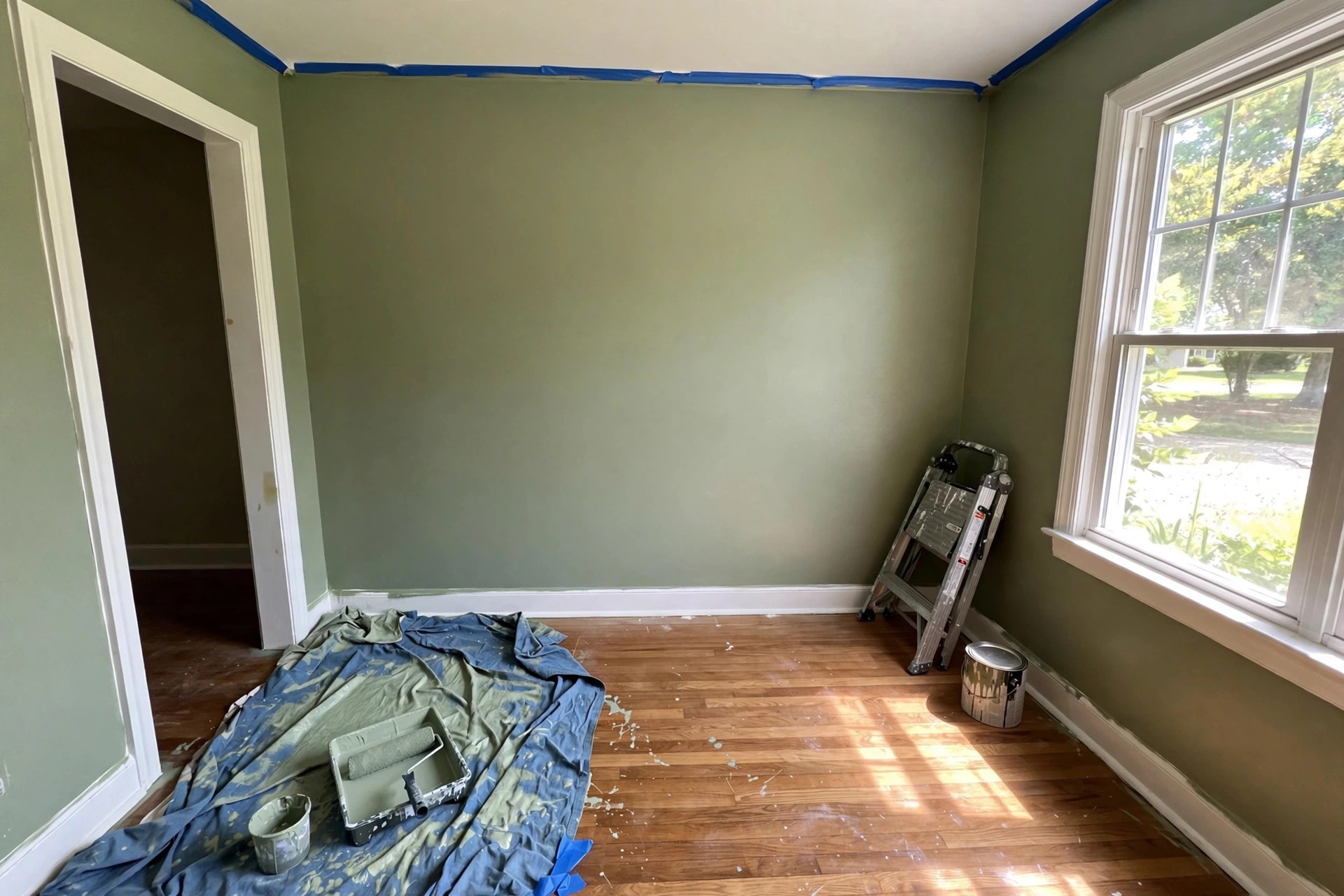

A fresh coat of paint can change the whole feel of a home. It can make a tired room look new. It can raise the value of a house before a sale. But the job is only as good as the person who does it. This how to hire a house painter usa guide walks through each step of the process, from the first bid to the final walkthrough, in plain terms any homeowner in the United States can follow.
Why the Right Painter Matters
Paint is one of the cheapest ways to improve a home, but bad paint work is easy to spot and hard to fix. Drips on trim, uneven color, and paint that peels in a year are common signs of a rushed job. A good painter does far more than roll color on a wall. He or she repairs drywall, caulks gaps, primes bare spots, protects floors and furniture, and applies paint in even coats that last.
Hiring well also protects your money. Exterior jobs in the United States can cost several thousand dollars. A licensed, insured painter with written terms gives you a path to fix problems if something goes wrong. A cash-only worker with no paperwork gives you none.
Take time at the start. The hour you spend checking a painter now can save you weeks of trouble later.
Decide What You Want Painted: How to Hire a House Painter Usa Guide
Before you call anyone, walk through your home and make a list. Note each room, each wall, and each piece of trim. Decide whether ceilings are included. Decide whether doors, baseboards, and window frames are part of the job. For exterior work, note siding, shutters, doors, porches, and fences.
Think about the finish you want. Flat paint hides wall flaws but is hard to clean. Eggshell and satin work well in living rooms and hallways. Semi-gloss stands up to scrubbing in kitchens and bathrooms. A guide to paint finishes from BEHR can help you match sheen to each room.
Color choice matters too. Many painters will paint a sample swatch on your wall so you can see the color in morning and evening light. Major brands such as Sherwin-Williams and Benjamin Moore offer color tools and sample sizes that make this easy.
A clear list helps every bidder price the same job. When three painters quote the same list, you can compare with confidence.
How to Find Painters
Start with people you trust. Ask neighbors, friends, and coworkers who painted their homes. A name that comes up twice is worth a call. Local hardware store staff often know which painters buy quality paint and which ones cut corners.
Online directories can help you widen the list. Read the full text of reviews. A pattern of praise for clean work and on-time arrival means more than a single five-star rating.
Aim for three to five painters to bid. Fewer than three gives you no basis for comparison. More than five turns the process into a chore and wastes the time of honest tradespeople.
Check Licenses and Insurance
This step is the heart of any sound how to hire a house painter usa guide. Rules differ by state. Some states require a contractor license for painters. Others leave licensing to cities or counties. A few states require no license at all. Check your state contractor board website to learn what applies where you live.
Always ask for two kinds of insurance:
– General liability insurance. This pays if the painter damages your property, such as spilling paint on hardwood floors. – Workers’ compensation insurance. This covers the painter’s crew if a worker is hurt on your job. Without it, an injured worker might seek payment from you.
Ask for proof. A real pro will send you a certificate of insurance from the insurer. If a painter says insurance is not needed, or promises to get it later, move on to the next name on your list.
Get Written Bids
Invite each painter to walk the job in person. A bid given over the phone, without seeing the walls, is only a guess. During the visit, point out every item on your list. Mention repairs you know about, such as cracked drywall or peeling trim.
Ask each bidder to put the quote in writing. A good written bid should state:
1. The full scope of work, room by room. 2. The brand, line, and number of coats of paint. 3. The prep work included, such as patching, sanding, caulking, and priming. 4. The start date and the expected finish date. 5. The total price and the payment schedule. 6. The warranty on labor, if any.
Be wary of bids that are far below the others. A very low price often means thin paint, skipped prep, or no insurance. Be wary of bids that are far above the others with no clear reason. The middle of the range is usually where the honest, skilled painters sit.
Questions to Ask Each Painter
A short interview tells you a lot. Ask these questions:
– How long have you been painting houses full time? – Will you do the work yourself, or will a crew do it? – Who supervises the crew on site each day? – What paint brands do you use, and why? – How do you protect floors, furniture, and landscaping? – How do you handle lead paint in older homes? – What is your policy if I am not happy with part of the job?
Listen for clear, direct answers. Vague replies about paint brands or prep work are a warning sign. Home service guides from The Spruce suggest checking a contractor’s track record the same way.
Compare Paint Quality
Paint is not all the same. Cheap paint covers poorly and may need three coats where good paint needs two. That extra labor can cost more than the savings on the paint itself. Ask each bidder which paint line they plan to use, not just the brand name. Within one brand, the top line can be far better than the budget line.
Retailers such as The Home Depot and Lowe’s carry both contractor-grade and premium paints. If you want a painter to use a specific premium line, say so in the bid request so every quote covers the same materials.
Understand Cost and Price
House painting prices in the United States vary by region, home size, and job difficulty. As a rough guide, interior painting often runs two to six dollars per square foot of floor space. Exterior work often runs one and a half to four dollars per square foot of painted surface. Tall walls, steep roofs, heavy repairs, and dark-to-light color changes all push the price up.
A bid should break the price into labor and materials, or at least state what is included. Ask how extras are handled. If the painter finds rotted wood behind peeling trim, you want a clear per-hour or per-item rate agreed in advance, not a surprise at the end.
Payment terms matter. A small deposit of ten to thirty percent is normal. Never pay the full amount up front. Hold back the final payment until you have walked the finished job and every item on your punch list is done.
For more on what paint should last once the job is done, see our guide on how long exterior paint lasts in the USA.
Read the Contract Before You Sign
A contract protects both sides. It should repeat everything in the bid: scope, paint, prep, dates, price, payment terms, and warranty. It should give the painter’s full business name, address, and license number. It should state who buys the paint and who cleans up each day.
Read the fine print on changes. Any change to the work after the contract is signed should be written up as a change order with its own price. Verbal promises about extra work are the most common source of disputes.
Keep a copy of the signed contract, the insurance certificate, and all receipts. If a problem arises months later, these papers are your proof.
Prep Your Home Before Painting Day
Good painters do their own prep, but you can speed the job by clearing rooms. Move small furniture out. Take pictures and wall hangings down. Clear counters and shelves. For exterior work, trim bushes back from the walls and move patio furniture away from the house.
If you have pets, plan where they will stay during work hours. Paint fumes, open doors, and ladders are a poor mix with curious animals.
Safety on the Job
Painting looks simple, but it carries real risks. Ladders, scaffolds, and roof work can cause falls. Sanding old paint can release dust. Homes built before 1978 may contain lead paint, and federal law requires special handling when lead paint is disturbed. Ask your painter how they test for lead and what precautions they take.
Make sure the work area stays ventilated. Open windows when weather allows. Keep children away from wet paint and work zones. A careful painter sets up drop cloths, tapes edges, and cleans tools at day’s end. These habits are signs of a pro.
Decorating advice from HGTV often notes that safe prep is part of a good finish, and the same care applies when a hired painter does the work.
During the Job: Stay in Touch
You do not need to watch every brush stroke, but check in daily. Walk the work area at the end of each day. Look for missed spots, paint on glass or floors, and trim lines that are not straight. Raise concerns early, while they are easy to fix.
Keep a simple written log of what was done each day and any promises the painter made. Most delays are honest, such as rain on exterior work, but you still want the plan updated. The renovation guides at This Old House note that written schedule updates prevent most contractor disputes.
The Final Walkthrough
Do not make the final payment until you walk the whole job with the painter. Bring your original list and the contract. Check each room in daylight. Look at walls from an angle, which shows flaws that flat-on views hide. Open and close doors and windows to check for paint-sealed edges.
Make a punch list of every item that needs a touch-up. A good painter fixes these without argument. Only when the punch list is complete should you release the final payment. Ask for any leftover paint, labeled by room, so you can do small touch-ups yourself later.
Care and Upkeep After Painting
Fresh paint needs a little time to harden. Most latex paints feel dry in hours but take two to four weeks to cure fully. Treat new paint gently during that time. Wait before scrubbing walls or hanging heavy items.
For cleaning, use a soft cloth and mild soap. Touch up nicks with your leftover paint, applied with a small brush in thin coats.
When old wallpaper stands in the way of a new paint job, removal tools can help. Our review of steamer wallpaper removal tools in the USA covers options for that messy first step. And if you want a no-paint change in a small space, read about temporary wallpaper for dorm rooms in the USA.
Frequently Asked Questions
How much does it cost to hire a house painter in the USA? Interior jobs often run two to six dollars per square foot of floor space. Exterior jobs often run one and a half to four dollars per square foot of painted surface. The final price depends on your region, the size of the home, the condition of the surfaces, and the quality of paint used.
Should I buy the paint or let the painter buy it? Most painters prefer to buy the paint themselves. They often get contractor discounts and they know which products work well. If you buy it, you may pay retail price and you take on the risk if the painter dislikes the product. Either way, agree in writing on the exact brand and line.
How long does a professional paint job take? A single room can take one to two days, including prep. A whole house interior can take one to two weeks. Exterior jobs take three days to two weeks depending on size, weather, and repairs. Ask for start and finish dates in the contract.
Do I need to be home while the painter works? Not always. Many homeowners give the painter a key or a garage code after the first day. Make sure valuables are secured and that you have a way to reach the painter by phone. Do a daily check of the work, in person or through photos.
What should I do if I am unhappy with the paint job? Raise the issue as soon as you see it. Point to the specific spots during the final walkthrough and put them on a written punch list. A reputable painter will fix defects covered by the contract and warranty. If the painter refuses, your contract and photos are the basis for a complaint with your state contractor board.
A Short Final Word
Hiring a house painter is a simple process when you take it step by step. Define the job. Get three to five written bids. Check licenses and insurance. Ask direct questions. Read the contract. Walk the finished work before you pay in full. Follow this how to hire a house painter usa guide and you will end up with walls you are proud to show, done by a painter you would hire again.
References
Behr. (n.d.). Paints, primers, and stains. https://www.behr.com Benjamin Moore. (n.d.). Paints and stains. https://www.benjaminmoore.com HGTV. (n.d.). Home and garden ideas. https://www.hgtv.com Lowe’s. (n.d.). Home improvement products. https://www.lowes.com Sherwin-Williams. (n.d.). Paints and coatings. https://www.sherwin-williams.com The Home Depot. (n.d.). Home improvement products. https://www.homedepot.com The Spruce. (n.d.). Home and garden advice. https://www.thespruce.com This Old House. (n.d.). Home renovation guidance. https://www.thisoldhouse.com
Was this guide helpful?

About Sarah Mitchell
The My Garden US editorial team writes practical, in-depth home and garden guides for American homeowners — tested advice, no fluff.
You May Also Like
House Painting Estimate Free Near Me: What Every Homeowner Should Know
May 28, 2026 0 views
Tropical Wallpaper for Sunroom Reviews USA: A Simple Guide
May 2, 2026 0 views
Refinishing Hardwood Floors vs Painting: Which Is Right for Your Home
June 20, 2026 0 views