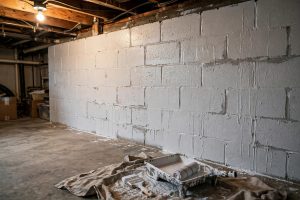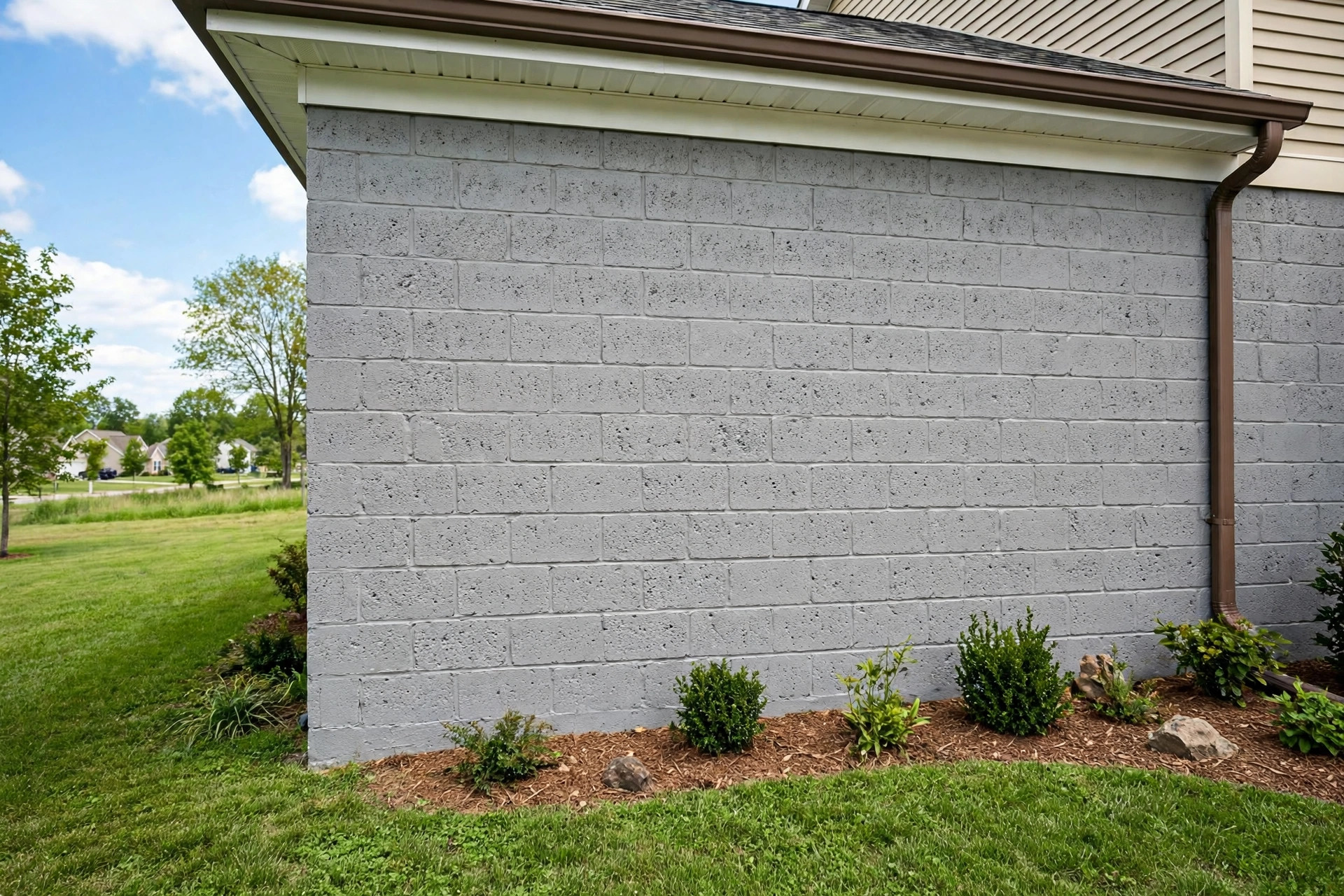

Many American homes stand on cinder block walls. These walls are strong and cheap to build. They also look plain and rough. Rain, sun, and frost wear them down year after year. The best paint for cinder block exterior usa walls is a paint made for masonry. It fills small holes. It bends with the block. It keeps water out. This guide will help you pick it, put it on, and keep it looking good for many years.
Why the Right Paint Matters for Cinder Block
Cinder block is not like wood or drywall. It is a hard, porous block of concrete. Water moves in and out of it. When water gets trapped inside, paint peels off in sheets. Ordinary house paint cannot hold on to this surface. It needs a special formula.
The right masonry paint forms a thick coat. It sinks into the tiny holes in the block. It lets the wall breathe a little. That means water vapor can leave, but rain cannot get in. A wall painted with the best paint for cinder block exterior usa can last ten years or more before it needs a fresh coat. A wall painted with the wrong paint may peel in a single season.
Good paint also cuts down on maintenance. It slows the growth of mold and mildew. It protects the mortar joints. It raises the value of the home. Buyers notice a clean, solid-looking exterior wall.
What to Look for When You Choose Paint: Best Paint for Cinder Block Exterior Usa
Not every can marked “exterior paint” will do the job. Read the label. Look for these traits.
First, the paint should say it is made for masonry, concrete, or stucco. These paints have extra resins. The resins grip the rough surface. Standard acrylic house paint may say it works on masonry, but it often lacks the thickness the job needs.
Second, look for alkali resistance. New concrete is high in alkali. Alkali burns through weak paints and causes blistering. A quality masonry paint is made to resist it.
Third, check for water repellency and breathability together. This sounds like a conflict, but the best formulas do both. They shed liquid rain while letting trapped vapor escape.
Fourth, think about sheen. Flat or matte finishes hide the rough texture of block. They are the most common choice. Satin or low-sheen finishes are a bit easier to wash. Gloss is a poor choice for block. It shows every bump and flaw.
Do Not Skip the Primer
Primer matters more on cinder block than on almost any other surface. A masonry primer, sometimes called a concrete block filler, plugs the small holes in the block. One coat of filler does the work of two coats of top paint. It gives the top coat a smooth, even base to grab.
Some painters use a two-step system: block filler first, then topcoat. Others buy a paint-and-primer product made for masonry. Both can work. On very old or very rough block, the separate filler coat is the safer path. It costs more up front, but it saves paint and time later.
Elastomeric Paint Versus Acrylic Latex
You will meet two main paint types at the store. Elastomeric paint is thick and stretchy. It can bridge hairline cracks up to about one-sixteenth of an inch. It builds a heavy coat, often two to three times thicker than standard paint. It is the best choice for older block with small cracks.
Acrylic latex masonry paint is thinner and easier to spread. It is fine for block that is in good shape. It costs less per gallon. Many painters pick it for newer walls. If your wall has cracks wider than a hairline, fix them first with a masonry crack filler before you paint.
Types of Paint for Exterior Cinder Block
There are a few product families to know.
Masonry and stucco paint. This is the standard choice. It is sold by most big paint brands. It goes on with a roller or sprayer. It comes in many colors. For most homes, this is the best paint for cinder block exterior usa needs.
Elastomeric coating. As noted above, this thick coating is built for crack-bridging. It is common in warm, wet climates where block walls crack with heat. It dries to a flexible film.
Waterproofing masonry paint. Some products add a waterproofing agent. They help with walls that take wind-driven rain. Be careful: on a below-grade wall that leaks from inside, no paint will stop the water. A waterproofing paint helps from the outside only.
Mineral and lime paints. These are old-style paints that bond with the block itself. They give a soft, chalky look that suits historic homes. They are harder to find in the United States, and they need skill to apply.
Stick with a quality masonry paint from a known brand. Brand guides from sources like Sherwin-Williams, Behr, and Benjamin Moore can help you compare formulas and colors before you buy.
One more option worth a look is a tinted masonry sealer or stain. These soak into the block instead of forming a film on top. They add color while leaving the rough texture of the block fully visible. They are a good fit for garden walls and retaining walls where you want a natural look. They do not last as long as paint, so plan on a fresh coat every three to five years.
Paint color also plays a part in how long the job lasts. Light colors reflect heat and fade more slowly. Dark colors look bold, but they absorb sun and break down faster. On a south-facing wall, a light color can add years to the paint life. White, cream, and soft gray are the most popular picks for cinder block exteriors in the United States.
Cost and Price
Painting a cinder block wall costs more than painting wood siding. The block drinks paint. A gallon covers far less area than the label says for smooth siding.
Here is what to expect in the United States.
– Masonry block filler or primer: 35 to 60 dollars per gallon. – Quality exterior masonry paint: 40 to 70 dollars per gallon. – Elastomeric coating: 50 to 90 dollars per gallon.
A gallon of masonry paint covers about 200 to 300 square feet on block, once primed. On bare, rough block it may cover only 100 to 150 square feet. A 1,000-square-foot wall may take 6 to 10 gallons of topcoat plus 5 to 8 gallons of primer. Do the math for your own wall before you shop.
Hiring a painter adds labor cost. Pros charge 2 to 5 dollars per square foot for cinder block painting in most regions. The price rises when the wall needs repair, heavy cleaning, or many coats. To plan your budget, you may want to look at a related pricing guide such as stucco painting cost per square foot guide. Retailers like The Home Depot and Lowe’s list current prices for masonry paint and block filler so you can compare before you buy.
How to Paint a Cinder Block Exterior
Good results come from good prep. The paint is only as strong as the surface under it. Follow these steps.
1. Clean the Wall
Wash the wall with a pressure washer or a stiff brush and soapy water. Remove dirt, loose paint, mold, and efflorescence. Efflorescence is the white, chalky salt that forms on block. Scrub it off with a wire brush. If it comes back fast, water is moving through the wall, and you should find the source before painting.
2. Repair Cracks and Mortar
Fill hairline cracks with masonry caulk or crack filler. Repoint loose mortar joints. Patch holes with concrete patch mix. Let all repairs cure fully. Skipping this step lets water sneak behind the paint later.
3. Apply Primer or Block Filler
Roll or spray one full coat of masonry primer or block filler. Push it into the pores. Let it dry as the label directs, usually one to two days in dry weather.
4. Paint Two Coats
Apply two coats of your chosen masonry paint. Use a thick-nap roller or an airless sprayer for even coverage. Let the first coat dry fully before the second. Do not paint in rain or when the wall is hot from direct sun.
Step-by-step guides from This Old House and Bob Vila show the prep and painting process in detail with photos.
Care and Upkeep
A painted cinder block wall asks little of you. Wash it once a year with a garden hose and a soft brush. This removes pollen, dust, and the start of mildew.
Check the wall each spring. Look for chips, cracks, and peeling spots. Touch them up early. A small patch now stops a big peel later. Trim bushes and vines back from the wall. Plants hold moisture against the paint.
Keep gutters and downspouts in good shape. Water that pours down a wall shortens paint life. Direct sprinklers away from the wall too. With these simple habits, a good paint job can last eight to twelve years.
Plan a light touch-up routine every two or three years. Walk around the home and note any small flaws. A quart of matching paint is cheap, and a half hour of touch-up work keeps the whole wall looking new. Store a labeled can of the exact paint you used so the color matches later. Paint stored in a cool, dry place stays usable for many years.
Safety
Painting is safe work, but take basic care.
– Work on dry, stable footing. Ladders on soft ground can slip. – Wear gloves, eye protection, and a dust mask when scraping or pressure washing. – Old block walls may have lead paint from past decades. If the home was built before 1978, test for lead before you scrape or sand. Hire a certified pro for any lead work. – Ventilate well if you use oil-based or strong solvent products, though most masonry paints today are water-based latex.
Home repair advice from The Spruce and project ideas from HGTV often include these safety reminders alongside their painting tutorials.
Frequently Asked Questions
Can I paint cinder block without primer?
You can, but you should not. Primer or block filler seals the pores. It doubles how long the topcoat lasts. Paint applied to bare block soaks in unevenly and peels sooner.
How many coats of paint does cinder block need?
Plan on one coat of primer or block filler plus two coats of topcoat. That is the standard recipe for a lasting finish. Bare block may need extra paint because it absorbs so much.
What is the best time of year to paint exterior cinder block?
Paint when days are mild and dry, usually late spring or early fall. Air temperature should stay between 50 and 85 degrees Fahrenheit during painting and drying. Avoid painting in direct hot sun or when rain is due within a day.
Will paint stop my basement block wall from leaking?
No. Paint on the outside cannot stop water that pushes in from the soil. If your below-grade wall leaks, fix the drainage first. For more on this problem, see basement waterproofing paint reviews and cost guide before you spend money on coatings.
How long does exterior paint last on cinder block?
A quality masonry paint over proper primer lasts eight to twelve years. Harsh sun, heavy rain, and poor prep shorten that life. Elastomeric coatings can last even longer on stable walls.
Can I use a paint sprayer on cinder block?
Yes. An airless sprayer works well on rough block. It pushes paint into the pores faster than a roller. Back-roll after spraying for the most even coat. Protect windows, plants, and walks from overspray.
A Short Final Word
The best paint for cinder block exterior usa homes is a quality masonry paint over a proper block-filling primer. Take time to clean and repair the wall first. Apply two full coats. Then enjoy a clean, tough finish that lasts for years. If the wall needs more than paint, such as crack repair by a pro, you can find local help through resources like exterior brick painting service cost guide.
References
Behr. (n.d.). Paints, primers, and stains. https://www.behr.com Benjamin Moore. (n.d.). Paints and stains. https://www.benjaminmoore.com Bob Vila. (n.d.). Home improvement advice. https://www.bobvila.com HGTV. (n.d.). Home and garden ideas. https://www.hgtv.com Lowe’s. (n.d.). Home improvement products. https://www.lowes.com Sherwin-Williams. (n.d.). Paints and coatings. https://www.sherwin-williams.com The Home Depot. (n.d.). Home improvement products. https://www.homedepot.com The Spruce. (n.d.). Home and garden advice. https://www.thespruce.com This Old House. (n.d.). Home renovation guidance. https://www.thisoldhouse.com
Was this guide helpful?

About Robert Taylor
The My Garden US editorial team writes practical, in-depth home and garden guides for American homeowners — tested advice, no fluff.
You May Also Like
Waterproof Paint for Basement Walls Interior: A Complete Homeowner’s Guide
September 14, 2026 0 views
Painting Brick in Cold Climates: Pros and Cons
August 4, 2026 0 views
Interior Painting Cost per Square Foot 2026: A Plain Guide
August 19, 2026 0 views