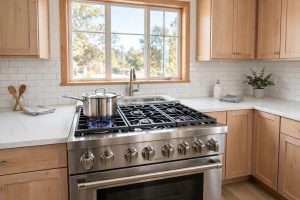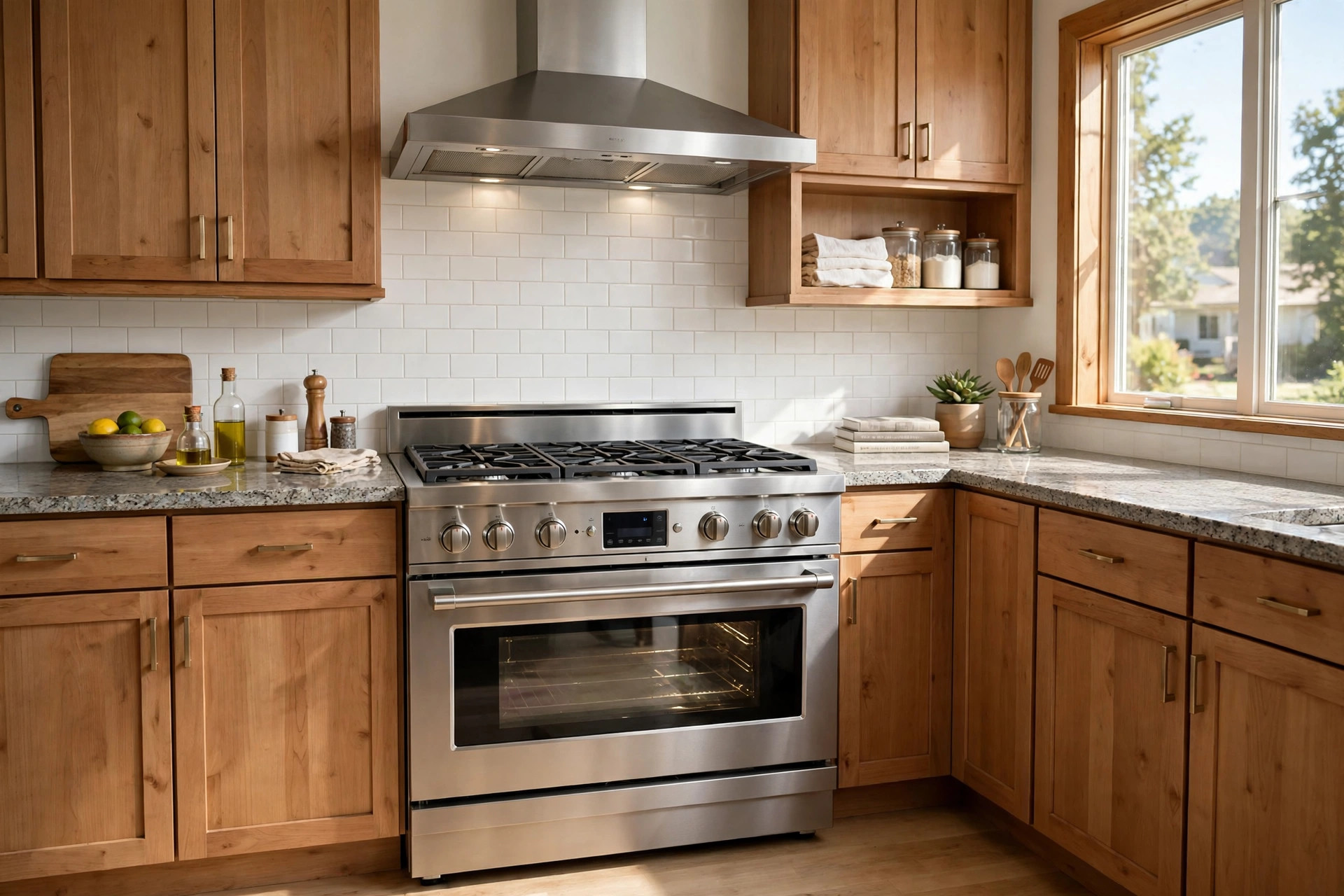

Shopping for dual fuel ranges usa online deals can save a family hundreds of dollars. A dual fuel range is a kitchen stove that burns gas on the cooktop and uses electricity in the oven. Many cooks in the United States like this mix. The gas burners give quick heat control. The electric oven gives steady, even heat for baking.
Online stores now sell these ranges with wide choice and clear prices. A buyer can compare ten models in one evening from the kitchen table. That was hard to do twenty years ago. Back then you had to drive from store to store. Today the deals come to you.
This guide explains what a dual fuel range is, why it matters, how to choose one, and where the real savings are. It covers types, prices, upkeep, and safety. It closes with short answers to common questions. If you are shopping for your first one, or replacing an old stove, this guide will help you shop with care.
Why a Dual Fuel Range Matters
A stove is the heart of the kitchen. Every family uses it each day. The cooktop boils water, fries eggs, and simmers soup. The oven bakes bread, roasts meat, and browns pies. A dual fuel range gives you the best of both fuels.
Gas cooktops respond fast. Turn the knob and the flame drops at once. Cooks who stir-fry or sear meat value that speed. Electric ovens hold one temperature well. Bakers value that steadiness. Cakes rise even. Cookies brown alike on every tray.
Many buyers first meet dual fuel ranges when they read a guide to gas kitchen ranges and learn the limits of gas ovens. Others come from the electric side and want the control of a gas flame. Either way, the dual fuel design solves the problem. It keeps the good parts of each fuel and drops the weak parts.
There is another reason these ranges matter now. Online shopping has made them easier to buy. Prices are listed in the open. Reviews come from real owners. Delivery can bring a 200-pound range to your door. For a buyer in a small town, this is a big change. The nearest appliance store may be fifty miles away. The web store is always open.
How to Choose the Right Dual Fuel Range: Dual Fuel Ranges Usa Online Deals
Start with the facts of your kitchen. Measure the space where the range will stand. Most ranges in the United States are 30 inches wide. Larger models run 36, 40, or 48 inches. Check the height and the depth too. Note where the gas pipe and the electric outlet sit. A dual fuel range needs both. It needs a gas line for the cooktop and a 220-volt outlet for the oven. Many homes lack one of the two. Adding a gas line or a new circuit can cost several hundred dollars. Count that cost in your plan.
Size and Fit
A 30-inch range fits the standard kitchen cutout. It works well for most families. A 36-inch range gives six burners and a wider oven. It suits homes that cook often for guests. Measure twice before you order. Online deals are final once the truck leaves the depot. A wrong size can mean a costly return.
Burner Power
Cooktops list burner power in British thermal units, or BTUs. A low burner may give 5,000 BTU. A high-power burner may give 18,000 BTU or more. Most cooking needs sit in the middle. Look for a mix. One strong burner boils water fast. One weak burner keeps sauce warm without burning it.
Oven Size and Features
Ovens are measured in cubic feet. A standard oven holds about 5 cubic feet. That fits a large turkey. Larger ranges hold two ovens. A second oven is useful at holidays. It lets you bake and roast at once.
Look for self-cleaning. It burns food stains to ash with high heat. Look for convection. A fan moves hot air around the food. It cooks faster and browns more even. Many guides to double wall ovens explain these features in detail. The same ideas apply to a range oven.
Finish and Style
Stainless steel is the most common finish. It looks clean and modern. It shows fingerprints, but a soft cloth fixes that. Black stainless hides prints better. White and slate finishes cost less in some brands. Pick the finish that matches your fridge and dishwasher.
Types of Dual Fuel Ranges
Slide-In Ranges
A slide-in range sits between cabinets. Its controls sit on the front edge. The top edge lines up with the counter. This gives a built-in look. Slide-in models are the most popular type online.
Freestanding Ranges
A freestanding range has a back guard with the controls. It can stand alone or between cabinets. It costs less than a slide-in in most lines. It works well when you do not plan to change the counters.
Pro-Style Ranges
A pro-style range looks like the stoves in restaurants. It is wider and heavier. It has high-BTU burners and big ovens. Brands sell these at a premium. They suit serious home cooks with room to spare.
Ranges With Double Ovens
Some dual fuel ranges split the oven in two. The top oven is small and heats fast. The bottom oven is large and holds big dishes. This design helps at family dinners. It also saves energy when you bake a small dish.
Cost and Price: Finding Real Online Deals
Dual fuel ranges cost more than all-gas or all-electric models. A basic 30-inch model may sell for about $1,500. A mid-range model with convection and self-cleaning may run $2,500 to $4,000. A 36-inch or 48-inch pro-style model can pass $8,000.
Online deals appear in waves. Big sale days fall on Memorial Day, the Fourth of July, Labor Day, and Black Friday. Stores also cut prices when new models arrive in the fall. Open-box deals are another source. These are new ranges with a scratched side or a dented box. The scratch hides against a cabinet. The price drops by a third.
Compare the full cost, not just the sticker. Some stores charge for delivery. Others give free delivery and haul away the old range. Check the return policy. Check the warranty. A five-year warranty on parts can be worth more than a small price cut.
Watch for bundle deals. A store may cut the range price when you buy a fridge or dishwasher from the same brand. If your kitchen needs more than one appliance, this can be the best deal of all. Readers comparing choices often look at dual fuel range buying guides first. Then they watch prices for a few weeks before they buy.
Set a price alert on the model you want. Many web stores let you do this with one click. When the price drops, you get an email. Patience is a real tool here. A $3,000 range may fall to $2,400 in a holiday sale. That is real money.
Care and Upkeep
A dual fuel range lasts a long time with simple care. Wipe the cooktop after each use. Food spills burn onto grates if left. Soak the grates in hot soapy water once a week. Dry them well so they do not rust.
Clean the oven with the self-clean cycle as the manual directs. Never line the oven floor with foil. Foil can melt and damage the heat parts. Wipe the door gasket gently. A torn gasket lets heat escape. The oven then works harder and bakes less even.
Check the gas burners now and then. The flame should be blue with small tips. A yellow flame may mean the ports are clogged. Clean the ports with a soft brush. Do not poke them with metal pins. A bent port burns poor.
Have the range checked by a service worker every few years. Gas lines and seals wear with time. A small leak can be fixed cheap if found early. Keep the manual in a kitchen drawer. It lists the model number you will need when you call for parts.
Safety in the Kitchen
Gas and electricity both need respect. Read the manual before you use the range the first time. Keep curtains, towels, and paper away from the burners. Turn pot handles toward the back of the stove. A small child can reach a handle that points out.
Install a working smoke detector near the kitchen. Install a carbon monoxide detector too. Gas appliances make tiny amounts of carbon monoxide. A detector warns you if the level rises. Test both detectors each month.
Never heat the home with the oven. Never leave a lit burner with no pot on it. If you smell gas, do not light a match. Leave the house and call the gas company from outside. These rules are simple. They have saved many lives.
When children are near, lock the oven door during cooking. The glass gets hot enough to burn. Teach older children the rules of the stove. Show them how to turn a burner off. Show them what to do if a pan catches fire. Cover it with a lid and turn off the heat. Never throw water on a grease fire.
Frequently Asked Questions
Do I need a gas line and a 220-volt outlet? Yes. A dual fuel range needs both fuels. The cooktop burns gas from a gas line. The oven draws power from a 220-volt outlet. If your home lacks one of them, a worker must add it before you buy.
Are dual fuel ranges worth the extra cost? They are worth it if you cook often. The gas cooktop gives fast control. The electric oven bakes more even than a gas oven. If you mostly reheat food, a cheaper all-electric range may serve you as well.
Can I install a dual fuel range myself? You can slide it into place, but you should not connect the gas line yourself. Gas work needs a licensed worker in most states. A bad gas joint can leak. Have a pro make the final hookup and test it.
How long does a dual fuel range last? A good one lasts 15 to 20 years with care. The oven parts may need service first. Burner igniters wear out with time. Keep the model number handy for parts.
Do dual fuel ranges cost more to run? The running cost is close to an all-gas or all-electric range. Gas is often cheap for the cooktop. The electric oven draws more power but bakes faster with convection. The gap in the power bill is small.
Where do the best online deals appear? The best deals appear at large appliance web stores during holiday sales. Open-box and clearance pages are worth a look all year. Price alerts help you catch a short sale before it ends.
A Final Word
A dual fuel range is a strong choice for a family that cooks. It joins the fast heat of gas with the steady heat of an electric oven. The price is higher than a single-fuel stove. But online deals have brought the cost down to reach.
Take your time. Measure your kitchen. Learn what the burners and ovens offer. Read the reviews of real owners. Then watch the price of two or three models you like. When a holiday sale or an open-box deal lands, you will be ready.
Many shoppers learn the market through brand sites like Whirlpool and GE Appliances. They check prices at Home Depot and Lowe’s. They read tests at Consumer Reports. They study how-to notes at This Old House, Bob Vila, and The Spruce. Energy facts at Energy Star help them pick models that waste less power. Design ideas from Bosch Home show what modern kitchens can look like.
A stove stays in your kitchen for twenty years. The hour you spend choosing it well pays you back every day.
References
Bob Vila. (n.d.). Home improvement advice. https://www.bobvila.com Bosch. (n.d.). Home appliances. https://www.bosch-home.com Consumer Reports. (n.d.). Product reviews and ratings. https://www.consumerreports.org ENERGY STAR. (n.d.). Energy efficient products. https://www.energystar.gov GE Appliances. (n.d.). Kitchen and home appliances. https://www.geappliances.com Lowe’s. (n.d.). Home improvement products. https://www.lowes.com The Home Depot. (n.d.). Home improvement products. https://www.homedepot.com The Spruce. (n.d.). Home and garden advice. https://www.thespruce.com This Old House. (n.d.). Home renovation guidance. https://www.thisoldhouse.com Whirlpool. (n.d.). Home appliances. https://www.whirlpool.com
Was this guide helpful?

About Lisa Anderson
The My Garden US editorial team writes practical, in-depth home and garden guides for American homeowners — tested advice, no fluff.
You May Also Like

Kitchen Island Hanging Lights: Reviews and Buying Guide for American Homes
January 7, 2026 0 views
Kitchen Pantry Cabinets for Sale USA: A Practical Buying Guide
June 22, 2026 0 views
Where to Buy Gas Kitchen Ranges in the USA
July 30, 2026 0 views