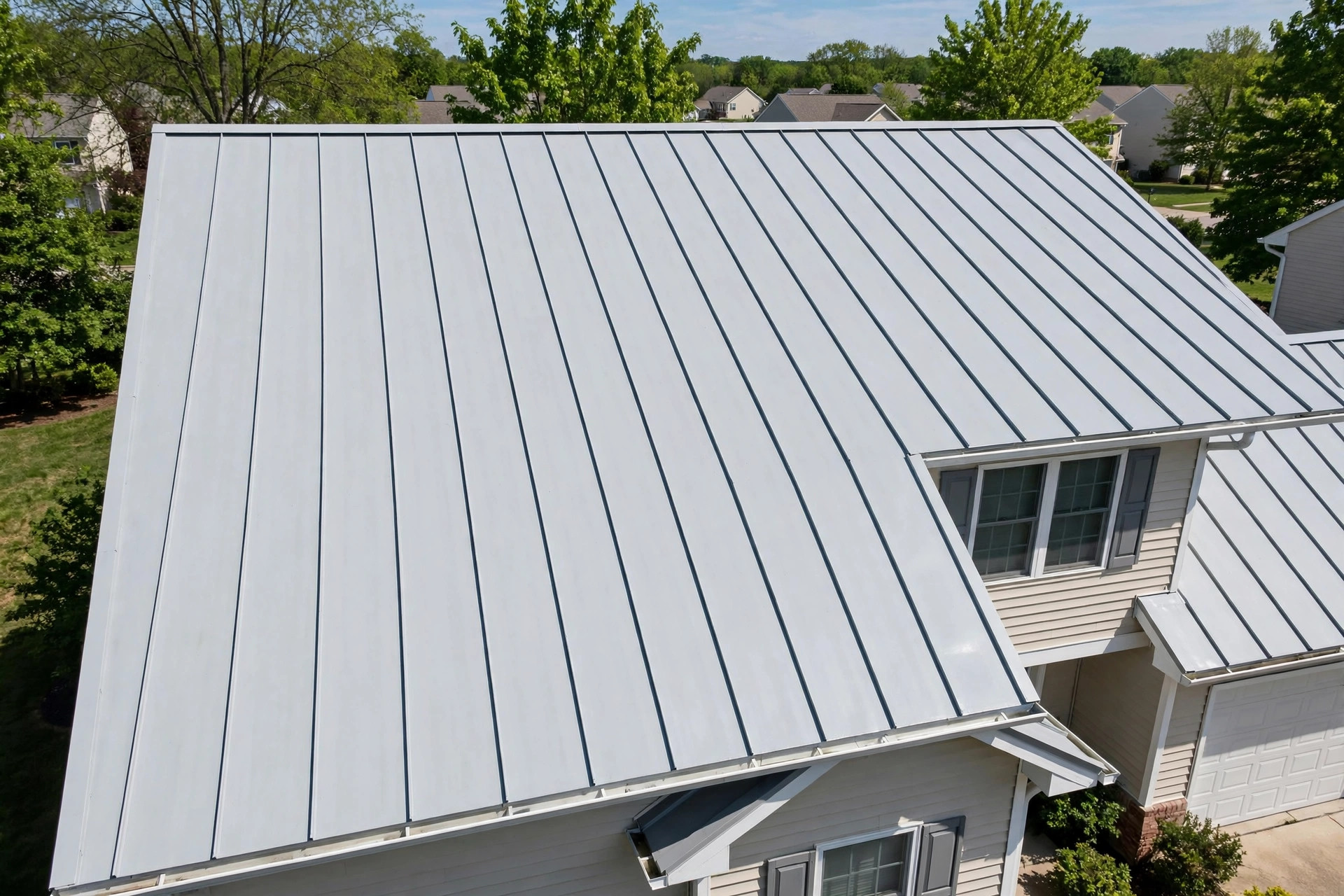

A metal roof can last for decades. But the paint on it does not. Sun, rain, and snow wear the finish down year after year. When the finish fails, rust begins. A good metal roof paint coating can stop that process. It seals the surface. It reflects heat. It adds years of life to the roof. This guide reviews what buyers across the USA say about metal roof paint coatings. It covers the main types, what to look for, cost, how to apply the product, and how to keep the finish in good shape.
Why a Metal Roof Coating Matters
Metal roofs are common across the USA. You see them on farm barns, ranch homes, and new builds. Steel panels hold up well against wind and hail. But every metal roof has one weak point. That is the paint film. When the film breaks down, bare metal meets air and water. Rust follows soon after.
Homeowners in metal roof paint coating reviews USA pages report the same pattern. The paint fades first. Then it chalks. You can rub white powder off the surface with your hand. Next comes peeling around screws and seams. After that, rust spots appear. Each stage makes the next stage worse. Paint peels faster on a chalky surface. Rust spreads under the loose paint.
A quality coating breaks this cycle. It bonds to the old finish and bridges small cracks. It puts down a thick, flexible film that moves with the metal as it heats and cools. Reviews on sites such as This Old House often stress this point. Prep work matters more than the brand. Even the best product fails on a dirty roof.
There is another benefit. A white or light-colored roof coating reflects the sun. It can cut roof surface heat by a large margin. The U.S. Department of Energy notes that cool roofs reflect more sunlight and absorb less heat than standard roofs. In hot states, that can mean lower cooling bills. Homeowners in Texas, Arizona, and Florida bring this up again and again in reviews.
Types of Metal Roof Paint Coatings: Metal Roof Paint Coating Reviews Usa
Not all coatings are the same. Three types dominate the market. Each has strengths and weak points. Knowing the difference will help you read reviews with care.
Acrylic Roof Coatings
Acrylic coatings are the most common choice for home use. They are water based. They are easy to apply with a brush, roller, or sprayer. They clean up with water. Most dry fast and have low odor. Buyers like them because they are simple for a do-it-yourself job.
Acrylics form a tough film that resists fading. Many carry a 10-year warranty. They do best in dry or mild climates. Their weak point is standing water. A flat roof that ponds for days can soften an acrylic film. Most makers say no to use on roofs with poor drainage. Popular retail brands are sold at Home Depot and Lowe’s. Shoppers often compare them side by side in the paint aisle.
Silicone Roof Coatings
Silicone coatings cost more. They also last longer. Their big strength is water. Silicone shrugs off ponding water that would break down acrylic. That makes it the top pick for flat or low-slope metal roofs.
Silicone stays flexible in heat and cold and resists UV light very well. Reviews from commercial building owners praise its long life, with some products claiming 15 to 20 years of service. The trade-off is price. Silicone can cost two to three times more per gallon than acrylic. It also has a strong odor during application. Good ventilation is a must.
Urethane and Urethane-Modified Coatings
Urethane coatings sit between acrylic and silicone in price. They offer strong abrasion resistance. They handle foot traffic well. That matters if you walk on the roof to clean gutters or service a vent. Urethane also resists chemicals and oils. Farmers and shop owners like that trait.
Some products blend urethane with acrylic. These hybrids aim to give better toughness at a fair price. Reviews are mixed. Some buyers love them. Others report uneven results. As with any coating, surface prep makes or breaks the job.
What to Look for When Choosing a Coating
Reading reviews helps, but you still need to judge products by key traits. Here is what to check before you buy.
Elongation and flexibility. Metal expands in heat and shrinks in cold. A coating must stretch with it. Look for an elongation rating of at least 200 percent. Higher is better for standing seam roofs with big temperature swings.
Solids by volume. This tells you how much of the wet gallon stays on the roof. Cheap coatings have low solids. They look thick in the can but shrink down to a thin film. A high-solids product builds a thicker dry film per coat.
Coverage rate. Most metal roof coatings cover 50 to 100 square feet per gallon per coat. Check the label. A product that needs three coats to reach the rated thickness may cost more in the end than a pricier two-coat system.
Color and reflectivity. White and light colors reflect the most heat. Some lines offer solar reflective pigments in darker colors too. If cooling cost is your goal, white is the safe pick.
Warranty terms. Read the fine print. Many warranties cover the coating film only, not leaks. Some require a specific primer and a minimum film thickness. A warranty is only as good as the rules behind it.
Compatibility. If your roof has an old coating, the new one must stick to it. Acrylic goes over most old acrylics. When in doubt, test a small patch and let it cure, then try to peel it. A primer can help bond between different types.
Trusted paint makers publish clear data sheets. Sherwin-Williams and Behr both post technical data online for their coating lines. Benjamin Moore also offers exterior coating guides worth reading. Compare the numbers before you compare the price.
How to Apply Metal Roof Paint Coating
Good results come from good prep. Ask any painter. The coating step is the easy part. The prep is where jobs succeed or fail.
Step 1: Clean the Roof
Start with a pressure washer. Use a wide fan tip and keep the pressure moderate. Too much force can dent thin panels. Wash off dirt, chalk, mold, and loose paint. A roof cleaner or mild bleach mix helps on mildew. Rinse well. Let the roof dry fully. Never coat a damp roof.
Step 2: Treat Rust
Scrape loose rust with a wire brush or grinder. Spot-prime bare metal with a rust-inhibiting metal primer. This step is vital. Skipping it is the top cause of early failure in Bob Vila reader stories and contractor guides alike.
Step 3: Seal Seams and Screws
Run a brushable seam sealer along horizontal seams, end laps, and around fasteners. Use reinforcing fabric over wide gaps. Water finds every weak point. Seal them now.
Step 4: Apply the Coating
Most jobs need two coats. Apply in the morning or evening. Avoid hot midday sun. Hot metal dries the coating too fast. That traps bubbles and hurts adhesion. Work in sections. Keep a wet edge. Check the label for the right roller nap or spray tip.
Step 5: Check the Thickness
Use a wet film gauge while you work. Hit the maker’s target thickness. Thin spots are the first to fail. Let the first coat cure before the second. Cure times change with temperature and humidity, so read the label.
If this sounds like a lot of ladder time, it is. A DIY job on a 1,500-square-foot roof often takes two full days. Hiring a pro adds labor cost but cuts your risk. For a sense of project pricing, a best exterior house painting cost estimator style tool or a local quote helps set a budget. Related coating projects, like the ones covered in garage floor epoxy coating kit reviews, show the same lesson. Prep and thickness decide the outcome.
Cost and Price
Price is a top concern in metal roof paint coating reviews USA shoppers write. Let us break it down in plain terms.
Acrylic roof coatings often sell for 40 to 80 dollars per five-gallon pail at retail. That is 8 to 16 dollars per gallon. Silicone products run 150 to 300 dollars per five-gallon pail. Urethane falls in between. Primer and seam sealer add more. A full system for a mid-size home roof can cost 500 to 2,000 dollars in materials alone.
Professional application changes the math. Contractors often charge 1 to 3 dollars per square foot for a two-coat job with prep. A 2,000-square-foot roof might run 2,000 to 6,000 dollars installed. Prices vary by region and roof pitch. Steep roofs cost more because the crew works slower and uses more safety gear.
Compare that to a roof replacement. A new metal roof can cost 8 to 16 dollars per square foot installed, so a coating job is a fraction of the price. If the roof panels are still solid, coating is the smart move. If panels are thin, holed, or widely rusted through, no paint will save them. Replace instead.
Smart shoppers also weigh lifespan. A 600-dollar acrylic job that lasts 8 years costs 75 dollars per year. A 1,500-dollar silicone job that lasts 18 years costs 83 dollars per year. The gap is small. Pick based on your roof shape and climate, not just the sticker price.
Care and Upkeep
A coated roof is not a no-care roof. Small habits keep the finish sound for years.
Wash the roof once a year. A garden hose and soft brush remove dust and pollen. These hold moisture against the film. Trim tree branches that rub the surface. Check screws and seams each spring. Tighten loose fasteners. Touch up chips and scratches with the same coating before rust starts. Keep gutters clear. Overflowing gutters push water up under the roof edge.
Walk on the roof with care. Wear soft-soled shoes and step on the flat of the panels, not the ribs. Mark a walking path if you go up often.
Reviews on The Spruce and similar guides stress one point. Recoat on schedule. Do not wait for failure. A fresh topcoat every 8 to 12 years, over a sound old coat, is cheap insurance. It bonds well because the base is sound. Letting the film break down means starting over with full prep.
Metal trim and fences need the same care. Readers often ask about best paint for metal fence products in the same breath as roof coatings. The prep rules are the same. Clean, prime, seal, and build enough film.
Safety
Roof work has real risks. Take them in earnest.
Fall risk. Most serious injuries come from falls. Use a harness and anchor on steep roofs. Keep the ladder tied off. Never work alone on a roof. Wet coatings are slick. Wait for full cure before you walk on a fresh film.
Heat. Metal roofs get hot. Work early in the day. Drink water. Wear a hat and sunscreen. Take shade breaks.
Fumes. Solvent-based products give off strong fumes. Work with the wind at your back. Wear a respirator rated for organic vapors. Keep the house windows closed while you coat near vents.
Lead paint. Very old roofs may carry lead-based paint. Test before you scrape or sand. If lead is present, follow EPA rules for safe handling. The Consumer Reports site and government pages carry guidance on lead safety in older homes.
Electrical. Watch for power lines near the roof edge. Keep ladders and long roller handles clear of them.
Frequently Asked Questions
How long does a metal roof paint coating last? Most acrylic coatings last 8 to 12 years on a well-prepped roof. Silicone coatings often last 15 to 20 years. Urethane products fall in the middle. Climate, roof slope, and prep quality move these numbers up or down.
Can I paint over an old metal roof coating? Yes, in most cases. Clean it well and make sure the old film is sound and stuck tight. Use a primer if you switch coating types. Silicone over silicone is the safest match.
Do I need a primer on bare metal? Yes. Bare steel needs a rust-inhibiting primer. Galvanized metal needs a primer made for it. Primer is the glue of the whole system. Do not skip it.
What is the best color for a metal roof coating? White or light colors reflect the most heat. They also show dirt sooner. In hot climates, white wins on energy savings. In cool climates, color choice is more about looks.
Can I apply roof coating in cold weather? Most products need air and surface temperatures above 50 degrees Fahrenheit. Some allow 40 degrees. Check the label. Cold slows cure and can ruin adhesion. Plan the job for late spring or early fall.
Will a coating stop roof leaks? A coating seals small cracks and seams. It is not a fix for big holes, failed flashing, or rotted decking. Fix the structure first. Then coat.
A Short Final Word
Metal roof paint coatings earn their keep. They hold back rust. They cut heat. They stretch the life of a good roof by many years. Reviews from USA buyers point to the same truth again and again. The product matters, but the prep matters more. Clean well. Prime the rust. Seal the seams. Build the film to spec. Do that, and even a mid-price acrylic will serve you well. For flat roofs and harsh sun, step up to silicone. Match the coating to your roof and your climate. Your roof will thank you with years of quiet service.
References
Behr. (n.d.). Paints, primers, and stains. https://www.behr.com Benjamin Moore. (n.d.). Paints and stains. https://www.benjaminmoore.com Bob Vila. (n.d.). Home improvement advice. https://www.bobvila.com Consumer Reports. (n.d.). Product reviews and ratings. https://www.consumerreports.org Lowe’s. (n.d.). Home improvement products. https://www.lowes.com Sherwin-Williams. (n.d.). Paints and coatings. https://www.sherwin-williams.com The Home Depot. (n.d.). Home improvement products. https://www.homedepot.com The Spruce. (n.d.). Home and garden advice. https://www.thespruce.com This Old House. (n.d.). Home renovation guidance. https://www.thisoldhouse.com U.S. Department of Energy. (n.d.). Energy efficiency and renewable energy. https://www.energy.gov
Was this guide helpful?

About Robert Taylor
The My Garden US editorial team writes practical, in-depth home and garden guides for American homeowners — tested advice, no fluff.
You May Also Like

Antimicrobial Wall Paint for Kitchens USA: A Plain Buyer’s Guide
July 19, 2026 0 views
Deck Staining Cost Calculator Near Me: A Plain Guide to Pricing and Planning
May 22, 2026 0 views
Fence Paint Colors for Small Yards USA: How to Make a Small Yard Feel Larger
March 23, 2026 0 views