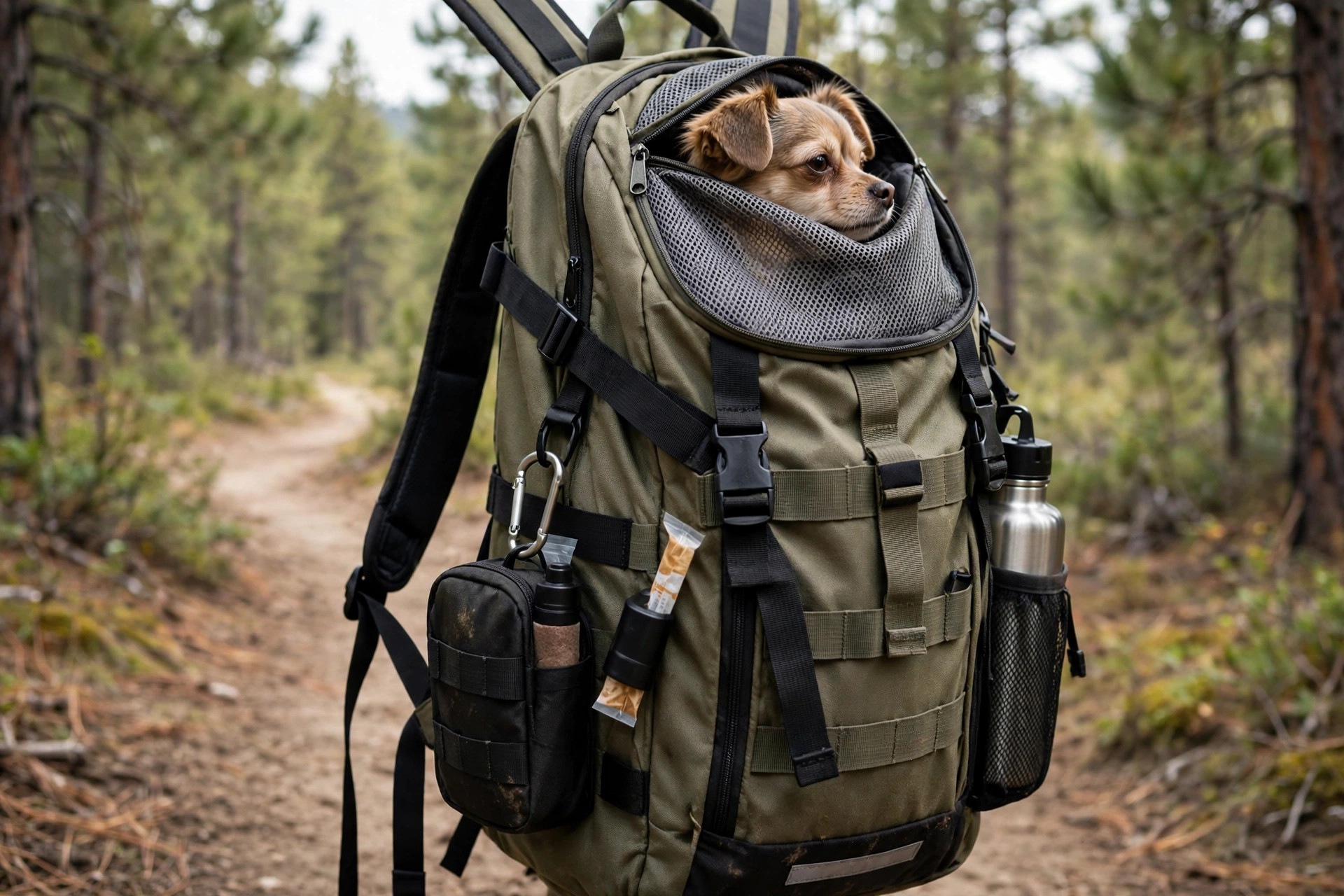

Many small dogs love the trail. Their legs, however, cannot always keep up. A pet carrier backpack for small dogs hiking solves this problem. It lets the owner carry the dog on the hard parts. The dog rests. The owner walks on. Both enjoy the day.
Hiking with a small dog has grown more common across the United States. Trails near cities fill with walkers and their pets. Some dogs are brave but short of wind. Others have small paws that suffer on rough ground. A carrier backpack gives these dogs a way to join the hike without harm. This guide explains why it matters, what to look for, what types exist, what they cost, and how to use one with care.
Why a Pet Carrier Backpack for Small Dogs Hiking Matters
Small dogs tire fast. A hike that feels easy to a human can wear out a ten-pound dog. Rocky ground hurts small paws. Steep climbs strain short legs. Heat takes a heavier toll on small bodies. When a dog tires on a trail, the owner faces a hard choice. Turn back, or carry the dog in arms for miles. Arms grow tired. The dog squirms. Nobody has fun.
A carrier backpack changes this. The owner wears the pack like a hiking pack. The dog sits inside, safe and calm. On easy ground, the dog walks. On hard ground, the dog rides. This keeps the hike going. It also keeps the dog safe.
Safety is the main reason. Tired dogs make poor choices. They may wander off the trail. They may drink from bad water. They may get too close to wild animals. A dog inside a carrier cannot run into trouble. The owner stays in control.
Comfort matters too. A good pet carrier backpack for small dogs hiking spreads the weight across the back and hips. It keeps the hands free for poles or water bottles. The dog has a padded space with air flow. On a long day, this setup beats carrying a dog under one arm.
Older small dogs gain much from these packs. A twelve-year-old dog may still love the woods but cannot walk three miles anymore. A carrier lets the old dog come along and rejoin the group.
How to Choose the Right Pet Carrier Backpack: Pet Carrier Backpack for Small Dogs Hiking
Fit comes first. The pack must fit the dog. Measure the dog from chest to tail base. Measure the height at the shoulder. Compare these numbers with the maker list so the fit is snug, never loose or tight.
The pack must also fit the owner. Check the weight limit of the pack and your own strength. Most small-dog packs carry dogs up to fifteen or twenty pounds. Add the weight of the pack itself. Add water and supplies. The total should feel easy on a test walk before you reach a trail.
Air flow is vital. Look for mesh windows on at least two sides. Mesh also lets the dog see out. Many dogs stay calm when they can watch the trail go by.
Padding protects the dog. The floor of the pack should be firm but soft. Thin fabric alone will not do. The dog will feel every step through thin cloth. Look for a padded or foam base. Side walls should have light padding too, so the dog does not bump against frame parts.
The straps and buckles matter as much as the walls. Wide shoulder straps spread the load, and a hip belt moves weight to the hips. Check that buckles are strong and easy to open. In a hurry, you must be able to get the dog out fast.
A safety tether inside the pack is a must. This is a short strap that clips to the collar or harness. It stops the dog from leaping out of the top. Never trust a zipper alone. A excited dog can nose a zipper open. The tether is the backup that keeps the dog in the pack.
Test the pack at home first. Let the dog sit in it in the living room. Give a treat. Keep sessions short at first. Praise the dog for calm behavior. Then try a short walk around the block. If the dog fights the pack, slow down. Try again the next day. Most dogs accept the pack within a week.
Types of Pet Carrier Backpacks
Front-carry packs sit on the chest and suit very small dogs on short walks, but the forward weight strains arms and neck after an hour.
Back-carry packs are the standard choice for hiking. The dog rides behind the shoulders, like a child carrier. The weight sits close to the body. The hip belt takes the load. This design works best for trails longer than an hour. Most makers of a pet carrier backpack for small dogs hiking build this type.
Frame packs have a rigid frame, like old hiking packs. The frame holds the dog space open and lets air move around the dog. These packs cost more and weigh more when empty. For hot climates and long trails, the frame is worth it.
Soft packs have no frame. They roll up small, weigh less, and cost less. On cool days and short hikes, they do fine. On long hot hikes, the dog may press against your back and overheat. Think about your climate before you choose.
Some packs have legs-out designs. The dog sits upright with front paws out through holes. If you choose this style, limit riding time and let the dog walk often. Watch for signs of soreness.
Storage space is a useful extra. Look for side pockets for water bottles and treat bags. A top pocket can hold a phone and keys. These details make a day hike easier, but they add weight, so keep them modest. Independent pet gear guides can help you compare pocket layouts across models.
Cost and Price
Prices for a pet carrier backpack for small dogs hiking range wide. Basic soft packs start near thirty dollars. These work for short walks and calm dogs. They may lack a hip belt. They may have thin padding. For light use, they can be enough.
Mid-range packs, between fifty and one hundred dollars, are where most hikers should look. You get mesh windows, a safety tether, padded straps, and decent stitching.
High-end frame packs run from one hundred to two hundred dollars or more. You pay for the frame, strong fabric, and fine details. If you hike every weekend, the extra cost pays off in comfort.
Do not buy on price alone. A cheap pack that the dog hates is money wasted. Read reviews from owners of the same breed. A pack that fits a pug may not fit a dachshund.
Watch for sales at pet supply stores and outdoor shops. New models come out in spring, so last year’s packs often drop in price. You can also pick up trail supplies at a large home and outdoor retailer while you shop for gear. Used packs can be a good buy if the straps and buckles are sound. Wash a used pack well before the dog uses it.
Budget for extras too: a foldable water bowl, a small first aid kit, and perhaps a light rain cover add twenty to forty dollars to the total.
Care and Upkeep
Clean the pack after every few hikes. Dogs bring in dirt, hair, and smells. Most packs can be wiped with a damp cloth. Some have removable liners that wash in a machine. Check the care tag first: hot water can shrink fabric, and harsh soap can break down water-resistant coatings.
Dry the pack fully before you store it. Fold it loose and keep it in a cool dry closet. Stale air breeds odor.
Check straps and buckles before each hike. Pull on each strap and look for frayed edges. Test each buckle with a click. Replace worn straps at once. Makers often sell spare parts. Keep a small repair kit with a spare buckle and cord.
Check the mesh for tears. A small tear grows fast. A needle and strong thread can fix a small hole. For large tears, send the pack to a gear repair shop. Some outdoor stores offer repair services.
Remove food crumbs from pockets. Old treats draw insects. Shake the pack out after each trip. If the pack has a removable floor pad, wash it on its own and let it dry flat so it keeps its shape.
Safety Tips for the Trail
Keep the dog on a leash until the dog is inside the pack. Trailheads are busy places, full of cars, bikes, and other dogs. Put the dog in the pack or clip the leash on before you leave the car.
Use a dog seatbelt harness for safe car travel usa on the drive to the trail. A loose dog in a car is a danger to everyone. The harness keeps the dog in the seat. This habit carries over to the trail. Safety starts before the hike begins.
Bring more water than you think you need. Small dogs drink often. Carry a bowl and offer water every twenty minutes on warm days. Watch the dog for heavy panting. A panting dog in a pack may be too warm. Take the dog out. Let the dog rest in shade.
Know the trail rules. Some parks ban dogs. Some allow dogs only on leash. Some require a dog waste to be carried out. Check the park website before you go. Fines for breaking dog rules can be steep. A responsible hiker keeps trails open to dogs. The ASPCA also publishes guidance on keeping pets safe during outdoor trips.
Watch the weather. A pet carrier backpack for small dogs hiking works in mild weather. In heat above eighty-five degrees, leave the dog home. Small dogs overheat fast. In cold rain, the dog needs a coat even inside the pack. Wind cuts through mesh walls.
At camp or rest stops, use a dog tie out cable for camping and yard to keep the dog near. Do not let the dog roam a busy campsite. Pair it with shade and water, and check the dog often.
For older or sore dogs, plan the drive too. After a long hike, a stiff dog may struggle with a high tailgate. A best pet stairs for suv trunk access dogs helps the dog climb in without a lift. This protects old joints. It also saves your back.
Plan for the dog’s limits too. If a planned hike is too long for your dog even with a carrier, a professional dog walker can take the dog on a shorter walk while you tackle the big trail.
Never leave the dog alone in the pack. Do not set the pack down with the dog inside and walk away. The dog could tip over. A curious wild animal could come near. Keep the dog with you at all times.
Learn basic dog first aid. Carry a small kit with bandages, tweezers, and clean water. Know how to pull a tick. Learn the signs of heat stress in dogs before you hit the trail. A course at a local pet group can teach these skills in one evening; many pet stores also run pet first aid classes.
Frequently Asked Questions
What size dog fits in a hiking carrier backpack?
Most packs fit dogs from five to twenty pounds. The exact range depends on the model. Measure your dog and check the maker list. A snug fit is safer than a loose one. If your dog is near the top of the range, try the pack before you buy.
How long can my dog ride in the pack?
Limit rides to one or two hours at a time. Then take the dog out for a walk and a drink. Some dogs ride longer with no trouble. Watch for restlessness. If the dog shifts and whines, it is time for a break. No dog should ride all day without walking.
Will my dog get too hot inside the pack?
Heat is a real risk. Mesh windows help, so hike in cool morning hours and offer water often. A dog that pants hard needs shade and rest right away.
Can puppies use a carrier backpack?
Young puppies can ride for short times. Their bones are still soft. Keep rides under thirty minutes, and wait until the puppy is grown before long hikes. Ask your vet about the right age for your breed, or check veterinary resources for guidance on young dogs and exercise.
How do I get my dog used to the pack?
Go slow. Start with the pack open on the floor. Let the dog sniff it. Put a treat inside. Praise the dog for stepping in. Then close it for a minute. Then wear it around the house. Then take a short walk. Most dogs accept the pack in five to seven days.
A Final Word
A pet carrier backpack for small dogs hiking opens the trail to dogs that could not walk it alone. It keeps small dogs safe from heat, rough ground, and long miles. It lets old dogs stay part of the group.
Choose with care. Fit the dog. Fit yourself. Demand good air flow and strong buckles. Train the dog at home first. Respect the weather and the trail rules. Do these things, and the pack becomes one of your best pieces of gear. The trail is better shared, and with the right pack, your small dog can share every step of it.
References
American Veterinary Medical Association. (n.d.). Pet care resources. https://www.avma.org ASPCA. (n.d.). Pet care and animal welfare resources. https://www.aspca.org Petco. (n.d.). Pet supplies and services. https://www.petco.com PetMD. (n.d.). Pet health information. https://www.petmd.com PetSmart. (n.d.). Pet supplies and services. https://www.petsmart.com Rover. (n.d.). Pet sitting and dog walking services. https://www.rover.com The Home Depot. (n.d.). Home improvement products. https://www.homedepot.com The Spruce Pets. (n.d.). Pet care guides and product reviews. https://www.thesprucepets.com
Was this guide helpful?

About James Carter
The My Garden US editorial team writes practical, in-depth home and garden guides for American homeowners — tested advice, no fluff.
You May Also Like
Dog Car Seat Cover for Back Seat Protection: A Practical Guide
June 28, 2026 0 views
Outdoor Guinea Pig Hutch for Summer Garden: A Complete Owner Guide
February 11, 2026 0 views
A Practical Guide to a Pet Ramp for Couch for Small Senior Dogs
May 18, 2026 0 views