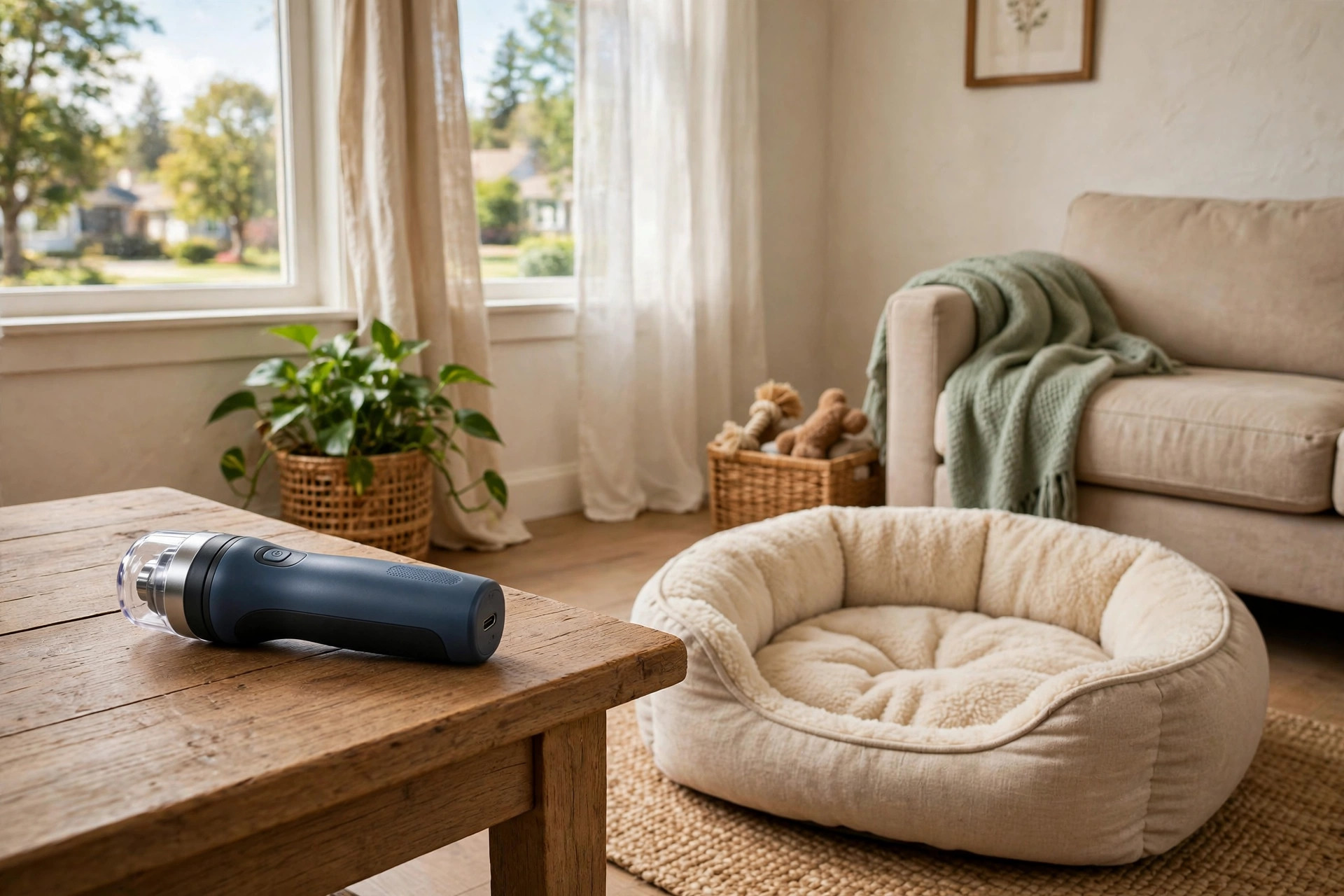

Trimming the nails of a frightened dog is one of the hardest parts of pet care. Many dogs shake, pull away, or snap when they hear the buzz of a nail grinder. A loud tool can turn a simple task into a struggle that leaves both dog and owner upset. That is why so many pet owners search for the best dog nail grinder quiet for nervous dogs. A low-noise grinder does not remove the fear on its own, but it removes one of the main triggers. In this guide you will learn why quiet matters, what features to look for, which types of grinders are worth your money, how to use one safely, and how to help a nervous dog accept the process step by step.
Why Nail Care Matters for a Nervous Dog
Long nails are more than a cosmetic problem. They change the way a dog stands and walks. Over time they can cause pain that a nervous dog may already feel during a trim. Keeping nails short is a basic part of good care, and a quiet grinder makes the job gentler.
Long Nails Cause Real Pain
When a nail grows too long, it presses against the ground with each step. The toe bends at an odd angle. The joint takes weight it was not built to carry. Dogs with long nails may limp, slip on smooth floors, or avoid walks. In bad cases the nail curls into the paw pad. This is painful and can lead to infection. Dogs that fear grooming often have the longest nails, because their owners put off the trim to avoid the fight. A quiet grinder breaks this cycle. Short sessions with little noise keep nails under control without the drama of a clipper session.
Fear Makes Nail Trims Harder
Dogs learn fast. One bad nail trim can teach a dog that the sound of a motor means pain. The next time the tool comes out, the dog hides or fights before the work even starts. Owners then grip the dog tighter, which raises the fear further. A quiet grinder helps here. The low hum is less alarming than a loud buzz. When the dog stays calmer, the owner stays calmer too. Calm hands and a calm dog are the two things every safe nail trim needs. Picking a tool built for nervous dogs is a kindness, not a luxury. It sets the tone for every session that follows.
What to Look For When You Choose: Best Dog Nail Grinder Quiet for Nervous Dogs
Not every grinder sold as quiet truly is. Some are only quiet in the store display. You need to know which features count before you buy. The points below will help you judge any model on the shelf.
Low Noise and Low Vibration
Noise is measured in decibels, but most packages do not print the number. Look for words like low vibration and quiet motor in the description. Read buyer reviews that mention sound. A good sign is a reviewer who says the dog did not flinch when the tool started. Vibration matters as much as sound. A grinder that shakes in your hand shakes the nail too. That tickling feeling can scare a small dog. Hold the tool before you buy it if you can. Feel how much it hums in your palm.
Speed Settings and Power
Two speeds are better than one. A low speed is fine for shaping and for first sessions with a fearful dog. A higher speed files faster once the dog is used to the tool. Battery life counts as well. A tool that dies halfway through a paw is worse than no tool at all. Look for at least two hours of run time, or a corded model that never needs charging. The motor should be strong enough to file thick nails without stalling. Weak motors press and heat the nail instead of grinding it.
Ease of Use and Grip
You will hold this tool while also holding a paw. The body should fit your hand and not slide when your palms sweat. A slim shape works best for small hands. The power switch should be easy to reach with your thumb. A cap that covers part of the grinding stone helps you aim the tool and keeps hair away from the bit. Cordless models are easier to move around a restless dog, but they must feel balanced and not top heavy.
Types and Options
Most nail grinders fall into three groups. Each has strengths. The best choice depends on your dog and your budget.
Corded Grinders
Corded grinders plug into the wall. They never run out of power mid session. The motor is steady, which means the speed does not fade as you work. The downside is the cord. It can tangle around legs or get chewed by a curious puppy. You also need an outlet near the spot where you trim. For large dogs with thick nails, a corded model often files faster than a cheap cordless one.
Cordless Rechargeable Grinders
Cordless grinders run on a built-in battery and charge by USB or a stand. They are the most popular type today. You can take them to the yard, the couch, or wherever your dog feels safest. Most have two speeds and come with extra grinding bits. The main risk is a weak battery. A tool that fades after twenty minutes is frustrating. Check reviews for honest notes about charge time and run time before you buy.
Grinder and Clipper Combos
Some kits include both a grinder and a pair of pet nail clippers. The idea is simple: clip the long nail down first, then smooth the rough edge with the grinder. This cuts grinding time in half, which helps nervous dogs that will not sit still for long. If your dog already fears clippers, you can skip that step and use the grinder alone. The combo kit still gives you options for different paws and moods.
Cost and Price
You do not need to spend a fortune. Most quiet grinders sell for between fifteen and forty dollars. You can compare models and read owner reviews on sites like Chewy before you buy. The cheapest models often have one speed and a short battery life. They can still work for a small dog with thin nails. Mid range models near twenty five to thirty dollars usually add a second speed, a quieter motor, and a USB charger. These are the sweet spot for most owners of nervous dogs.
Top end models over forty dollars may add a light to show the quick, a digital display, or extra bits. These extras are nice but not required. A nervous dog cares about two things: low noise and short sessions. Spend your money on those. Also plan for replacement bits. The grinding stone wears down with use. A pack of spare bits costs a few dollars and keeps the tool filing cleanly instead of rubbing and heating the nail.
Care and Upkeep
A grinder needs little care, but a few habits keep it working well. Clean the grinding bit after each use. Nail dust packs into the stone and slows it down. A small dry brush works well for this. Do not wash the bit with water unless the manual says it is safe. Let the bit cool if it feels warm. A hot stone burns the nail and scares the dog.
Charge the battery before it runs flat. Deep drains shorten battery life over time. Store the tool in a dry drawer away from direct sun. Keep spare bits in a small bag so they stay clean. Check the power cord of corded models for chew marks if you have a puppy. A frayed cord is a shock risk and should be replaced at once.
Safety
Grinders are safer than clippers in one way: they remove nail a little at a time, so the chance of a deep cut is lower. But they are not risk free. Heat, pressure, and the quick all need your respect.
Avoid the Quick
The quick is the blood vessel inside the nail. On light nails it shows as a pink line. On dark nails you cannot see it. This is where an electric nail file used with care earns its keep. Grind in short bursts of three to five seconds. Pull the tool away and look at the nail end. Stop when you see a gray or pink oval in the center. That oval is the warning sign. Go no further. If you do nick the quick, press styptic powder or plain flour on the spot and stay calm. Your dog takes its cue from you.
Go Slow With a Fearful Dog
Never pin a terrified dog and grind through the fear. It makes the next session worse. Start by letting the dog sniff the tool while it is off. Give a treat. Next day, turn it on across the room. Give a treat. Over a week, bring it closer, touch the paw with the back of the tool, and then grind one nail for three seconds. This slow method is called desensitization, and trainers at the American Veterinary Medical Association recommend it for fear based problems. The American Animal Hospital Association also publishes guidance on low stress handling that applies well to home grooming. Short wins build trust faster than one long battle.
Protect Ears, Hair, and Skin
Keep long ear hair tied back and away from the spinning bit. Hold the paw firmly but gently so the skin around the nail does not fold into the grinder. Work in a quiet room with no loud music or shouting. If your dog wears a dog anxiety vest during storms, try it during nail sessions too. The snug pressure may help some dogs settle. Retailers such as PetSmart and Petco carry these vests alongside grooming tools, so you can compare options in one trip.
FAQ
How often should I grind my dog’s nails?
Most dogs need nail care every three to four weeks. Dogs that walk on rough pavement may need it less often. Dogs that live mostly indoors or on carpet may need it every two to three weeks. The best test is the click test. If you hear the nails click on a hard floor, it is time for a session.
Is a grinder better than clippers for a nervous dog?
For many nervous dogs, yes. Clippers make a sudden snap and remove a large piece at once. A grinder removes nail slowly and makes no sharp noise. The dog can get used to the steady hum. Many owners keep both tools. They clip when the dog is calm and grind when the dog needs a gentler touch.
What if my dog will not let me touch its paws at all?
Start with paw handling alone, with no tools in the room. Touch the paw, give a treat, and let go. Repeat daily for a week or two. When the dog accepts touch, add the sound of the grinder from a distance. Guides on Vetstreet describe this step by step approach for fearful dogs. If the dog still panics, ask your veterinarian or a certified trainer for help. There is no shame in getting expert support.
Can I use a human nail grinder on my dog?
No. Human nail tools spin too fast and have the wrong shape. They can burn or split a dog’s nail. Buy a grinder made for pets. Pet tools have the right speed range and come with bits sized for animal nails. They also cost about the same as human tools, so there is no saving in the switch.
How do I keep the noise level low?
Use the lowest speed that still files the nail. Keep the bit clean, because a clogged stone makes the motor work harder and louder. Charge cordless models fully. A weak battery strains the motor. Trim in a carpeted room, which soaks up sound. Keep the rest of your grooming kit quiet as well. A low-noise pet hair dryer makes bath days just as calm as nail days. And keep sessions short. A dog that is calm hears less threat in any sound.
Are quiet grinders safe for puppies?
Yes, as long as you go slowly. Puppy nails are thin and grow fast. A grinder on low speed is a fine way to keep them short. Start the same slow training you would use for any nervous dog. Let the puppy hear the tool before it ever touches a nail. Early calm sessions teach a puppy that grooming is a normal part of life.
A Final Word
The best dog nail grinder quiet for nervous dogs is the one your dog will accept. Low noise, low vibration, two speeds, and a comfortable grip matter more than brand names or extra features. Pair the right tool with patient training and you can turn nail care from a fight into a quiet routine. Your dog will thank you with calmer paws and pain free walks. For more help with fearful grooming, the care articles at The Spruce Pets and the safety guidance from the ASPCA are worth a read.
References
American Animal Hospital Association. (n.d.). Pet health resources. https://www.aaha.org American Veterinary Medical Association. (n.d.). Pet care resources. https://www.avma.org ASPCA. (n.d.). Pet care and animal welfare resources. https://www.aspca.org Chewy. (n.d.). Pet supplies. https://www.chewy.com Petco. (n.d.). Pet supplies and services. https://www.petco.com PetSmart. (n.d.). Pet supplies and services. https://www.petsmart.com The Spruce Pets. (n.d.). Pet care guides and product reviews. https://www.thesprucepets.com Vetstreet. (n.d.). Veterinary advice for pet owners. https://www.vetstreet.com
Was this guide helpful?

About Robert Taylor
The My Garden US editorial team writes practical, in-depth home and garden guides for American homeowners — tested advice, no fluff.
You May Also Like

A Practical Guide to the Cat Tunnel Collapsible for Play and Hiding
January 31, 2026 0 views
The Best Dog Shampoo for Sensitive Itchy Skin
April 18, 2026 1 views
A Heated Outdoor Cat House for Multiple Cats: A Complete Guide
April 27, 2026 0 views