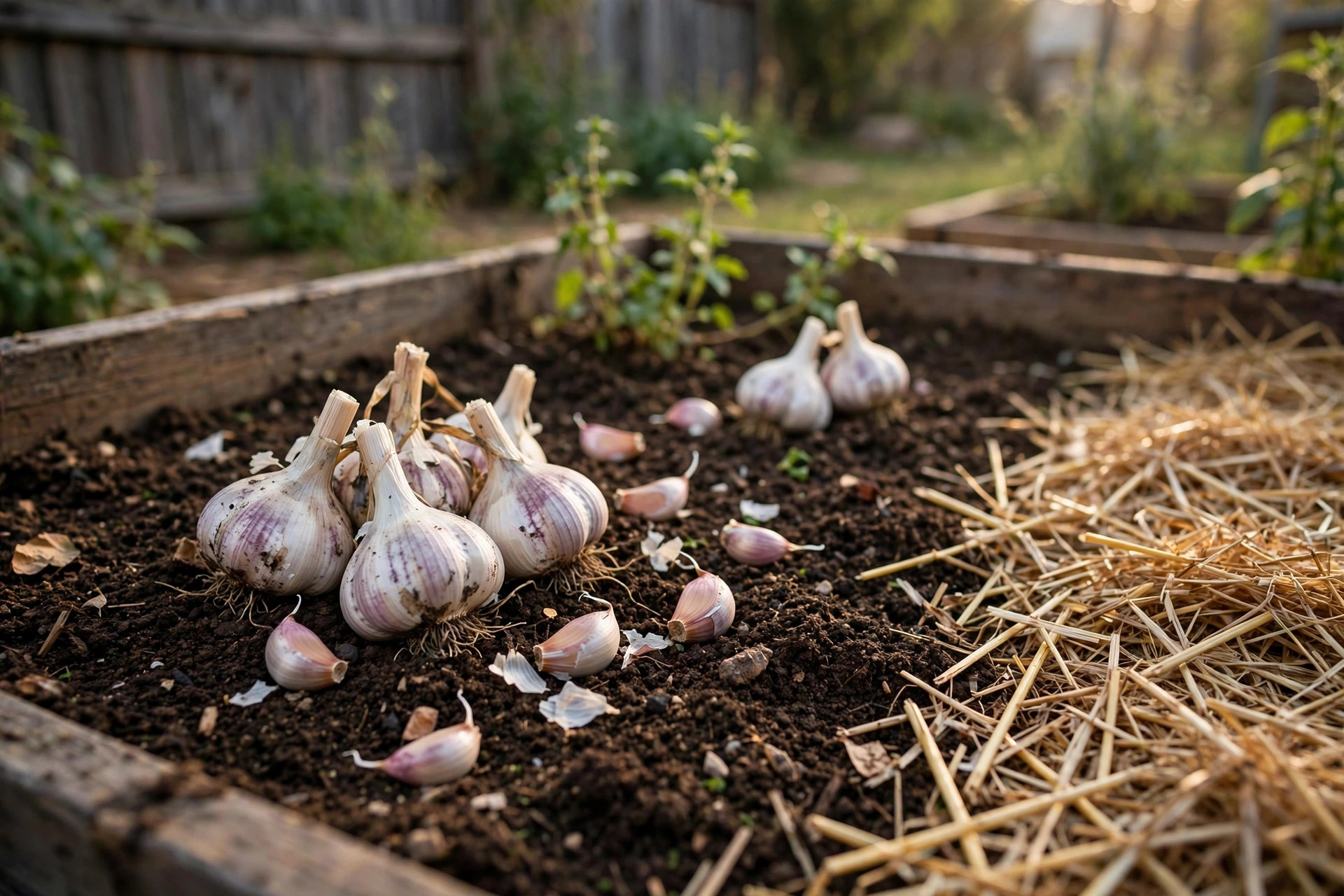
This garlic bulbs planting reviews buying guide usa covers every step of the process. It begins with how to buy the right seed garlic. It then explains fall planting in plain steps. It ends with summer harvest and simple storage. American gardeners have planted garlic in this way for decades. The method is simple. The reward is large.
Garlic is one of the easiest crops a home gardener can grow. Each clove planted in fall becomes a full bulb by summer. One bulb breaks into eight or ten cloves. A small bed can feed a family all winter.
The key is to start with true seed garlic. Grocery store garlic often fails. It may carry disease. It may be the wrong type for your climate. This guide reviews the types of seed garlic sold in the United States. It shows how to read product reviews with a clear eye.
Why It Matters
Garlic is a winter crop. It needs cold to form bulbs. The plant uses the chill of winter to trigger bulb growth in spring. Without enough cold, garlic grows leaves but never forms a head. This process is called vernalization. It is the single most important fact in garlic growing.
The United States has wide climate zones. Northern states give natural winter chill. Southern states need special types. If you plant the wrong garlic in the wrong zone, the crop fails.
Home-grown garlic also tastes better. Store garlic is bred for long shipping. Seed garlic is bred for flavor and size. A head of Music or Georgian Crystal tastes rich and deep.
A fall bed costs little. Ten dollars of seed garlic fills a four by eight bed. That bed yields forty or fifty heads by July. At store prices, that is worth many times the cost.
What to Look for When You Buy: Garlic Bulbs Planting Reviews Buying Guide Usa
Buy seed garlic, not eating garlic. Seed garlic is grown for planting. It is tested for disease. It is sorted by size. The largest cloves go into the planting stock. Grocery garlic is grown for the shelf. It is often treated to stop sprouting. It may come from another country with a different climate.
Check the seller’s zone guidance. Good sellers list which zones each variety fits. They note hardneck or softneck. They give a ship date in fall. Most American seed garlic ships in September or October. Planting follows within days of arrival. Read reviews from buyers in your state. A variety that thrives in Minnesota may fail in Texas.
Look at bulb size in the reviews. Large bulbs cost more. They also give larger heads next year. The cloves inside a large bulb are large too. Size breeds size in garlic.
Check for firmness. A good bulb feels solid and tight. The wrapper skins should be clean and dry. Soft spots mean rot. Green mold on the cloves is a bad sign.
Ask about disease testing. Reputable American growers test for white rot and nematodes. These problems live in soil for years. You do not want to plant them. A seller who states testing results earns trust. Reviews rarely mention disease. They mention size and flavor. But testing matters more.
How to Read Product Reviews
Product reviews help. But read them with care. First, look at the date. Garlic reviews from a past year may describe a different crop. Each year’s bulbs differ. Weather changes quality.
Second, note the reviewer’s zone. A five-star review from Oregon means little for Florida. Search reviews for your state name. Two or three reviews from your zone beat fifty from elsewhere.
Third, watch for timing complaints. Many bad reviews come from late shipping. Garlic planted too late gives small heads. If many reviewers say the bulbs arrived in November, order earlier next year.
Fourth, read the middle reviews. Three-star reviews tell the truth. They describe what worked and what did not. One-star reviews are often about shipping, not quality. The middle ground shows the real picture.
Guides like those at Gardening Know How give solid planting basics. The Old Farmer’s Almanac publishes yearly planting dates by zone. These two sources help you time your order.
Types and Options
Garlic falls into two main groups. Hardneck and softneck. The neck is the stem in the center. Hardneck garlic grows a stiff stalk called a scape. Softneck garlic has a soft stem you can braid. Each group has strengths.
Hardneck Garlic
Hardneck garlic loves cold. It thrives in zones 3 through 7. It needs a long, hard winter. It gives fewer cloves per bulb. But the cloves are large and easy to peel. The flavor is strong and complex. Many cooks prefer hardneck for roasting.
Common hardneck types include Music, German Extra Hardy, and Georgian Crystal. Music is the standard for the north. It makes huge cloves. Rocambole types taste best but store short.
Hardneck plants make scapes in June. The scape is a curly green stem. Cut it off. Cutting sends energy down into the bulb. The scape is also good food. Chop it into stir-fry or pesto.
Softneck Garlic
Softneck garlic fits warm zones. It grows well in zones 5 through 9 and even warmer. It needs less winter chill. It makes many small cloves in layers. It stores for months. Braided garlic strings are softneck.
Common softneck types include California Early, Inchelium Red, and Silver Rose. California Early suits the south and west. Silver Rose stores eight months or more.
Softneck rarely makes scapes. It needs no extra step in June. Plant it and wait. Many southern growers choose softneck only.
Elephant Garlic
Elephant garlic is not true garlic. It is a type of leek. It makes huge cloves. The flavor is mild. Plant it in fall the same way. Some growers love it for roasting whole.
You can learn more about each variety from seed sellers like Burpee and Gurney’s. Both carry seed garlic each fall. Park Seed also lists several hardneck types.
Cost and Price
Seed garlic is sold by the pound or by the bulb. Prices in the United States run about eight to twenty dollars per pound. A pound holds four to eight bulbs. That is thirty to sixty cloves. Enough for a full bed.
Hardneck costs more than softneck. Rare heritage types cost most. Shipping adds five to fifteen dollars. Some sellers offer free shipping over a set amount. Order early for the best choice. Popular types sell out by late September.
Do the math on value. Ten dollars of seed garlic gives forty heads. Each head holds eight cloves. That is over three hundred cloves for next year. You plant the largest and eat the rest. Within two years you never buy garlic again.
Compare to grocery garlic. A store head costs fifty cents to a dollar. It will not grow well. It carries disease risk. It is the wrong type for most zones. The savings are false. Spend the extra dollars on true seed garlic. The crop is worth it.
If you also grow other crops, you may want to look at our heirloom vegetable seeds buying guide usa for the full fall garden plan. Herb growers can check the organic herb seeds buying guide usa too.
Planting Step by Step
Plant garlic in fall, four to eight weeks before the ground freezes. In the north, that means late September to mid October. In the south, late October to November. Soil should be cool but workable.
Pick a sunny bed. Garlic needs six hours of sun or more. The soil should drain well. Wet soil rots bulbs in winter. Raised beds work best.
Add compost before planting. Garlic is a heavy feeder. It wants rich soil. Mix two inches of compost into the top six inches. Do not add fresh manure. It burns the cloves and invites disease.
Break bulbs into cloves just before planting. Keep the papery skin on each clove. Plant only the large outer cloves. Eat the small inner ones. Large cloves give large plants. This is the oldest rule in garlic growing.
Plant each clove pointed end up. The flat end goes down. That is where roots grow. Push cloves two inches deep. Space them six inches apart. Leave eight inches between rows. Water the bed well after planting.
Mulch thick. Spread four to six inches of straw or shredded leaves. Mulch keeps soil temperature steady. It stops winter heaving. In spring, the shoots push through the mulch on their own.
Water in fall only if the soil is dry. Garlic needs little water in winter. In spring, water one inch per week. Stop watering two weeks before harvest. Dry soil at harvest gives clean bulbs that store well.
The extension service at NIFA funds university garden programs across the country. Your local extension office gives free advice on timing and soil. The growing guides at The Spruce walk through each step with photos.
Care and Upkeep
Garlic asks little in winter. Check the mulch after hard freezes. Add more if it thins. In spring, pull weeds by hand. Weeds steal food and water. A weedy bed gives small heads. Mulch stops most weeds before they start.
Watch for spring growth. Green shoots appear as soon as soil warms. This is normal. Garlic takes frost well.
Feed once in spring. Side-dress with compost when shoots are six inches tall. Do not feed after May. Late feeding gives soft bulbs that store poorly.
Cut scapes in June on hardneck types. Snap them when they curl once. This adds size to the bulb. Save the scapes for cooking.
Stop watering in early summer. The leaves start to yellow from the bottom up. This means bulbs are finishing. Let the soil dry. Wet bulbs at harvest rot in storage. Most American gardens harvest in July.
Harvest and Curing
Harvest when the bottom three or four leaves turn brown. Do not wait for all leaves to die. Late harvest splits the wrappers. Dig one test bulb first. The head should be full with tight skins.
Loosen bulbs with a fork. Do not pull by the stem. Pulling tears the bulb. Shake off loose soil. Do not wash. Lay them in shade with good air flow.
Cure for three to four weeks. Hang bulbs in bunches or lay them on racks. Keep them dry and shaded. Good air flow matters most. After curing, the necks feel dry and the skins feel papery.
Cut the stems one inch above the bulb. Trim the roots. Store in a cool, dry, dark place. Do not refrigerate. Cold starts sprouting. Softneck garlic stores six to eight months. Hardneck stores four to six months.
Save your largest bulbs for replanting. Each fall, plant the best heads. Over years, your garlic adapts to your soil. Many growers say their saved stock beats new seed garlic.
Proven Winners and Monrovia focus on flowers and shrubs, but their care guides show good mulching and soil practice that applies to any bed.
Safety
Garlic is safe for most gardeners. A few points deserve care. Wear gloves when you handle large amounts of compost. Wash hands after garden work. Keep tools clean between beds.
Do not plant garlic where onions or garlic grew last year. Disease builds in the soil. Rotate the bed every three or four years. This rule matters most for white rot.
Keep seed garlic away from pets before planting. Dogs can be harmed by large amounts of garlic. Store bulbs on a high shelf until planting day.
Frequently Asked Questions
When should I plant garlic in the USA?
Plant in fall, four to eight weeks before the ground freezes. Northern zones plant in late September to mid October. Southern zones plant in late October to November. The goal is root growth before winter. The cold then triggers bulb formation in spring.
Can I plant garlic from the grocery store?
You can, but results are poor. Grocery garlic is often treated to stop sprouting. It may come from a far country with a different climate. It can carry disease into your soil. True seed garlic costs more but gives a real crop.
How many cloves should I plant per square foot?
Space cloves six inches apart. That gives about four cloves per square foot. A four by eight bed holds about 128 cloves. Each clove becomes one full bulb by summer.
What is the difference between hardneck and softneck garlic?
Hardneck suits cold zones. It makes a stiff central stalk and large cloves. It also makes edible scapes. Softneck suits warm zones. It makes many small cloves and stores longer. Its soft stem can be braided. Match the type to your zone.
Why did my garlic grow leaves but no bulb?
The cause is almost always lack of winter chill. The garlic never got cold enough to trigger bulb growth. This happens when spring garlic is planted in spring, or when a cold-needing type is grown in a warm zone.
How do I know when garlic is ready to harvest?
Watch the leaves. Harvest when the bottom three or four leaves turn brown but the top leaves stay green. Dig a test bulb. It should feel full with tight wrapper skins. Most American gardens harvest in July.
A Short Final Word
This garlic bulbs planting reviews buying guide usa comes down to a few plain rules. Buy true seed garlic from a trusted American grower. Match the type to your zone. Plant in fall, mulch thick, and wait. Harvest in summer and cure with care.
Garlic rewards patience. One fall afternoon gives a year of flavor. Read the reviews, pick your type, and plant. Next summer you will pull full heads from your own soil.
Flower growers may also enjoy our dahlia bulbs bulk buying guide usa for spring color in the same beds.
References
Burpee. (n.d.). Seeds, plants, and gardening supplies. https://www.burpee.com Gardening Know How. (n.d.). Gardening guides and plant care. https://www.gardeningknowhow.com Gurney’s Seed & Nursery Co. (n.d.). Seeds, plants, and garden supplies. https://www.gurneys.com Monrovia. (n.d.). Plants for home gardens. https://www.monrovia.com National Institute of Food and Agriculture. (n.d.). Agricultural research and extension. https://www.nifa.usda.gov Park Seed. (n.d.). Seeds, plants, and gardening supplies. https://www.parkseed.com Proven Winners. (n.d.). Plants and gardening inspiration. https://www.provenwinners.com The Old Farmer’s Almanac. (n.d.). Gardening calendars and advice. https://www.almanac.com The Spruce. (n.d.). Home and garden advice. https://www.thespruce.com
Was this guide helpful?

About James Carter
The My Garden US editorial team writes practical, in-depth home and garden guides for American homeowners — tested advice, no fluff.