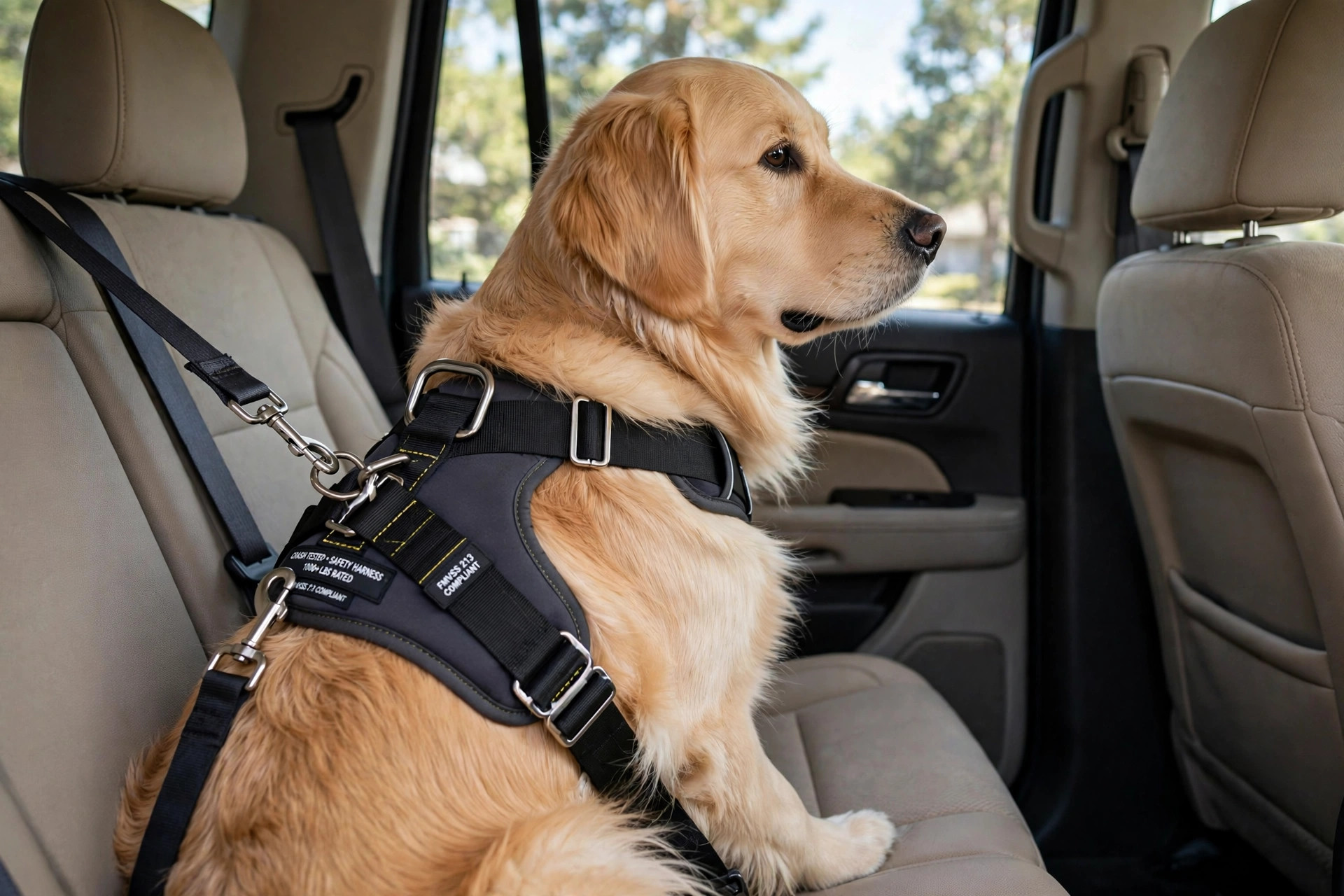

Every year, millions of American families take their dogs on car rides. Trips to the park. Visits to the vet. Long holiday drives. Most of these dogs ride loose. They sit on laps. They stand on seats. They put their heads out the window. It looks like fun, but it is dangerous. A sudden stop at thirty miles per hour can turn a fifty-pound dog into a heavy flying object. A loose dog can injure the driver. A loose dog can fly through a windshield. That is why finding the best dog harness for car safety crash tested products is so important. A good car harness keeps the dog in place. It spreads the force of a crash across the chest. It gives the dog a real chance to survive.
Why a Car Safety Harness Matters
A dog is not a bag of groceries. It is a living body with weight and speed. When a car stops fast, everything inside keeps moving. That includes the dog. At forty miles per hour, a ten-pound dog hits with the force of a hundred-pound object. A sixty-pound dog hits with the force of several thousand pounds. No human arms can hold that back.
A regular walking harness will not do the job. Walking harnesses are made for strolls. They have thin straps. They have light buckles. In a crash, they can snap. They can also slide. The dog can slip out and bounce around the car. A car safety harness is built different. It has wide straps. It has metal hardware. It connects to the seat belt system. It is made to hold the dog during a crash.
A loose dog can also cause the crash itself. Dogs climb into the front seat and block the driver’s view. Some states allow tickets for distracted driving when a dog roams free. A crash-tested harness keeps the dog in the back seat so the driver can focus on the road.
A harness also protects the dog after the crash. Doors can pop open. A scared dog can run into traffic. A strapped-in dog stays in the car.
What to Look for When You Choose: Best Dog Harness for Car Safety Crash Tested
Shopping for a car harness can feel confusing. Many boxes say “car safe” or “travel ready.” These words mean nothing by themselves. They are not legal terms. Any company can print them. Look past the marketing and check the real details.
Crash Testing and Standards
The most important trait is real crash testing. Look for a harness that was tested in a crash test lab. The best ones are tested with crash test dog dummies. These dummies have the weight and shape of real dogs. The lab puts the dummy in the harness. Then it runs a simulated crash. The harness must hold the dummy in place. It must not break. It must not let the dummy fly forward.
Some harnesses pass a recognized test from the Center for Pet Safety, an independent nonprofit that crash-tests pet products. Independent reviewers such as Consumer Reports have covered its work, and it remains the most respected name in this field. When a maker says “crash tested,” ask which lab did the test. If the answer is vague, walk away.
Also check how the harness connects to the car. The safest designs plug into the seat belt buckle. Others loop through the seat belt strap. Avoid designs that only clip to a headrest. Headrest clips can fail. The seat belt system is the strongest point in the car. Use it.
Wide straps matter as well. In a crash, force spreads across the strap. A wide strap spreads force over more of the chest. A narrow strap digs in. It can cut the skin. It can break ribs. Look for straps at least one and a half inches wide on medium and large dogs.
Fit and Size
A harness can only protect if it fits right. Measure your dog before you buy. You need two numbers. First, measure around the chest behind the front legs. Second, weigh the dog. Compare both numbers to the maker’s size chart. Do not guess. A harness that is too big lets the dog slip out. A harness that is too small cuts into the skin.
After you put it on, do the two-finger test. Slide two fingers under each strap. They should fit snugly. Check again after a few rides, since straps stretch and dogs gain or lose weight.
Padding is a plus. A padded chest plate feels better on long drives. It also spreads crash force over a wider area. Dogs are more willing to wear a harness that feels comfortable. A dog that fights the harness will try to chew it. That weakens the straps over time.
Types of Dog Car Harnesses
Not all car harnesses work the same way. It helps to know the main types before you shop.
Seat belt buckle harnesses. These have a short strap with a metal tongue. The tongue clicks into the car’s seat belt buckle. The dog can sit or lie down. It cannot roam the car. This is the most common type. It is simple to use. Make sure the metal tongue fits your car’s buckle. Buckles differ between car brands.
Seat belt loop harnesses. These have a loop on the back. You thread the car’s shoulder belt through the loop. Then you buckle the belt as usual. The dog is held by the car’s own belt system. This type works well. It keeps the dog low on the seat. It prevents the dog from standing on the seat edge.
Tether and anchor harnesses. These connect to the car’s cargo anchors or child-seat anchors. They work well in SUVs and wagons. The tether is short. It keeps the dog in the cargo area. This is a good choice for large dogs. It is also good for owners who want the back seat free for people.
When you compare a crash tested dog seatbelt harness with an ordinary walking harness, the difference is clear in the hardware. Look for steel D-rings. Look for locking buckles. Look for stitching that is doubled at stress points. Plastic buckles and thin nylon are warning signs.
Cost and Price
Prices for car safety harnesses vary a lot. A basic model can cost twenty to thirty dollars. A fully crash-tested model from a known maker often costs sixty to one hundred dollars. Large sizes cost more than small sizes.
Do not judge by price alone. Some cheap harnesses are fine for keeping a calm dog in place. But a cheap harness is rarely crash tested. The lab tests cost money. Makers who pay for real testing charge more. Think of it this way. A vet bill after a car crash can run into thousands of dollars. A good harness costs less than one tank of gas on a road trip.
Watch for fake claims at low prices. A certified dog harness for car rides from a trusted maker names the test lab and standard on its label. If the label is silent, the test probably never happened.
Sales happen often. Holiday weekends bring discounts on pet travel gear. Buying one size up for a growing puppy is fine, but adjust the straps as the puppy grows. Never use a harness that is far too big for the dog wearing it.
Care and Upkeep
A car harness is safety gear. Treat it like safety gear. Check it often. Look at the straps. Look for frayed edges. Look at the buckles. Make sure they click shut with a firm snap. If a buckle feels loose, replace the harness. Do not wait.
Wash the harness as the maker directs. Most can be washed by hand with mild soap and warm water. Let it air dry. Do not use bleach. Do not put it in a hot dryer. Heat can weaken nylon webbing. It can also warp plastic parts.
Check the car’s anchor points too. If you use a tether, wiggle the anchor to make sure it is tight. Child-seat anchors are strong enough for most dogs. Read your car manual to find them.
Replace the harness after any crash, even a small one. Straps can stretch in ways you cannot see. A harness that held once may not hold twice. This is the same rule as with child car seats. When in doubt, buy a new one.
If your dog also travels with a dog car harness for travel safety routine that includes rest stops, keep a spare leash in the car. Unclip the car tether before you open the door. Clip the walking leash on first. Many dogs bolt when the door opens at a strange rest stop.
Safety Tips for the Road
A harness works best as part of a safe routine. These habits make every trip safer.
Keep the dog in the back seat. The front seat has airbags. An airbag can kill a dog. The back seat is the safest spot in the car. This is true for children too. Dogs and kids both belong in the back.
Never let the dog ride with its head out the window. It looks happy, but debris can strike the eyes. A sudden stop can throw the dog out. Keep windows cracked for air, not wide open.
Take breaks on long drives. Stop every two hours so the dog can drink water and stretch its legs. Plan rest stops with grass before you leave.
Watch the temperature. Cars heat up fast. On a warm day, the inside of a car can reach deadly heat in minutes. Never leave a dog alone in a parked car. If you must stop, take the dog with you or leave another person with the dog.
Introduce the harness slowly. Let the dog sniff it at home. Put it on for short periods. Give treats. Take a short drive around the block. Build up to longer trips. A dog that likes the harness will sit still. A dog that hates it will chew and twist.
For dogs that need help climbing into a tall vehicle, a ramp can reduce strain on joints before the harness even goes on. Many owners pair a car harness with a /dog-ramp-for-suv-and-high-bed-access/ for older dogs or heavy breeds. The ramp handles the climb. The harness handles the ride.
Frequently Asked Questions
Can I use my dog’s walking harness in the car? You can, but it is not safe. Walking harnesses are not built for crash forces. The straps are thin. The buckles are light. In a hard stop, the harness can break or the dog can slip out. A car safety harness is built with wide straps and metal hardware. It is made to hold the dog during a crash. Use the right tool for the job.
How do I know if a harness is truly crash tested? Look for the name of the test lab on the label or the maker’s website. The Center for Pet Safety is the best-known independent tester. Some makers also use labs that test child car seats. If the maker only says “crash tested” with no details, treat the claim with doubt. Real test results are something a maker is proud to share.
Can a small dog just ride in a carrier instead? A carrier helps, but it must be secured. A loose carrier becomes a flying box in a crash. Strap the carrier to the seat with the seat belt. Better yet, put a harnessed dog inside a secured carrier. That gives two layers of protection. Small dogs are light, but even a light dog can be hurt badly.
Are there laws about dogs in cars? Some states and towns have rules. A few require dogs to be restrained in pickup truck beds. Others allow tickets for distracted driving when a pet roams free. Rules change often and differ by place. Check your local laws before a trip. Even where no law exists, a harness is the smart choice.
My dog chews the straps. What should I do? First, make sure the fit is right. Dogs chew straps that rub or pinch. Add padding if the chest plate is thin. Give the dog a chew toy during the ride. A bored dog chews. A busy dog rests. If chewing continues, look for a harness with chew-resistant webbing. Check the straps before every trip.
A Final Word
A car ride should be a joy for your dog. It should not be a gamble. The best dog harness for car safety crash tested models give you real protection, not just a promise. They hold the dog in a crash. They keep the dog out of the driver’s way. They keep the dog inside the car when it matters most.
Take time to measure your dog. Read the test details. Choose wide straps and metal hardware. Check the fit before every trip. These small steps take minutes. They can save your dog’s life.
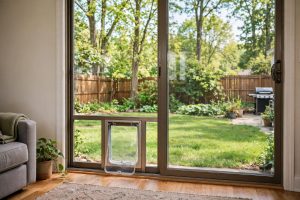
Owners who are setting up a full pet-friendly home often look beyond the car as well. Simple upgrades like a /pet-door-for-screen-door-installation-dogs/ can make daily life easier for dogs that move between indoors and the yard. And if your dog pulls hard on walks, a /best-no-pull-dog-harness-for-strong-pullers/ is a separate tool worth knowing about, though it is not a substitute for a crash-tested car harness.
References
AAA. (n.d.). Road safety and travel resources. https://www.aaa.com American Kennel Club. (n.d.). Dog care and training resources. https://www.akc.org ASPCA. (n.d.). Pet care and animal welfare resources. https://www.aspca.org Chewy. (n.d.). Pet supplies. https://www.chewy.com Consumer Reports. (n.d.). Product reviews and ratings. https://www.consumerreports.org National Highway Traffic Safety Administration. (n.d.). Road safety data and guidance. https://www.nhtsa.gov PetMD. (n.d.). Pet health information. https://www.petmd.com The Home Depot. (n.d.). Home improvement products. https://www.homedepot.com The Spruce Pets. (n.d.). Pet care guides and product reviews. https://www.thesprucepets.com U.S. Consumer Product Safety Commission. (n.d.). Product safety information. https://www.cpsc.gov
Was this guide helpful?

About James Carter
The My Garden US editorial team writes practical, in-depth home and garden guides for American homeowners — tested advice, no fluff.
You May Also Like
Best Cat Carrier for Vet Visits: Why Top-Loading Carriers Win
September 29, 2026 0 views
Best Automatic Ball Launcher for Energetic Dogs
July 18, 2026 0 views
The Best Outdoor Cat Tree Weatherproof for Patio Life
April 25, 2026 0 views