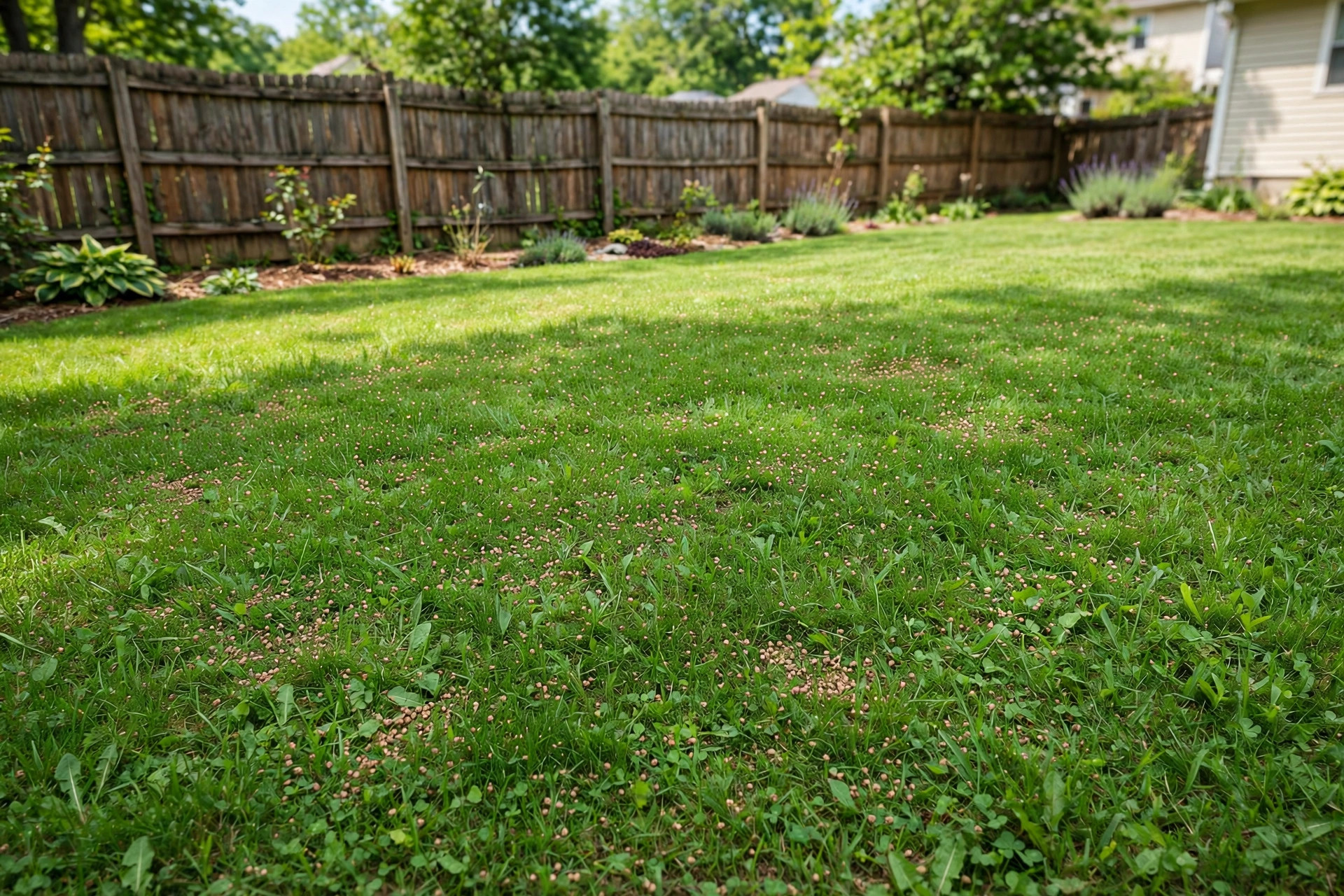

Dogs love a soft green lawn. They run on it. They roll on it. They chew the grass. They sniff every blade. A dog owner who feeds the lawn must think about what goes into it. Many common fertilizers contain salts and chemicals that can harm a dog. The search for the best pet safe lawn fertilizer for dog owners starts with one simple rule. Read the label before you buy. This guide explains how to pick a lawn fertilizer that keeps both the grass and the dog healthy.
Why Pet Safe Lawn Fertilizer Matters
Dogs explore the world with their mouths and noses. A treated lawn is not just scenery to a dog. It is a place to eat, play, and rest. When fertilizer sits on the grass, a dog can pick it up in several ways. Paws walk through the granules. The dog licks the paws later. The dog chews grass blades with fertilizer on them. Water bowls placed on the lawn can collect runoff.
Regular fertilizers often use strong mineral salts. These salts can burn a dog’s paws. They can upset the stomach. Some products add weed killers or bug killers to the mix. Those added chemicals raise the risk. Even plain nitrogen fertilizers can cause harm if a dog eats enough of them.
Dog owners face a real trade-off. A lawn needs food to stay thick and green. Thin lawns turn into mud. Mud means dirty paws and dirty floors. A thick lawn needs fertilizer. The answer is not to skip feeding. The answer is to pick products made with pets in mind and to apply them the right way. Pet health resources from the ASPCA stress that prevention is easier than treatment. Keeping bad products off the lawn is the first step.
What to Look for When Choosing a Pet Safe Fertilizer: Best Pet Safe Lawn Fertilizer for Dog Owners
Check the Ingredient List
Short ingredient lists are better. Look for plant-based meals, animal-based meals, and mineral sources that are clearly named. Soybean meal, corn gluten meal, alfalfa meal, kelp meal, and bone meal show up in many pet friendly products. Fish emulsion and feather meal are common too. These organic materials break down slowly. They feed the grass over weeks. They are far less likely to harm a dog that chews a few blades.
Avoid products with the words pesticide, herbicide, or insecticide on the bag. Many “weed and feed” products mix fertilizer with weed killer. The weed killer is the part that worries vets most. Keep those products away from any yard where a dog runs free.
Read the Warning Labels
The back of the bag tells the truth. Look for statements about pet safety. Some products state that pets can return to the lawn after the product is watered in and dry. Others warn to keep pets off for 24 to 48 hours. A long wait time is a sign that the product is not truly pet friendly. The best products need only a short wait. They ask that the granules be watered into the soil and the lawn be allowed to dry.
Also check for first-aid notes. Products that need a poison hotline number on the label deserve caution. Compare that with mild organic products that carry simple storage advice instead.
Look for Slow Release and Low Salt
Fertilizer salt index matters more than most buyers know. High salt fertilizers can burn grass and irritate paws. Slow-release formulas give nutrients to the soil a little at a time. They reduce the chance of a strong dose sitting on the surface. Organic meals are naturally slow release. That is one reason pet friendly lines lean on them.
Think About How Your Dog Uses the Yard
A puppy that chews everything needs the mildest product. An older dog that only walks the path poses less risk. Homes with several dogs spread more wear on the grass and may need more frequent feeding. Match the product to the real use of the yard. If your dog spends hours outside, The Spruce Pets suggests building a safe outdoor routine that starts with what touches the ground.
Types of Pet Safe Lawn Fertilizer
Organic Meal-Based Fertilizers
These are the most common pet friendly choice. They use plant and animal meals as the main food source. Soybean meal gives nitrogen. Corn gluten meal gives nitrogen and may slow weed seed growth. Kelp meal adds trace minerals. These products are gentle. They smell earthy for a day or two after use. Dogs sometimes find the smell interesting. Keep the dog inside until the granules are watered in and the lawn is dry.
Liquid Organic Fertilizers
Liquid products spray on with a hose attachment. They soak in fast. Once dry, little residue stays on the blades. This makes them a good choice for homes with dogs that chew grass. The effect is shorter than granular products. Plan on more frequent use through the growing season.
Compost and Topdressing
Compost is the oldest pet safe lawn food there is. A thin layer of screened compost spread over the lawn feeds the soil and the grass. It carries no warning labels at all. It also improves soil structure over time. The work is heavier than spreading a bag of pellets. The safety margin is the highest of any option.
Iron-Based Green-Up Products
Some owners want a deep green color without heavy nitrogen. Iron supplements can darken grass color. They are usually mild when used as directed. They can stain concrete and paws for a short time. Keep the dog off until the lawn dries to avoid green paw prints in the house.
What to Avoid
Stay away from weed-and-feed combinations. Stay away from products with strong chemical herbicides. Avoid high-nitrogen synthetic fertilizers in homes where dogs eat grass. Also skip cocoa mulch products for flower beds near the lawn. Cocoa shells contain the same compounds as chocolate and are toxic to dogs. Pet care sites like PetMD keep updated lists of garden products that can poison pets.
Cost and Price
Pet friendly lawn fertilizers cost more than basic synthetic bags. A bag of organic meal-based fertilizer for 5,000 square feet often runs between 25 and 60 dollars at stores like Home Depot. Liquid organic products cost less per bottle but need more uses per season. Compost is cheap if you make it at home. Buying bagged compost for a whole lawn adds up fast.
Look at cost per season, not cost per bag. An organic product applied three times a year may cost about the same as a synthetic product applied twice. The peace of mind is free. Chewy (chewy.com) and other pet retailers also carry lawn products made for homes with animals. Prices move with the season. Spring sales often bring the best deals.
How to Apply Fertilizer Safely With Dogs in the House
Application method matters as much as the product. Follow these steps every time.
1. Mow the lawn first. Short grass lets granules fall to the soil. 2. Spread the product evenly. Follow the bag rate. More is not better. 3. Water the lawn right after spreading. Watering moves granules off the blades and into the soil. 4. Keep the dog inside until the lawn is fully dry. For most pet friendly products, a few hours is enough. 5. Store the open bag where the dog cannot reach it. Dogs will chew bags of bone meal and blood meal. The smell draws them in. 6. Rinse paws if the dog walks on a fresh application by mistake.
The American Kennel Club reminds owners that yard chemicals are one of the top outdoor risks for dogs. Good habits at application time close most of that gap. If your dog has a favorite digging spot, fill it with clean soil and reseed rather than overfeeding that patch.
Care and Upkeep of a Pet Friendly Lawn
Fertilizer is only part of the picture. Dog lawns take heavy use. A few habits keep the grass thick without extra chemicals.
Mow high. Taller grass shades the soil and fights weeds on its own. Three to four inches is a good height for most grasses. Water deeply and less often. Deep watering builds strong roots. Reseed bare spots in fall. Thick grass leaves no room for weeds.
Clean up after the dog daily. Dog waste spots can burn grass. Flushing a spot with water right away reduces damage. Rotate play areas if one patch wears thin. A worn yard invites weeds, and weeds invite weed killers. Keeping the grass dense is the best weed control a dog owner has.
Consider your yard layout too. A dedicated outdoor dog run with a roof for the backyard can take the heaviest play off the main lawn. A sturdy best dog fence for large yard no digging keeps the dog in a safe zone while new seed grows. And a best outdoor dog kennel for large breeds usa gives big dogs a shaded rest spot on hot days.
Safety: Signs of Fertilizer Trouble in Dogs
Even with safe products, watch the dog after any lawn treatment. Mild stomach upset can happen if a dog eats a mouthful of granules before watering in. Signs include drooling, loss of appetite, vomiting, or loose stool. Paw irritation shows as licking or chewing at the feet.
More serious signs need a vet right away. These include repeated vomiting, shaking, trouble walking, or collapse. Keep the product bag. The ingredient list on the bag helps the vet pick the right treatment. The ASPCA poison control line is a resource many owners keep on the fridge. Prevention beats treatment every time. Water the product in, keep the dog off until dry, and store bags out of reach.
The U.S. Environmental Protection Agency offers general guidance on safe lawn chemical use around homes and pets. Its advice lines up with the steps above. Less product, careful timing, and clean storage protect both children and animals.
FAQ
How long should dogs stay off the lawn after fertilizing?
It depends on the product. Most pet friendly organic fertilizers ask that pets stay off until the granules are watered in and the lawn is dry. That is usually a few hours. Always follow the label. When in doubt, wait a full day.
Is organic fertilizer always safe for dogs?
Organic is safer, but it is not risk-free. Bone meal and blood meal smell like food to dogs. A dog that eats a large amount can get a blocked stomach. Store all fertilizer bags where dogs cannot reach them. Apply at the bag rate and water it in.
Can fertilizer burn my dog’s paws?
High-salt synthetic fertilizers can irritate paws. Pet friendly organic products have a much lower salt load. If your dog licks its paws after walking on a treated lawn, rinse the paws with clean water and watch for redness.
What is the safest fertilizer if my dog eats grass?
Mild organic meal-based products and compost are the safest choices. Water granular products into the soil so little sits on the blades. Liquid organic products that dry fast are another good option for grass chewers.
Should I avoid weed and feed products completely?
Yes, in a yard where dogs roam. Weed-and-feed products add herbicides to the fertilizer. Those added chemicals are the main danger. Control weeds with thick grass, hand pulling, and corn gluten meal instead.
When is the best time to fertilize with a dog in the house?
Early morning on a dry day works well. Spread, water in, and let the lawn dry before the dog goes out. Many owners fertilize before a workday so the lawn has hours to dry. Fall feeding is the most important one for cool-season grasses.
A Short Final Word
A green lawn and a safe dog can go together. The best pet safe lawn fertilizer for dog owners is a mild organic product, applied at the right rate, watered in, and kept away from curious noses until dry. Read every label. Skip the weed-and-feed bags. Store products where dogs cannot reach. With those habits, the yard stays thick, the dog stays safe, and the whole family can enjoy the grass. For more on yard safety, check guidance from the American Veterinary Medical Association and consumer testing from Consumer Reports. Lawn care basics from Scotts and Pennington can help you plan the feeding schedule around your dog’s routine.
References
American Kennel Club. (n.d.). Dog care and training resources. https://www.akc.org American Veterinary Medical Association. (n.d.). Pet care resources. https://www.avma.org ASPCA. (n.d.). Pet care and animal welfare resources. https://www.aspca.org Chewy. (n.d.). Pet supplies. https://www.chewy.com Consumer Reports. (n.d.). Product reviews and ratings. https://www.consumerreports.org Pennington. (n.d.). Lawn and garden products. https://www.pennington.com PetMD. (n.d.). Pet health information. https://www.petmd.com Scotts. (n.d.). Lawn care products. https://www.scotts.com The Home Depot. (n.d.). Home improvement products. https://www.homedepot.com The Spruce Pets. (n.d.). Pet care guides and product reviews. https://www.thesprucepets.com U.S. Environmental Protection Agency. (n.d.). Protecting human health and the environment. https://www.epa.gov
Was this guide helpful?

About David Wilson
The My Garden US editorial team writes practical, in-depth home and garden guides for American homeowners — tested advice, no fluff.
You May Also Like
Best Pet Odor Eliminator Spray for Carpets: A Complete Guide
January 10, 2026 0 views
Outdoor Chicken Coop for Backyard Hens USA: A Practical Guide
February 9, 2026 0 views
Pet Carrier for Cats Airline Approved Soft Sided: A Complete Travel Guide
January 10, 2026 0 views