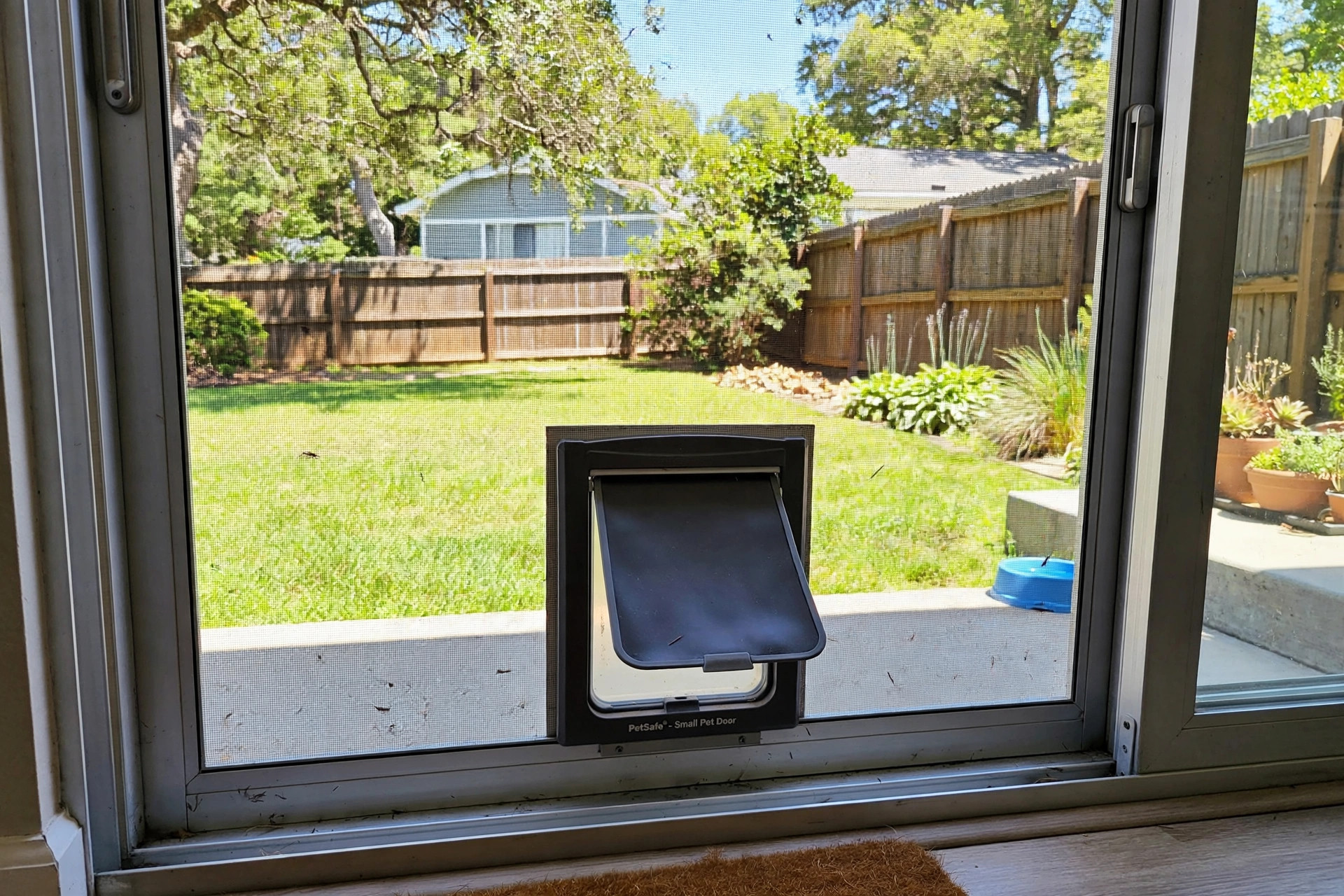

A dog needs to go out many times each day. A pet door for screen door installation dogs lets your dog pass through the screen door on its own. You no longer need to stand up each time the dog paws at the door. This guide explains what a screen door pet door is, why it matters for dog owners, which types are sold, what to look for when you shop, how much it costs, and how to install and care for one.
Why a Screen Door Pet Door Matters for Dogs
Dogs learn routines fast. When a dog can go out through the screen door without help, the whole house runs more calmly. The dog does not bark at the door. The screen stays closed against flies and mosquitoes. In warm months, a pet door set in the screen gives the dog free access to the yard while fresh air still flows through the house.
Screen doors are common on patios, porches, and sliding glass doors in American homes. Cutting a pet opening into a regular door is a big job. A pet door for screen door installation dogs is a smaller, simpler answer. It fits into the screen panel. It can often be removed later, which matters for renters. And it gives an older dog or a puppy a way out during house training, which cuts down on indoor accidents.
Families with active dogs see another gain. A dog that can run out to fetch can spend energy on its own. An automatic ball launcher for energetic dogs pairs well with a yard the dog can reach by itself. The pet door, the launcher, and the open yard work as one system for a busy dog.
What to Look For When You Choose: Pet Door for Screen Door Installation Dogs
Start with the size of your dog. Measure the dog at the shoulders and across the chest. The flap should be taller and wider than the dog by at least two inches. A small terrier needs a different door than a large Labrador. Many makers print size charts. Use them. A door that is too small makes the dog squeeze. A door that is too large lets in weather and small pests.
Next, look at the frame. Most pet doors for screen doors use an aluminum or plastic frame that clamps around a cut in the screen mesh. Aluminum frames last longer. They resist bending when a large dog pushes through. Plastic frames cost less and suit light dogs. Check that the frame fits the thickness of your screen door.
The flap is the working part. Soft vinyl flaps are quiet and easy for shy dogs to learn. They wear out sooner in strong sun. Magnetic flaps close on their own and seal against wind. Brush-sealed doors hold up well against dust. Some models use a rigid flap with a lock. A lock helps at night or when you leave the house.
Think about where the door sits in the screen. Most owners place it at the bottom of the door. This keeps the dog low and the opening small. If your screen door slides, look for a model made for sliding doors. If it swings, a standard screen insert works.
Ease of installation matters too. Some doors need only a utility knife, a ruler, and a screwdriver. Others need the screen spline tool to reset the mesh. If you have never cut a screen, pick a kit that clamps on and lets you tighten screws instead of cutting. Product pages at Chewy list tools needed for each model, which helps you judge the job before you buy.
Reading Reviews the Right Way
Online reviews tell you how a door holds up with real dogs. Look for reviews from owners with dogs of your size. A door that works for a Chihuahua may fail for a boxer. Note any mention of dogs that chew flaps. Note any mention of the flap blowing open in wind. Guides at The Spruce Pets test common models and note which seals hold best.
Warranty and Spare Parts
Flaps wear out. That is normal. Choose a brand that sells replacement flaps and frames. A ten-dollar flap is better than a whole new door. Check the warranty length before you buy. One year is common. Some makers offer more.
Types of Pet Doors for Screen Doors
Several types serve different doors and dogs.
Clamp-on insert doors. These fit into a hole cut in the screen and clamp tight with screws. They are the most common type. They suit swinging screen doors and porch doors. Installation takes under an hour.
Sliding door inserts. These are tall panels that drop into the track of a sliding glass door. The bottom holds a small pet flap. They need no cutting at all. They work for dogs of most sizes because the panels come in several heights.
Magnetic screen doors. These are not rigid doors. They are a mesh curtain with magnets down the middle. The dog walks through, and the magnets snap shut. They cost little and install in minutes with tape or tacks. They do not seal as tightly as a framed door. They suit mild climates and calm dogs.
Locking pet doors. These add a sliding lock panel over the flap. You can block the door at night. This type helps owners who worry about stray animals entering through the flap.
Electronic pet doors. A collar tag opens the flap only for your dog. These cost more. They run on batteries. They suit homes where raccoons or neighborhood cats are a problem. Reviews on PetMD note that training a dog to use an electronic door takes patience but works well.
Cost and Price
Prices run wide. A basic magnetic screen curtain costs between ten and twenty-five dollars. A clamp-on pet door for screen door installation dogs costs between twenty-five and eighty dollars, based on size and brand. A sliding door insert panel costs between eighty and two hundred dollars. An electronic model can cost between one hundred fifty and three hundred fifty dollars.
Installation cost is separate if you hire help. A handyman may charge fifty to one hundred dollars to fit a clamp-on door. Sliding inserts need no tools and need no hired help. Spare flaps cost eight to twenty dollars. Re-screening a door, if you ever remove the pet door, costs a handyman about the same as fitting one.
Shop around. Prices at Home Depot and Lowe’s are close for common brands. Online sellers like Walmart and Target often run sales in spring, when owners set up patios for the season. Amazon carries a wide range but read sizing charts with care.
How to Install the Door
Most dog owners can fit a screen door pet door in an afternoon. The steps below cover a standard clamp-on model.
1. Measure the dog. Note shoulder height and chest width. 2. Mark the cut line on the screen. Place it near the bottom of the door, centered left to right. 3. Cut the screen with a sharp utility knife. Cut a little smaller than the frame. You can trim more later. 4. Set the inner frame in the hole from the inside. Set the outer frame from the outside. 5. Tighten the screws a little at a time, working around the frame. Keep the frame even. 6. Test the flap. It should swing both ways and close flat. 7. Train the dog. Hold the flap open and call the dog through with a treat. Repeat until the dog pushes through alone.
If your door uses a spline and rolled mesh, you may need to remove the screen from the frame first. This is common on older doors. A spline roller costs a few dollars at any hardware store. Take your time. A neat cut makes a neat fit.
Renters should check the lease. A cut in a screen is a small change, but some leases ask for written approval. Keep the old screen if you replace it. A sliding insert needs no cutting and leaves no trace, which makes it the best choice for rentals.
Care and Upkeep
A screen pet door needs little care. Wipe the frame with a damp cloth once a month. Dust and pet hair build up in the corners. Check the flap for cracks or stiff spots each season. Sun and heat age vinyl flaps. A cracked flap will not seal, and it can scratch the dog.
Tighten the frame screws twice a year. Dogs push hard, and screws loosen over time. A loose frame lets the screen tear at the edges. If the mesh around the frame frays, patch it with screen repair tape. For larger tears, re-screen the whole door. Screen kits cost little and take about an hour.
Clean around the door inside the house. Dogs track dirt through pet doors. A small rug at the door catches most of it. A pet hair vacuum for hardwood floors keeps the entry area clean where the dog comes and goes all day.
In winter, cold air comes through the flap. A brush-sealed or magnetic flap cuts drafts. Some owners add a temporary lock panel at night. If you live where winters are hard, take the door out for the season and store it flat. You can refit it in spring in minutes.
Safety
Safety comes first with any pet door. The flap must swing free and never stick. A stuck flap can trap a nervous dog. Test the flap by pushing it from both sides each month.
Size the door to your dog only. A door large enough for a big dog can admit a person in some cases. For ground-floor doors, this is a real concern. Use the lock panel at night or when you are away. Keep the door locked on the same nights you lock the house.
The ASPCA notes that outdoor access raises risks from traffic, other animals, and weather. A fenced yard with a pet door is safer than an open yard. Make sure the fence has no gaps a dog can slip through. Keep fresh water in the yard. In summer heat, a dog should be able to come back inside to cool air.
The AKC reminds owners that not every dog learns a flap right away. Nervous dogs may need weeks of short, calm training. Never push or force the dog through the flap. Patience builds trust, and trust makes the door a tool the dog enjoys.
Screens tear. A torn screen near a pet door lets bugs in. It can also leave sharp wire ends if the door uses metal mesh. Use fiberglass mesh, which has no sharp ends. Check the edges of the cut each month for fraying.
FAQ
Can any screen door take a pet door?
Most standard aluminum and wood screen doors can take one. Very thin or damaged screens may tear during cutting. Sliding glass door screens work best with sliding insert panels. Storm doors with glass panels need a different type of pet door.
Will the flap scare my dog?
Some dogs learn in a day. Others need weeks. Start by taping the flap open so the dog walks through a hole. Lower the flap a little each day. Treats and praise speed the process. Soft flaps are easier for shy dogs than rigid ones.
Do pet doors let bugs and rain inside?
A well-fitted door with a magnetic or brush seal keeps most bugs out. Heavy rain can push water under a soft flap. Place the door where it has some cover, such as under a porch roof. A small awning above the door helps too.
Can wild animals come through the door?
A door sized for a small dog can admit cats, raccoons, or opossums. Lock the door at night. An electronic door that reads a collar tag blocks all animals but your dog. Keep food bowls away from the door so scents do not draw visitors.
How long does a screen pet door last?
The frame can last ten years or more. Flaps wear out in two to five years, based on sun and use. Buy from a brand that sells spare flaps. Replacing a flap takes five minutes.
Does a pet door work for cats too?
Yes, but size it for the smaller animal. Many cat owners use the same type of door. A large dog door admits a cat easily, but a small cat door will not admit a dog. If you keep both, note that indoor cats use climbing furniture; a cat tree for Maine Coon large breed is a common pick for big cats in the same home.
A Short Final Word
A pet door for screen door installation dogs is a small change with a large effect. The dog gains freedom. The owner gains quiet. Choose the right size, pick a sturdy frame, fit the flap with care, and train the dog with patience. Keep the door clean, check it each season, and lock it at night. Done this way, the screen door becomes the best door in the house for your dog.
References
Amazon. (n.d.). Online shopping. https://www.amazon.com American Kennel Club. (n.d.). Dog care and training resources. https://www.akc.org ASPCA. (n.d.). Pet care and animal welfare resources. https://www.aspca.org Chewy. (n.d.). Pet supplies. https://www.chewy.com Lowe’s. (n.d.). Home improvement products. https://www.lowes.com PetMD. (n.d.). Pet health information. https://www.petmd.com Target. (n.d.). Retail store. https://www.target.com The Home Depot. (n.d.). Home improvement products. https://www.homedepot.com The Spruce Pets. (n.d.). Pet care guides and product reviews. https://www.thesprucepets.com Walmart. (n.d.). Everyday low prices. https://www.walmart.com
Was this guide helpful?

About Michael Thompson
The My Garden US editorial team writes practical, in-depth home and garden guides for American homeowners — tested advice, no fluff.
You May Also Like
Best Pet Odor Eliminator for Yard and Grass: A Practical Guide
September 1, 2026 0 views
The Best Dog Crate for Anxious Dogs: Escape Proof Choices That Keep Pets Calm and Safe
January 8, 2026 0 views
Cat Enclosure for Balcony Apartment Living in the USA
January 28, 2026 0 views