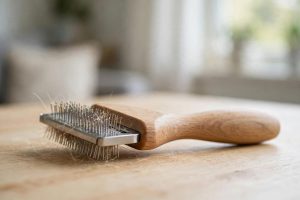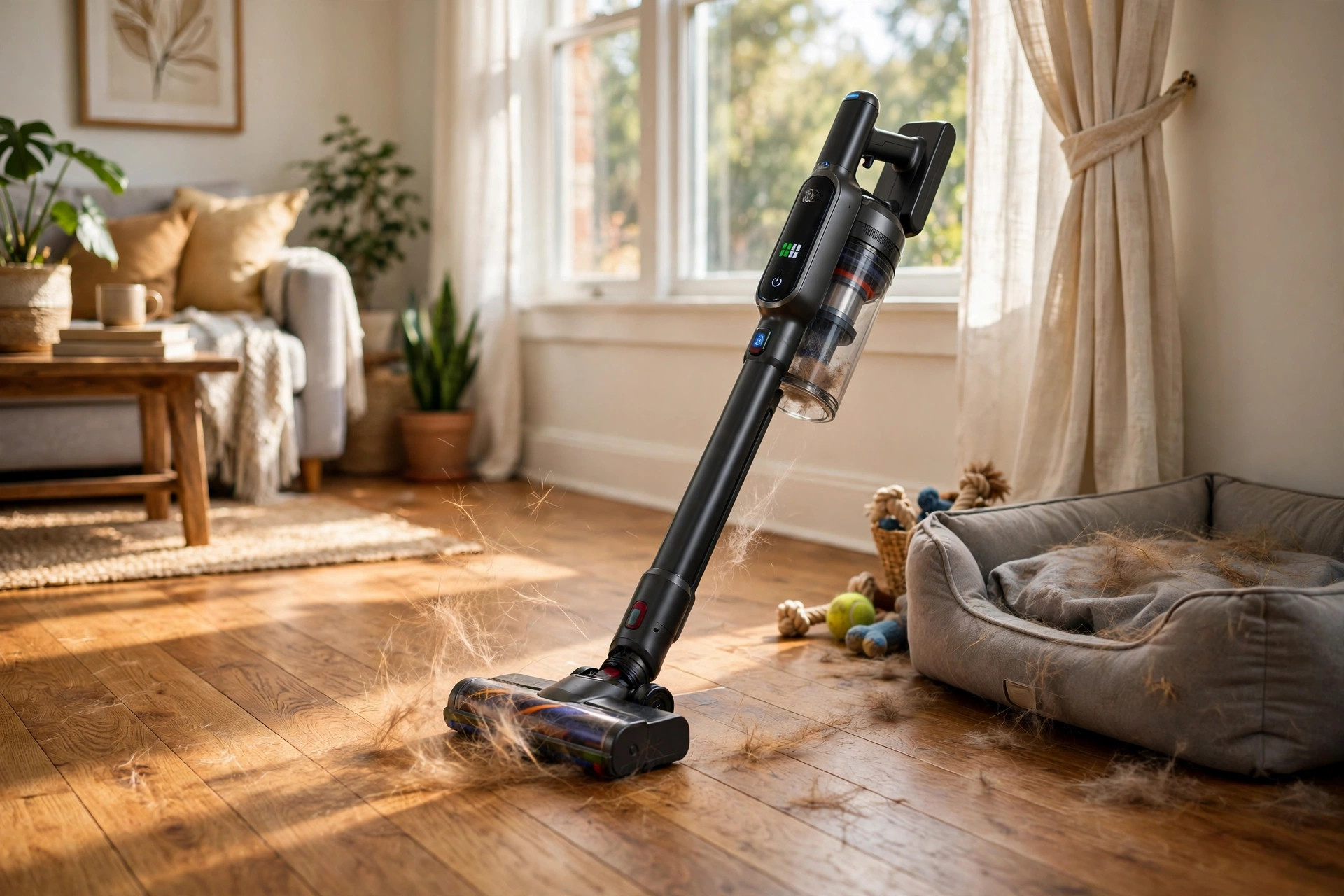

A dog or a cat brings joy to a home. It also brings hair. Pet hair settles on hardwood floors every day. It gathers in corners. It drifts under the sofa. It sticks to socks and shows up in plain daylight. The best pet hair vacuum for hardwood floors can end this daily struggle. The wrong vacuum can make it worse. It can scatter hair, scratch the finish, or blow dust back into the air.
This guide explains what matters when you shop. It covers the types of vacuums, the features to look for, the prices you can expect, and the care that keeps a vacuum working for years. The advice is plain and practical. It is written for pet owners who want clean floors without damage and without fuss.
Why Hardwood Floors Need Special Care
Hardwood is beautiful. It is also less forgiving than carpet. Hair sits on the surface where everyone can see it. A vacuum that works well on carpet may be a poor match for wood.
Many upright vacuums have stiff rotating brush rolls. These are made to dig into carpet fibers. On bare wood, the same brush roll can fling hair across the room. It can also leave fine scratches in the finish over time. Some models let you turn the brush roll off. Others have a soft roller made for bare floors. A soft roller lifts hair and dust without hurting the finish.
Weight matters too. A heavy machine can press grit into the floor as you push it. A light machine glides. Large hard wheels can dent soft wood. Many buyers check product testing notes at Consumer Reports for details on weight and wheel design before they choose.
Sealed filtration matters in a home with pets. Cheap vacuums leak fine dust back into the room. A sealed system with a good filter holds the dust inside. This helps people with allergies. It keeps the air as clean as the floor.
What to Look for in a Pet Hair Vacuum: Best Pet Hair Vacuum for Hardwood Floors
Shopping is easier when you know which features count. Here are the points that matter most for hardwood floors and pets.
Strong but Gentle Suction
Suction must be strong enough to pull hair from corners and along baseboards. It should not be so rough that it scratches. Look for a vacuum with suction control or a bare-floor mode. This lets you turn the power down on wood and up when you reach a rug. Many owners read pet care tips on the ASPCA website and then look for the same gentle approach in their tools.
The Right Brush Roll
A soft, fluffy roller is the best choice for bare wood. It touches the floor gently and sweeps hair into the cleaning head. Stiff bristles can fling hair and mark the finish. Some vacuums come with two heads: one for carpet and one for hard floors. Swap them as you move from room to room.
Hair That Does Not Wrap
Long pet hair wraps around a brush roll. You then cut it off with scissors. Some newer models have tangle-free heads with combs or angled bristles. These push hair toward the suction instead of winding it up. If you have a long-haired dog, this feature saves real time.
Weight and Steering
A vacuum under twelve pounds is easy to carry up stairs. Swivel steering helps you reach under chairs and tables. A slim head fits under the sofa where hair collects. Test the feel in your hands if you can. A comfortable handle matters when you vacuum every day.
Good Attachments
A crevice tool reaches into corners and along baseboards. A dusting brush cleans shelves and blinds where dander settles. An upholstery tool lifts hair from the sofa and the dog bed. Tools that store on the machine are easy to grab. Tools kept in a closet get used less.
Filtration
A sealed HEPA filter traps fine dust and dander. It must be a true sealed system, not just a filter added to a leaky body. Washable filters save money. Replaceable filters cost a few dollars a year. Either choice is fine if you clean or change the filter on schedule.
Cord or Cordless
Corded vacuums run as long as you need. They tend to have stronger suction for less money. Cordless stick vacuums are light and fast to grab. They run twenty to forty minutes per charge. Think about the size of your home. A small apartment is easy for a cordless stick. A large house may need a corded machine or two batteries.
Noise Level
Pets hear better than we do. A loud vacuum can scare a cat or a shy dog. Look for models listed under seventy-five decibels. Vacuum when the pet is in another room at first. Over time, most pets learn the sound is harmless. Advice on helping pets adjust can be found through articles at PetMD.
Types of Vacuums for Hardwood Floors
Four main types suit homes with pets and wood floors. Each has strengths.
Stick vacuums. These are slim and light. Most are cordless. They stand in a corner on a charging dock. You can grab one for a two-minute cleanup after the dog shakes. They suit daily hair control. Their bins are small, so you empty them often.
Canister vacuums. The motor rides in a canister that pulls behind you. The cleaning head is light and easy to steer. Canisters are gentle on floors and very good at edges. They cost more and take more storage space. They suit larger homes with lots of bare floor.
Upright vacuums. Uprights are strong and familiar. Many now have a hard-floor setting that stops the brush roll. They are heavier and harder to steer under furniture. They suit homes that mix wood floors with wall-to-wall carpet.
Robot vacuums. A robot runs on a schedule while you are out. It keeps hair from piling up between deeper cleanings. It cannot replace a full-size vacuum. It is a helper, not a full solution. Many owners pair a robot with a stick vacuum for quick work. Reviews of robot models appear regularly at Good Housekeeping.
Shoppers often compare prices and models at Chewy, which stocks a wide range of pet-focused cleaning tools alongside pet supplies.
Cost and Price
Prices vary widely. A simple stick vacuum for bare floors can cost under one hundred dollars. It will pick up hair on wood. It may lack strong filtration or long battery life.
Mid-range models run from one hundred fifty to three hundred fifty dollars. This is the sweet spot for most pet owners. You get a soft roller head, good filtration, decent battery life, and useful tools. Many of the best-selling pet vacuums sit in this range.
Premium models cost four hundred dollars and up. They add longer run times, laser dust lights, self-emptying docks, and very strong sealed filtration. They suit homes with several shedding pets or allergy concerns.
Do not forget running costs. Bags cost money if the model uses them. Filters need washing or replacing. Batteries wear out after a few years on cordless models. A cheaper vacuum that needs new filters every month can cost more over time than a pricier one with washable parts.
Watch for sales in spring and around major holidays. Prices drop when new models arrive. Buying last year’s model is often the best value. Breed and coat information from the AKC can help you judge how much shedding you will face, and thus how much vacuum you truly need.
Care and Upkeep
A vacuum lasts longer with simple care. These habits take minutes.
Empty the bin or bag before it gets full. A full bin cuts suction in half. Wash or shake out the filter once a month. Let a washed filter dry for a full day before you put it back. A damp filter grows mold and smells.
Check the brush roll every few weeks. Pull off wrapped hair and thread. Wipe the wheels with a damp cloth. Hair caught in a wheel axle can scratch the floor as the wheel drags.
For cordless models, do not leave the battery on the charger for weeks unused. Use the vacuum regularly. Store it in a dry place. Extreme heat in a garage shortens battery life.
Clean the floor itself too. Grit underfoot acts like sandpaper. A quick daily pass with the vacuum removes the grit before it scratches. Then mop with a cleaner made for hardwood once a week. Never soak the floor. Water is the true enemy of wood.
Pet owners who keep a tidy home often find that small tools help between vacuum sessions. A self-cleaning litter box for busy cat owners cuts down on tracked litter, which means less grit on the wood. A dog car seat cover for back seat protection keeps the car clean, so less dirt rides in on paws and coats.
Safety
Vacuums are safe when used with care. Keep cords away from walkways to avoid trips. Unplug a corded vacuum before you clear a jam or change a bag. Let the motor cool if it shuts off from heat. A hot motor that keeps tripping may have a blocked hose.
Keep small pets away from a running vacuum until they are used to it. Never vacuum up large objects, liquids, or fine powders like drywall dust unless the manual allows it. These can damage the motor or clog the filter.
Store cleaning tools where children cannot reach sharp crevice tools. Keep bags and small parts away from toddlers. Read the manual once. It takes ten minutes and prevents most mistakes.
Water and pet bowls deserve a note. Wipe up spills near the food area before you vacuum. A best pet water fountain for multiple cats keeps drinking water tidy, but splashes still happen. Wet hair clogs a vacuum fast. Dry the spot first, then vacuum.
FAQ
How often should I vacuum hardwood floors with pets? Every day is best in shedding season. A quick pass takes five minutes with a stick vacuum. Twice a week is the minimum in a home with one short-haired pet. Hair left on the floor gets ground in by foot traffic.
Will a vacuum scratch my hardwood floors? A vacuum made for bare floors will not scratch if the wheels and head are clean. Damage usually comes from grit stuck to wheels or a stiff brush roll meant for carpet. Use the bare-floor setting and check the wheels monthly.
Are bagged or bagless vacuums better for pet hair? Both work. Bagged models hold more and keep dust sealed when you toss the bag. Bagless models cost less to run but you face the dust when you empty the bin. Allergy sufferers often prefer bagged. Busy owners often prefer bagless for the lower cost.
Can a robot vacuum handle heavy shedding? A robot helps with daily upkeep but struggles with heavy shedding alone. Its bin is small and fills fast. It works best as a partner to a full-size vacuum. Run the robot daily and do a deep vacuum weekly.
What is the best vacuum type for mixed wood and carpet? A canister with two heads or an upright with a brush-roll switch handles both. You change the head or flip a switch as you move between surfaces. A stick vacuum with a combo head also works in smaller homes.
How do I stop pet hair from wrapping around the brush? Choose a tangle-free head with a built-in comb. Vacuum more often so less hair builds up at once. Cut away wrapped hair with scissors every few weeks. Short regular sessions beat one long monthly battle.
A Short Final Word
The best pet hair vacuum for hardwood floors is the one you will actually use. A light stick vacuum by the door gets used daily. A heavy machine in the closet gets used monthly. Match the vacuum to your home, your pets, and your habits.
Look for a soft roller, gentle but strong suction, and sealed filtration. Keep the brush roll clear and the filter clean. Pair daily quick passes with a weekly deeper clean. Your floors will stay smooth and bright. Your pets will keep shedding, but that is a small price for their company.
Buying guides are also published by The Spruce Pets and The Home Depot.
References
American Kennel Club. (n.d.). Dog care and training resources. https://www.akc.org ASPCA. (n.d.). Pet care and animal welfare resources. https://www.aspca.org Chewy. (n.d.). Pet supplies. https://www.chewy.com Consumer Reports. (n.d.). Product reviews and ratings. https://www.consumerreports.org Good Housekeeping. (n.d.). Product reviews and home advice. https://www.goodhousekeeping.com PetMD. (n.d.). Pet health information. https://www.petmd.com The Home Depot. (n.d.). Home improvement products. https://www.homedepot.com The Spruce Pets. (n.d.). Pet care guides and product reviews. https://www.thesprucepets.com
Was this guide helpful?

About Sarah Mitchell
The My Garden US editorial team writes practical, in-depth home and garden guides for American homeowners — tested advice, no fluff.
You May Also Like
Pet Steps for Truck Bed Access for Large Dogs
May 20, 2026 0 views
How to Choose an Automatic Pet Feeder for Dogs with Camera
May 22, 2026 1 views
Best Dog Whistle for Recall Training Hunting: A Plain Field Guide
September 16, 2026 0 views