
If you want to learn how to start a cut flower garden, you are in good company. A cutting garden is a small plot of land set aside for one purpose: to grow flowers for the vase. It is not a show garden. It is not meant to be perfect. It is a working garden. You plant flowers, you cut them, and you bring them inside. Every stem you cut tells the plant to grow more. That is the simple joy of it.
Many people think they need a large farm to do this. They do not. A patch four feet wide and eight feet long can fill your home with fresh bouquets from June until the first frost. You need sun, soil, seed, water, and a pair of sharp shears. This guide will walk you through each step in plain terms.
Why It Matters
A cut flower garden changes the way you see flowers. A bunch of store flowers costs ten or fifteen dollars and lasts a week. A packet of zinnia seed costs three dollars and can give you hundreds of stems. The math is simple. But the real value is not the money. It is the habit. You step outside in the morning with a basket and a cup of coffee. You cut what is fresh. You arrange it in a jar on the table. It is a small daily pleasure that store flowers cannot give.
There is another reason. Many cut flowers sold in shops travel long distances. They are grown with heavy chemicals and shipped in cold trucks. A home cutting garden lets you grow blooms without that cost. You choose what to spray, or you choose not to spray at all. You control the whole process, from seed to table.
For families, the garden is also a classroom. Children can watch a seed turn into a stem and a stem into a flower. They can cut their own small bunch and give it to a neighbor. No lesson book teaches patience as well as a garden does.
What to Look For and How to Choose Your Site: How to Start a Cut Flower Garden
Sunlight
Flowers grown for cutting need full sun. That means at least six hours of direct light each day. Eight is better. Walk around your yard and watch where the sun falls. A spot near a fence or along a garage wall often works well. Do not hide the plot behind the house or under a large tree. Shade will give you weak stems and few blooms.
Soil
Most cutting flowers want loose soil that drains well. Heavy clay holds water and rots roots. Sandy soil dries out too fast. You can test your soil with your hands. Pick up a handful of damp earth and squeeze it. If it forms a ball that crumbles when poked, it is close to right. If it stays in a hard lump, it needs work.
Add compost. A two-inch layer of compost worked into the top six inches of soil will help almost any ground. Compost feeds the plants slowly and keeps the soil soft. You can read more about soil care and good garden tools on sites such as The Spruce or Bob Vila, which keep full guides for home gardeners.
Water
A cutting garden needs steady water. A rain shower now and then is not enough. One inch of water per week is the common rule. A simple soaker hose laid along the rows will save you time and keep leaves dry. Dry leaves mean fewer diseases. You can find soaker hoses and timers at any large garden center, such as Home Depot or Lowes.
Size and Shape
Keep it simple. Long rows are easier to reach than wide blocks. A bed three or four feet wide lets you reach the middle from either side without stepping on the soil. Step on wet soil and it packs down hard. Hard soil slows root growth.
Types and Options: What to Plant
Start With Easy Annuals
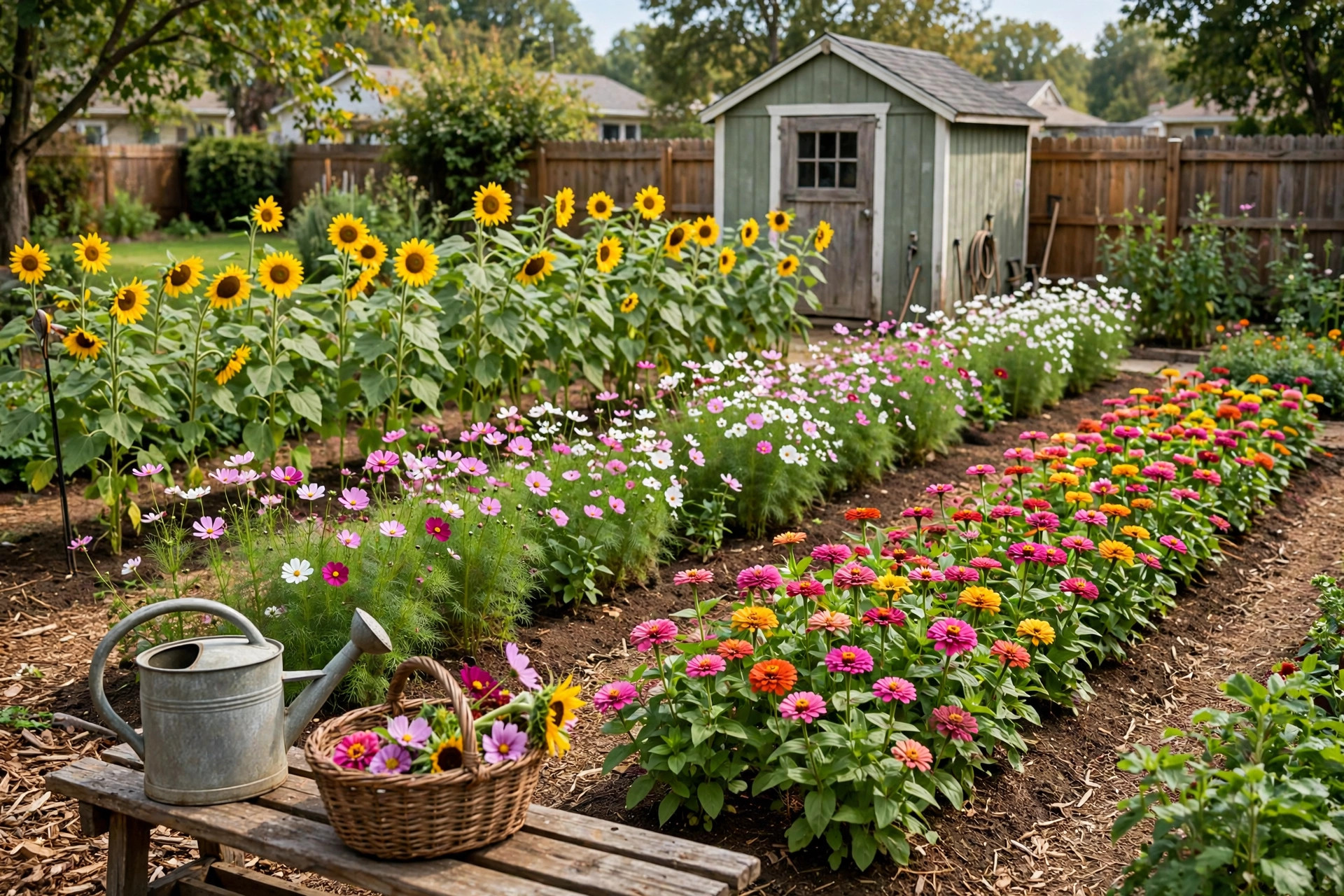
Annuals grow, bloom, and die in one season. They are the backbone of a cutting garden. The best ones for beginners are zinnias, sunflowers, cosmos, and snapdragons. They grow fast from seed. They bloom for months. And the more you cut, the more they bloom. This is called “cut and come again.”
Zinnias are the star. They come in every color but blue. Their stems are strong. They last ten days or more in a vase. Plant them after the last frost, one inch apart, and they will cover a bed in color by midsummer. You can buy zinnia seed from trusted seed houses such as Burpee.
Sunflowers need more room. Give each plant six to twelve inches of space. Choose branching types if you want many small heads, or single-stem types if you want one big head per plant. For variety, try cosmos. Cosmos grows tall and airy, with soft fern-like leaves. It blooms in pink, white, and red. It asks for almost nothing and gives a great deal.
Add Perennials for the Long Term
Perennials come back year after year. They cost more at the start, but they save work later. Good cutting perennials include coneflowers, black-eyed Susans, daisies, and yarrow. Plant them along the back of the bed where their roots can stay put.
If you live in a cold climate, check which plants survive your winter. A good place to start is a guide on cold hardy plants for zone five, which lists flowers that can take a hard freeze and return in spring.
Bulbs and Filler Greens
Spring bulbs give you flowers when little else blooms. Plant daffodils and tulips in the fall for cut stems in April. For filler, grow bells of Ireland, feverfew, or dill. A bouquet needs green leaves as much as it needs bright flowers. Herbs such as basil and mint also make fine filler, and they smell sweet in the vase.
Cost and Price: What It Takes to Begin
Starting a cutting garden is one of the cheapest garden projects you can try. Here is a rough list for a bed about four feet by eight feet.
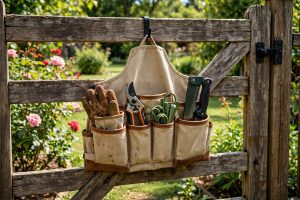
– Seeds: 10 to 25 dollars. One packet of each type is enough for a first year. – Compost: 10 to 30 dollars for a few bags, or free if you make your own. – Hand tools: 20 to 50 dollars. A hand trowel, a rake, and a hoe will do most jobs. – Pruners or flower snips: 15 to 40 dollars. Sharp cuts keep stems healthy. – Soaker hose: 10 to 20 dollars.
A full start can cost under one hundred dollars. In later years, you will need less. You can save seed from open-pollinated flowers. You can split perennials. You can make your own compost. The garden pays you back many times over in flowers.
When you buy tools, buy the best you can afford. A cheap pruner goes dull fast and crushes stems. Good brands such as Fiskars and Corona Tools make shears that stay sharp for years. Independent reviews on sites like Consumer Reports can help you compare before you buy.
Care and Upkeep Through the Season
Planting
Wait until the danger of frost has passed before you plant tender seed. Check the date of the last frost for your area. Plant large seed, like sunflowers, directly in the ground. Start small seed, like snapdragons, indoors six weeks early if you want earlier blooms. Cover seed trays with plastic to hold in warmth. This is where many beginners go wrong, so it is worth reading a seed starting mistakes to avoid guide before you begin.
Watering and Feeding
Water deeply and less often. This trains roots to grow down. Shallow daily watering keeps roots near the surface, where they dry out fast. A layer of mulch, two inches of straw or shredded bark, holds water in the soil and keeps weeds down.
Feed the bed once or twice in the season. A balanced fertilizer, worked lightly into the soil, is enough. Too much nitrogen gives you tall green leaves and few flowers. Follow the label. More is not better.
Cutting
Cut in the cool of the morning or in the evening. Stems hold more water then. Use sharp snips and cut at an angle. The angled cut gives the stem a wider face to drink from. Take the stem deep into the plant, down to where a side bud waits. That side bud will grow into your next flower.
Put cut stems in water right away. Bring a bucket of cool water to the garden with you. Do not let cut stems lie in the sun. Inside, strip off any leaves that would sit below the water line. Leaves in water rot and cloud the jar.
Deadheading and Weeding
Pick off spent blooms at least once a week. A plant that is allowed to make seed will stop making flowers. This is called deadheading. Pull weeds while they are small. A weed pulled early saves an hour later. The family at Family Handyman keeps simple seasonal checklists that help you stay on schedule.
A Place to Rest and Work
A cutting garden means many small trips with a basket. A simple bench at the end of the bed gives you a place to sit, sort stems, and rest your back. If you are shopping for one, read a few best garden bench for backyard reviews first. And for plain advice on raised beds, trellises, and bed frames, Gardeners Supply has clear how-to guides.
Safety in the Garden
Gardening is safe work, but a few habits will keep it that way.
– Wear gloves. Soil hides sharp stones, thorns, and the odd splinter. Gloves also protect against skin irritation from some plant saps. – Wear sunscreen and a hat. Hours in full sun add up fast. – Keep tools clean and sharp. A dull blade slips. Wipe blades with oil after use so they do not rust. – Read labels. If you use fertilizer or pest spray, follow the directions exactly. Keep chemicals locked away from children and pets. – Drink water. It is easy to lose track of time in a garden.
Frequently Asked Questions
How much sun does a cut flower garden need?
Six hours of direct sun is the minimum. Eight or more is better. Most cutting flowers grow weak and leggy in shade. If your yard has only part sun, choose shade-tolerant flowers such as impatiens or astilbe, but know that your stem count will be lower.
When should I plant my cutting garden?
Plant after your last spring frost. For most of the country, this falls between late April and late May. Cool-season flowers such as snapdragons and sweet peas can go in a few weeks earlier. Warm-season flowers such as zinnias and sunflowers wait until the soil is truly warm.
How often should I cut flowers?
Cut every two or three days at the height of the season. Frequent cutting is the whole secret. Each cut wakes up side buds. A bed that is cut hard in July will bloom harder in August. Do not be shy with the shears.
Do I need a greenhouse or special equipment?
No. A cutting garden grows fine in open ground. A greenhouse helps if you want very early blooms, but it is not needed. A sunny windowsill works for starting seed. Your main tools are a trowel, a rake, a hose, and sharp snips.
What is the easiest flower for a total beginner?
Zinnias. They sprout in days, bloom in weeks, and forgive mistakes. Plant them in full sun after frost, water them when dry, and cut often. If you can grow only one flower in your first year, make it zinnias.
How long do cut flowers last in a vase?
Most garden flowers last five to ten days indoors. Zinnias and sunflowers often reach ten days. Change the water every two days and trim a half inch off the stems each time. Keep vases out of direct sun and away from fruit bowls, since ripening fruit gives off gas that shortens bloom life.
A Short Final Word
To start a cut flower garden, you need less than you think. A sunny strip of ground. A bag of seed. A pair of sharp shears. The rest is habit: water, weed, cut, and cut again. The first summer will teach you more than any book can. Plant too much rather than too little. Cut boldly. Give bunches away. A cutting garden is one of the few projects where using it up makes it grow stronger. Begin this spring, and by midsummer you will wonder why you waited.
References
Bob Vila. (n.d.). Home improvement advice. https://www.bobvila.com Burpee. (n.d.). Seeds, plants, and gardening supplies. https://www.burpee.com Consumer Reports. (n.d.). Product reviews and ratings. https://www.consumerreports.org Corona Tools. (n.d.). Garden and landscape tools. https://www.corona-tools.com Family Handyman. (n.d.). DIY home repair and maintenance. https://www.familyhandyman.com Fiskars. (n.d.). Garden and cutting tools. https://www.fiskars.com Gardener’s Supply Company. (n.d.). Gardening tools and supplies. https://www.gardeners.com Lowe’s. (n.d.). Home improvement products. https://www.lowes.com The Home Depot. (n.d.). Home improvement products. https://www.homedepot.com The Spruce. (n.d.). Home and garden advice. https://www.thespruce.com
Was this guide helpful?

About Jennifer Lee
The My Garden US editorial team writes practical, in-depth home and garden guides for American homeowners — tested advice, no fluff.
You May Also Like
How to Choose the Best Garden Hose for RV Use
May 20, 2026 0 views
Best Garden Kneeler With Handles Reviews: A Complete Buying Guide
January 15, 2026 0 views
Best Garden Hose Reel Cart Reviews: Which One Is Worth Your Money
January 11, 2026 0 views