
Introduction
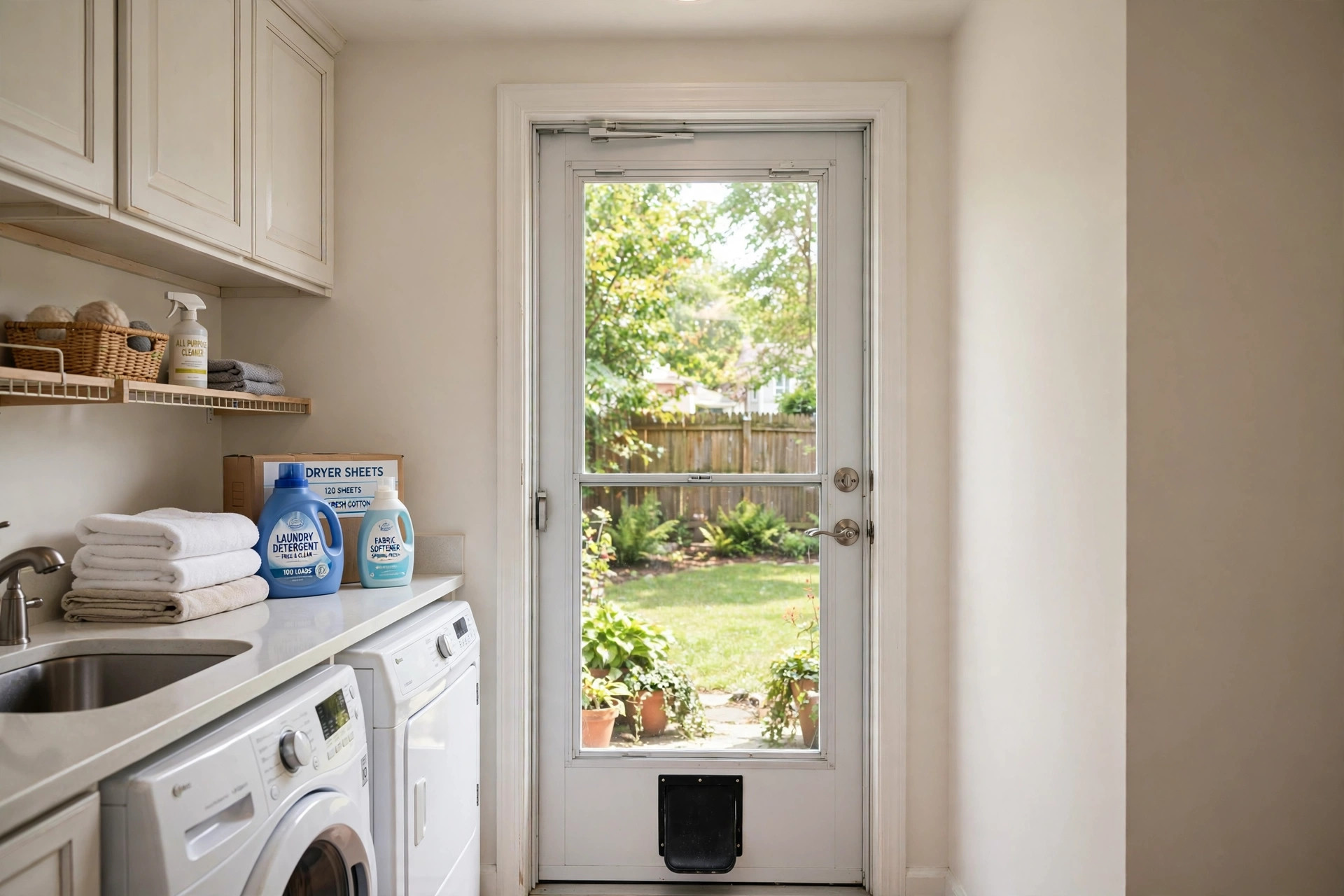
A storm door sits in front of the main door of a house. It adds light, air, and one more layer of weather protection. Many dog owners also see it as the right place for a dog door. Finding the best dog door for storm door installation takes some care, because a storm door is thinner and lighter than a solid wood or steel door. The wrong unit can rattle in the wind, let in drafts, or crack the door frame.
This guide walks through the choice step by step. It covers why a storm door makes a good spot for a pet door, what to measure, which types work best, what the job costs, how the fitting is done, and how to keep the door in good order for years. The aim is a quiet, safe passage that lets a dog come and go while the main door stays shut.
Why a Dog Door in a Storm Door Matters: Best Dog Door for Storm Door Installation
Most pet doors go into wooden or steel entry doors. A storm door is different. It is often made of aluminum or thin vinyl-clad wood. The lower panel, where a dog door fits, may be glass or screen. A flap set into this light frame must seal well. Storm doors are exposed to wind and rain every day. A loose flap will swing all night and let cold air into the house.
There is a strong reason to use the storm door anyway. Cutting a hole in the main entry door is a large and costly change. A storm door is less costly to replace if plans change. Many owners like the idea that the main door can stay closed and locked while the dog uses the outer door. In warm months, the storm door glass can be swapped for a screen, and the dog still comes through the same flap. Guides from Home Depot storm door resources explain how storm doors are built and which parts can be cut.
A dog door also saves time for the owner. No more trips to open the back door every hour. Dogs that can go out on their own tend to have fewer house accidents. Older dogs with weak bladders do well with free access to the yard. The American Kennel Club notes on the American Kennel Club site that regular outdoor access helps house training and daily exercise.
What to Look For Before You Buy
The best dog door for storm door installation is not the largest or the dearest. It is the one that fits the door and the dog. Start with these checks.
Measure the Dog, Not Just the Door
Have the dog stand square. Measure the width at the widest point, usually the shoulders or hips. Measure the height from the floor to the top of the shoulders. Add two inches to each figure. That gives the size of the opening the dog needs. A flap that is too small will rub the dog’s back. A flap that is too large will waste heat and let in drafts.
Check the Storm Door Itself
Look at the lower panel of the storm door. Note its width and height. Note what it is made of. Many storm doors have a removable glass insert. Some have a solid metal kick panel. A solid panel is the easiest place to cut. A glass panel needs a different approach, because glass must not be cut by hand tools. Measure the thickness of the panel. Most storm doors are between one inch and one and a half inches thick. The dog door you pick must fit that thickness. Project guides at Lowe’s project guides show how to measure door panels before cutting.
Flap Material and Weather Seal
The flap is the moving heart of the unit. Soft vinyl flaps are quiet and easy for small dogs to push. Rigid plastic flaps last longer and seal better in wind. In cold states, look for a double flap with an air gap between two sheets. That design cuts heat loss. Brush seals or magnetic strips around the frame stop the flap from swinging. A good seal keeps out rain, dust, and insects. Vet-reviewed pieces on PetMD pet care articles note that a well sealed flap matters for homes in cold or damp climates.
Lock and Security
A dog door is an extra opening in the house. Buy a unit with a sliding lock panel or a cover that fits over the opening at night. Some models have electronic locks that open only for a tag on the dog’s collar. This stops stray animals from walking in. ASPCA pet care resources advise owners to close or lock pet doors at night in areas with wildlife.
Types of Dog Doors That Fit Storm Doors
Dog doors come in several styles. Not all of them suit a light storm door frame.
Standard Flap Doors
These are the most common. A rectangular frame holds a flexible flap. They are light, simple, and low in cost. They fit well in the lower panel of most storm doors. Choose a model made for thin doors, often called a “storm door” or “thin door” model. They are sold widely through retailers such as Chewy pet supplies.
Rigid Panel Doors
These have a hard plastic or metal panel that swings on a hinge or slides up. They seal tightly and stand up to strong wind. They weigh more than flap doors. Check that the storm door frame can hold the weight without sagging. They work well in places with heavy rain or snow.
Electronic and Smart Doors
Electronic doors read a sensor on the dog’s collar and open only for that dog. They use a motor or a magnetic lock. They cost more and need batteries or a power supply. The added security pleases owners who worry about raccoons or stray cats. How-to pieces at Family-friendly pet guides cover how dogs learn to use electronic doors.
Panel Inserts for Sliding Doors
Some owners skip cutting the storm door and use a panel insert instead. These fit into a sliding door track and hold a dog flap. They are not cut into the storm door itself. If the home has a sliding door nearby, an insert may be simpler. A separate guide covers dog doors made for sliding glass doors.
Cost and Price
Prices vary by size, type, and brand. A basic flap door for a small dog often costs between twenty and fifty dollars. A mid-size rigid door may cost between sixty and one hundred twenty dollars. Large electronic models can cost two hundred dollars or more.
Installation adds to the cost if a handyman is hired. A simple cut-and-fit job in a solid panel may cost one hundred to two hundred dollars in labor. Glass panel work costs more, because the glass must be replaced with a cut panel or a new insert. Some owners do the job themselves with a jigsaw and a drill. That keeps the total near the price of the unit itself.
Do not forget small extras. Weatherstripping, screws, and caulk may add ten to twenty dollars. A lock panel often comes with the unit, but spares cost extra. Price listings on Wayfair and PetSafe dog door guides give a fair sense of the market before buying.
How the Installation Works
Fitting a dog door into a storm door is a careful but common job. Many owners finish it in an afternoon. The steps below give the general order. Always follow the template and instructions that come with the unit.
First, remove the storm door from its hinges and lay it flat on sawhorses. A flat door is safer to cut and easier to mark. Tape the cutting template to the lower panel at the right height. The bottom of the opening should sit two to three inches above the floor for most dogs.
Second, drill starter holes at the corners of the marked outline. Then cut along the lines with a jigsaw fitted with a fine metal blade. Aluminum cuts cleanly with a slow, steady feed. Wear safety glasses and gloves. Vacuum the metal chips as you go.
Third, test fit the frame in the hole. Trim small high spots until it slides in snug. Apply a thin bead of exterior caulk around the edge to block water. Set the inner and outer frames together and drive the screws. Do not overtighten, or the thin panel may bend.
Fourth, hang the door back on its hinges. Check the swing and the latch. Let the dog inspect the new flap. Most dogs learn in a day or two with treats and praise. Training notes on The Spruce home guides suggest holding the flap open at first so the dog sees the yard through it.
If the lower panel is glass, the job changes. Glass cannot be cut with a jigsaw. The common fix is to order a replacement panel with a pre-cut hole, or to swap the glass for a solid panel and cut that instead. A glass shop can cut a hole in tempered glass only before tempering, so plan ahead.
Care and Upkeep
A dog door needs little care, but regular checks keep it working well. Wipe the flap with warm soapy water once a month. Dirt on the flap wears the seal and makes it noisy. Check the screws twice a year. Storm doors flex in wind, and screws can work loose. Tighten them gently.
Look at the weather seal each season. Cracked or flat seals let in drafts. Most makers sell replacement flaps and seal kits. A new flap costs far less than a new unit. In winter, a small draft can be stopped with foam tape around the frame until a new seal arrives.
Keep the track area free of leaves and grit. Grit under the flap wears the edge and stops it from closing flat. A quick brush once a week is enough. Owners who pair the door with a sturdy fence for a large yard give the dog a safe place to roam once through the flap.
Safety
A dog door must be safe for the dog and the home. Cut edges must be smooth. File any sharp metal burrs before fitting the frame. The opening should be high enough that the dog does not drag its belly, but low enough that small or old dogs can step through with ease.
Watch for trapped paws. Flaps with strong magnets can pinch a timid dog. Test the flap with your hand first. If it snaps shut hard, choose a softer setting or a lighter flap. Puppies should use the door only under watch until they learn the motion.
Home security matters too. A large flap can admit a small intruder. Lock the panel at night and when the house is empty. Electronic doors add one more layer, since they open only for the collared dog. Keep the main entry door locked as well. The storm door is an outer layer, not a security door.
For homes with cats, a dog-size flap may let the cat out as well. Some owners add a safe outdoor enclosure for cats so all pets can enjoy fresh air without roaming free.
Frequently Asked Questions
Can any storm door hold a dog door?
Most can, but check the lower panel first. A solid metal or wood panel is ideal. A full-glass panel needs a replacement panel with a pre-cut hole. Very thin or damaged doors may flex too much. When in doubt, ask the door maker or a local installer.
What size dog door does my dog need?
Measure the dog’s shoulder height and body width, then add two inches to each. Buy the flap size that clears those figures. A flap that is too big wastes heat. A flap that is too small rubs the dog and wears out fast.
Will a dog door in a storm door let in cold air?
A cheap single flap will let in some air. A double flap with brush seals cuts drafts sharply. Caulk around the frame and keep the lock panel in place at night. In very cold states, an electronic door with a tight seal is the best choice.
How long does installation take?
A simple fitting in a solid panel takes one to three hours for a handy owner. Glass panel work takes longer, because a new panel must be ordered and cut. Hiring a handyman usually adds a day for scheduling.
Can I install the dog door myself?
Yes, if the panel is solid and you own a jigsaw and a drill. The unit ships with a template and screws. Take time with the measuring and cutting. Glass panels, thick frames, or doors under warranty are better left to a pro.
Will the dog door void my storm door warranty?
It can. Many makers void the warranty once the door is cut. Check the warranty terms before cutting. If the warranty matters, consider a no-cut panel insert for a nearby sliding door instead.
A Final Word
The best dog door for storm door installation is the one that fits the dog, seals against the weather, and locks at night. Measure twice, pick a unit made for thin doors, and cut with care. Done right, the storm door becomes a quiet gateway that serves the dog for years while the main door stays shut and secure.
References
American Kennel Club. (n.d.). Dog care and training resources. https://www.akc.org ASPCA. (n.d.). Pet care and animal welfare resources. https://www.aspca.org Chewy. (n.d.). Pet supplies. https://www.chewy.com Lowe’s. (n.d.). Home improvement products. https://www.lowes.com PetMD. (n.d.). Pet health information. https://www.petmd.com PetSafe. (n.d.). Pet water fountains and supplies. https://www.petsafe.net The Home Depot. (n.d.). Home improvement products. https://www.homedepot.com The Spruce. (n.d.). Home and garden advice. https://www.thespruce.com The Spruce Pets. (n.d.). Pet care guides and product reviews. https://www.thesprucepets.com Wayfair. (n.d.). Furniture and home goods. https://www.wayfair.com
Was this guide helpful?

About Michael Thompson
The My Garden US editorial team writes practical, in-depth home and garden guides for American homeowners — tested advice, no fluff.
You May Also Like
Dog Cooling Mat for Hot Summer Patios USA: A Simple Guide to Keeping Your Dog Cool
January 17, 2026 0 views
Best Outdoor Dog Toy for Fetch in Yard
March 9, 2026 0 views
Best Pet Safe Lawn Fertilizer for Dog Owners
January 27, 2026 0 views