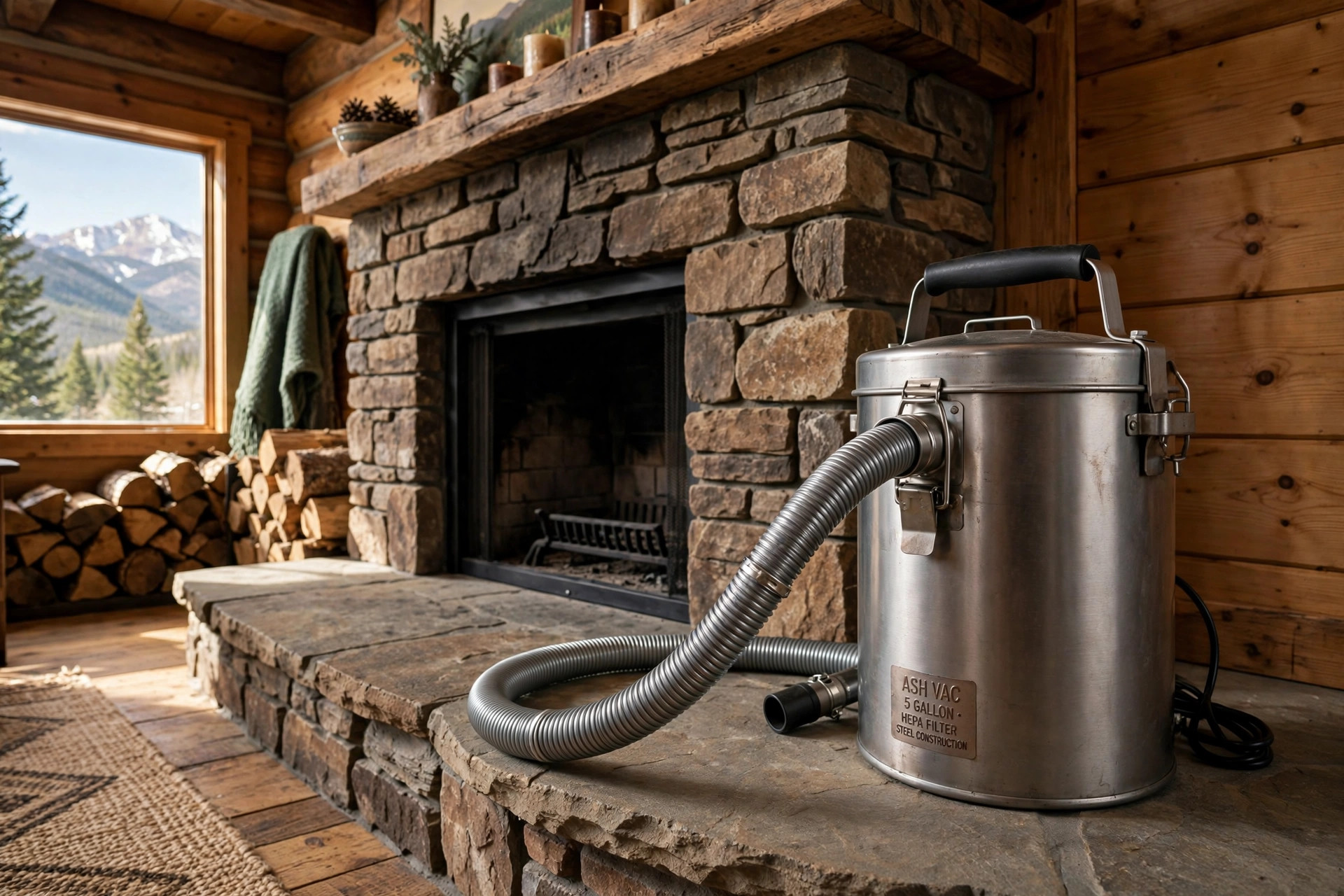

A cold morning in the Colorado mountains starts with the same small job. You wake up, you stir the stove, and you face a box of fine gray ash. If you want to know where to buy fireplace ash vacuums in colorado, the answer is simple. They are sold at home centers, hardware stores, hearth shops, and many online sellers. A good ash vacuum makes this daily task clean, fast, and safe. It pulls fine dust from the firebox without sending a cloud into the room. This guide walks through every place you can find one, what to look for, what you should expect to pay, and how to use the tool the right way.
Why a Fireplace Ash Vacuum Matters
A wood fire leaves behind more than charm. Each cord of wood makes many pounds of ash. A broom and a dustpan can move it, but they push fine dust into the air. That dust settles on floors, on shelves, and in curtains. It gets into carpets and takes hard work to pull out again.
An ash vacuum is built for this one job. It has a steel tank that will not melt from warm embers. It has a special filter that traps very fine ash instead of blowing it out the back. Many models also have a heat-safe hose. The difference is clear the first time you use one. The firebox comes clean in minutes. The room stays clear. Your clothes stay clean.
Colorado homes are well suited to this tool. Many houses in the Front Range and in the mountain towns burn wood through half the year. Some homes use a stove as the main heat. When you clean the box two or three times a week, a purpose-built tool saves hours over a long winter. It also cuts down on the fine dust that can bother people with allergies.
The tool is also safer than other methods. A shop vacuum is not made for ash. The fine dust can pass through its filter and fill the air. Worse, a live ember can sit in a plastic tank and start a fire. An ash vacuum avoids both problems by design.
Where You Can Buy One in Colorado: Where to Buy Fireplace Ash Vacuums in Colorado
Colorado has many places to buy a fireplace ash vacuum. You can find one in person or order it to your door. Each kind of store has its own strengths.
Big Home Centers
The large home improvement stores carry ash vacuums in the heating and seasonal aisle. Stores such as The Home Depot and Lowe’s stock several brands during the fall and winter months. You can see the box, lift the tank, and check the hose length before you buy. These stores often have the best prices, and they run sales in early autumn when heating season begins. If your local store is out, you can check the store website and have one sent to the store for pickup.
Local Hardware and Hearth Shops
Small hardware stores and fireplace specialty shops are worth a visit. The staff in these shops know hearth products well. They can tell you which model fits a small pellet stove and which one suits a large wood insert. Prices may be a little higher than at the big stores, but the advice has real value. Many hearth shops also service what they sell, which helps if a filter or hose needs to be replaced later.
Online Sellers
Online shopping gives you the widest choice. You can compare brands, read owner reviews, and check prices in a short time. Guides on sites such as Consumer Reports and Good Housekeeping can help you sort through the choices. The main drawback is that you cannot handle the tool first. Shipping to mountain addresses can also take a few extra days, so order before the first cold snap.
Farm and Ranch Supply Stores
Stores that serve rural areas often carry ash vacuums and stove parts. If you live outside the cities, check the farm supply store near you. They tend to stock sturdy models that hold up to heavy use, which suits homes that burn wood all winter.
What to Look For When You Shop
Not all ash vacuums are the same. A few key features decide how well the tool will work for you.
Filter Type
The filter is the most important part. Look for a fine filter made to catch ash dust. Some models have a washable filter, which saves money over time. A few have a double filter system that keeps the finest dust inside. Read the box to see what the filter catches. If you have allergies, a tighter filter is worth the extra cost.
Tank Size
Tanks range from about three gallons to eight gallons. A small tank is light and easy to carry, which suits a small stove or a fireplace that you clean often. A large tank means fewer trips to the ash bin, which suits a big wood insert or a home that burns all day. Remember that a full tank of ash is heavy, so do not buy a larger tank than you can lift with comfort.
Hose and Attachments
A long hose lets you reach into the firebox without moving the whole vacuum. Look for a metal or heat-safe hose rather than plain plastic. Crevice tools and brush attachments help clean the corners and the ash lip. A tool caddy on the side of the tank keeps the parts in one place.
Cord Length
A long power cord gives you room to work around the hearth. Ten to fifteen feet is a good range. If your outlet is far from the fireplace, you may need an extension cord rated for the tool. Check the wattage on the box before you choose one.
Ease of Cleaning the Tool Itself
After you empty the tank, you will want to clean the filter. Some models make this simple with a twist-off lid and a filter you can shake out or rinse. Others take more steps. A tool that is easy to clean will get used more often, so give this point some thought.
For a general look at how to judge home maintenance tools, the guides at Family Handyman are a useful starting point. A top rated chimney sweep services for homeowners page can also point you to a local professional who can advise on hearth care.
Types of Ash Vacuums
Shoppers will meet three main kinds of ash vacuums. Each has a place.
Canister ash vacuums. These are the most common. They look like a small steel can with a hose. They are simple, strong, and easy to store. Most homes do well with this type.
Ash vacuum attachments. Some brands sell a canister that fits onto a standard shop vacuum hose. This can work if you already own a strong shop vacuum, but the filter still has to be rated for fine ash. Read the fine print before you trust a plain filter.
Pellet stove ash vacuums. These are smaller units made for pellet stoves and tight fireboxes. They are light and easy to handle. If your only heater is a pellet stove, this size is often the best fit.
When you compare types, the project guides at Bob Vila and The Spruce offer clear overviews of hearth cleaning tools. A buy dryer vent cleaning kits online in arizona guide shows how similar specialty tools are judged, which can sharpen your eye.
Cost and Price in Colorado
Prices for fireplace ash vacuums fall into clear ranges. A basic model with a small tank and a simple filter often costs between fifty and ninety dollars. A mid-range model with a better filter, a longer hose, and a larger tank usually runs from ninety to one hundred and sixty dollars. Heavy-duty models with double filters and large steel tanks can cost one hundred and sixty dollars or more.
Prices in Colorado follow the season. In September and October, stores stock up and run sales. By January, the most popular models may sell out, and prices can rise. Buying early in the fall is the smart move. Replacement filters cost between ten and thirty dollars, and a filter often lasts one or two heating seasons with care.
Watch for added costs. If you order online, check the shipping charge to your zip code. Mountain addresses sometimes carry a surcharge. Some stores offer free pickup at the store, which removes that cost. A simple cost check before you click buy can save you twenty dollars or more.
Care and Upkeep of Your Ash Vacuum
A little care keeps the tool working for many years. After each use, empty the tank into a metal ash bin with a tight lid. Never dump ash into a paper bag or a plastic trash can. Even ash that looks cold can hold heat.
Clean the filter on a regular schedule. Tap it gently outdoors to shake loose the dust. If the filter is washable, rinse it and let it dry fully before you put it back. A damp filter will clog and lose suction. Once a season, check the hose for cracks or melted spots and look at the gaskets around the lid. A loose seal lets dust escape.
Store the vacuum in a dry place. A garage or a utility room works well. Keep it away from the stove itself, since long heat exposure can wear the parts. If you follow these steps, the vacuum should last through many winters of steady use. The repair guides at This Old House cover small fixes for common home tools.
If your cleaning needs go beyond the hearth, a quiet cordless stick vacuums for florida homes article shows how to judge household vacuums in general.
Safety Rules for Ash Cleanup
Ash looks harmless, but it can hide danger. Follow these rules every time you clean.
Wait for the fire to cool. Give the stove or fireplace at least twelve hours after the last fire before you vacuum. A glowing ember can burn through a hose or start a fire in the tank. When in doubt, wait longer.
Wear a dust mask. Even the best vacuum can stir a little dust when you move the hose. A simple dust mask keeps the fine particles out of your lungs. Gloves are also wise, since ash dries the skin.
Empty ash into metal only. Use a metal bin with a tight-fitting lid. Place the bin on a non-flammable surface, such as concrete, away from walls and woodpiles. Many house fires start in ash bins, so treat every load with care.
Keep the area clear. Move rugs, paper, and kindling away from the hearth before you start. Work with good light so you can see what you are doing. Keep children and pets out of the room while you clean.
Check local rules. Some Colorado towns have rules about how to store and dispose of ash. The federal guidance at the U.S. Environmental Protection Agency site covers safe handling of home heating waste and is worth a look.
Common Questions
Can I use a regular shop vacuum for fireplace ash?
You should not. A standard shop vacuum is not built for fine ash or for stray embers. The dust can pass through the filter and spread through the room. A hot ember can melt the tank or start a fire. An ash vacuum has a steel tank and a filter rated for this exact job.
How often should I clean out the fireplace?
Most wood burners clean the box once or twice a week during heavy use. Pellet stoves may need attention every few days. Do not let ash build up more than a few inches deep, since a thick bed can choke the airflow and make the fire burn poorly.
Where in Colorado can I buy replacement filters?
Replacement filters are sold at the same stores that carry the vacuums. Big home centers stock the common brands, and hearth shops can order the rest. Online sellers carry nearly every filter on the market. Buy a spare at the start of the season so you are not caught short in January.
Are ash vacuums safe for pellet stoves?
Yes, and many are made for them. Pellet stoves make a very fine ash that needs a tight filter. Look for a model sized for pellet use with a washable filter. Empty the small ash pan into the vacuum tank rather than scooping it by hand.
What should I do with the ash after I collect it?
Cool ash can go in the trash in most areas, but check your local rules first. Wood ash also works as a garden amendment in small amounts, since it adds minerals to the soil. Never spread ash from painted or treated wood. Store all ash in a metal bin with a lid until you are sure it is stone cold.
Do I still need a chimney sweep if I vacuum the ash myself?
Yes. Vacuuming the firebox is daily care, but it does not replace a chimney inspection. Creosote builds up inside the flue where a vacuum cannot reach. Have the chimney checked and cleaned by a professional once a year. This step is one of the most important parts of safe wood heating.
A Short Final Word
Finding where to buy fireplace ash vacuums in colorado takes little effort. Home centers, hardware stores, hearth shops, and online sellers all carry them. Choose a model with a good filter, a tank size that fits your stove, and a heat-safe hose. Buy early in the fall, treat the tool with care, and follow the safety rules each time you clean. Your hearth will stay tidy, your home will stay cleaner, and the long Colorado winter will feel a little easier.
References
Bob Vila. (n.d.). Home improvement advice. https://www.bobvila.com Consumer Reports. (n.d.). Product reviews and ratings. https://www.consumerreports.org Family Handyman. (n.d.). DIY home repair and maintenance. https://www.familyhandyman.com Good Housekeeping. (n.d.). Product reviews and home advice. https://www.goodhousekeeping.com Lowe’s. (n.d.). Home improvement products. https://www.lowes.com The Home Depot. (n.d.). Home improvement products. https://www.homedepot.com The Spruce. (n.d.). Home and garden advice. https://www.thespruce.com This Old House. (n.d.). Home renovation guidance. https://www.thisoldhouse.com U.S. Environmental Protection Agency. (n.d.). Protecting human health and the environment. https://www.epa.gov
Was this guide helpful?

About Jennifer Lee
The My Garden US editorial team writes practical, in-depth home and garden guides for American homeowners — tested advice, no fluff.
You May Also Like

Commercial Grade Deep Cleaning Service Packages for Homeowners: A Plain Guide
April 1, 2026 0 views
Top Rated Eco Friendly Cleaning Supplies for Sale: A Plain Buyer’s Guide
April 6, 2026 0 views
Top Rated Dryer Vent Cleaning Services Reviews: A Plain Guide to Hiring Right
July 9, 2026 0 views