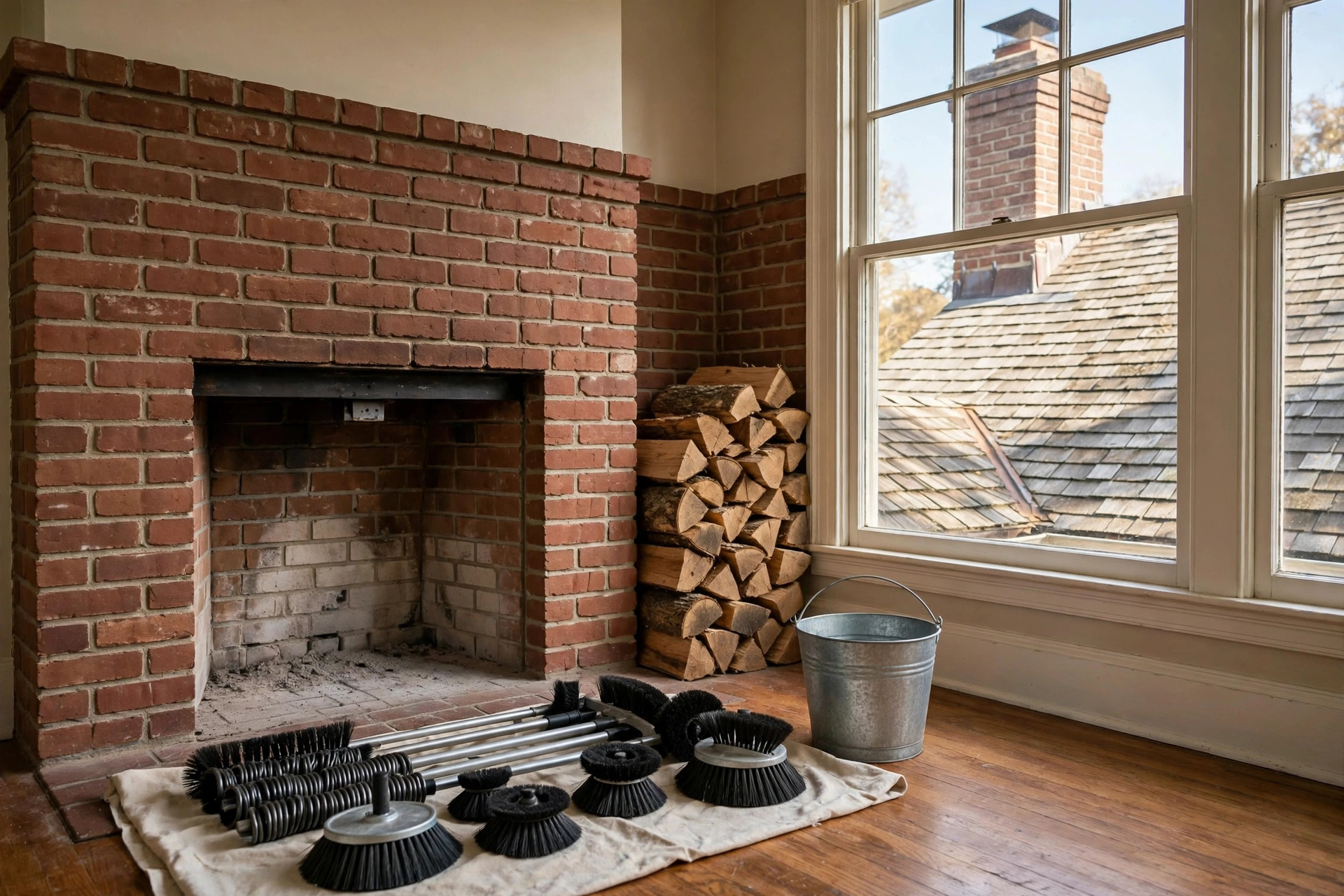

Every year, millions of American families gather around a warm fireplace on cold nights. A fire in the hearth is one of the great comforts of home. Yet few homeowners think about what lies above the flames until a problem appears. Top rated chimney sweep services for homeowners exist for one plain reason: a dirty chimney is a danger. Creosote, soot, bird nests, and blockages build up out of sight, and any one of them can start a chimney fire or push smoke and carbon monoxide back into the room. A good sweep keeps the flue clear, the draft strong, and the family safe. This guide explains why the service matters, how to choose the right company, what the visit includes, what it should cost, and how to care for the chimney between cleanings.
Why Chimney Sweeping Matters
A chimney does hard work in silence. Each fire sends smoke, ash, and hot gases up the flue. Over time, a sticky black substance called creosote forms on the inner walls. Creosote is highly flammable. Even a thin layer can catch fire, and a chimney fire can reach temperatures above 2000 degrees. Such fires crack the flue liner, spread to the wooden frame of the house, and burn a home to the ground. The Consumer Reports home safety pages and fire departments across the country report thousands of chimney fires every year, and nearly all of them start in flues that went too long without cleaning.
Smoke is not the only threat. When a flue is partly blocked, smoke drifts back into the living room, and carbon monoxide can enter the home. This gas has no color and no smell, and it can make people sick or worse in a single night. Birds and squirrels cause trouble too. Each spring, starlings and chimney swifts build nests inside warm, dark flues, and a nest can block the draft completely. Professional sweeps remove nests safely and fit a cap so animals cannot return.
A regular sweep also protects the value of the home. Buyers and home inspectors look at the chimney. A sound, well-kept flue with a written record of cleanings is a strong selling point, while a cracked liner or heavy buildup can delay a sale.
What to Look for in a Chimney Sweep Company: Top Rated Chimney Sweep Services for Homeowners
The chimney trade has no single national license, so the quality of companies varies. A top rated company earns that standing through training, honest work, and clear pricing. Start with credentials. The Chimney Safety Institute of America, known as CSIA, trains and certifies sweeps in safe practice. Ask whether the technician holds a current CSIA credential. Also ask how long the company has served the local area and whether it carries general liability insurance and workers compensation. A company that climbs on your roof should be insured for the day something goes wrong.
Reviews matter, but read them with care. Look for patterns across many reviews rather than one glowing or angry post. The best companies are praised for showing up on time, keeping the house clean, explaining what they found, and charging the quoted price. Be wary of very low phone quotes followed by expensive problems found on site, and of companies that refuse to show photographs of the flue interior. Modern sweeps carry small cameras that slide up the flue and show the customer exactly what the liner looks like. Honest companies share this evidence freely.
Questions to Ask Before You Book
Keep a short list of questions by the phone when you call around:
– Are your technicians CSIA certified, and how long have you been in business? – Do you carry liability insurance and workers compensation? – What is included in the standard visit, and what is the total price? – Do you inspect the flue with a camera and share the photos? – How do you keep soot and ash out of my home during the cleaning? – If you find damage, do you provide a written estimate before repair?
Companies that answer these questions calmly and clearly are the ones worth hiring. The Better Business Bureau and local fire department non-emergency lines can also confirm whether a company has a record of complaints, though ratings change and you should verify them yourself.
Types of Chimney Services Offered
A chimney sweep visit usually comes in three levels, and it helps to know the difference before you book.
Level 1 inspection and cleaning. This is the standard annual service. The technician checks the parts of the chimney that are easy to reach, sweeps the flue with brushes sized to the liner, vacuums the smoke chamber and firebox, and looks over the cap, crown, and flashing from the roof. For a chimney that has been cared for and has had no changes, this level is enough.
Level 2 inspection. This deeper look is required when the home changes hands, when a new stove or insert is installed, or after a chimney fire or storm damage. The technician runs a camera through the full length of the flue and inspects attics, crawl spaces, and other hidden areas near the chimney. Most homeowners buying a house with a fireplace should request this level, and many sellers have it done before listing.
Level 3 inspection. This is a last resort. It involves opening walls or removing parts of the chimney to reach hidden areas. It is only needed when serious damage is suspected and a Level 2 inspection cannot show it. Most homeowners will never need this level.
Beyond inspections, top rated chimney sweep services for homeowners often offer repairs. Common jobs include relining a damaged flue with a stainless steel liner, rebuilding a cracked chimney crown, repointing loose mortar joints, fitting a rain cap or animal guard, and waterproofing the outside of the chimney. A company that both sweeps and repairs can keep one record of the chimney over the years, which is convenient. But be careful: a company should never turn a routine cleaning into a list of urgent repairs without showing clear photographic proof. When in doubt, pause the work and get a second opinion from another certified company.
Cost and Price Guide
Prices vary by region, chimney height, roof steepness, and how long it has been since the last cleaning. Across the United States, a standard Level 1 cleaning with inspection for a wood fireplace typically costs between 150 and 300 dollars. A Level 2 camera inspection usually adds 100 to 250 dollars to the bill. Gas fireplaces, which produce less soot, often cost less to service. A chimney that has not been cleaned in ten years, or one with heavy creosote that needs special chemical treatment, will cost more.
Repairs cost much more than cleanings, which is why yearly service saves money. A new stainless steel liner can run from 2,500 to 5,000 dollars. Rebuilding a crown costs several hundred dollars. Repointing mortar joints depends on the size of the job. Waterproofing the chimney exterior usually costs a few hundred dollars and should be repeated every five to ten years.
Get the price in writing before the visit. A written quote should list the cleaning, the inspection level, and any add-on services such as animal removal or cap installation. Ask about trip charges, especially in rural areas. Ask how the company charges for extra time if the flue is in bad shape. The Family Handyman project cost guides and the This Old House articles on chimney care publish ballpark figures that you can compare against local quotes. A price far below the local average is not a bargain; it often means rushed work, no camera inspection, or a bait-and-switch at the door.
How to Save Money Without Cutting Corners
The best way to save is to stay on schedule. A chimney cleaned every year is quick work and costs the base price. Burn only seasoned hardwood that has dried for at least six to twelve months, since wet wood makes far more creosote. Never burn trash, cardboard, painted wood, or pressure-treated lumber. Finally, consider booking in spring or summer. Many companies offer off-season discounts, and you will not be competing with the autumn rush.
Care and Upkeep Between Visits
A chimney sweep visit once a year is the backbone of chimney care, but small habits through the burning season make the flue last longer and stay safer. After each fire, once the ashes are fully cold, shovel them out and store them in a metal container with a tight lid, kept well away from the house. Embers can stay warm far longer than people expect. Homeowners who keep up with deep cleaning service packages for homeowners often add the hearth area to their routine, which keeps dust and fine ash from spreading through the house.
Check the firewood before it goes into the house. Good firewood sounds hollow when two pieces are knocked together, has cracks at the ends, and feels light for its size. Wood that hisses, drips, or smells sour is too wet and will foul the flue. Keep the woodpile off the ground and covered on top so rain runs off but air still flows through the stack.
Watch the damper. The damper must be fully open before you light a fire and should stay open until the fire is completely out and the ashes are cold. A closed damper sends smoke into the room and starves the fire of air, which makes more creosote.
Outside the house, glance at the chimney now and then. Look for loose bricks, crumbling mortar, white stains on the brickwork, or a cap that has blown off. White staining, called efflorescence, means water is moving through the masonry. Water is the chimney’s worst enemy after fire: it freezes, expands, and breaks the brick from inside. A sound cap, a solid crown, and intact flashing keep water out.
Safety: What Every Homeowner Should Know
Safety is the whole point of hiring top rated chimney sweep services for homeowners, and a few rules are worth repeating. First, install smoke alarms and carbon monoxide alarms on every floor of the home, and test them monthly. Change the batteries twice a year. No chimney is perfectly sealed, and alarms are the last line of defense. Safety guidance from the U.S. Consumer Product Safety Commission says the same: working alarms on every level save lives.
Second, use a sturdy fireplace screen or glass doors. Sparks can jump several feet from an open fire, and a screen stops them from landing on rugs or furniture. Keep furniture, curtains, and firewood at least three feet from the fireplace opening. Never leave a fire unattended, and never let children or pets play near a lit fireplace.
Third, respect creosote. There are products sold as creosote sweeping logs or powders that claim to clean the flue when burned. These products can loosen light buildup, but they do not replace a real sweeping with brushes. The Environmental Protection Agency and fire safety experts agree that chemical cleaners are a supplement at best. If a chimney has heavy glazed creosote, only a professional with the right tools can remove it safely.
Fourth, know the signs of a chimney fire. A loud roaring or rumbling sound, like a freight train, coming from the chimney is the classic warning. Thick, dense smoke, a strong hot smell, and flames or sparks shooting from the top of the chimney are other signs. If you suspect a chimney fire, get everyone out of the house and call the fire department. Do not try to fight it yourself. After any chimney fire, have the flue inspected by a professional before you light another fire, because the heat may have cracked the liner.
Fifth, be careful with gas fireplaces. They need service too. The glass, the burner, and the vent must be checked each year. A gas fireplace with a blocked vent can fill the room with carbon monoxide just as surely as a wood fire can. Heating advice from the U.S. Department of Energy confirms that gas hearth appliances need yearly service no less than wood-burning ones.
Frequently Asked Questions
How often should I have my chimney swept?
Once a year is the standard answer, and it is the right one for most homes. The National Fire Protection Association recommends an annual inspection, and cleaning whenever buildup reaches an eighth of an inch. If you burn wood daily through the winter, some sweeps suggest a mid-season check as well. Gas fireplaces should be serviced once a year too, even though they produce little soot.
What is the best time of year to book a chimney sweep?
Spring and summer are the best months. Companies are less busy, prices may be lower, and any repairs found can be finished long before the first cold night. Autumn is the worst time to call, because every homeowner in town wants a sweep in the same few weeks, and waiting lists grow long. After your spring cleaning, the chimney sits ready all summer for the burning season.
How long does a chimney sweeping visit take?
A standard cleaning with a Level 1 inspection takes one to two hours. A Level 2 camera inspection adds thirty minutes to an hour. Heavy buildup, animal removal, or hard roof access can extend the visit. A company that promises to be done in twenty minutes is not doing the full job.
Will sweeping make a mess in my home?
It should not. Professional sweeps seal the fireplace opening with drop cloths and run a high-powered vacuum with a fine filter during the brushing. When they finish, the hearth and the room should look as clean as when they arrived. If a company shows up without drop cloths or a proper vacuum, that is a poor sign. Homeowners searching for chimney sweep services near me should ask about the company’s dust control before booking.
Can I sweep my own chimney?
A homeowner can buy brushes and rods and sweep a straight, short flue. But most homeowners lack the training to spot cracked liners, hidden blockages, or failing mortar. They also lack the cameras and vacuums that professionals use. For a simple maintenance pass between professional visits, a careful homeowner with the right brush size can help. For the annual service that protects the home, hire a certified professional. If you want tools for the hearth itself, look at reliable fireplace ash vacuums with free shipping for cold-ash cleanup between fires.
What should I do before the sweep arrives?
Clear the area around the fireplace. Move furniture a few feet back, take down anything hanging on the mantel that could be knocked, and keep pets in another room. Do not light a fire for at least 24 hours before the visit so the flue is cool. If you have records of past cleanings or repairs, have them ready. The technician will appreciate the history, and it helps them spot new problems faster.
A Short Final Word
A fireplace asks for little and gives a great deal. It asks for dry wood, an open damper, and one professional visit a year. In return it gives warmth, comfort, and a gathering place for the family through the cold months. Choosing top rated chimney sweep services for homeowners is not complicated. Check the credentials, read the reviews with a level head, get the price in writing, and ask to see the camera photos of your own flue. Keep the small habits through the winter: burn dry wood, clear cold ash safely, and watch the chimney from the yard now and then. The Spruce home care library and the Good Housekeeping maintenance guides both remind readers of the same simple truth that generations of homeowners have learned the hard way: the cheapest time to care for a chimney is before anything goes wrong. Book the sweep in spring, enjoy the fire in winter, and rest easy all year long.
References
Better Business Bureau. (n.d.). Business reviews and ratings. https://www.bbb.org Consumer Reports. (n.d.). Product reviews and ratings. https://www.consumerreports.org Family Handyman. (n.d.). DIY home repair and maintenance. https://www.familyhandyman.com Good Housekeeping. (n.d.). Product reviews and home advice. https://www.goodhousekeeping.com The Spruce. (n.d.). Home and garden advice. https://www.thespruce.com This Old House. (n.d.). Home renovation guidance. https://www.thisoldhouse.com U.S. Consumer Product Safety Commission. (n.d.). Product safety information. https://www.cpsc.gov U.S. Department of Energy. (n.d.). Energy efficiency and renewable energy. https://www.energy.gov U.S. Environmental Protection Agency. (n.d.). Protecting human health and the environment. https://www.epa.gov
Was this guide helpful?

About Lisa Anderson
The My Garden US editorial team writes practical, in-depth home and garden guides for American homeowners — tested advice, no fluff.
You May Also Like
Buy Antibacterial Disinfectant Sprays Online in Arizona: A Simple Shopping Guide
April 19, 2026 0 views
Buy Mold Removal Sprays Online in Texas: A Complete Guide
March 5, 2026 0 views
How to Buy All Purpose Cleaning Caddies Online in Texas
June 5, 2026 0 views