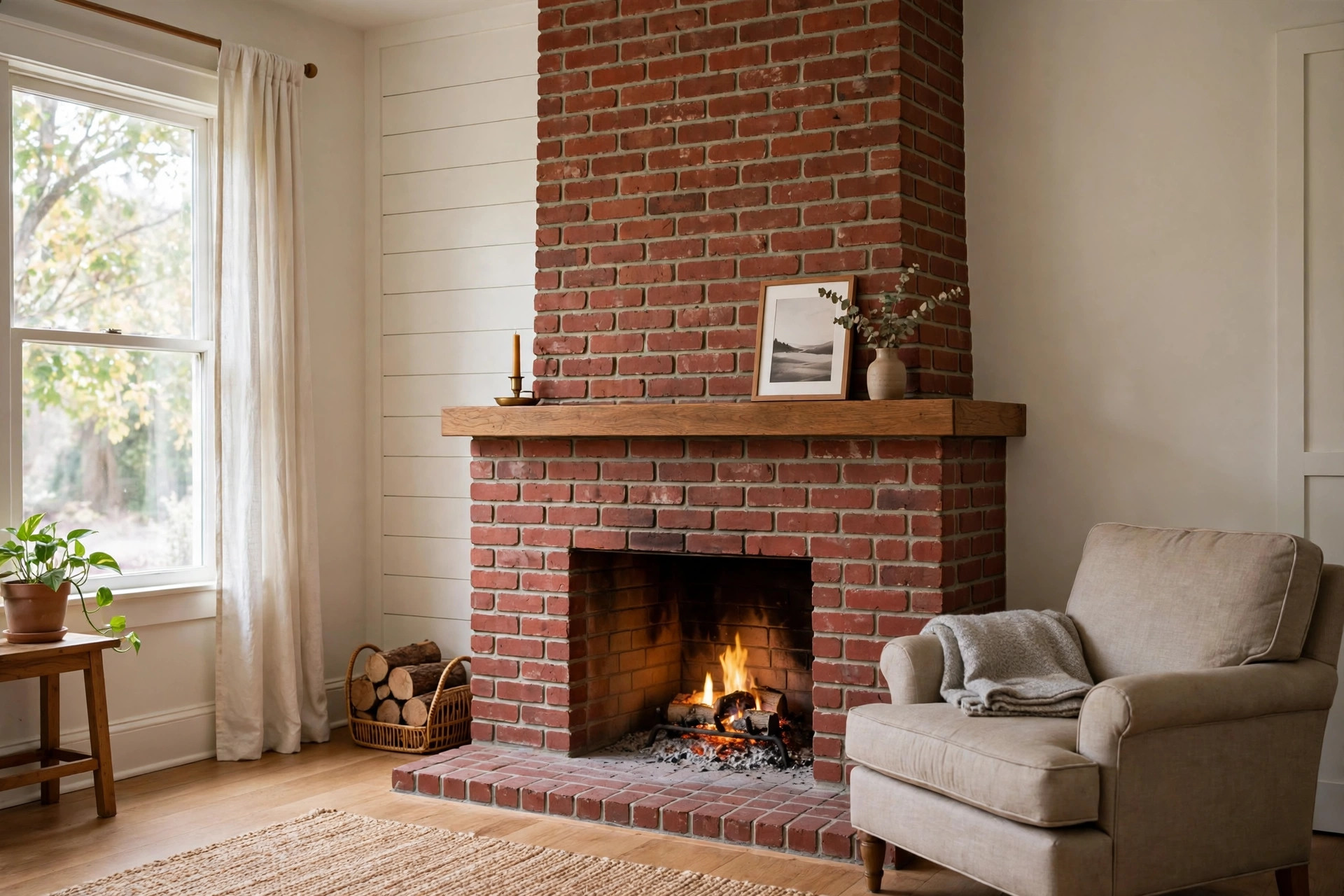

When autumn comes and the first cold night settles over the house, the fireplace becomes the warm center of the home. Yet few homeowners think about the chimney itself until a problem appears. A chimney that has not been cleaned for a long time can hold layers of soot and a black, tar-like substance called creosote. That buildup can catch fire inside the flue. It can also block the flow of smoke and send harmful gases back into the living room. This is why so many people search for the best chimney sweep services near me each year. The search is not only about a clean fireplace. It is about safety, good heating, and peace of mind through the winter months.
A chimney sweep is a trained worker who cleans, checks, and reports on the condition of chimneys, flues, fireplaces, and wood stoves. A good sweep works in a clean, careful way, with drop cloths and strong vacuum equipment, so your home stays tidy. A poor one rushes the job, misses warning signs, and may sell you repairs you do not need. This guide explains how to tell the difference.
Why a Chimney Sweep Matters
Every time you burn wood, smoke rises up the chimney. The smoke carries tiny drops of moisture, unburned fuel, and chemicals. As the smoke cools on its way up, these particles stick to the inner walls of the flue. Over time they form creosote. In its first stage creosote looks like fine dust. In later stages it turns into hard flakes and then into a shiny black glaze. The glaze is the danger. It burns at very high heat and can start a chimney fire that damages the flue or spreads to the house itself.
Regular sweeping breaks this chain. When a professional cleans the flue, the fuel for a chimney fire is gone. The draft improves as well. A clean flue draws smoke up and out with ease, so the fire burns hotter and cleaner, with less smoke in the room and better heat from the same pile of wood.
Health is another reason. A blocked or dirty chimney can push carbon monoxide into the home. This gas has no color and no smell, and it can make people sick or worse. Animals’ nests, fallen bricks, and thick soot can all narrow the flue enough to slow the draft. A sweep who inspects as he works will find such blocks before they cause harm. The National Fire Protection Association notes that chimneys and heating equipment are among the common causes of home heating fires, which is why yearly care is the standard advice across the country.
What to Look for in a Chimney Sweep: Best Chimney Sweep Services near Me
Finding the best chimney sweep services near me starts with knowing what good service looks.
Training and certification
The most trusted mark in this trade comes from the Chimney Safety Institute of America. A sweep who holds CSIA certification has passed exams on fire codes, chimney parts, and safe practice. Certification is not required by law in every state, but it is a strong sign of a serious professional. Ask the company whether its sweeps are certified and how long they have done the work.
Insurance
Any honest sweep should carry general liability insurance. The work takes place on your roof and inside your home. If something breaks or someone is hurt, you want the company, not you, to be responsible. Ask to see proof of insurance before the job starts. A company that refuses is not worth your time.
A clear written report
A proper sweep checks the firebox, the damper, the smoke chamber, the flue liner, the cap, and the crown, then gives you a simple written report of what was found. A verbal report alone is not enough. The written record protects you if you later sell the house or make an insurance claim.
Honest pricing
A standard sweeping job for an open fireplace usually costs between $150 and $300 in most parts of the country. Prices can rise for tall chimneys, heavy creosote, or added services such as a camera inspection. Be careful of two extremes. A price that seems far too low often means the job will be rushed. A company that finds urgent, costly repairs on every visit should be checked with a second opinion. Honest companies explain costs before they start work and put the price in writing.
Clean work habits
A careful sweep seals the fireplace opening with a drop cloth, runs a high-powered vacuum at the base of the flue, and wears shoe covers in your home. When the job is done, the room should look as clean as when he arrived.
Good household practice covers the whole home, not only the chimney. Many owners pair a chimney visit with other yearly care, such as a window cleaning service companies cost guide usa to plan fall maintenance, or reliable same day appliance repair services near me when something breaks.
Types of Chimney Service
The phrase “chimney sweep” covers several kinds of work. When you call, be clear about what you need.
Level 1 inspection and sweeping. This is the basic yearly service. The sweep cleans the flue, the smoke chamber, and the firebox, and checks the parts he can see without special tools. Most homes with a working fireplace need this once a year.
Level 2 inspection. A deeper check, often with a video camera run up the flue. Advised when you buy or sell a house, after a chimney fire or storm damage, or when you change the heating appliance. The camera shows cracks and gaps that the eye cannot see from below.
Level 3 inspection. Rare and serious. Parts of the chimney or wall must be opened to reach hidden areas. Ordered only when a Level 2 inspection shows a grave problem that cannot be fully seen.
Creosote removal and glazing treatment. When creosote has hardened into glaze, a normal brush may not remove it. Specialists use rotating chains or chemical treatments to break the glaze away. This costs more than a standard sweep, but it is far cheaper than rebuilding a damaged flue.
Masonry repair, relining, and cap fitting. Some sweeps also repair brickwork, install stainless steel liners, and fit chimney caps. A cap keeps out rain, birds, and leaves, and it is one of the best small investments a homeowner can make.
Wood stove and insert service. If you heat with a wood stove or a fireplace insert, the sweep should service the stove pipe or liner as well as the chimney. Ask whether the company has experience with your brand of stove.
Homeowners who heat with wood often keep reliable fireplace ash vacuums with free shipping on hand for weekly ash cleanup between professional visits. The vacuum handles the daily chore; the sweep handles the yearly deep work.
Cost and Price Guide
Prices for the best chimney sweep services near me change with the region, the height of the chimney, and the condition of the flue. These are plain ranges for the United States.
– Standard sweep and Level 1 inspection: $150 to $300. – Level 2 video inspection: $200 to $500, sometimes more if the flue is long or hard to reach. – Heavy creosote or glaze removal: $300 to $800. – Chimney cap installation: $150 to $500, depending on size and material. – Stainless steel flue relining: $2,500 to $7,000 or more for a full liner. – Masonry tuckpointing and crown repair: $500 to $2,000.
Most companies charge a trip fee if you live far from their shop, so a local company often costs less in the end. Ask for the full price before booking and get it in writing. Angi and HomeAdvisor list local sweeps with customer reviews, and This Old House offers plain guidance on what chimney work should cost. Compare at least two quotes for any job over a few hundred dollars.
How to Choose: A Simple Checklist
1. Ask friends and neighbors who they use. A local name with a long history is a good start. 2. Check reviews on trusted sites, but read them with care. Look for detail about clean work and honest reports. 3. Confirm CSIA certification or equal training. 4. Confirm liability insurance and ask for proof. 5. Ask what the visit includes: brushing, vacuuming, damper check, cap check, written report. 6. Get the price in writing before the work begins. 7. Ask how long the job will take. A full sweep of one fireplace usually takes one to two hours. 8. Ask what happens if they find damage. A good sweep explains the problem, shows you photos, and gives you time to decide. 9. Never pay the full price in advance. A small deposit for large repair work is normal; full payment up front is not. 10. Keep the written report with your home records.
Bob Vila and Family Handyman both publish homeowner checklists for hiring trade workers, and The Spruce covers chimney basics in plain language. Good Housekeeping also runs yearly home maintenance guides that many families follow each fall.
Care and Upkeep Between Visits
A yearly sweep does the heavy work, but what you do between visits matters just as much.
Burn only dry, seasoned hardwood. Wood that has been cut and stacked for at least six months burns hotter and makes far less creosote. Wet or green wood smolders, cools the flue, and lays down thick deposits. If the ends of your logs show cracks and the bark comes off easily, the wood is ready.
Keep the damper fully open while the fire burns and until the coals are cold. A half-closed damper slows the draft and lets smoke settle in the flue.
Clean out ash when it reaches the top of the firebox grate, about one inch of ash left behind is fine and helps the next fire start. A fireplace ash vacuum makes this job quick and keeps dust out of the room.
Watch for warning signs. Call a sweep sooner than your yearly visit if you notice a strong smoky smell when the fireplace is not in use, smoke entering the room on startup, a black oily stain on the chimney wall, animals in the flue, or pieces of tile falling into the firebox.
Keep the area around the fireplace clear of paper, kindling, and furniture. Sparks can travel farther than people think.
Safety Notes
Chimney safety is home safety. Keep these rules in mind through the burning season.
Fit a carbon monoxide alarm on each floor of the house and test it monthly. The U.S. Environmental Protection Agency gives guidance on indoor air and combustion safety that every wood-burning household should read.
Never burn trash, cardboard boxes, painted wood, or treated lumber in the fireplace. These release harmful chemicals and can damage the flue. Burn only plain firewood and approved fire starters.
Keep a fire extinguisher near the fireplace and make sure every adult in the house knows how to use it. Teach children that the fireplace and its tools are not toys.
If you ever hear a loud roaring sound from the chimney, see thick black smoke, or smell an intense hot odor, call the fire department at once. These are signs of a chimney fire.
After any chimney fire, do not use the fireplace again until a professional has inspected it. Heat can crack the liner in ways you cannot see.
Frequently Asked Questions
How often should I have my chimney swept? Once a year is the standard advice for any chimney that is used regularly. If you burn wood every day through the winter, some sweeps advise a mid-season check as well.
What is the best time of year to book a sweep? Late summer and early fall are the busiest months. Late spring, just after the burning season ends, is often the cheapest and easiest time to book.
How long does a chimney sweeping visit take? A standard sweep of one fireplace takes about one to two hours. Heavy glaze removal or repairs can take a half day or longer.
Will the sweep make a mess in my house? A professional should not. Drop cloths, a sealed fireplace opening, and an industrial vacuum keep soot out of the room. Ask the company how they protect the home when you book.
Can I sweep my own chimney? Brushes and rods are sold to homeowners, and a handy person can learn the basics. Yet a homeowner cannot easily spot liner cracks or judge creosote glaze. Most fire safety groups advise a professional inspection at least once a year even if you do light cleaning yourself.
Do gas fireplaces need sweeping? Gas fireplaces make very little soot, but they still need a yearly check. The vent must be clear, and the carbon monoxide risk is still real.
A Short Final Word
A chimney is easy to forget because most of it is out of sight. Yet it works hard every time you light a fire, and it asks for only one thing in return: a yearly visit from a careful professional. Check training, insurance, reviews, and written reports before you hire. Burn dry wood, watch for warning signs, and keep your alarms working. Do these simple things, and your fireplace will give you what it was built to give: warmth, light, and a safe place for the family to gather when the cold wind blows outside.
References
Angi. (n.d.). Home services marketplace. https://www.angi.com Bob Vila. (n.d.). Home improvement advice. https://www.bobvila.com Chimney Safety Institute of America. (n.d.). Chimney sweep certification and safety. https://www.csia.org Family Handyman. (n.d.). DIY home repair and maintenance. https://www.familyhandyman.com Good Housekeeping. (n.d.). Product reviews and home advice. https://www.goodhousekeeping.com HomeAdvisor. (n.d.). Local home service professionals. https://www.homeadvisor.com National Fire Protection Association. (n.d.). Fire safety information and codes. https://www.nfpa.org The Spruce. (n.d.). Home and garden advice. https://www.thespruce.com This Old House. (n.d.). Home renovation guidance. https://www.thisoldhouse.com U.S. Environmental Protection Agency. (n.d.). Protecting human health and the environment. https://www.epa.gov
Was this guide helpful?

About Robert Taylor
The My Garden US editorial team writes practical, in-depth home and garden guides for American homeowners — tested advice, no fluff.
You May Also Like
Pressure Washing Service Companies Cost Guide USA
April 18, 2026 0 views
Buy Dryer Vent Cleaning Kits Online in Arizona: A Homeowner Guide
August 8, 2026 0 views
Eco Friendly Fireplace Ash Vacuums for Sale: What to Know Before You Buy
May 16, 2026 0 views