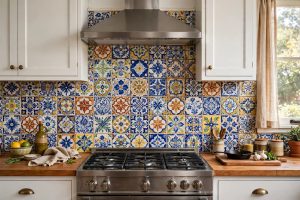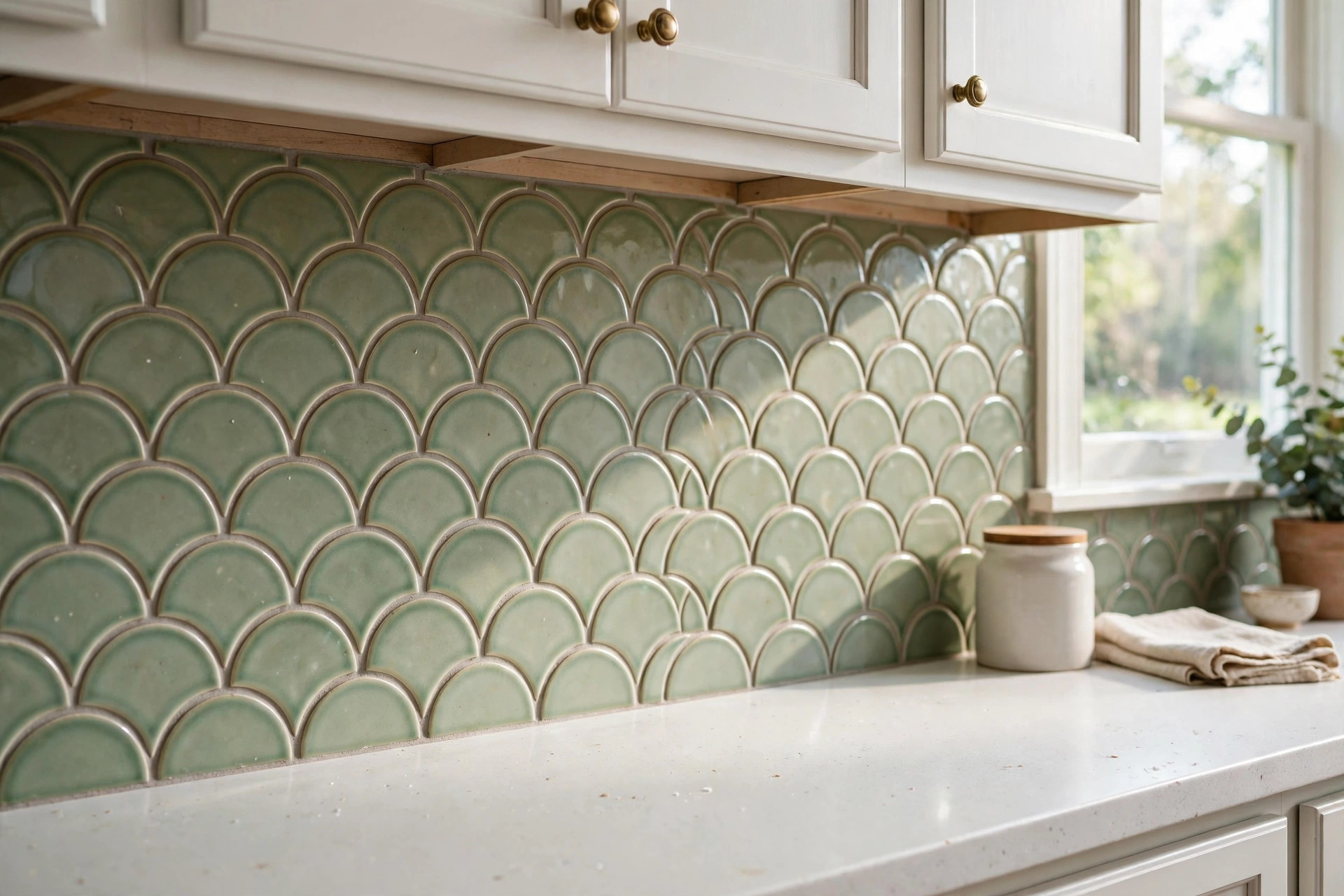

Many homeowners search for “fish scale tile backsplash cost usa” before they start a kitchen project. They want to know what they will pay for the tile and the labor, and whether the style fits their budget. Fish scale tile, also called scallop tile or mermaid tile, is one of the most loved backsplash styles in the country. Its curved, fan-like shape looks like fish scales and adds movement to a plain kitchen wall.
The total cost of a fish scale tile backsplash depends on the tile material, the size of the wall, and the cost of labor in your area. A small backsplash may cost a few hundred dollars. A large one may cost several thousand. This guide walks through every part of the fish scale tile backsplash cost in the USA, from material prices to labor rates to smart ways to save money.
Why the Fish Scale Tile Backsplash Cost Matters
A kitchen backsplash protects the wall from water, grease, and food splashes. It sits between the counter and the cabinets. A good backsplash makes cleaning easier and makes the kitchen look finished. Fish scale tile does both jobs well. The glazed surface wipes clean with a damp cloth. The curved pattern hides small stains and wear.
Knowing the fish scale tile backsplash cost usa homeowners actually pay helps you plan. Without a clear budget, you may fall in love with a tile you cannot afford, or you may hire a contractor without knowing if the bid is fair. Prices vary a lot by region. Labor in a large city may cost twice as much as labor in a small town. When you understand the price ranges, you can make choices that keep the project inside your budget without giving up the look you want.
There is another reason cost matters. Fish scale tile takes more skill to install than plain square tile. The curved edges create tricky cuts at corners and outlets. A contractor who charges very little may rush the job or lack the skill for the pattern. A fair price usually means fair work.
Types of Fish Scale Tiles and Their Prices: Fish Scale Tile Backsplash Cost Usa
Fish scale tile comes in many materials. Each material has its own price per square foot and its own look. The tile itself is the first and largest part of the cost.
Ceramic Fish Scale Tile
Ceramic is the most common and the most affordable choice. It costs about $5 to $15 per square foot. It comes in many colors, from soft white to deep navy. It is easy to cut and easy to install. For a budget-friendly project, ceramic is the natural pick.
Porcelain Fish Scale Tile
Porcelain is denser and harder than ceramic. It resists stains and water better. It costs about $8 to $20 per square foot. It suits busy kitchens where cooking happens every day. Many American brands sell porcelain scallop tile in through-body colors, so a chip shows less.
Glass Fish Scale Tile
Glass tile has a bright, glossy finish. It reflects light and can make a small kitchen feel larger. It costs about $15 to $35 per square foot. The installer must use the right thinset mortar so the color does not show through the tile.
Marble and Natural Stone Fish Scale Tile
Natural stone fish scale tile brings a rich, classic look. Carrara and Calacatta marble are popular picks. Prices run about $20 to $45 per square foot. Stone needs sealing and can stain from cooking oils. It suits homeowners who want a luxury look and accept the upkeep.
Zellige and Handmade Clay Fish Scale Tile
Zellige is a handmade Moroccan-style tile with a wavy, artisanal surface. It costs about $20 to $50 per square foot. No two tiles look exactly alike, which is part of the charm. The uneven surface needs a skilled installer.
How to Choose the Right Fish Scale Tile
Choosing the right tile is about more than color. The material, finish, and size all affect the final fish scale tile backsplash cost and the daily care the wall will need.
Start with the size of the space. A standard backsplash covers about 25 to 30 square feet. Measure the height from the counter to the bottom of the cabinets, usually 18 inches, and multiply by the length of the wall. Add 10 percent extra for cuts and waste. Curved tiles create more waste than square tiles, so many installers suggest ordering 12 to 15 percent extra.
Next, think about color and finish. Glossy tiles bounce light around the kitchen. Matte tiles give a softer, calmer look. Light colors make a small kitchen feel open. Dark colors make a bold statement but show water spots more. Look at tile samples in your own kitchen light before you buy.
Check the tile thickness and edge. Mesh-mounted sheets speed up installation and can lower labor cost. Individual loose tiles take longer to set. Ask your contractor which type they prefer. A guide on kitchen floor tile trends 2026 usa can also help you match the backsplash color with the floor for a balanced look.
Finally, think about grout. The grout color changes the whole look. A matching grout color makes the scale pattern soft and subtle. A contrasting grout makes each scale stand out. Grout adds a small cost, about $30 to $80 for a typical backsplash.
Fish Scale Tile Backsplash Cost in the USA: The Full Breakdown
The total installed cost has three main parts: the tile, the labor, and the extra supplies. Here is what each part costs across the country.
Material Cost
Tile material runs from $5 to $50 per square foot, depending on the type you choose. For a 30-square-foot backsplash, that means $150 to $1,500 for tile alone. Most homeowners pick ceramic or porcelain, so a typical tile bill lands between $250 and $600. Retailers such as Home Depot and Lowe’s carry affordable scallop tile, while specialty shops like Daltile and Floor & Decor offer wider color ranges.
Labor Cost
Professional installation costs about $10 to $25 per square foot of backsplash. For a 30-square-foot wall, labor runs $300 to $750. Fish scale tile costs more to install than simple subway tile because the curved shape slows the work. In high-cost cities, labor can reach $30 per square foot. Always get at least three written bids.
Extra Supplies and Fees
Thinset mortar, grout, sealer, and trim pieces add $100 to $250 to the project. If the old backsplash must be removed, add $100 to $300 for tear-out and wall repair. Outlet extenders, caulk, and new switch plates add $20 to $50. Some contractors charge a minimum job fee of $300 to $500 for small kitchens.
Total Installed Cost
Putting it all together, a fish scale tile backsplash in the USA typically costs $10 to $45 per square foot installed, or $400 to $1,800 for a standard 30-square-foot kitchen. A budget ceramic job may land near $400. A premium zellige or marble job may pass $2,000. The middle range, $700 to $1,200, covers most porcelain and glass projects. Consumer guides at The Spruce and This Old House offer more examples of real kitchen backsplash budgets.
What Raises or Lowers the Installation Price
Several factors move the final bill up or down. Knowing them helps you control the fish scale tile backsplash cost.
Wall condition is the first factor. A flat, clean drywall surface is fast to tile. A wall with old tile, damaged drywall, or uneven spots needs prep work. Prep adds hours and dollars. Ask the contractor to look at the wall before giving a final price.
Tile size and pattern is the second factor. Small fish scale tiles mean more pieces per square foot and more grout lines. That means more labor. A simple stacked row pattern is faster than a staggered or mixed-color pattern.
Plumbing and electrical work is the third factor. Moving outlets or adding under-cabinet lighting may require an electrician. That is a separate cost, often $150 to $400. Plan these changes before the tile goes up.
Your region is the fourth factor. Labor rates in the Northeast and the West Coast run higher than in the Midwest and the South. Brands like Shaw Floors and Mohawk have wide dealer networks, which can keep shipping costs down.
Timing is the fifth factor. Contractors are busiest in spring and summer. Booking in late fall or winter may bring a lower bid. Ordering tile early also avoids rush shipping fees.
Saving Money Without Losing the Look
You can lower the fish scale tile backsplash cost without settling for a plain wall. A few smart choices cut hundreds of dollars.
Choose ceramic instead of handmade tile. A good ceramic scallop tile in a rich color looks close to premium tile at a third of the price. Use the expensive tile as an accent strip and fill the rest with a matching plain tile. Many kitchens use fish scale tile only behind the range, with simple subway tile elsewhere.
Do the prep work yourself. Removing the old backsplash and patching small holes are simple jobs. They save the contractor time. Ask what prep the contractor wants done before they arrive.
Buy tile during sales. Big retailers run tile sales around holidays. Buying a full box more than you need is cheaper than ordering a small batch later with shipping. Keep leftover tile for future repairs.
Consider a smaller backsplash area. Tiling only up to the cabinet bottom, instead of full height to the ceiling, can cut the tile area in half. Home design ideas at HGTV show how partial backsplashes and accent designs keep the style high and the cost low.
Care and Upkeep
Wipe the backsplash weekly with a soft cloth and warm water. For grease near the range, add a drop of dish soap. Avoid harsh acids and rough scrub pads, which can dull the glaze.
Seal natural stone tile once a year. Glazed porcelain and ceramic do not need sealing. Check the grout lines twice a year. If grout cracks, repair it before water gets behind the tile. A small tube of grout repair costs under $15.
Keep a few spare tiles from the original batch. If a tile chips, a spare makes the repair invisible. Tile colors change between dye lots, so a later batch may not match. Store spares in a dry place. Tile care guides at LL Flooring show how simple routines keep kitchen tile looking new for years. If your kitchen also needs floor work, an article on uncoupling membrane for tile floors reviews explains a product that protects tile floors from cracks, and one on area rug pad for hardwood floors reviews covers keeping nearby floors in good shape.
Safety
Tile work is safe when done with care, but a few risks deserve attention. Cutting tile creates sharp edges and fine dust. A professional installer wears a mask, gloves, and eye protection. If you do any cutting yourself, do the same. Wet saws keep dust down and make cleaner cuts.
Old kitchens may have lead paint under the existing backsplash. Homes built before 1978 should be tested before any tear-out. A lead test kit costs about $25.
Heavy tile and bags of mortar strain the back and knees. Lift with care. Keep children and pets out of the work area. Fresh thinset and grout need 24 to 48 hours to cure.
Turn off the power at the breaker before the installer removes outlet covers. Outlet extenders bring the outlets flush with the new tile surface. Never leave bare wires exposed.
FAQ
How much does a fish scale tile backsplash cost per square foot in the USA?
The installed cost usually runs $10 to $45 per square foot. That includes tile, labor, grout, and basic supplies. Ceramic tile with standard labor sits at the low end. Handmade zellige or marble with skilled labor sits at the high end. Most homeowners pay $20 to $30 per square foot for a porcelain fish scale backsplash.
Is fish scale tile more expensive than subway tile?
Yes, in most cases. The tile itself may cost the same, but labor runs higher. The curved shape takes longer to set and cut. Expect labor to cost 20 to 40 percent more than a simple subway tile job of the same size. The finished look, however, is far more distinctive.
Can I install a fish scale tile backsplash myself?
A skilled do-it-yourselfer can do it, but it is harder than square tile. You need a wet saw, tile nippers, and patience for the curved cuts. Mistakes waste expensive tile. If you have never tiled before, practice on a small wall first, or hire a professional for the kitchen.
How long does installation take?
A standard 30-square-foot backsplash takes one to two days for a professional. Day one is setting the tile. Day two is grouting and cleanup. Complex patterns or heavy prep work can stretch the job to three days. The tile then needs a full day to cure before heavy cleaning.
What grout color works best with fish scale tile?
It depends on the look you want. A grout color close to the tile color gives a soft, flowing look. A white or light gray grout with dark tile makes each scale pop. View a grout sample next to your tile in kitchen light before you decide.
Does fish scale tile go out of style?
The scallop shape has been used for centuries. It comes in and out of peak fashion, but it never looks dated the way some trendy patterns do. Neutral colors and classic glazes age best.
A Final Word
The fish scale tile backsplash cost in the USA is fair for what you get: a durable, easy-to-clean wall with real character. Plan for $400 to $1,800 for a typical kitchen, pick a material that fits both your budget and your cooking habits, and hire an installer with experience in curved tile. Get three written bids, order 12 to 15 percent extra tile, and keep spares for the future.
References
Daltile. (n.d.). Ceramic and porcelain tile. https://www.daltile.com Floor & Decor. (n.d.). Tile, wood, and stone flooring. https://www.flooranddecor.com HGTV. (n.d.). Home and garden ideas. https://www.hgtv.com LL Flooring. (n.d.). Hardwood, vinyl, and tile flooring. https://www.llflooring.com Lowe’s. (n.d.). Home improvement products. https://www.lowes.com Mohawk Flooring. (n.d.). Flooring products. https://www.mohawkflooring.com Shaw Floors. (n.d.). Flooring products. https://www.shawfloors.com The Home Depot. (n.d.). Home improvement products. https://www.homedepot.com The Spruce. (n.d.). Home and garden advice. https://www.thespruce.com This Old House. (n.d.). Home renovation guidance. https://www.thisoldhouse.com
Was this guide helpful?

About Michael Thompson
The My Garden US editorial team writes practical, in-depth home and garden guides for American homeowners — tested advice, no fluff.
You May Also Like
Saltillo Tile for Kitchen Floor Reviews: A USA Buyer’s Guide
April 19, 2026 0 views
Mexican Tile for Bathroom Floor for Sale: A Plain Buyer’s Guide
June 21, 2026 0 views
How to Read Concrete Polishing Service Near Me Reviews and Hire With Confidence
September 16, 2026 0 views