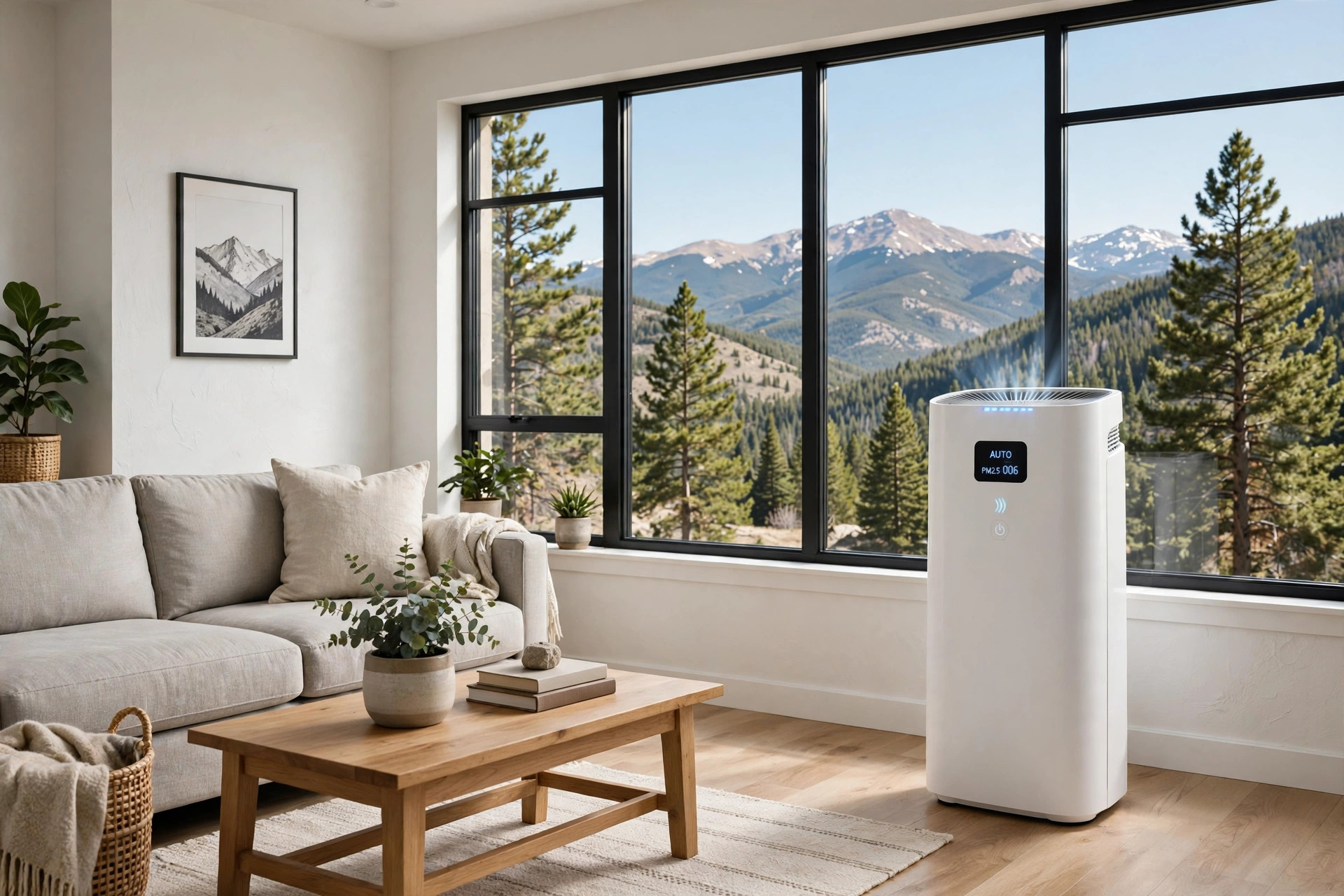

When you buy air purifiers for allergies online in Colorado, you want clean air in your home, and you want it without a hard shopping trip. Colorado air brings its own set of triggers. Spring brings tree pollen. Summer brings grass pollen and smoke from wildfires. Autumn brings ragweed. Winter brings dust from closed windows and dry forced air. An air purifier can cut down the floating bits that make your eyes water and your nose run. Shopping online gives you time to read, compare, and pick the right machine for your rooms. This guide walks through the whole process in plain terms.
Why Air Purifiers Matter for Colorado Homes
Colorado is a dry state with wide-open skies, and that openness carries pollen far. Many people who move to the state find their allergies get worse, not better, because the pollen season runs long and the air carries dust off the high plains. In towns along the Front Range, spring cottonwood fluff can coat porches for weeks. In mountain towns, cedar and juniper pollen drift through whole valleys.
An air purifier does not cure allergies. It lowers the count of airborne triggers inside your rooms. A good unit pulls room air through a fine filter, traps pollen grains, dust mite bits, pet dander, and some mold spores, and sends cleaner air back out. The Asthma and Allergy Foundation of America explains that removing airborne allergens from indoor air can reduce symptoms for many people, especially in bedrooms where you spend a third of your day.
Colorado adds two more wrinkles. First, wildfire smoke. During fire season, tiny smoke particles can push deep into lungs. A purifier with a true HEPA filter catches much of this fine matter. Second, dryness. Dry air lifts dust and keeps it floating longer. A purifier keeps running all day to catch it. The U.S. Environmental Protection Agency notes that portable air cleaners can be a useful part of a home air quality plan when they are sized to the room and used the way the maker directs.
Shopping online suits this purchase well. You can read filter test results, check room-size ratings, and compare prices across many sellers without driving store to store. For Colorado shoppers, many sellers ship straight to Denver, Colorado Springs, Fort Collins, Boulder, and Grand Junction at standard rates.
What to Look For When You Choose: Buy Air Purifiers for Allergies Online in Colorado
Not every air purifier handles allergies well. Some units are built mostly for odors. Some move so little air that they barely dent the pollen count. Use these five points to judge any model.
Filter Type
Look for a “True HEPA” filter. This is the standard that traps at least 99.97 percent of bits 0.3 microns across, which covers most pollen, pet dander, and dust mite debris. “HEPA-type” or “HEPA-like” filters do not meet the same test, so skip them. The American Academy of Allergy, Asthma, and Immunology notes that HEPA filtration is the most reliable way to pull allergens out of indoor air.
Many allergy models also add an activated carbon pre-filter. It catches odors and some smoke smells, which is handy during wildfire season. A washable pre-filter on top catches big lint and hair before they reach the HEPA filter, and that stretches HEPA life.
Room Size Rating
Every purifier lists a clean air delivery rate, or CADR, and a suggested room size. Match the unit to the room you want to treat. A unit rated for 300 square feet will strain in a 600-square-foot great room. For bedrooms, pick a unit rated for the room or larger. Bigger units run at lower fan speeds, which means less noise while you sleep.
Noise Level
Purifiers run for hours at a stretch, so noise matters. Check the decibel rating at low and high speeds. Around 25 to 35 decibels on low is about as loud as a soft whisper. Sleepers who need quiet should test this number before buying. Reviews from Consumer Reports often list measured noise levels, which are more honest than the box.
Energy Use
A purifier that runs all day can add to the electric bill. Look for an ENERGY STAR label. The ENERGY STAR program certifies purifiers that move air well while using less power.
Extra Features Worth Having
A timer, an auto mode with an air-quality sensor, and a filter-change light are the three most useful extras. Auto mode lets the unit speed up when pollen or smoke rises and slow down when the air is calm. Skip gimmicks you will never use, such as apps with subscription fees, and be wary of units that add ozone on purpose. Ozone can irritate lungs, which defeats the goal.
Types and Options to Know
Air purifiers for allergies come in a few main forms. Each suits a different home.
Tower HEPA purifiers. These tall, slim units hold a large HEPA filter and move plenty of air. They are the best general pick for bedrooms and living rooms. Brands across the market sell tower units in several sizes, and many test well for allergy relief.
Compact tabletop purifiers. Small cubes that sit on a nightstand or desk. They cover one small room or the air right around your bed. Good for renters or for adding a second unit in a home office.
Console purifiers for large rooms. Big boxes rated for 500 to 800 square feet. They cost more but can handle open-plan main floors where pollen drifts in from many doors and windows.
Purifiers with humidifier or UV add-ons. Some models bundle a humidifier, which can help with Colorado dryness, or a UV lamp meant to kill germs. For allergies alone, these add-ons matter less than the HEPA filter itself. If dry air bothers you, a separate humidifier often works better and costs less to run. The guides at The Spruce compare these combo units side by side.
For a typical Colorado home, most shoppers do best with one tower unit for the main bedroom and, if the budget allows, one larger unit for the living area.
Cost and Price: What to Expect
Prices fall into three rough bands.
– Budget units ($50 to $120). Small HEPA purifiers for bedrooms and offices. They work for one room if the CADR matches the space. Filter replacements run about $15 to $30 per year. – Mid-range units ($130 to $300). Tower purifiers for bedrooms and medium living rooms, often with auto mode and quiet low speeds. This is the sweet spot for most allergy shoppers. Yearly filter costs run about $30 to $60. – Premium units ($300 to $700). Large-room consoles and high-end towers with better sensors, longer filter life, and lower noise. Worth it for open floor plans or for homes near heavy pollen or fire smoke.
Remember the filter cost when you compare. A cheap unit with pricey filters can cost more over two years than a mid-range unit with cheap filters. Check the replacement filter price and the maker’s suggested change schedule before you check out. Some sellers bundle a spare filter set, which can save a fair amount.
Shipping to Colorado is straightforward with most large sellers. Many offer free shipping on purifiers, and delivery times to the Front Range are often two to four days. Rural mountain addresses may take a day or two longer. Sales cluster around spring allergy season and autumn, so waiting for a sale can cut the price by 20 percent or more.
Buying Online: A Simple Step-by-Step
1. Measure your rooms. Length times width gives square feet. Note ceiling height too, since tall rooms hold more air. 2. Set your budget, including one year of replacement filters. 3. Search for true HEPA units rated at or above your room size. Use the room-size filter on the seller’s site. 4. Read three to five reviews per finalist. Look for notes on noise, filter cost, and how well the unit handles smoke or pollen. Good Housekeeping and Bob Vila both run lab-tested roundups. 5. Check the return policy. A 30-day return window lets you test the unit in your own air. This matters because every home’s pollen mix is different. 6. Order from a seller with clear filter support. You will need replacement filters for years, so pick a brand whose filters are easy to find online. 7. Place the unit well when it arrives. Keep it three to five feet off the ground if you can, away from walls and curtains, and run it on high for an hour before bedtime to knock the pollen down.
If you want a second line of defense in the bedroom, read up on dust mite mattress covers reviews and buying guide before you order, since bedding holds allergens no purifier can pull from fabric. And for the rest of the house, best eco friendly cleaning supplies with free shipping can cut the chemical load that adds to indoor irritation.
Care and Upkeep
A purifier only works as well as its filters. Follow this simple routine.
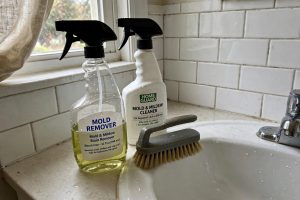
– Vacuum or rinse the pre-filter every two to four weeks. Most slide out by hand. This one habit extends HEPA life a lot. – Change the HEPA filter on the maker’s schedule, usually every six to twelve months. In Colorado fire season, heavy smoke can clog a filter faster, so check it after bad smoke weeks. For damp corners where spores grow, eco-friendly mold removal sprays can help between deep cleans. – Wipe the outside with a damp cloth when you dust the room. Do not spray cleaner into the vents. – Keep doors and windows closed while the unit runs in allergy season. An open window lets in more pollen than the unit can remove. – Run it steady. Purifiers work best running all day on low or auto rather than in short blasts. Steady running keeps the pollen count low around the clock.
Mark filter-change dates on a calendar or set a phone reminder. A clogged filter slows airflow and can make the motor work harder, which raises noise and power use. The how-to guides at Family Handyman and This Old House show the basic steps with photos if you have never changed one before.
Safety Notes
Air purifiers are among the safest home appliances, but a few points deserve care.
– Avoid ozone generators. Some units marketed as “air purifiers” make ozone on purpose to attack odors. Ozone irritates airways and can trigger asthma. The U.S. Environmental Protection Agency warns against using ozone generators in occupied rooms. True HEPA units do not make ozone. – Keep cords tidy. Place the unit where no one trips on the cord, and keep it off wet floors. – Give it air space. Leave at least a foot of space on all sides so air can flow in and out freely. Do not tuck it behind furniture. – Unplug before opening. Always unplug the unit before you remove a filter or clean inside the case. – Watch for recalls. Register your unit with the maker so you get recall notices, and check your state consumer protection office or the retailer if you buy a lesser-known brand.
For general home upkeep around the purifier, the cleaning guides at The Spruce and Good Housekeeping cover dusting routines that keep allergen levels down between filter changes.
Frequently Asked Questions
Do air purifiers really help with allergies? They help with airborne triggers such as pollen, pet dander, dust mite debris, and mold spores. They cannot remove allergens already settled in carpets, bedding, or upholstery, so they work best as part of a wider plan that includes washing bedding in hot water and vacuuming with a HEPA vacuum. The American Academy of Allergy, Asthma, and Immunology lists air filtration among the useful steps for indoor allergy control.
What size purifier do I need for a Colorado bedroom? Measure the room and buy a unit rated for that size or larger. A typical 12-by-14-foot bedroom is about 170 square feet, so a unit rated for 200 square feet or more gives a comfortable margin. Taller ceilings add air volume, so size up if your ceilings run above eight feet.
Can one purifier cover a whole house? No. Portable purifiers clean the room they sit in. For whole-house coverage you would need either several portables or a whole-house filter fitted into the heating and cooling system. Most allergy shoppers start with the bedroom, where clean night air makes the biggest difference to morning symptoms.
How long should I run it each day? Run it all day on low or auto mode. Pollen enters whenever doors open, and dust keeps settling, so steady running keeps levels down.
Will a purifier help with wildfire smoke? A true HEPA unit traps much of the fine particle matter in smoke, which eases the worst of it indoors. It will not remove gases or the full smell. During heavy smoke days, keep windows shut, run the purifier on high, and limit outdoor time. The U.S. Environmental Protection Agency publishes guidance on indoor air steps during smoke events.
Is it cheaper to buy air purifiers online or in a store? Online prices are often lower, and you can compare many models side by side. Stores let you hear the fan noise in person, which some shoppers value. A common approach is to shortlist online, then check one or two finalists in a store before ordering online at the better price.
A Short Final Word
Buying an air purifier for allergies online in Colorado comes down to a few plain choices: true HEPA, the right room size, low noise, and fair filter costs. Get those right and the unit will quietly cut the pollen, dust, and smoke bits that make allergy season hard. Order early in the season, give the machine a fair test in your own rooms, and keep the filters fresh.
References
American Academy of Allergy, Asthma & Immunology. (n.d.). Allergy education. https://www.aaaai.org Asthma and Allergy Foundation of America. (n.d.). Allergy and asthma resources. https://www.aafa.org Bob Vila. (n.d.). Home improvement advice. https://www.bobvila.com Consumer Reports. (n.d.). Product reviews and ratings. https://www.consumerreports.org ENERGY STAR. (n.d.). Energy efficient products. https://www.energystar.gov Family Handyman. (n.d.). DIY home repair and maintenance. https://www.familyhandyman.com Good Housekeeping. (n.d.). Product reviews and home advice. https://www.goodhousekeeping.com The Spruce. (n.d.). Home and garden advice. https://www.thespruce.com This Old House. (n.d.). Home renovation guidance. https://www.thisoldhouse.com U.S. Environmental Protection Agency. (n.d.). Protecting human health and the environment. https://www.epa.gov
Was this guide helpful?

About Robert Taylor
The My Garden US editorial team writes practical, in-depth home and garden guides for American homeowners — tested advice, no fluff.
You May Also Like

Top Rated Gutter Cleaning Service Providers Reviews: How to Read Them and Hire With Confidence
February 19, 2026 0 views
Reliable Deep Cleaning Service Packages in Colorado
May 2, 2026 0 views
Top Rated Move Out Cleaning Services Reviews: How to Read Them and Hire Well
May 2, 2026 0 views