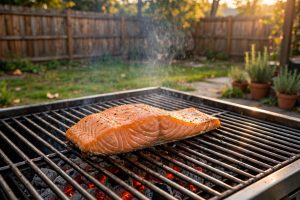
The best grill for thin blue smoke is not always the most costly one. It is the grill that lets its fire breathe. Thin blue smoke is the pale, almost clear wisp that rises from wood or charcoal when it burns clean. Pitmasters watch for it. They know it means the fire is hot enough to burn the wood fully, and the meat will taste sweet and mild. Thick white smoke is the opposite. It comes from a fire that is smothering. It lays a bitter, sharp taste on the food.
If you cook low and slow, the smoke matters as much as the heat. A brisket or a pork shoulder sits in the smoke for hours. Clean smoke flavors it gently. Dirty smoke ruins it. This guide looks at the search for the best grill for thin blue smoke, and it explains what thin blue smoke is, which grill types make it best, and how to pick one that fits your yard and your budget.
Why Thin Blue Smoke Matters
Wood is made of many parts. When it burns, it gives off gases. If the fire is hot and has enough air, those gases burn up. What is left is a thin blue stream of smoke. It carries the good flavor compounds. They settle on the meat and give it the taste people love.
If the fire is cool or starved of air, the wood smolders instead of burning. It gives off thick white smoke. That smoke carries creosote and soot. Creosote is a sticky, bitter substance. It coats the meat and leaves a sharp taste in the mouth. Many new cooks think more smoke is better. It is not. Less smoke, if it is clean, is better.
You can see the difference with your own eyes. Light a charcoal fire and close the vents too far. The smoke will turn white and heavy. Open the vents and let the fire heat up. The smoke will thin out and turn blue. That is the goal. The grill that helps you reach that state with the least fuss is the one you want.
What to Look for in a Grill That Burns Clean: Best Grill for Thin Blue Smoke
Any grill can make thin blue smoke if the fire is right. But some designs make it far easier. When you shop, look at four things.
Airflow Control
Air is the key. A fire needs oxygen to burn clean. Look for grills with vents that are easy to adjust and that hold their place. A top vent and a bottom vent give you the best control. The bottom vent feeds the fire. The top vent lets the spent air escape. Dampers that fit tight and move smooth will serve you for years.
A Tight Body
Smoke and heat leak out of loose lids and thin doors. A well-built grill holds heat inside. That keeps the fire steady. Heavy-gauge steel and ceramic bodies are good at this. Check how the lid fits. If it rocks or leaves gaps, the fire will run uneven and the smoke will suffer.
Steady Temperature Control
Thin blue smoke needs a stable fire. A grill that swings from hot to cold will not hold clean smoke for long. Pellet grills use a motor and a fan to hold the heat. Kamado grills use thick ceramic walls. Kettle grills use simple vents and a skilled hand. Each path can work. Pick the one that suits your patience.
The Right Fuel
The fuel sets the floor for smoke quality. Dry hardwood burns cleanest. Wet wood smolders. Cheap charcoal full of filler can also smoke dirty. Good lump charcoal and dry wood chunks are worth the cost. For more on how fuel choice shapes a cook, see our guide to pellet grill vs gas grill pros cons.
The Best Grill Types for Thin Blue Smoke
No single grill wins for every cook. Each type has a way of burning clean. Here are the four types that do it best, with honest notes on each.
Pellet Grills
A pellet grill burns small wood pellets. An auger feeds them into a fire pot. A fan blows air over the flame. The controller holds the heat where you set it. This design makes thin blue smoke easy. The fire pot burns hot and small, and the fan keeps the air moving. Most pellet grill owners report clean, faint smoke once the grill is up to heat.
Pellet grills are kind to beginners. You set the dial and walk away. They hold heat for hours with little change. The trade is that the smoke flavor is mild. It will not hit as hard as a stick burner. But it is clean, and for many cooks that is enough. Pellet grill pioneer Traeger helped make this style common, and many other makers now follow the same design. Read our pellet grill maintenance tips for beginners to keep yours burning clean.
Kamado Grills
A kamado is a round cooker made of thick ceramic. The ceramic holds heat like a kiln. Once it is hot, it stays hot with very little fuel. That steadiness is perfect for thin blue smoke. A small, hot bed of lump charcoal in a kamado burns clean for hours.
Kamados are fuel misers. A load of charcoal can run a long cook. They also sear well at high heat. The ceramic walls and tight seals are the reason. Ceramic cooker brand Big Green Egg is the name most people know, but several makers build the same style. The weak point is cost. A large kamado can cost more than a pellet grill of the same size. It also takes some practice to learn the vent settings.
Charcoal Kettle Grills
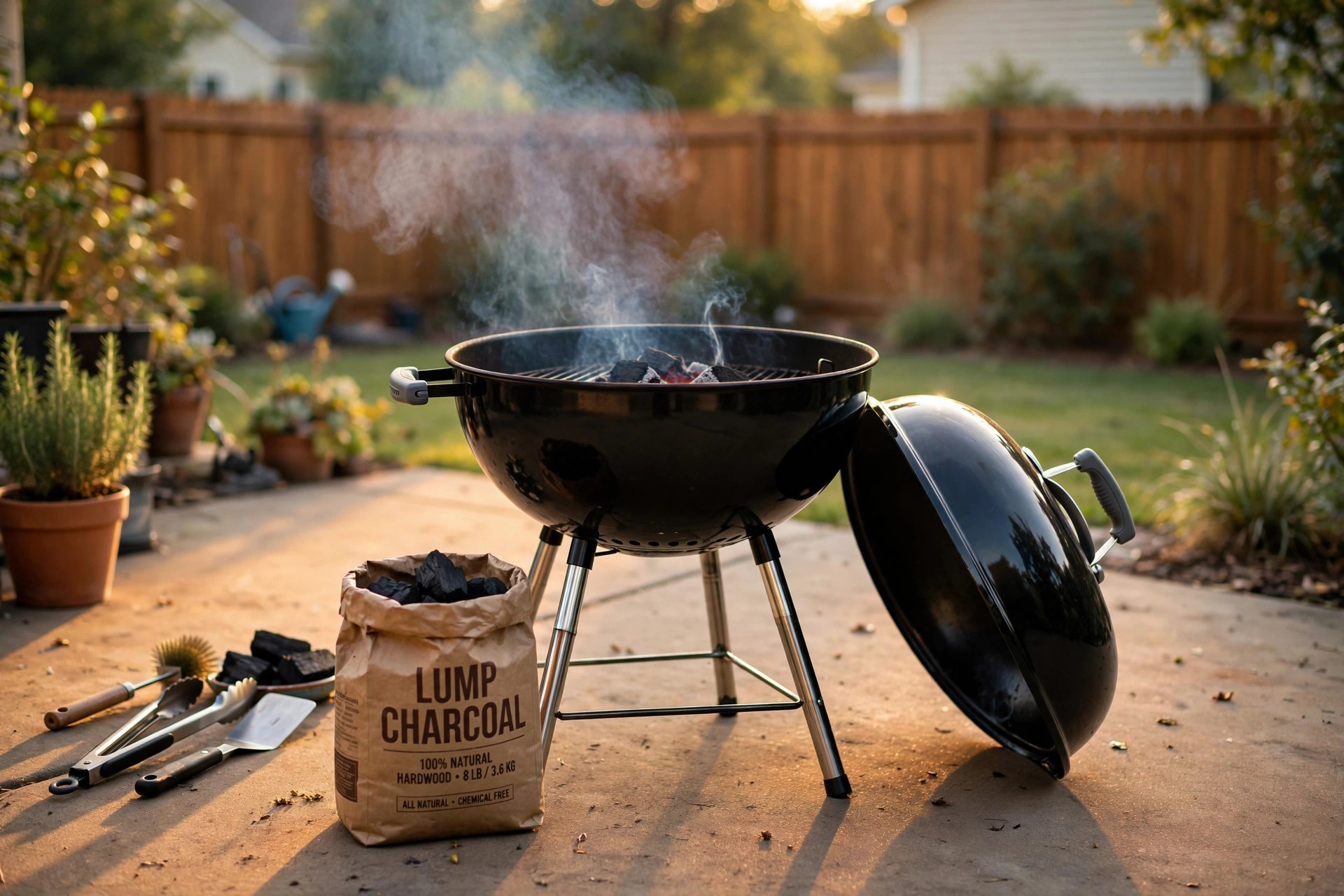
The kettle grill is the old workhorse. It is a steel bowl with a lid, a bottom vent, and a top vent. Nothing more. In skilled hands, a kettle makes some of the cleanest smoke of any grill. The fire sits in a small pile. The cook banks it to one side and lets the heat and smoke roll over the food.
Kettles are cheap and tough. They last for years with simple care. Grill maker Weber built its name on this design, and its long product guides are worth a read before you buy. The catch is that you must tend the fire. You add coals by hand. You watch the vents. For some cooks, that hands-on work is the joy of it. For others, it is a chore. A kettle rewards patience.
Offset Smokers
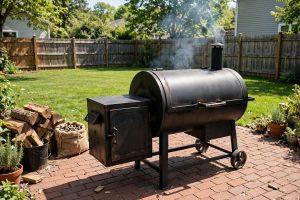
An offset smoker has a firebox on the side and a long cook chamber. You burn wood splits in the firebox. The heat and smoke flow across the meat and out the stack. A well-run offset gives the classic barbecue flavor many cooks chase. The smoke can be very thin and blue when the fire is hot.
The offset is the hardest of the four to run. It needs a real wood fire, tended often. A cold firebox makes white smoke fast. Thin steel offsets are common and cheap, but they leak heat and need more wood. Thick steel models hold heat well but cost far more. If you love the craft and have the time, an offset is hard to beat. If you want ease, look at the pellet or kamado first.
Cost and Price
The best grill for thin blue smoke comes at many price points. A charcoal kettle costs little. It is often the least costly way to start. You can learn clean fire control on one without spending much. A good kettle from a known maker lasts a decade or more.
Pellet grills sit in the middle. Entry models cost a few hundred dollars. Larger models with better controllers cost more. Kamado grills run from mid-range to high. Small ones are fair in price. Large ceramic cookers can cost as much as a used car. Offset smokers vary the most. A thin steel model is cheap. A thick steel one is dear.
Think about fuel cost too. Pellets cost more than charcoal per cook. Lump charcoal costs more than briquettes. Wood splits are cheap if you have a local source, costly if you buy bags. Over a year of weekend cooks, fuel adds up. Plan for it when you pick.
Independent testers like Consumer Reports rate grills on even heat and build quality. Their guides can help you compare models before you spend. Retailer Home Depot stocks most of these grill types, so you can see them side by side.
Care and Upkeep
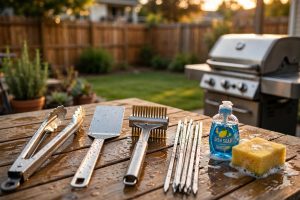
A clean grill burns clean. Ash chokes a fire. When ash piles up, air cannot reach the coals. The fire smolders. The smoke turns white. Empty the ash catcher before each cook. Brush the grates. Check the vents for stuck grease.
Pellet grills need extra care. The fire pot must stay clear of ash. The auger and hopper must stay dry. Wet pellets swell and jam. Vacuum the fire pot every few cooks. Kamado grills need less work, but check the gasket around the lid each year. A worn gasket leaks air and heat. Kettle grills need new grates now and then. Offsets need the firebox scraped and the stack checked for blockages.
Store the grill under a cover or in a shed. Rain rusts steel and ruins pellets. A simple cover costs little and adds years to the grill. For step-by-step cleaning methods, Char-Broil publishes plain how-to guides for its grills, and the same steps work on most charcoal and gas models.
Safety
Fire and smoke demand respect. Set the grill on a flat, solid surface away from the house. Keep it clear of fences, trees, and low roofs. Never grill in a garage or under a covered porch. The smoke and the carbon monoxide can build up fast.
Wear heat-proof gloves when you touch the lid or the vents. Keep a spray bottle of water near for small flare-ups. Keep a fire extinguisher close when you burn wood splits in an offset. Let ash cool fully before you throw it out. Hot ash can start a fire in a trash bin hours later.
Teach children to stay back from the grill. A hot cooker looks harmless but holds heat for hours after the cook ends. Put a clear rule in place and hold to it.
FAQ
What is thin blue smoke?
It is the pale, almost clear smoke from a clean-burning wood or charcoal fire. It means the fuel is burning hot with enough air. It flavors food with a mild, sweet taste instead of a bitter one.
Which grill is easiest for thin blue smoke?
A pellet grill is easiest for most people. The fan and controller hold the fire steady. You get thin blue smoke with little effort. A kamado is next, once you learn the vents. A kettle takes the most skill but costs the least.
Can a gas grill make thin blue smoke?
Gas burns clean by itself, but it makes no wood smoke. You can add a smoker box with wood chips to get smoke flavor. The smoke from chips can run white at first. Let the chips catch fully before you start cooking. Read more in our guide on how to smoke brisket on pellet grill for notes on managing smoke during long cooks.
Why is my smoke white and thick?
The fire is too cool or short of air. Check the vents. Open them wider. Make sure the ash is cleared out. Use dry fuel. Wet wood and damp charcoal smolder and make white smoke. Give the fire time to heat up before you put the food on.
Does thin blue smoke taste different?
Yes. Clean smoke tastes mild and sweet. It lets the meat and the rub show through. Thick white smoke tastes bitter and sharp. It can leave a numb feeling on the tongue. Most cooks who switch to clean fire say the food tastes better at once.
How long should I wait for the smoke to turn blue?
Give a new fire 20 to 45 minutes. Let the fuel catch fully and the grill come up to heat. When the smoke thins out and the smell turns sweet, the grill is ready. Do not rush this step.
A Final Word
The best grill for thin blue smoke is the one you will run well. A costly cooker with a careless fire still makes dirty smoke. A cheap kettle with a careful fire makes clean smoke all day. Pick the grill that fits your time, your budget, and your yard. Learn the vents. Use dry fuel. Keep the ash cleared. Then watch the smoke. When it turns thin and blue, you will know the fire is right, and the food will show it.
For more reading on outdoor cooking craft, the barbecue science site AmazingRibs explains fire and smoke in plain terms. The food site The Spruce Eats has tested guides on grills and smokers. And if you are comparing gas options as well, browse the grill lines from Napoleon and Broil King to see how different makers approach heat control.
References
AmazingRibs.com. (n.d.). Barbecue and grilling science. https://www.amazingribs.com Big Green Egg. (n.d.). Kamado grills and outdoor cooking. https://www.biggreenegg.com Broil King. (n.d.). Gas and charcoal grills. https://www.broilkingbbq.com Char-Broil. (n.d.). Gas and charcoal grills. https://www.charbroil.com Consumer Reports. (n.d.). Product reviews and ratings. https://www.consumerreports.org Napoleon. (n.d.). Fireplaces, grills, and heating products. https://www.napoleon.com The Home Depot. (n.d.). Home improvement products. https://www.homedepot.com The Spruce Eats. (n.d.). Recipes and cooking guides. https://www.thespruceeats.com Traeger. (n.d.). Wood pellet grills. https://www.traeger.com Weber. (n.d.). Grills and outdoor cooking. https://www.weber.com
Was this guide helpful?

About Sarah Mitchell
The My Garden US editorial team writes practical, in-depth home and garden guides for American homeowners — tested advice, no fluff.