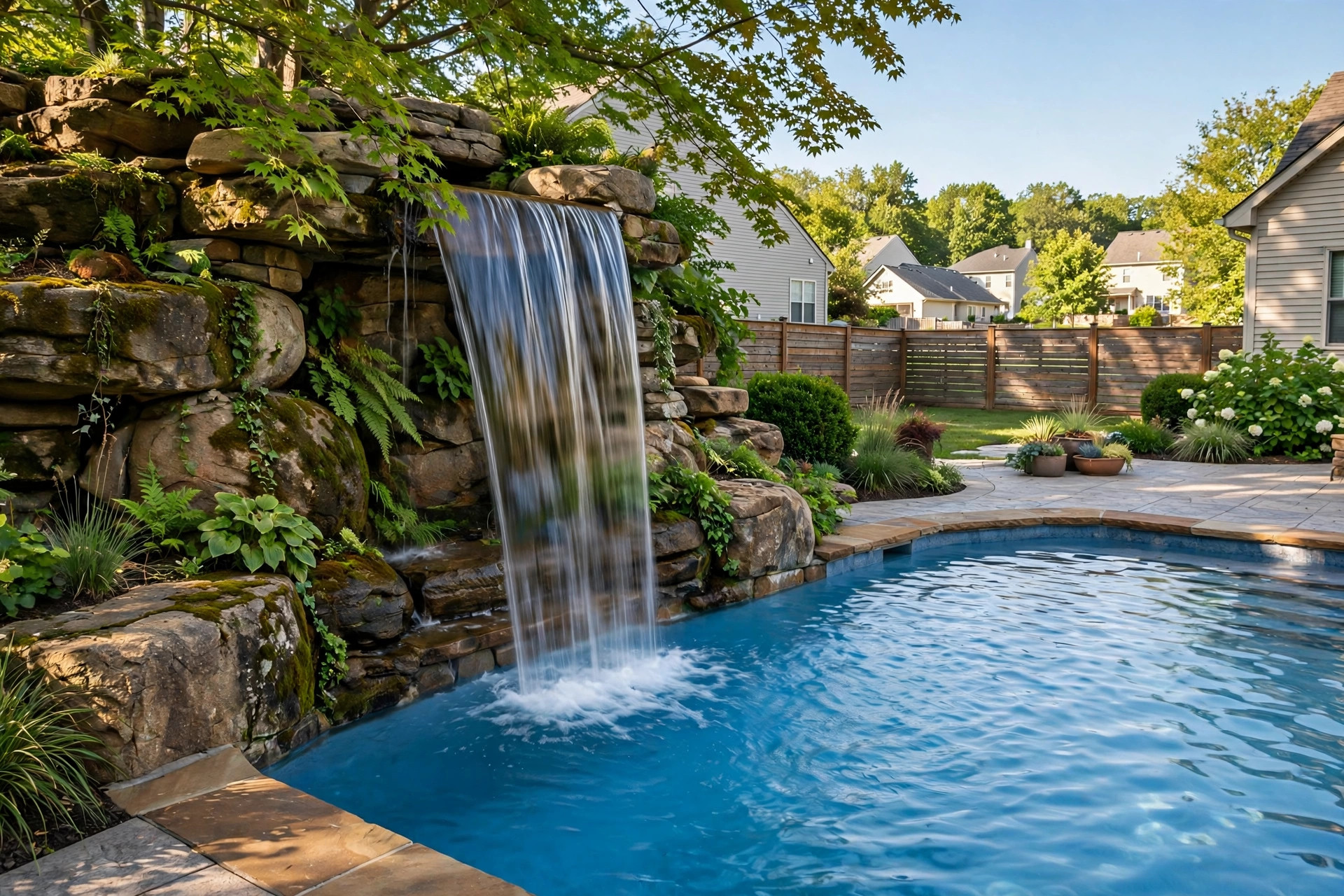
A pool waterfall feature changes a plain backyard pool into a place that feels like a small resort. The sound of moving water hides street noise. The falling sheet of water cools the air on hot days. And the look of stone or clean metal against blue water adds real beauty to the yard.
Many home owners ask how to install pool waterfall feature units without calling a big crew. The good news is that some types are simple enough for a careful do-it-yourself worker. Other types need a licensed builder. This guide walks through both paths in plain words. You will learn what the parts are, what tools you need, the steps in order, what it costs, how to care for the unit, and how to keep it safe.
Why Add a Waterfall to Your Pool
People add waterfalls for three reasons. The first is sound. Moving water makes a soft, steady noise that covers traffic and neighbor sounds. The second is looks. A sheet of water over the pool edge draws the eye and makes the whole pool feel finished. The third is motion. Falling water adds oxygen to the pool and keeps the surface moving, which helps keep the water clear.
A waterfall also adds to the value of the home in many markets. Buyers notice a pool with stone work and water effects. Even a small spillway unit can lift the look of an older pool without a full rebuild.
What to Look for Before You Begin: How to Install Pool Waterfall Feature
Before you buy any parts, study your pool. The type of pool decides what you can install.
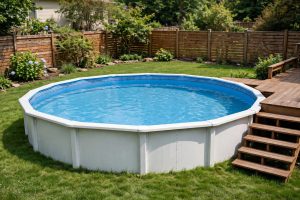
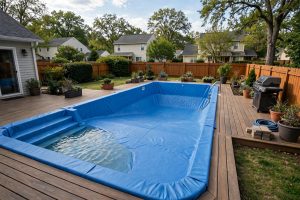
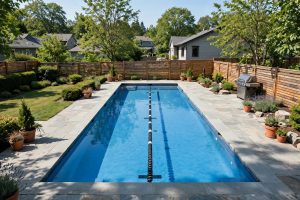
Inground concrete pools accept almost any waterfall. You can tie new plumbing into the pool shell and set heavy stone in place. Vinyl liner pools need more care. You cannot drill through the liner freely, so the waterfall usually sits on the deck and the return line goes over the pool wall. Fiberglass pools are similar. The shell can be cut, but one wrong cut ruins the pool, so most owners hire a pro for fiberglass shells.
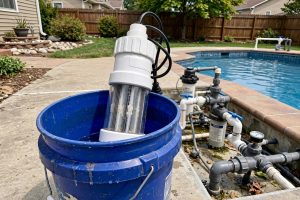
Next, look at your pump and filter. A waterfall needs a steady supply of water. Many pools run the waterfall off the main pool pump through a separate return line. Large waterfalls may need a second pump. Check the size of your pump in horsepower and read the flow rate of the waterfall unit you want. If you need to size a new pump, read a guide like best pool pump for inground pools to learn what flow rate means.
Also check local rules. Some towns require a permit for pool plumbing changes. Call your building office before you dig or cut. The U.S. Consumer Product Safety Commission offers pool safety rules that apply to any pool change, so review those too.
Types of Pool Waterfall Features
There are four common types. Each has its own install method.
Sheer Descent Units
A sheer descent is a slim box that sends a clear sheet of water into the pool. It mounts on the pool wall or on a raised bond beam. These units suit modern pools with clean lines. A sheer descent pool waterfall needs only one return pipe and a small cut in the wall. Many come in widths of one, two, or four feet.
Rock and Stone Waterfalls
A rock waterfall for inground pool owners is the classic choice. It uses natural or man-made rock to build a small hill at the pool edge. Water flows down over the stones into the pool. This type needs more space, more plumbing, and a firm base. The look is natural and fits free-form pools.
Spillover Spas
A spillover is a small raised spa that pours water into the main pool. If your pool already has a raised spa, you may only need to add a spillway edge. The pool spillover spa effect runs on the same pump as the spa, so the plumbing is simpler.
Fountain and Laminar Jets
These small jets shoot arcs of water into the pool. They mount in the deck around the pool. The install is the easiest of all, since each jet needs only a small pipe from the return line.
Tools and Materials You Will Need
Gather your tools before you start. For most waterfall installs you will need a shovel, a wheelbarrow, a level, a tape measure, PVC primer and cement, PVC pipe and fittings, a hacksaw or PVC cutter, Teflon tape, a drill with masonry bits, concrete or mortar mix, a trowel, safety glasses, and work gloves. If the job needs wire for a pump or lights, use a licensed electrician for that part.
The main parts are the waterfall unit itself, a return line of PVC pipe, a valve to control the flow, and, for rock builds, stone and mortar. Buy pool supply parts from a store you trust, and keep the install manual from the unit maker on hand. Pool Warehouse also stocks many waterfall kits with plain install sheets.
How to Install a Pool Waterfall Feature, Step by Step
This section covers a wall-mount sheer descent and a deck-set rock fall, the two most common do-it-yourself jobs. Follow all local codes. If any step feels beyond your skill, stop and call a pool builder.
Step 1: Pick the Spot
Choose a spot on the pool wall that has a flat surface and clear space behind it. The water must fall into the pool, not onto the deck. Mark the width of the unit on the wall with a pencil. For a rock fall, mark the outline on the deck where the stone hill will sit.
Step 2: Shut Down the Pool Equipment
Turn off the pump at the breaker. Close the valves on the suction and return lines. Drain the pool a few inches below the work area if you will cut into the wall. Safety comes first. Test the water balance later, since new plumbing can stir up dust and mortar.
Step 3: Run the Return Line
Dig a trench from the equipment pad to the waterfall spot. The trench should be at least eighteen inches deep. Lay two-inch schedule 40 PVC from a tee on the pool return line to the waterfall. Add a ball valve in the line so you can tune the flow. Glue every joint with primer and cement, and let the joints cure for two hours before you bury the pipe. Plain plumbing guides show the correct way to glue PVC so the joints hold pressure.
Step 4: Set the Waterfall Unit
For a sheer descent, follow the maker sheet to cut the wall opening or mount the box on the wall face. Set the unit level. A box that tilts will spill water to one side. For a rock fall, pour a concrete pad at least four inches thick and let it cure. Then stack the stone from the bottom up, setting each rock in mortar. Leave a channel in the middle for the water to flow down. Test-fit the pipe through the stone as you build.
Step 5: Connect the Pipe
Cut the return pipe to length and glue it to the waterfall inlet. Wrap threaded parts with Teflon tape. Fill the pool back to normal level. Turn on the pump and open the valve slowly. Watch the sheet of water. It should be even across the full width. If it is rough, check that the unit is level and that the lip is clean.
Step 6: Finish and Seal
Mortar the gaps around the pipe where it enters the stone. Wash off loose mortar with a wet sponge before it dries on the rock faces. For a sheer descent, caulk the edge where the unit meets the wall. Run the pump for a full day and check every joint for leaks.
When to Call a Professional
Call a pro if you must cut a fiberglass shell, move the main pump, add a second pump with new wire, or build a large rock structure over four feet tall. Heavy stone and deep cuts can harm the pool if done wrong. A licensed builder also knows the local permit rules. If you are unsure about salt water pool conversion cost guide style plumbing changes, the same care applies here: hire the work out.
Cost and Price
Pool waterfall installation cost varies with the type and the size of the job.
A small deck-mounted sheer descent kit costs between one hundred fifty and five hundred dollars for the unit alone. Pipe, valves, and fittings add another one hundred to two hundred dollars. A careful home owner can finish this job in one weekend.
A medium rock waterfall built by a home owner costs between one thousand and three thousand dollars in stone, mortar, and pipe. The same job from a builder runs between five thousand and ten thousand dollars, since the crew sets the stone and ties in the plumbing.
A large custom rock fall with lights and a separate pump can cost between ten thousand and twenty thousand dollars installed. A spillover spa edge added to an old pool falls in the middle range, often between three thousand and six thousand dollars.
Prices change by region and by year. Get three written quotes before you hire a crew. Ask each builder for proof of insurance and photos of past waterfall jobs.
Care and Upkeep
A waterfall needs small, steady care. Once a week, brush the lip of the unit where algae can grow. Once a month, check the flow. If the sheet breaks into streams, the lip may have scale from hard water. Wipe it with a soft cloth and a mild acid wash made for pools.
Watch the pool water level. Waterfalls splash and evaporate water faster than a still pool. Top up the pool as needed. Keep the pump basket clean, since a waterfall return line adds demand on the pump. In fall, clear leaves from the stone channel so they do not stain the rock.
If you winterize your pool, blow out the waterfall line with the rest of the plumbing. Trapped water can freeze and crack the pipe. The folks at Hot Spring and Bullfrog Spas both note in their cold-weather sheets that moving water lines need full draining before a hard freeze, and the same rule fits any waterfall line.
Safety
Water and decks can be slick. Keep the deck around the waterfall dry and free of algae. Do not let small children climb on rock waterfalls. The stones are hard and the edges can be sharp. Teach children to stay in the pool and watch the waterfall from the water, not from the top of the rocks.
Follow the pool safety rules from the Consumer Product Safety Commission. Keep the pump timer set so the waterfall does not run all night, which saves power and keeps the noise low for neighbors.
If the waterfall has lights, use only pool-rated low-voltage fixtures. Let an electrician make all wire connections. Never mix pool water and household wiring without a licensed worker.
Frequently Asked Questions
Can I add a waterfall to an existing pool? Yes. Most existing inground pools can take a waterfall. The crew or the home owner adds a return line from the pool plumbing to the new unit. The work is easier if there is open deck or soil behind the pool wall.
Does a waterfall use a lot of electricity? A small sheer descent that runs off the main pump adds little cost. A large waterfall with its own pump can add twenty to fifty dollars a month to the power bill if it runs many hours a day. A timer cuts the cost.
Will a waterfall help keep the pool clean? It helps a little. Moving water adds oxygen and keeps the surface moving, which slows algae growth. But a waterfall does not replace chlorine, brushing, or the filter. Keep your normal care routine.
Can I install a pool waterfall feature myself? Yes, if the unit is a wall-mount sheer descent or a small rock kit and your pool is concrete. Read the maker manual twice before you start. For fiberglass shells, big stone work, or new pumps with wire, hire a pro.
How loud is a pool waterfall? A sheer descent is quiet, like a soft hiss. A rock fall with a high drop is louder, like a small stream. You can tune the sound with the flow valve. Test the sound at night before you set the timer, since sound carries farther in the dark.
What is the best height for a waterfall? Two to four feet above the water is the sweet spot for most backyards. It gives a clear sheet and a pleasant sound. Taller falls look grand but splash more and cost more to build.
A Final Word
Learning how to install pool waterfall feature units is within reach of many home owners. Pick the right type for your pool, plan the plumbing with care, and work in order. Keep the unit level, glue the joints well, and test the flow before you finish the stone or caulk the edge. If the job grows past your comfort, hand it to a licensed builder. For design ideas, browse outdoor living guides and home improvement basics before you buy. A little planning now gives you years of falling water and quiet evenings by the pool. If you are planning a bigger pool project, also read fiberglass pool installation cost usa to compare what a full new build would cost.
References
Bullfrog Spas. (n.d.). Hot tubs and spas. https://www.bullfrogspas.com Hot Spring Spas. (n.d.). Hot tubs and spas. https://www.hotspring.com Leslie’s Pool Supplies. (n.d.). Pool supplies and equipment. https://www.lesliespool.com Pool Warehouse. (n.d.). Pool equipment and supplies. https://www.poolwarehouse.com Swim University. (n.d.). Pool and hot tub care guides. https://www.swimuniversity.com The Home Depot. (n.d.). Home improvement products. https://www.homedepot.com The Spruce. (n.d.). Home and garden advice. https://www.thespruce.com U.S. Consumer Product Safety Commission. (n.d.). Product safety information. https://www.cpsc.gov
Was this guide helpful?

About James Carter
The My Garden US editorial team writes practical, in-depth home and garden guides for American homeowners — tested advice, no fluff.