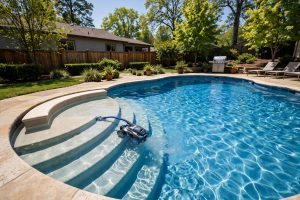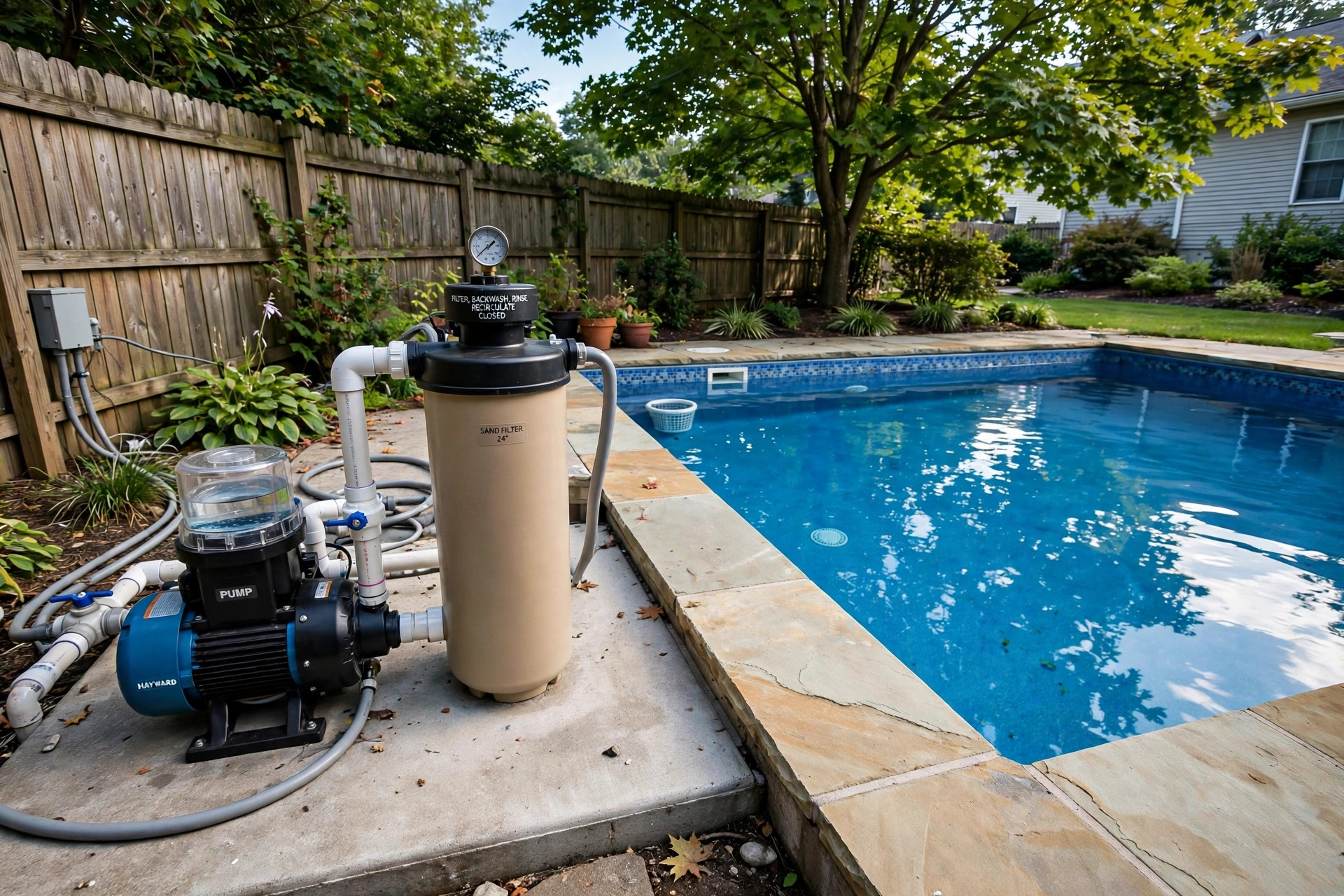

The best pool pump for inground pools is the heart of your backyard swim. It pulls water from the pool, pushes it through the filter, and sends it back clean. Without it, water turns cloudy in days. With the right one, your pool stays clear, your power bill stays low, and your equipment lasts for years.
Many owners buy a pump in a hurry when the old one dies. They pick the biggest motor on the shelf. That is a mistake. The best choice depends on the size of your pool, the type of filter you own, and how many hours you plan to run it each day. This guide walks you through it all in plain words.
Why the Pump Matters So Much
The pump does one job: it keeps water moving. Moving water passes through the filter. The filter traps dirt, leaves, and small debris. Chemicals then do the rest. If water sits still, germs grow. Algae grows. The pool turns green.
A good pump also saves money. Older single-speed pumps run at full power all the time. They cost far more to run than newer designs. The right pump can cut power use in half or more. Over a swim season, that saves real dollars.
The Three Main Types of Pool Pumps: Best Pool Pump for Inground Pools
Pool pumps come in three types. Each has a different price and different running cost. The type you choose is the single biggest factor in your power bill.
Single-Speed Pumps
A single-speed pump has one speed: full. It runs fast all the time. It moves water quickly, but it wastes power. These pumps cost the least up front. They were the norm for many years. Today, many states have rules that limit their sale for new pools. They still exist as replacements for older systems.
Dual-Speed Pumps
A dual-speed pump has two speeds: high and low. High speed is for heavy work like vacuuming or backwashing the filter. Low speed is for daily filtering. Low speed uses much less power. A dual-speed pump costs more than a single-speed one, but it pays back over time in lower bills.
Variable-Speed Pumps
A variable-speed pump can run at any speed you set. You can set it to run slow most of the day and speed up when needed. This is the most efficient type by far. It runs quiet. It puts less strain on the filter and pipes. Most pool experts now call this the best choice for an inground pool. The price is higher up front, but the savings are large.
Many guides on how to lower power costs for pool equipment start with this advice: switch to a variable-speed pump.
How to Choose the Right Size
Bigger is not better with pool pumps. An oversized pump moves water too fast. Fast water does not filter well. It can damage the filter and push dirt past it. It wastes power too.
Size is measured by turnover. Your pump must move the full volume of your pool through the filter at least once a day. Most pools need one full turnover in eight to ten hours of running. Here is how to find your size:
1. Find your pool volume in gallons. A rectangular pool holds about 7.5 gallons per cubic foot. Multiply length by width by average depth by 7.5. 2. Divide that number by the hours you will run the pump. Ten hours is common. 3. The result is the flow rate you need in gallons per minute.
Example: a pool with 20,000 gallons run for ten hours needs about 33 gallons per minute. A pump rated near that rate is the right size. If you are not sure, a pool supply site such as Leslie’s Pool Supplies can help you work the math.
Match the pump to your filter as well. Every filter has a max flow rate. The pump must not push more water than the filter can take. The filter label shows this number. Keep the pump under it.
What to Look for When You Buy
Once you know your size, compare these features. They separate a good pump from a poor one.
Motor Quality
Look for a sealed, quiet motor. A motor with a good warranty is worth more. Many quality pumps carry a one- or two-year warranty on parts. Read the fine print before you buy.
Flow Rate and Horsepower
Horsepower is only part of the story. Flow rate matters more. A well-built one-horsepower pump can move more water than a cheap two-horsepower pump. Read the performance chart on the label. It shows how much water the pump moves at your pool’s head pressure.
Noise Level
Old pumps can be loud. They hum and rattle for hours. A quiet pump makes the backyard pleasant. Variable-speed pumps are the quietest because they run slow most of the time. Check reviews for noise before you buy.
Ease of Priming
The pump must fill with water to work. This is called priming. Self-priming pumps refill on their own after a power outage or cleaning. This is a must-have for most inground pools, since the pump often sits above the water level.
Energy Star Rating
Some pumps carry an Energy Star mark. This means they meet set efficiency standards. The Energy Star program keeps a list of rated pool pumps. A rated pump costs more but saves more over its life.
A clear strainer basket lid is a small feature that helps a lot. You can see when the basket needs emptying without taking the lid off.
Cost and Price
Price ranges change with type and size. Here is what most buyers see:
– Single-speed pump: about $300 to $600. Low price, high running cost. – Dual-speed pump: about $500 to $900. Middle price, middle running cost. – Variable-speed pump: about $800 to $1,600. High price, lowest running cost.
Install cost is extra if you hire a pro. A simple swap of one pump for another often costs $200 to $500 in labor. A new install with new pipe work can cost more. Many owners install the pump themselves. The job is simple if the pipes and wires match.
The running cost matters more than the price tag. An old single-speed pump can add $50 to $100 a month to a power bill in warm states. A variable-speed pump may add only $20 to $40. The difference pays for the pump in two or three seasons. For a full breakdown, see our guide on pool pump running cost per month.
Care and Upkeep
A pump is not hard to care for. A few small habits will add years to its life.
Clean the strainer basket weekly. Leaves and debris collect in the basket inside the pump. A full basket blocks flow. The motor works harder and runs hot. Shut off the pump, open the lid, and dump the basket. It takes one minute.
Check the filter often. A dirty filter makes the pump work hard. Clean or backwash the filter on schedule. If the pressure gauge reads high, the filter needs care. For more on this, read about the best pool filter for saltwater systems and general filter care.
Watch for air leaks. If you see bubbles in the pump lid, air is getting in. Check the lid gasket and pipe joints. Air in the system cuts flow and strains the motor. A worn gasket is cheap to replace.
Listen for new sounds. A pump that starts to whine or grind may have worn bearings. Catch it early. A seal kit costs far less than a new pump. The Family Handyman site has clear repair guides for common pump parts.
Protect the motor from water. Splash and rain shorten motor life. A small cover or shade helps. Keep the area around the pump clear of leaves and mulch so air can flow.
Winter care matters. In cold states, drain the pump before the freeze. Water left inside can crack the housing. Blow out the lines. Store the drain plugs in the strainer basket so you find them in spring. Pool supply pages such as Swim University offer step-by-step winter checklists.
Safety
A pool pump runs on high voltage near water. That calls for care.
– Hire a licensed electrician for the wiring. A pool pump needs a proper ground and a ground-fault breaker. – Never open the pump lid while it runs. The basket can trap your hand. – Keep children and pets away from the pump area. Fence it if needed. – Check the drain covers in the pool. Broken covers can trap swimmers. The Consumer Product Safety Commission warns about suction entrapment each year.
Pair the pump with a good skimmer for full protection of your water. See our review of the best pool skimmer for inground pools.
FAQ
How long does a pool pump last?
Most pumps last eight to twelve years with fair care. Good motors last longer. Cheap ones last less. A pump that runs less each day lasts longer than one that runs around the clock.
How many hours a day should I run my pump?
Most inground pools need eight to twelve hours of filtering a day in summer. With a variable-speed pump, you can run it low and slow for longer hours at low cost. In winter, four to six hours is often enough for pools that stay open.
Can I replace a single-speed pump with a variable-speed pump?
Yes. The swap is one of the best upgrades a pool owner can make. The pipe size and voltage must match. A pro can finish the job in a few hours. Check local rules first. Some areas require variable-speed pumps on new installs.
Why is my pump making a loud noise?
The most common cause is a clogged strainer basket or low water. Check the basket and the pool water level. Next, check for air leaks at the lid gasket. If the noise is a whine or grind, the bearings may be worn. A repair guide from This Old House style sites can show the fix, but many owners call a pro for motor work.
Do I need a bigger pump for a saltwater pool?
No. Saltwater pools use the same pumps as chlorine pools. The pump size depends on pool volume, not the sanitizer type. Just make sure the pump parts can handle salt. Most modern pumps can.
Is it cheaper to run the pump at night?
In some areas, power costs less at night. Check your power plan. Running the pump at off-peak hours can cut the bill. A pump timer makes this easy. Home Depot sells timers rated for pool pumps.
A Final Word
The best pool pump for inground pools is the one that fits your pool, runs quiet, and keeps your bills low. For most owners today, that means a variable-speed pump sized to the pool volume. It costs more on day one. It pays you back every month after.
Take your time. Measure your pool. Check your filter rating. Read reviews on trusted sites such as The Spruce and Bob Vila before you buy. A pump is a ten-year purchase. An hour of care now buys years of clean water later. Many owners also save by buying a pump and filter as a matched set from one brand, since the parts are sized to work together from the start. Whether you relax in a pool or a Bullfrog Spa hot tub, clean moving water is what makes the backyard worth it.
References
Bob Vila. (n.d.). Home improvement advice. https://www.bobvila.com Bullfrog Spas. (n.d.). Hot tubs and spas. https://www.bullfrogspas.com ENERGY STAR. (n.d.). Energy efficient products. https://www.energystar.gov Family Handyman. (n.d.). DIY home repair and maintenance. https://www.familyhandyman.com Leslie’s Pool Supplies. (n.d.). Pool supplies and equipment. https://www.lesliespool.com Pool Warehouse. (n.d.). Pool equipment and supplies. https://www.poolwarehouse.com Swim University. (n.d.). Pool and hot tub care guides. https://www.swimuniversity.com The Home Depot. (n.d.). Home improvement products. https://www.homedepot.com The Spruce. (n.d.). Home and garden advice. https://www.thespruce.com This Old House. (n.d.). Home renovation guidance. https://www.thisoldhouse.com U.S. Consumer Product Safety Commission. (n.d.). Product safety information. https://www.cpsc.gov
Was this guide helpful?

About Michael Thompson
The My Garden US editorial team writes practical, in-depth home and garden guides for American homeowners — tested advice, no fluff.
You May Also Like
The Best Pool Chlorine Alternative Systems for Home Pools
July 2, 2026 0 views
Best Pool Filter Sand vs Cartridge: Which System Is Right for Your Pool?
May 3, 2026 0 views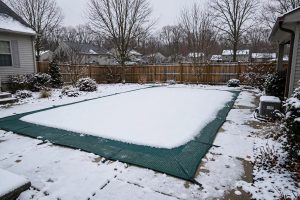
The Best Pool Cover for Winter Snow: A Complete Guide
October 1, 2026 0 views