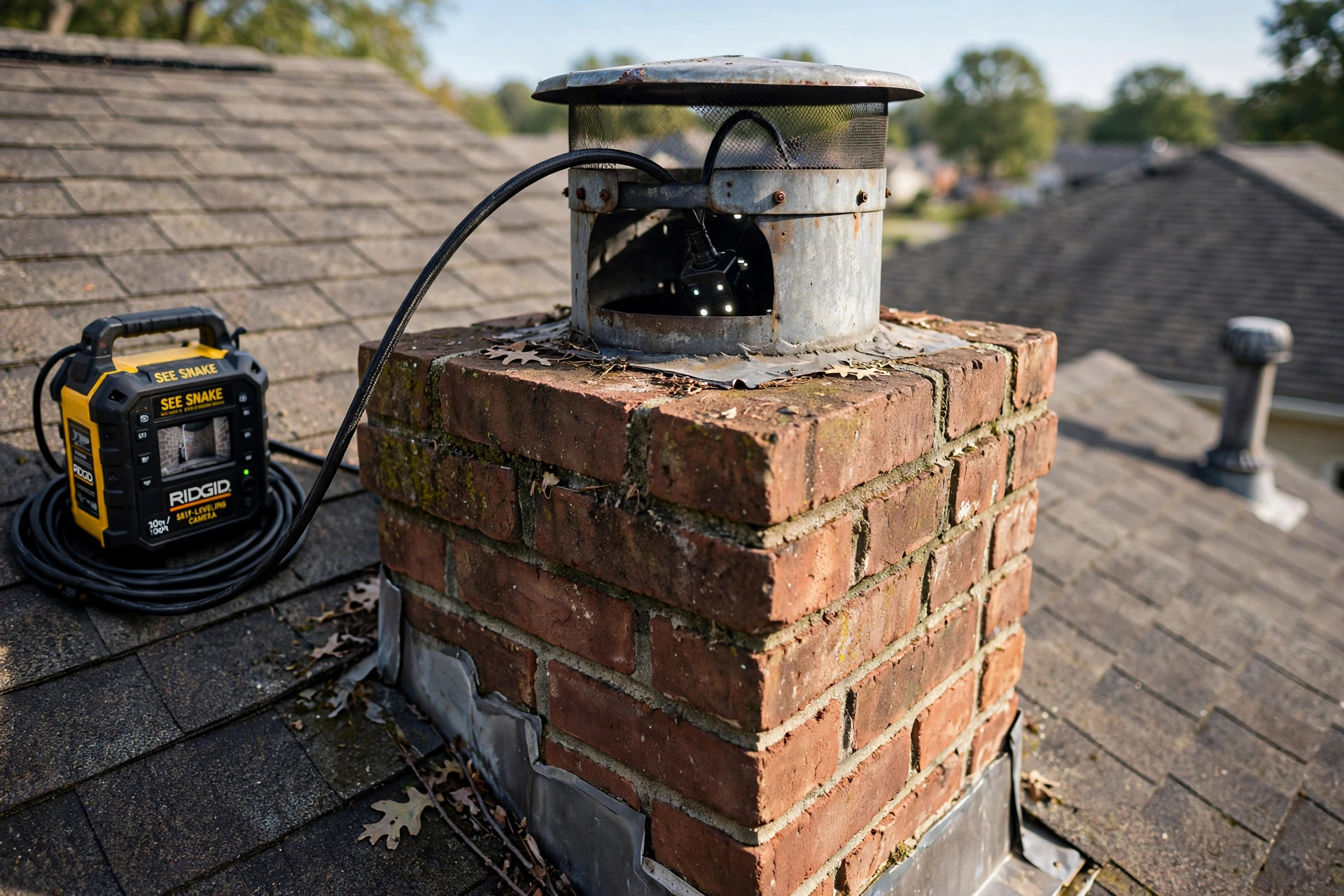

When cold weather draws near, few jobs matter more than a good chimney check. The top rated chimney inspection services reviews point to the same truth year after year: a clean, sound chimney is the heart of a safe home. Yet many families never look up their flue until trouble starts. A blocked flue, a cracked liner, or a thick coat of creosote can turn a cozy evening into a real danger. This guide walks through what an inspection does, how to read reviews, what it should cost, and how to pick a service you can trust.
Why a Chimney Inspection Matters
A chimney works hard every time you light a fire. Smoke, ash, and heat pass up the flue, and small bits of soot cling to the walls. Over time, a sticky black tar called creosote builds up. Creosote burns well. That is the problem. A hot fire in the box can set creosote alight inside the flue, and a chimney fire can reach two thousand degrees. Such a fire can crack the liner, spread to the walls, and threaten the whole house.
Birds and squirrels add to the risk. In spring and summer, they nest in open flues. A nest can block the draft, push smoke back into the room, or let carbon monoxide build up where your family sleeps. Wind and rain also wear down the masonry. Mortar cracks. Brick spalls. Water seeps in and rusts the damper. Top rated chimney inspection services reviews often tell the same story: the worst damage was the kind no one could see from the living room.
An inspection gives you a clear record of the chimney’s health. It finds cracked flue tiles, missing caps, and rusted dampers before they grow into large repairs. Many insurers and fire departments urge an annual check, and the Environmental Protection Agency offers plain guidance on burning wood in a way that cuts down on smoke and creosote. A yearly visit costs far less than a rebuild.
How to Read Reviews and Choose a Service: Top Rated Chimney Inspection Services Reviews
Reviews are your best window into a company before you hire it. The top rated chimney inspection services reviews share a few marks of quality. Look for reviews that name the technician, describe what he did, and note whether he used a camera. A short “good job” tells you little. A long note that says the tech ran a camera up the flue, showed the screen, and explained two cracked tiles tells you a great deal.
Read the bad reviews too. One angry review may mean little. A pattern of the same complaint means a lot. Watch for notes about missed visits, vague prices, or pressure to buy a full rebuild on the spot. Honest sweeps explain options and let you think. Dishonest ones rush you.
Check how many reviews a firm has and how long they go back. A company with fifty reviews spread over three years is a safer bet than one with ten reviews all posted in the same month. Ask friends and neighbors for names as well. Word of mouth from your own street still counts for a great deal, and local firewood dealers often know which sweeps do careful work.
Signs of a Trustworthy Company
A good service has clear answers to plain questions. Ask how long the firm has been in business. Ask whether the technician is certified by the Chimney Safety Institute of America. Ask whether the visit includes a written report with photos. Ask what levels of inspection they offer, and how they price each one. A firm that answers all five without dodge or delay has earned your trust.
Good firms also carry insurance and can show proof. Chimney work involves ladders, roofs, and soot. If a worker falls or soot ruins your rug, you want a firm that stands behind the job. Ask for proof of liability coverage before the visit, not after.
Levels and Types of Chimney Inspection
The industry uses three standard levels. Knowing them helps you ask for the right one and compare quotes with care.
Level One Inspection
A Level One check fits a chimney that is in steady use with no changes. The technician looks at what he can reach from inside the house and from the roof. He checks the firebox, the damper, and the visible flue. He looks at the cap and the flashing. No tools go inside the flue, and no walls come down. Most yearly cleanings pair with a Level One inspection.
Level Two Inspection
A Level Two inspection adds a camera. The tech feeds a small camera up the full length of the flue and watches the screen for cracks, gaps, and buildup. This level is called for when you buy a house, when a chimney fire has occurred, or when you change the fuel, such as switching from wood to gas. Many top rated chimney inspection services reviews say the camera made all the difference, since it showed damage no eye could see from below.
Level Three Inspection
A Level Three inspection opens walls. When the first two levels show a likely fault that cannot be reached, the tech removes part of the wall or the flue to see the hidden part. This level is rare and is used only when there is strong cause. It is the most costly of the three, but it is the only way to be sure about damage that hides behind brick.
What an Inspection Costs
Prices move with the region, the size of the chimney, and the level of the check. A Level One inspection with a standard cleaning often falls between one hundred and two hundred fifty dollars. A Level Two camera inspection tends to run between two hundred and five hundred dollars. A Level Three visit can cost far more, since it involves opening and closing walls.
Some firms charge a low fee for the visit and then find large repairs. Be wary of a quote that seems too cheap. A fair firm states the price for each level up front, lists what the cleaning includes, and charges extra only for work you approve in writing. Ask whether the price includes the written report with photos. A report is worth the small fee, since it serves as a record for buyers, insurers, and future sweeps.
Do not pay for the full job before the work starts. A small deposit is normal. Full payment on arrival is not. Get the quote in writing, with the level of inspection named and the price fixed. If you own fireplace glass doors, ask whether the tech will check their fit and seals during the visit, since poor seals change the draft.
Care and Upkeep Between Visits
A yearly visit is the base. What you do between visits keeps the chimney in good shape and keeps costs down.
Burn dry, seasoned wood only. Fresh-cut wood is wet, and wet wood makes far more creosote. Split logs and stack them off the ground under a cover for six to twelve months. Test a piece with a moisture meter if you own one. The bark should crack at the ends, and the wood should sound hollow when two pieces strike.
Keep the cap in place. A cap with a mesh screen keeps out rain, birds, and leaves while it lets smoke pass. Check it from the ground each spring with field glasses. If it looks bent or gone, call a sweep. The guides at Lowe’s and The Home Depot show common cap styles so you can name what you need.
Clean the ash, but leave an inch. A thin bed of ash helps the next fire start, but a deep pile chokes the air flow. Shovel cool ash into a metal can with a lid, and store the can outside the house until trash day. Never put ash in a paper bag or a plastic bin.
Watch the smoke. Thick, dark smoke that rolls from the top of the chimney means a poor draft or wet wood. Thin, light smoke means the fire breathes well. If smoke drifts into the room when you open the doors, call for a check. Draft trouble is often a blocked flue or a closed damper, and both are easy to fix when caught early.
Safety Rules Every Homeowner Should Know
Chimney safety rests on a few plain rules. Follow them all season.
First, never leave a fire burning alone. A fire needs a watcher. Close the spark screen before you leave the room, even for a minute. Embers pop, and a popped ember can cross a room.
Second, keep the damper open until the coals are cold. Closing the damper too soon lets carbon monoxide drift into the house. Carbon monoxide has no color and no smell. A detector on each floor is cheap and can save lives. The Consumer Product Safety Commission notes that heating gear is a leading source of carbon monoxide in the home, so a working detector is a must.
Third, give the fire space. Keep rugs, chairs, and wood piles at least three feet from the opening. Do not dry clothes on the hearth. Do not burn trash, boxes, or treated wood. Trash gives off harsh fumes, and treated wood gives off poison.
Fourth, treat a chimney fire as an emergency. If you hear a loud roar, see thick smoke, or smell a hot, harsh odor, call the fire department at once. Get everyone out of the house. Close the doors behind you to slow the fire. Do not try to climb the roof with a hose. Let the crews do their work.
When you plan a larger hearth project, such as adding top rated electric fireplace mantels for american homes, keep these same safety rules in mind. Clearance and draft matter for every kind of hearth, old or new.
Frequently Asked Questions
How often should I have my chimney inspected? Once a year is the standard advice, even if you burn only a few fires a season. A yearly check finds creosote, nests, and cracked tiles before they cause harm. If you burn every day all winter, ask your sweep whether you need a mid-season check as well.
Do I need an inspection if I never use the fireplace? Yes. An unused chimney still faces weather, birds, and settling. Mortar cracks whether or not you light a fire. A Level One look every year or two keeps small faults from growing into big bills.
How long does an inspection take? A standard visit with cleaning takes one to two hours. A camera inspection may take a bit longer. A firm that rushes through in twenty minutes has not done the job. Good techs take their time and show you what they find.
Will the inspection make a mess in my living room? A careful sweep lays drop cloths, seals the opening with a cover, and runs a strong vacuum. Some fine dust may still settle. Ask the firm how they protect your floors and furniture, and pick one that answers with a clear plan.
Should I be home during the visit? Yes. Being home lets you see the camera feed, ask questions, and hear the tech’s advice firsthand. You also learn where your damper and cleanout are, which helps you in the years to come.
Does an inspection include a cleaning? Often yes, but not always. Some firms sell the two as a bundle, and some price them apart. Ask before you book. If the flue holds heavy creosote, a cleaning is the point of the visit, so be sure it is on the ticket.
A Short Final Word
The top rated chimney inspection services reviews teach a plain lesson. The best firms are not the cheapest and not the loudest. They are the ones that show up on time, look with care, explain with patience, and write it all down. Find such a firm, book a yearly visit, burn dry wood, and keep your cap and detector in good order. Your hearth will serve you for years.
For more on hearth care, browse the Napoleon and Heatilator sites for product guides, read the long-running repair columns at This Old House and Family Handyman, and check the hearth section at The Spruce for seasonal checklists. If you are weighing a new stove instead of a repair, the freestanding electric stoves reviews and buying guide is a good next read.
References
Family Handyman. (n.d.). DIY home repair and maintenance. https://www.familyhandyman.com Heatilator. (n.d.). Fireplaces and fireplace products. https://www.heatilator.com Lowe’s. (n.d.). Home improvement products. https://www.lowes.com Napoleon. (n.d.). Fireplaces, grills, and heating products. https://www.napoleon.com The Home Depot. (n.d.). Home improvement products. https://www.homedepot.com The Spruce. (n.d.). Home and garden advice. https://www.thespruce.com This Old House. (n.d.). Home renovation guidance. https://www.thisoldhouse.com U.S. Consumer Product Safety Commission. (n.d.). Product safety information. https://www.cpsc.gov U.S. Environmental Protection Agency. (n.d.). Protecting human health and the environment. https://www.epa.gov
Was this guide helpful?

About Michael Thompson
The My Garden US editorial team writes practical, in-depth home and garden guides for American homeowners — tested advice, no fluff.
You May Also Like

Top Rated Fireplace Safety Gates for Cold Climates
July 9, 2026 0 views
Best Direct Vent Gas Fireplaces for California Apartments
October 5, 2026 2 views
High Efficiency Chimney Inspection Services Near Me: A Homeowner’s Guide
January 8, 2026 0 views