Introduction
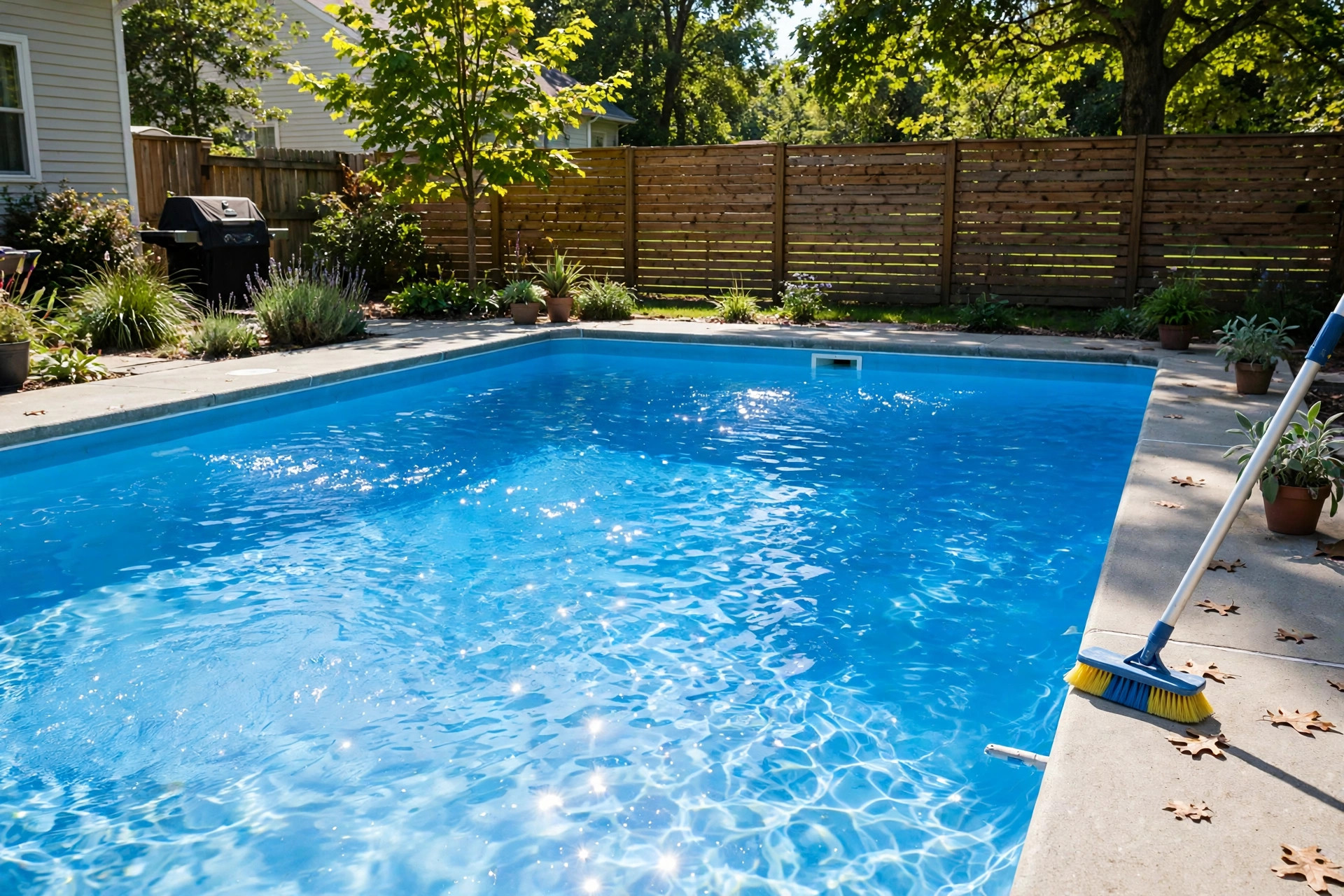
The walls of a swimming pool collect dirt every day. Algae grows on them. Body oils stick to them. Leaves and dust settle against them. Many pool owners believe the only fix is to drain the whole pool and scrub it dry. That belief is wrong. You can learn how to clean pool walls without draining and keep the water right where it is. This method saves thousands of gallons of water. It also protects the pool shell. An empty pool can crack or lift in hot sun. A vinyl liner can shrink and pull away. The work below keeps the pool full and makes the walls clean again. It works for vinyl, fiberglass, and concrete pools. It uses simple tools and plain steps.
Why It Matters: How to Clean Pool Walls Without Draining
Clean walls are the base of a healthy pool. Algae starts on walls. It grows in corners, behind ladders, and along the water line. Once it takes hold, it spreads fast. The water turns green and cloudy. The filter works harder. Chemical costs rise. Swimmers may get skin or eye trouble.
Dirty walls also hide bigger problems. Stains can point to metal in the water. Rough spots can mean scale from hard water. Weekly brushing catches these signs early. A small stain is easy to treat. A wall covered in scale is not.
There is also the matter of cost. Draining a pool is costly. You pay for the refill water and for fresh chemicals. A full drain can cost hundreds of dollars. Worse, an empty pool can crack in hot sun or lift from ground water pressure. Learning how to clean pool walls without draining avoids all of that risk. It is the cheaper and safer path.
Clean walls also look better. A pool with bright walls invites people in. Guests notice a clean pool at once. A stained and slimy pool keeps people out. For families who swim often, wall care is part of basic pool ownership, much like a weekly pool maintenance schedule for the whole system.
What to Look For: Brushes, Tools, and Cleaners
The right tools make the job easy. The wrong ones can harm the pool. Start with the brush. Pool wall brushes come in two main kinds. Nylon brushes are soft. They suit vinyl liners and fiberglass shells. A steel brush is stiff. It suits concrete, gunite, and plaster pools only. Never use a steel brush on vinyl. It will tear the liner. Never use it on fiberglass. It will scratch the finish.
You also need a telescopic pole. The pole screws into the brush head. It reaches the deep end from the deck. Most poles extend from eight to sixteen feet. Check that the pole locks firm at full length. A loose pole makes scrubbing hard.
A pool vacuum helps with the dirt you knock loose. Brushing sends dirt to the floor. A manual vacuum head on the same pole picks it up. You also need a vacuum hose. Many owners already own these parts. If not, pool equipment sellers such as Pool Warehouse and Leslie’s carry full kits, and large home improvement retailers stock poles, brushes, and hoses as well.
A good water test kit matters too. Test strips or a drop kit both work. You will test before and after cleaning. Balanced water keeps the walls clean longer.
For cleaners, keep it simple. Plain baking soda lifts light stains. A paste of baking soda and water works on the water line. For algae, regular pool chlorine is the main weapon. Enzyme cleaners break down oils and lotions and are safe for all pool types. Avoid household soaps. Dish soap makes foam and upsets the water balance.
A robotic pool cleaner climbs the walls on its own. It scrubs as it moves. It costs more up front but cuts weekly labor. It is worth a look for large pools.
Types of Dirt on Pool Walls
Not all wall dirt is the same. Each kind needs its own answer. Green algae is the most common. It looks like green dust on the walls. It brushes off easy when it is fresh. Yellow algae looks like sand or pollen. It clings a bit harder. Black algae forms small dark spots. It digs into plaster. It is the hardest to kill.
The water line gathers a different kind of dirt. Oils from skin, sunscreen, and lotions form a gray ring. This ring will not brush off with water alone. It needs a cleaner made to cut grease.
Step by Step: How to Clean Pool Walls Without Draining
Work in this order. Each step builds on the last.
Step 1: Test the water. Use your test kit. Write down the chlorine, pH, and alkalinity readings. The pH should sit between 7.2 and 7.6 for cleaning. If the pH is high, lower it first. Cleaners work best in balanced water. This step takes five minutes. Do not skip it.
Step 2: Brush the walls. Attach the right brush to the pole. Start at the shallow end. Work from the top down. Push dirt toward the deep end as you go. Use firm, even strokes. Pay extra care to corners, steps, and behind the ladder. These spots grow algae first. Brush the full wall surface. For a medium pool, this takes about thirty minutes.
Step 3: Brush the water line. The ring at the water line needs special care. Apply a small amount of enzyme cleaner or baking soda paste to a sponge. Rub the ring gently. Work in short sections. Rinse the sponge often. This step lifts oils that a dry brush leaves behind.
Step 4: Vacuum the floor. All the dirt you brushed off now sits on the pool floor. Vacuum it up. Move the vacuum head slow. Fast moves stir the dirt back into the water. Overlap each pass a little. Empty the skimmer basket when it fills.
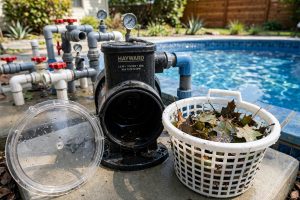
Step 5: Run the filter. Let the pump and filter run for at least eight hours after cleaning. The filter catches the fine dust that the vacuum missed. Check the pressure gauge. If the pressure reads high, backwash or clean the filter. A clean filter keeps the water clear.
Step 6: Treat algae if you see it. If green algae was on the walls, add pool shock after brushing. Follow the dose on the package. Brushing breaks the algae’s outer coat. The shock then kills it. Run the filter overnight. Brush once more the next day. Dead algae turns gray or white. Vacuum it up.
Step 7: Test the water again. Check chlorine and pH once more. Adjust as needed. Balanced water slows new growth on the walls. Many pool owners follow Swim University’s pool care guides to keep these readings steady through the season.
Do this full routine once a week in swim season. A weekly brush takes less time than a monthly deep clean. The walls stay bright with little effort.
Dealing With Stubborn Spots
Some spots will not move with a brush. Try these fixes.
For black algae spots, use a small steel brush on plaster pools only. Scrub each spot hard. Then press a chlorine tablet against it for a few minutes with the pole. This direct contact kills the roots. Repeat over several days if needed.
For mineral stains, buy a stain remover made for pools. Pour it near the stain with the pump running. Let it spread through the water. Give it a full day. Then brush the stain. Most mineral marks fade.
For scale, rub a pool pumice stone on the crust while the surface stays wet. Use light pressure. Check often to make sure you are not wearing the plaster thin.
Cost and Price
Cleaning pool walls without draining costs little. A nylon wall brush costs between fifteen and forty dollars. A telescopic pole costs between twenty and fifty dollars. A basic manual vacuum kit with hose costs between fifty and one hundred fifty dollars. A water test kit costs between fifteen and thirty dollars.
Cleaners are cheap. Baking soda costs a few dollars. A bottle of enzyme cleaner costs between ten and twenty dollars. Pool shock costs between five and ten dollars per bag. A stain remover costs between fifteen and forty dollars.
A robotic cleaner is the big-ticket item. Prices run from two hundred to eight hundred dollars. It pays for itself in saved time for some owners. For others, a brush and a pole are enough.
Compare this with draining. A drain and refill can cost two hundred to five hundred dollars in water alone in many towns. Add new chemicals and service labor. The tools pay for themselves fast and last for years.
Care and Upkeep
A clean wall stays clean with small habits. Brush the walls once a week. It takes twenty minutes. Skim leaves each day. Leaves feed algae as they rot. Run the pump eight to twelve hours a day in summer. Keep chlorine in the right range at all times.
Watch the water line. Wipe it with a sponge when you see a ring start. A fresh ring wipes off easy. An old ring needs chemicals.
Check the filter on schedule. A dirty filter returns dirt to the pool. Backwash sand and DE filters when the gauge reads eight to ten pounds above the clean mark. Rinse cartridge filters with a hose each month.
Keep the pool chemistry steady. Test twice a week in hot weather. Small fixes beat big cures. Owners who track a weekly pool maintenance schedule rarely face a green pool. If you close the pool for winter, follow a salt water pool winterizing guide so spring cleanup stays small.
Safety
Pool chemicals demand respect. Read every label before you open a container. Wear gloves and eye protection when you handle chlorine or acid-based cleaners. Work with the wind at your back so fumes blow away from your face.
Never mix chemicals. Never add water to chemicals. Add chemicals to water, a little at a time. Mixing chlorine with acid makes a toxic gas. This is the most serious danger in pool care. Store each product in its own sealed container.
Keep all chemicals away from children and pets. Lock the storage area. The federal safety agency warns that pool chemicals cause thousands of injuries each year, most of them preventable with locked storage and careful handling.
When you scrub, watch your footing. Wet decks are slick. Wear shoes with grip. Do not lean too far over the water on a tall ladder. If you feel dizzy from fumes, step away and breathe fresh air at once.
If chemicals splash in your eyes, rinse with clean water for fifteen minutes. Then call for medical help. Keep the product label near the phone so you can read it to the doctor.
Frequently Asked Questions
Can I use regular household bleach on pool walls? Plain, unscented household bleach is mostly the same chemical as pool chlorine, but it is weaker. It can work in a pinch. Do not use scented or splashless bleach. They add soaps and scents that harm water balance. Pool chlorine from a pool supply store is the safer pick.
How often should I brush the pool walls? Once a week during swim season. Every two weeks in the off season if the pool stays open. Weekly brushing stops algae before it starts. It also spreads chlorine to every surface.
Will scrubbing damage a vinyl liner? Not if you use the right brush. A soft nylon brush is safe for vinyl. A steel brush is not. Keep strokes firm but not violent. If the liner is old and brittle, brush gently and check with a pool service first.
What if the walls feel slimy even after brushing? Slimy walls point to early algae or low chlorine. Shock the pool after brushing. Run the filter all night. Test and fix the chlorine level. The slime should clear in a day or two.
Do I need to lower the water level to clean the water line? No. That is the whole point of learning how to clean pool walls without draining. You can reach the water line from the deck with a pole or by hand. Lowering the water a few inches is fine if it helps you reach, but a full drain is never needed for routine cleaning.
When should I call a professional? Call a pro if black algae covers large areas, if stains do not fade after treatment, or if the plaster feels rough and thin. Also call if you are unsure about chemical doses. A service visit costs less than a damaged pool.
A Final Word
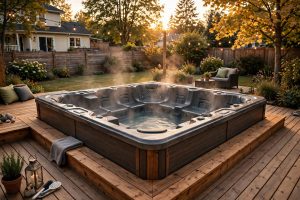
A clean pool starts with its walls. You do not need to drain the water. You do not need costly gear. A brush, a pole, a vacuum, and steady habits do the job. Brush each week. Test the water. Treat spots early. Your pool will stay clear, safe, and inviting all season long. Evening swims feel even better with bright walls under pool lighting options for night swimming. Hot tub owners face the same wall-care task on a smaller scale, and spa makers and hot tub builders both stress regular shell wiping in their care guides. For broader household know-how, home care publications cover pool upkeep alongside the rest of the home.
References
Bullfrog Spas. (n.d.). Hot tubs and spas. https://www.bullfrogspas.com Hot Spring Spas. (n.d.). Hot tubs and spas. https://www.hotspring.com Leslie’s Pool Supplies. (n.d.). Pool supplies and equipment. https://www.lesliespool.com Pool Warehouse. (n.d.). Pool equipment and supplies. https://www.poolwarehouse.com Swim University. (n.d.). Pool and hot tub care guides. https://www.swimuniversity.com The Home Depot. (n.d.). Home improvement products. https://www.homedepot.com The Spruce. (n.d.). Home and garden advice. https://www.thespruce.com U.S. Consumer Product Safety Commission. (n.d.). Product safety information. https://www.cpsc.gov
Was this guide helpful?

About Michael Thompson
The My Garden US editorial team writes practical, in-depth home and garden guides for American homeowners — tested advice, no fluff.