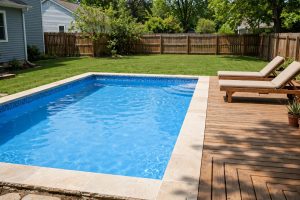

A backyard pool is a place of joy. Children laugh, splash, and learn to swim there. Yet every pool also carries a quiet danger. Drowning is fast, and it is often silent. A child can slip under the water in less than a minute without crying out. For this reason, safety experts speak of “layers of protection.” Fences, locked gates, swim lessons, and close watch by adults are the main layers. A pool alarm is one more layer. It cannot watch your child, but it can alert you the moment something goes wrong. If you are looking for the best pool alarm for child safety, you are taking a wise step. This guide explains the types of alarms, how they work, what they cost, and how to choose the right one for your home.
Why a Pool Alarm Matters for Child Safety
Start with a hard fact of life. Most child drownings in home pools happen when no one is watching the water. A parent may be inside the house. A child may wander through a door that was left open. In many cases, adults are close by but do not hear the child enter the water. A pool alarm fills this gap. It sounds a loud alert when it senses motion in the pool or when a gate is opened. That alert gives adults the seconds they need to react.
It is worth being clear about one point. A pool alarm is a backup, not a guard. The federal government’s pool safety program lists alarms as one part of a full safety plan. The main rule never changes: an adult must watch the water at all times when children are near. Alarms, fences, and covers support that rule. They do not replace it.
Parents often ask whether alarms really work. When used the right way, they do add real protection. Studies and safety groups agree that layers work best together. A fence keeps most children out. An alarm catches what the fence misses. Child safety groups advise families to use several layers at once, so no single failure leaves a child unguarded.
Types of Pool Alarms: Best Pool Alarm for Child Safety
Surface Wave Alarms
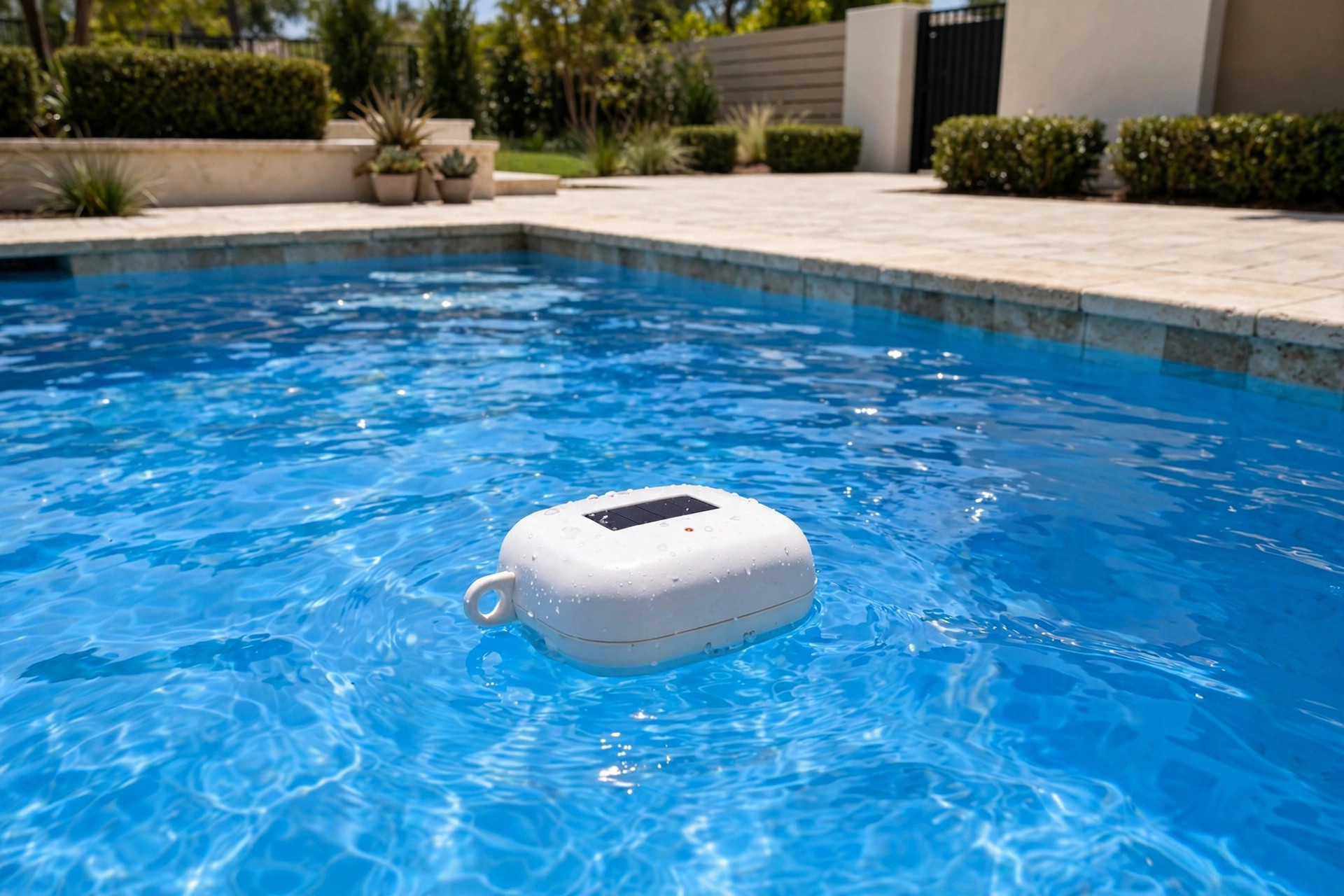
A surface alarm floats on the water or sits at the pool edge. It senses waves made by a person entering the pool. When the waves pass a set level, a loud siren sounds. These are the most common alarms. They are easy to install and easy to remove for swimming. Most run on batteries. The weak point is wind. A strong wind can set off a surface pool alarm by mistake. For this reason, many models let you set the wave level. A higher setting ignores small ripples and still catches a real entry.
Subsurface Alarms
A subsurface alarm sits below the water line, often attached to the pool wall or deck. It senses changes in water pressure when someone enters the pool. Wind does not set it off, so false alarms are rare. Many safety experts favor this type for home pools. The trade-off is price. Subsurface units often cost more than floating ones. They also need a bit more care at install time to place the sensor at the right depth.
Gate and Door Alarms
Gate alarms for pool safety go on pool gates, back doors, and sliding doors that lead to the pool area. When the door or gate opens, the alarm sounds. A gate alarm is a fine first line of defense. It tells you that a child has left the house and reached the pool fence. Many models give you a few seconds to pass through and reset the alarm, which is useful when adults use the gate. After the short delay, the alarm arms itself again.
Wearable Alarms
A wearable pool alarm for toddlers is a small band worn on a child’s wrist or ankle. If the band gets wet, it sends a signal to a base unit in the house. The base unit then sounds an alert. Some models alert a parent’s phone as well. These alarms work well for toddlers who are not yet swimming. The limit is clear: the child must wear the band. If it is off, there is no protection. Bands can also break or run out of battery.
Perimeter and Infrared Alarms
Some systems guard the area around the pool with invisible beams. If a child crosses the beam, the alarm sounds. These systems protect the pool area rather than the water itself. They are less common for homes. They suit large yards where the pool is far from the house. They cost more and take more work to install.
How to Choose the Best Pool Alarm for Child Safety
Start with your pool. An above ground pool needs a different alarm than an inground pool. For above ground pools, a floating surface alarm or a gate alarm on the ladder often works well. For inground pools, a subsurface pool alarm gives the fewest false alerts. If you own a hot tub or spa, remember that children need protection there too. Spas hold less water, but a small child can still drown in a spa. Keep spa covers locked, and check the spa safety tips published by makers of hot tubs and spas when you plan your set-up.
Look at the sound level. A good alarm sounds at 85 decibels or more at the pool. It should also alert inside the house. Some systems include a remote receiver that sits in the living room or kitchen. If the alarm only sounds at the pool, no one inside will hear it. That defeats the purpose.
Check the power source. Most alarms run on batteries. Pick a model with a low battery warning. Test the battery each month. Solar models exist, but they need good sun to work well.
Think about false alarms. Wind, rain, and pool cleaners can set off some alarms. A model with a wave level setting or a subsurface sensor will give you fewer false alerts. Too many false alerts are a real danger. Families start to ignore the sound. That is the worst result of all.
Look for a model that meets ASTM standards. ASTM International writes safety standards for many products. A pool alarm that meets the ASTM standard for pool alarms has passed set tests. The box or product page should say so. This is one simple way to judge quality.
Read reviews from other parents. Home safety guides can help you compare models side by side before you buy.
What the Best Pool Alarm for Child Safety Costs
Prices range wide. A basic floating surface alarm may cost between 60 and 120 dollars. A good subsurface alarm often runs from 150 to 300 dollars. Gate and door alarms are cheap, often 30 to 70 dollars each. You may want more than one if you have several doors to the pool area. Wearable alarm sets with a base unit often cost 100 to 200 dollars.
Price matters, but it should not be the only guide. A 60 dollar alarm that sounds loud, has a house receiver, and meets ASTM standards is a better buy than a 250 dollar unit with weak reviews. Check large home stores, pool supply stores, and online pool suppliers for current prices and stock.
Do not forget the cost of upkeep. Batteries need to be replaced. Some units need new parts after a few seasons in the sun. Add these small costs to your plan.
Installing and Testing Your Alarm
Most pool alarms take less than an hour to install. Surface alarms float or clip to the edge. Subsurface units attach to the deck and drop a sensor in the water. Gate alarms screw or stick to the gate frame. Read the manual before you start. Each model has its own steps.
After install, test the alarm. Throw a small ball into the pool. The alarm should sound within seconds. Open the gate. The gate alarm should sound. Do this test with an adult at the pool and another adult in the house. Both should hear the alert.
Test again each month. Batteries fade. Sensors shift. A monthly test takes five minutes. Make it part of your routine, the way you test smoke alarms. Simple pool care guides often include a monthly safety check list you can follow.
When you swim, most pool alarms must be removed or set to swim mode. Here is a strict rule: put the alarm back the moment swimming ends. Many accidents happen because an alarm was left off after a swim. Some families keep a note on the back door as a reminder.
Care and Upkeep
A pool alarm lives outdoors. Sun, rain, and pool chemicals wear it down. Rinse the unit with fresh water now and then. Do not use harsh cleaners. Check the seals and screws each season. Store the unit indoors over winter if you close the pool. A winter pool cover adds safety in the off season as well.
Keep spare batteries on hand. Write the battery change date on a small label on the unit. When the low battery warning sounds, change the battery that day. Do not wait.
If you use a wearable alarm, check the bands for wear. Replace cracked bands. Keep the base unit plugged in and test the link to the band each week.
Safety Rules That Go Beyond the Alarm
An alarm is one layer. Build the others.
First, fence the pool. A four sided fence with a self closing, self latching gate is the gold standard. The fence should be at least four feet high. Keep chairs and tables away from the fence so children cannot climb over.
Second, learn CPR. Seconds count in a drowning event. CPR keeps oxygen moving until help arrives. Many fire stations and community centers offer low cost classes.
Third, teach children to swim. Swim lessons lower the risk of drowning, but they do not remove it. Even strong young swimmers need a watching adult. The Red Cross offers swim lesson programs and water safety tips for families.
Fourth, keep rescue tools by the pool. A shepherd’s hook and a life ring cost little. They can save a life. Keep a phone by the pool too, so you can call for help without leaving the water.
Fifth, set clear house rules. No one swims alone. No one enters the pool area without an adult. Doors to the pool stay locked.
If you are building or upgrading a pool, think about the whole safety plan at once. Families choosing an above ground pool for families can plan the fence, the ladder lock, and the alarm before the first swim. Clear water also helps adults spot a child in trouble, and a good pool pump for inground pools keeps the water clear.
Frequently Asked Questions
Do pool alarms really prevent drowning?
No single device prevents drowning. Alarms add warning time. Warning time helps an adult reach the child sooner. Used with a fence, locked gates, swim lessons, and watchful adults, alarms are a proven layer of protection.
What is the best type of pool alarm for a home with toddlers?
Many safety experts point to subsurface alarms for inground pools. They sense a real entry with few false alerts. Add gate alarms on every door to the pool area. For toddlers, a wearable pool alarm adds a third layer, as long as the child wears the band.
How loud should a pool alarm be?
Look for at least 85 decibels at the pool. The sound must also reach inside the house. A remote indoor receiver is a wise extra. Test it from the rooms where your family spends time.
Will my pool cleaner set off the alarm?
It can. Robotic and suction cleaners make waves. Surface alarms may sound when a cleaner runs. Subsurface alarms are less likely to react. You can also run the cleaner when no children are home, or set the alarm to swim mode and rearm it after.
Do I need an alarm if I already have a fence?
Yes. Fences are the best first layer, but children climb, gates get left open, and doors get propped. An alarm catches what the fence misses. Safety groups advise using both.
How often should I test my pool alarm?
Test it once a month and after any storm. Test it again when you open the pool for the season and when you close it. Change batteries at the start of each season.
A Short Final Word
The best pool alarm for child safety is the one you install, test, and keep armed. Pick the type that fits your pool. Make sure the alert reaches inside your home. Test it every month. Keep it working through every season. And never let the alarm stand in for a watching adult. Layers of protection work together. Your fence, your gate, your alarm, and your eyes form a net. A child is safest in the middle of that net.
References
American Red Cross. (n.d.). Swimming and water safety. https://www.redcross.org Bullfrog Spas. (n.d.). Hot tubs and spas. https://www.bullfrogspas.com Hot Spring Spas. (n.d.). Hot tubs and spas. https://www.hotspring.com Leslie’s Pool Supplies. (n.d.). Pool supplies and equipment. https://www.lesliespool.com Pool Warehouse. (n.d.). Pool equipment and supplies. https://www.poolwarehouse.com Safe Kids Worldwide. (n.d.). Child safety resources. https://www.safekids.org Swim University. (n.d.). Pool and hot tub care guides. https://www.swimuniversity.com The Home Depot. (n.d.). Home improvement products. https://www.homedepot.com The Spruce. (n.d.). Home and garden advice. https://www.thespruce.com U.S. Consumer Product Safety Commission. (n.d.). Product safety information. https://www.cpsc.gov
Was this guide helpful?

About Michael Thompson
The My Garden US editorial team writes practical, in-depth home and garden guides for American homeowners — tested advice, no fluff.
You May Also Like
Hot Tub Electrical Requirements for Installation: A Plain Guide
July 19, 2026 1 views
How to Add Salt to a Pool Correctly: A Simple Step-by-Step Guide
January 17, 2026 0 views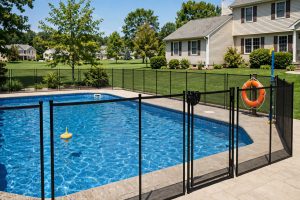
Best Pool for Kids Safety Features
January 28, 2026 0 views