
A home with several cats is full of life. It is also full of tension that can rise without warning. One cat guards the sofa. Another watches from the stairs. A third hides under the bed. When cats live together, small stress can turn into fighting, spraying, and hiding. A good diffuser can change this. The best cat calming diffuser for multi cat homes uses gentle scent science to help cats feel safe in shared rooms. It does not drug them. It does not change who they are. It simply tells their noses what their mothers once told them: all is well here.
Why Calm Matters in a House Full of Cats
Cats are territorial by nature. In the wild, each cat claims its own ground. In your house, three or four cats must share the same ground. That is not easy for them. Stress shows in many ways. Some cats scratch the door frames. Some stop using the litter box. Some pick fights at two in the morning.
A diffuser offers steady help. It releases synthetic copies of the facial pheromones that cats leave when they rub their cheeks on furniture. When a cat smells this scent, its brain reads a simple message. This place is safe. That message can lower stress for all the cats in the room.
In homes with more than one cat, one diffuser is rarely enough. Cats claim different rooms. A diffuser works best when each cat has calm zones across the house. Many cat owners place one unit where the cats sleep, one where they eat, and one in the hallway they share. This gives every cat the same quiet message in the places that matter most.
A calm cat is also a healthy cat. Long stress can hurt the body. It can upset the stomach and bring on urinary troubles. Keeping stress low is part of good cat care, just like clean water and a fresh litter box.
How Cat Calming Diffusers Work: Best Cat Calming Diffuser for Multi Cat Homes
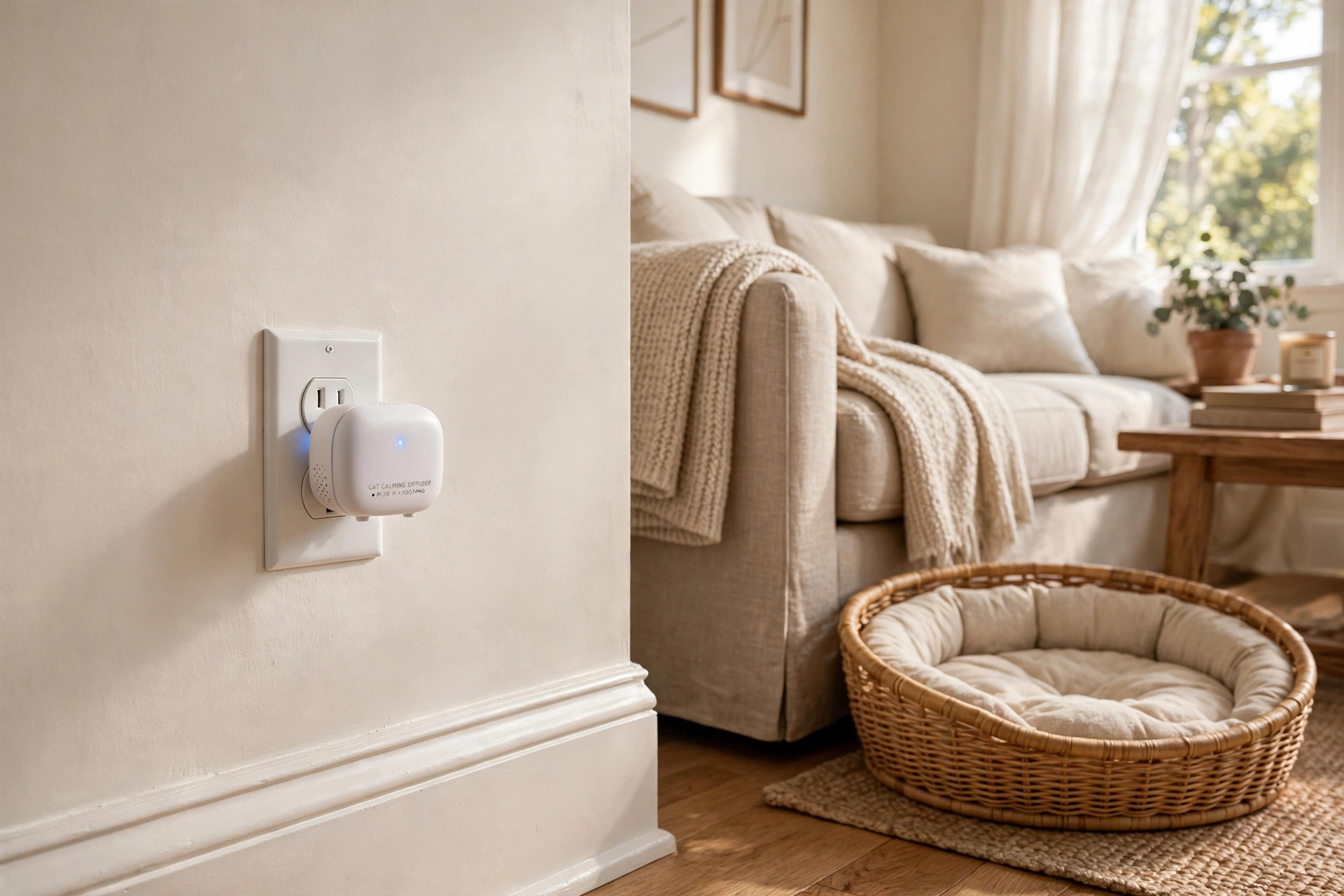
Most cat calming diffusers work on the same plan. You plug a small device into a wall outlet. Inside the device sits a bottle of liquid. A small heater warms the liquid. The warmth turns the liquid into a fine vapor. The vapor drifts through the room on the air.
The liquid holds a man-made copy of the feline facial pheromone. Real cats make this pheromone when they rub their faces on chairs, doors, and their people. It marks a place as friendly. The copy in the diffuser tells the cat the same story.
Diffusers are odorless to people. You will not smell them. Dogs will not react to them. Only cats read the message. That makes them easy to use in a busy house. You plug the unit in and let it run day and night. Each refill lasts about thirty days in most brands.
Some diffusers also mix in calming plant extracts. Valerian root and catnip oil are common choices. They suit owners who want a pheromone-free option.
What to Look for in a Diffuser for Multi Cat Homes
Not every diffuser fits a home with several cats. Here is what matters most when you shop.
Coverage area comes first. Most single units cover 500 to 700 square feet. That is one large room. A house with cats spread over two floors needs more than one unit. Look for starter packs that hold two or three diffusers. They cost less per unit than buying singles.
Refill life comes next. Most refills last thirty days. Some last forty five. Long life means fewer changes and lower cost over time. Check the refill price before you buy the starter kit. The refills are the long cost, not the plug-in device.
For homes with kittens, check the age guide on the box. Most diffusers are safe for all ages, but a few brands suggest waiting until kittens reach eight weeks.
Also look at brand history. Long-standing brands have more owner reviews and more vet support. New brands may work well, but they carry less proof.
Types of Cat Calming Diffusers
You will find three main types on the shelf.
Plug-in pheromone diffusers are the most common. They copy the facial pheromone. They plug into the wall and run all day. They suit most multi cat homes. They are the type vets suggest most often.
Herbal plug-in diffusers use plant oils instead of pheromones. They often hold valerian, lavender, or chamomile blends made for pets. They suit owners who want to avoid lab-made scent copies. Results vary more with this type. Some cats respond well. Others show little change.
Portable or collar-based options are the third type. Calming collars release pheromone scent near the cat’s face. They help one cat at a time. Sprays are another portable choice. You spray bedding or a carrier before travel. Sprays work fast but fade in hours. They are good add-ons, not main tools.
For a true multi cat home, the plug-in pheromone type is the best base plan. Add a spray for the carrier. Add collars only for a cat that stays tense after the diffusers are in place.
Placement Tips for Homes With Several Cats
Where you plug the diffuser in decides how well it works. A unit behind a sofa does little. A unit in an open hallway does much more.
Start with the rooms where tension runs high. For many homes, that is the room with the main litter boxes. It may be the room where the cats eat. It may be the room where fights break out at night. Place a diffuser there first.
Do not plug diffusers behind furniture. Air must move around the unit. A clear wall outlet works best. Keep the unit away from open windows and air vents.
In a two-story house, place one unit on each floor. In a large open-plan room, use two units at opposite ends.
Give the diffusers time. Most owners see change in seven to ten days. Full effect can take a month. Do not judge the product on day two.
Keep using them through stress events. New furniture, guests, and vet visits can raise tension fast. A diffuser that is already running softens these shocks.
Cost and Price: What to Expect
A starter kit with one diffuser and one refill costs between twenty and forty dollars. Multi-packs with two or three units cost between forty and eighty dollars. Refills sell for fifteen to twenty five dollars each.
Do the math for a full year. A home that runs three diffusers year-round will use about thirty six refills. At twenty dollars a refill, that is about seven hundred twenty dollars a year. Many owners run diffusers only in the hard months. They start in the fall when windows close and cats stay inside more. They stop in the spring when the house opens up. That cuts the cost in half.
Watch for value packs. Many brands sell three or six refills in one box at a lower price per refill. Online stores often beat pet store prices. Big sales in the fall can drop prices further.
Weigh the cost against the problems it may stop. A single vet visit for a stress-linked urinary issue can cost two hundred dollars or more. A ruined sofa costs far more. If a diffuser stops one fight that ends at the vet, it has paid for itself.
For shoppers who like to compare gear side by side, large retailers list diffusers next to other pet tech. You can browse calming products on Chewy and read owner reviews before you buy. Discount chains and big-box stores carry them too; Home Depot stocks pet wellness items in many locations.
Care and Upkeep
Diffusers ask little of you. That is part of their charm. Still, a few habits keep them working well.
Change the refill on time. When the liquid runs low, the unit heats air only. The calm message stops. Mark the change date on your calendar. Some owners write it on the box with a pen.
Clean the plug-in every few months. Unplug it first. Wipe the outside with a dry cloth. Do not let liquid spill into the outlet.
Check the outlet. The unit should sit upright and firm. Never use a diffuser in a cracked or sparking outlet.
Store spare refills in a cool, dark place. Heat and sun break down the liquid. A bedroom drawer works fine.
Replace the plug-in device once a year. The small heater weakens with time. Most brands suggest a new device every twelve months.
Safety in a Multi Cat Home
Cat calming diffusers have a strong safety record. They are made for homes with cats, dogs, birds, and small children. Still, use them with care.
Keep the liquid bottle away from cats. The bottle holds concentrated oils. If a cat knocks it loose, wipe up the spill and keep the cat from licking it. Plug the unit high enough that a jumping cat cannot bat it.
Never place a diffuser near an open flame. The unit uses mild heat. It is not a fire risk on its own, but candles and heaters near it are still unwise.
If your cat has breathing trouble, ask your vet first. Asthma in cats is real. Most vets still approve diffusers, but your vet knows your cat best. The ASPCA offers guidance on pet-safe products, and PetMD has articles on feline stress care.
Bird owners should note one thing. Birds have very keen lungs. Check the label. When in doubt, keep the diffuser in the cat’s room and out of the bird’s room.
Children and diffusers mix fine. The unit is odorless and the bottle locks into the device. Still, teach small children not to pull on it. A pulled plug is a dead diffuser.
Extra Calm: Beyond the Diffuser
A diffuser works best as part of a full calm plan. No single tool fixes every clash.
Give each cat its own resources. The old rule is one litter box per cat plus one extra. Two cats need three boxes. Four cats need five. Spread them out. A cat that must cross a rival’s path to reach the box will hold its bladder or spray the wall.
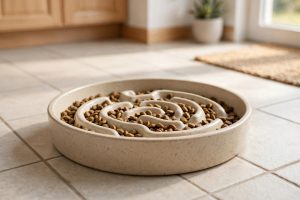
Feed cats apart. A shared bowl breeds fights. Set bowls in different rooms or on opposite sides of one room. Water stations can sit in two or three spots.
Add vertical space. Cats feel safer up high. Wall shelves and tall cat trees give each cat its own perch. For ideas on vertical setups, see our guide to cat climbing wall shelves for vertical space. Outdoor cats enjoy safe climbing too; read about the best outdoor cat tree weatherproof for patio.
Give hiding spots. Boxes, tunnels, and covered beds let shy cats rest out of sight. A cat that can hide fights less.
If fights keep happening, talk to your vet. Some tension needs more than scent. Your vet can check for pain or illness that makes a cat lash out. The American Kennel Club focuses on dogs, but vet colleges like Cornell Veterinary publish fine cat behavior resources. For dog owners sharing the house, a sturdy outdoor dog kennel with welded wire panels can give dogs their own calm zone.
Retailers with pet behavior sections can help too. Petco and PetSmart both run training and behavior guides. For a second opinion on product picks, The Spruce Pets reviews calming aids with clear pros and cons.
Frequently Asked Questions
How long does a cat calming diffuser take to work?
Most owners notice a change within seven to fourteen days. The scent must build in the room, and the cats need time to trust it. Give it a full thirty days before you judge it.
How many diffusers do I need for three cats?
Start with two or three. Place one where the cats sleep and one where they eat or use the box. In a two-story house, add one per floor. One unit covers about 500 to 700 square feet of open air. Closed doors block the scent, so each closed room needs its own unit.
Are cat calming diffusers safe for kittens?
Most brands say yes for kittens over eight weeks old. Check the box for the age guide. If your kittens are under eight weeks, wait or ask your vet first.
Can I use a diffuser with dogs in the house?
Yes. The scent copy speaks only to cats. Dogs do not read the message and will not react to it. The unit is odorless to people and dogs alike.
Do diffusers stop cats from spraying?
They help in many cases. Spraying often comes from stress and turf worry. A diffuser lowers that stress. But spraying can also come from health issues. If your cat sprays, see your vet first to rule out a urinary problem.
Which is better: pheromone or herbal diffusers?
Pheromone diffusers have the most proof behind them. Vets suggest them most. Herbal diffusers use plant oils and suit owners who want a pheromone-free choice. Try the pheromone type first. If your cats show no change after a month, test an herbal brand.
Final Word
A multi cat home can be a peaceful home. The best cat calming diffuser for multi cat homes will not fix fights overnight. It will lay down a quiet message, day after day, that the house is safe. Pair it with enough boxes, separate meals, high perches, and daily play, and most cats settle into a calm rhythm. Start with one or two units in the rooms that need them most. Give them a full month. The soft signs come first: longer naps, slower blinks, two cats sharing the same sunny spot. That is the diffuser doing its work.
References
American Kennel Club. (n.d.). Dog care and training resources. https://www.akc.org ASPCA. (n.d.). Pet care and animal welfare resources. https://www.aspca.org Chewy. (n.d.). Pet supplies. https://www.chewy.com Cornell University College of Veterinary Medicine. (n.d.). Veterinary education and animal health. https://www.vet.cornell.edu Petco. (n.d.). Pet supplies and services. https://www.petco.com PetMD. (n.d.). Pet health information. https://www.petmd.com PetSmart. (n.d.). Pet supplies and services. https://www.petsmart.com The Home Depot. (n.d.). Home improvement products. https://www.homedepot.com The Spruce Pets. (n.d.). Pet care guides and product reviews. https://www.thesprucepets.com
Was this guide helpful?

About Emily Rodriguez
The My Garden US editorial team writes practical, in-depth home and garden guides for American homeowners — tested advice, no fluff.
You May Also Like

How to Choose a Pet Scale for Weighing Small Dogs at Home
September 21, 2026 0 views
Best Pet Stroller for Large Dogs Jogging: A Complete Buying Guide
May 4, 2026 0 views
Outdoor Dog House for Two Large Dogs: A Practical Guide
May 10, 2026 0 views