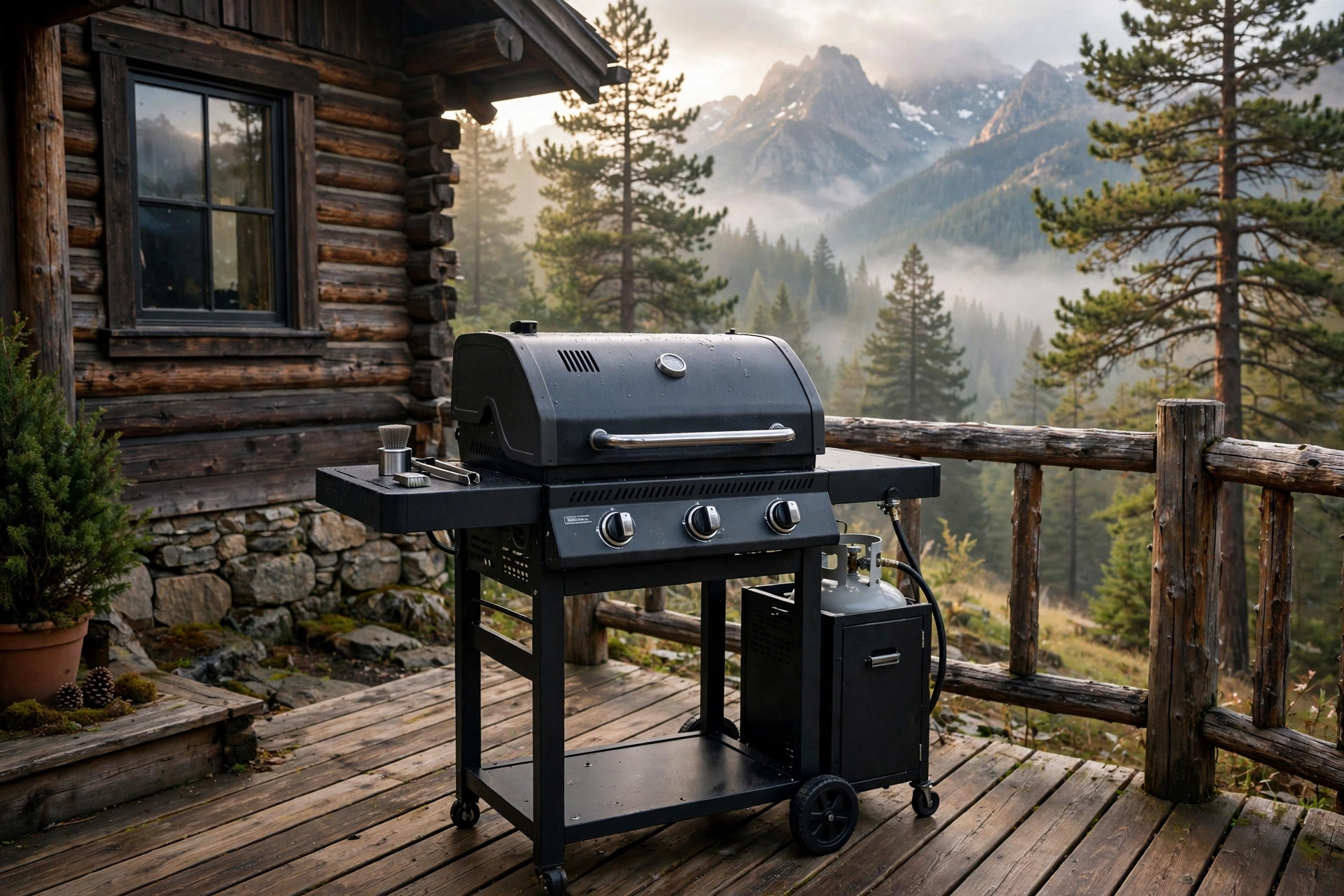

A mountain cabin is a quiet place. The air is cool. The nights come early. And the meals you cook there taste better than the same meals at home. Finding the best outdoor grill for mountain cabin weekends takes more thought than most people expect. The altitude is high. The weather can turn fast. Fuel can be hard to find. A grill that works well in a city backyard may struggle in the mountains. This guide walks through the main choices, the costs, and the care your grill will need. By the end, you will know how to pick a grill that suits your cabin, your cooking style, and your budget.
Why a Mountain Cabin Needs the Right Grill
A cabin is not a normal house. It may sit empty for weeks at a time. When you arrive, you want heat and food fast. A good grill answers both needs. It cooks a full meal with no fuss. It gives you a reason to sit outside and watch the evening light.
But cabins bring hard conditions. Cold wind steals heat from a thin grill body. Rain and snow speed up rust. A grill that stays outside all winter takes a beating. The best outdoor grill for mountain cabin use is built heavy. Thick steel holds heat steady when the wind picks up. A tight lid keeps the temperature up and the snow out.
Distance matters too. You cannot run to a store at ten at night. If the propane runs out, dinner is over. If pellets run low, the cook ends early. The right fuel choice for your cabin depends on what you can store and what you can carry. We will cover that below.
Wildlife is one more factor. Bears, raccoons, and mice all love grill grease. A grill at a cabin must be easy to clean. It must close up tight when you leave. A grill that smells like last night’s dinner will bring visitors you do not want.
What to Look for When You Choose: Best Outdoor Grill for Mountain Cabin
Start with the build. Look for a body made of thick steel or cast aluminum. Tap the lid. It should feel solid, not tinny. Thin metal cools fast in mountain air. It also rusts faster. A heavy grill costs more up front. It lasts far longer in harsh weather.
Next, check the grate. Cast iron grates hold heat well. They leave dark sear marks on meat. Porcelain-coated grates are easier to clean. Steel grates are a middle ground. New owners can learn how to season cast iron grill grates with a simple oil treatment before the first cook.
Size comes next. Think about how many people you feed. A couple needs a small cooking surface. A family of six needs a large one. Also think about storage. Many cabins have a small deck and a small shed. A big grill with side shelves may not fit. Measure your space before you shop.
Fuel type is the biggest choice. Gas is fast and easy. Charcoal gives deep flavor. Wood pellets give a smoky taste with easy control. Each fuel has trade-offs at altitude. We compare them in the next section.
Wind guards and lid locks matter at a cabin. A strong gust can lift a loose lid. A cover that fits well keeps out rain and pine needles. Buy the cover with the grill, not later. Models change fast. A cover made for your grill fits better than a generic one.
The Main Types of Grills
Gas Grills
Gas grills are the most popular choice for cabins. They light fast. They heat in ten minutes. You control the temperature with a knob. For a short weekend trip, gas is hard to beat. You arrive Friday night and cook in minutes.
Propane tanks are easy to carry. A standard 20-pound tank lasts many meals. Keep a spare tank at the cabin. Running out of gas mid-cook is the most common grill mistake in the mountains. For newcomers, a guide to a budget gas grill for newcomers explains what a first grill should cost and what features matter.
The weak point of gas at altitude is heat. Thin air means flames burn a bit cooler. A grill with high BTU output per square inch holds up better. Look at maker pages such as Weber and Char-Broil to compare burner layouts and hood design.
Charcoal Grills
Charcoal gives a flavor that gas cannot match. The smoke and the sear are old and true. A kettle-style grill is cheap, light, and simple. It has few parts to break. That makes it a good cabin grill.
The trade-off is time. Charcoal takes 20 to 30 minutes to reach full heat. In wind, it takes longer. You must watch the vents to hold a steady temperature. At altitude, charcoal burns a little faster. Bring extra briquettes. Kings of this style, like the models at Big Green Egg, use ceramic walls that hold heat for hours.
Pellet Grills
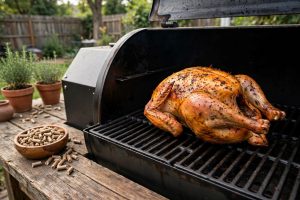
Pellet grills burn small wood pellets. An electric auger feeds the pellets. You set a temperature on a dial. The grill holds it steady. You get wood smoke flavor with oven-like ease. For slow ribs or a whole chicken, a pellet grill is a joy.
The catch is electricity. A pellet grill needs an outlet. Some cabins have no power or weak power. A pellet grill also needs dry pellets. Damp pellets swell and jam the auger. Store pellets in sealed buckets. If you are torn between fuel types, reading up on comparing a pellet grill to a gas grill will help you weigh the pros and cons. Maker sites such as Traeger show how pellet systems work.
Kamado and Ceramic Cookers
Kamado cookers are egg-shaped grills with thick ceramic walls. They grill hot for steaks. They also smoke low for brisket. The thick walls laugh at cold wind. They hold heat with very little fuel.
The main drawback is weight. A large kamado can weigh 200 pounds. Once it sits on your deck, it is not moving. It is also pricey. But for a cabin you visit for years, it is a strong pick. Napoleon and Broil King both make ceramic cookers worth a look.
Cost and Price
Grill prices range wide. A small kettle charcoal grill costs under one hundred dollars. A mid-size gas grill costs three hundred to seven hundred dollars. A good pellet grill costs five hundred to one thousand dollars. A large kamado can cost over one thousand dollars.
Do not judge by price alone. A cheap grill in mountain weather lasts two seasons. A well-built grill lasts ten. The yearly cost of the cheap grill is higher. Heavy steel, a good paint finish, and strong wheels are worth paying for.
Fuel costs add up too. A 20-pound propane tank refill costs about twenty dollars in most areas. Prices run higher near mountain towns. A bag of charcoal costs fifteen to twenty-five dollars. Pellets cost about one dollar per pound. A long smoke can burn through a full bag.
Covers, tools, and a good thermometer add another fifty to one hundred dollars. A long-probe thermometer is worth the money. Thin air and cold wind make cook times hard to guess. Trust the thermometer, not the clock.
If you are starting from zero, shops like The Home Depot list prices across every grill type, which helps you set a real budget before you buy.
Care and Upkeep at Altitude
A cabin grill needs care after every trip. Grease and ash attract animals. They also trap moisture against the metal. Burn off the grates after each cook. Brush them while they are still hot. Empty the ash catcher on a charcoal grill.
Cover the grill before you drive home. A fitted cover blocks rain, snow, and pine sap. If your cabin gets heavy snow, move the grill under a roof overhang or into a shed for the winter. Snow weight can bend thin lids and shelves.
Rust is the main enemy. Check the grill each time you arrive. Wire-brush small rust spots. Touch them up with high-heat paint. Oil cast iron grates lightly before storage. A thin coat of oil stops rust from forming.
Spiders and mice love a quiet grill. Check the burner tubes on a gas grill before the first spring cook. Nests in the tubes block gas flow and cause flare-ups. A quick look with a flashlight takes one minute. It can prevent a small fire.
For steady advice on upkeep through the seasons, The Spruce Eats and AmazingRibs both carry guides on grill maintenance and cleaning.
Safety Rules for Mountain Cabins
Grill safety matters more at a cabin than at home. Help may be far away. Follow a few firm rules.
Never grill inside the cabin, in the garage, or under a low roof. Charcoal and gas both make carbon monoxide. This gas has no smell. It can kill in a closed space. Grill in the open air only, at least ten feet from the cabin walls.
Keep a fire extinguisher near the grill. Know how to use it before you need it. A bucket of sand works for grease fires. Never throw water on a grease fire. It spreads the flames.
Let coals cool fully before you leave. A coal that looks dead can stay hot for hours. Pour water over the coals, stir, and pour again. Store ashes in a metal can with a lid, away from the cabin.
Wildlife safety is real safety. Clean the grill after every meal. Store the drip pan empty. Lock the grill cover or store the grill in a shed. In bear country, treat your grill like food. Because to a bear, it is food.
Independent test groups such as Consumer Reports rate grills on safety and build quality. Their scores are a good second opinion before you buy.
Frequently Asked Questions
Does altitude really change how a grill cooks?
Yes, but only a little. Thin air holds less oxygen. Flames burn slightly cooler. Food also boils at a lower temperature up high. You may need a few more minutes of cook time. A hotter grill and a good lid make up the difference.
Which fuel is best for a cabin with no electricity?
Charcoal or propane. Charcoal needs no power at all. Propane needs only a match or a piezo igniter. Pellet grills and electric grills are poor picks for an off-grid cabin.
How do I keep bears away from my grill?
Clean it well after every cook. Burn off grease at high heat for ten minutes. Brush the grates. Empty the drip pan. Store the grill in a locked shed if you can. Never leave food or grease in the open.
Should I leave my grill at the cabin over winter?
Yes, if you protect it. Deep-clean it first. Cover it with a fitted cover. Move it under a roof or into a shed. Bring small parts like thermometers and igniters inside. Cold and damp kill electronics fast.
Is a cheap grill ever a good cabin grill?
For light use, yes. A basic kettle grill costs little and cooks well. But it will rust faster in mountain weather. If you grill often, spend more once. A heavy grill outlasts two cheap ones.
What size grill do I need?
For two people, about 300 square inches of cooking space is enough. For four to six people, look for 450 to 600 square inches. Bigger is not always better. A huge grill wastes fuel for small meals.
A Final Word
The best outdoor grill for mountain cabin life is the one that fits your place and your habits. Match the fuel to what you can store. Match the size to your crowd. Buy heavy steel and a good cover. Clean it after every trip. Do those things, and your grill will give you years of good meals under tall trees and wide skies.
References
AmazingRibs.com. (n.d.). Barbecue and grilling science. https://www.amazingribs.com Big Green Egg. (n.d.). Kamado grills and outdoor cooking. https://www.biggreenegg.com Broil King. (n.d.). Gas and charcoal grills. https://www.broilkingbbq.com Char-Broil. (n.d.). Gas and charcoal grills. https://www.charbroil.com Consumer Reports. (n.d.). Product reviews and ratings. https://www.consumerreports.org Napoleon. (n.d.). Fireplaces, grills, and heating products. https://www.napoleon.com The Home Depot. (n.d.). Home improvement products. https://www.homedepot.com The Spruce Eats. (n.d.). Recipes and cooking guides. https://www.thespruceeats.com Traeger. (n.d.). Wood pellet grills. https://www.traeger.com Weber. (n.d.). Grills and outdoor cooking. https://www.weber.com
Was this guide helpful?

About Michael Thompson
The My Garden US editorial team writes practical, in-depth home and garden guides for American homeowners — tested advice, no fluff.
You May Also Like
How to Smoke Lamb on Charcoal Grill: A Simple Step-by-Step Guide
September 21, 2026 0 views
How to Smoke Tri Tip on Grill: A Plain Guide to Tender, Smoky Beef
April 22, 2026 0 views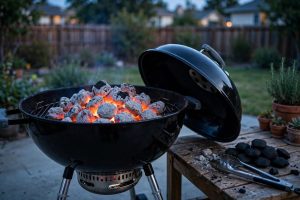
Charcoal Grill Temperature Control Tips for Even, Steady Heat
May 4, 2026 0 views