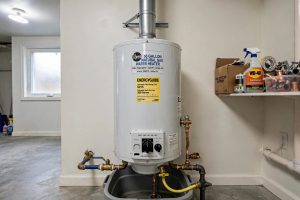

Many homes in the United States struggle with hard water. Hard water leaves white spots on dishes. It makes soap work poorly. It shortens the life of pipes and water heaters. Two whole-house systems promise to help. One is a water softener. The other is a water conditioner. This water softener vs conditioner comparison usa guide explains the real difference between them. It shows how each system works, what each one costs, and how to choose the right one for your home.
Why the Softener vs Conditioner Question Matters
Most tap water in America contains dissolved minerals. Calcium and magnesium are the most common. A famous 2019 study by the U.S. Geological Survey found that water is hard or very hard in most parts of the country. Only a few regions have truly soft water. Hard water is not a health danger. The Environmental Protection Agency sets standards for contaminants, but it does not set a limit for hardness. Still, hard water causes daily trouble. It builds scale inside pipes. Scale narrows the pipe and forces pumps to work harder. It coats the heating element in a water heater. Studies by the Battelle Memorial Institute found that scale can cut a water heater’s efficiency by a large margin. It also leaves crust on faucets and showerheads. Clothes washed in hard water can feel stiff and look dull. Skin and hair can feel dry after a shower.
Shoppers often face a wall of claims. Some sellers say a softener is the only true fix. Others say a conditioner does the same job without salt. The confusion is natural. The two machines look alike. Both are tall tanks that sit near the main water line. But they do very different jobs. A fair water softener vs conditioner comparison starts with how each one treats the water.
How a Water Softener Works: Water Softener vs Conditioner Comparison Usa
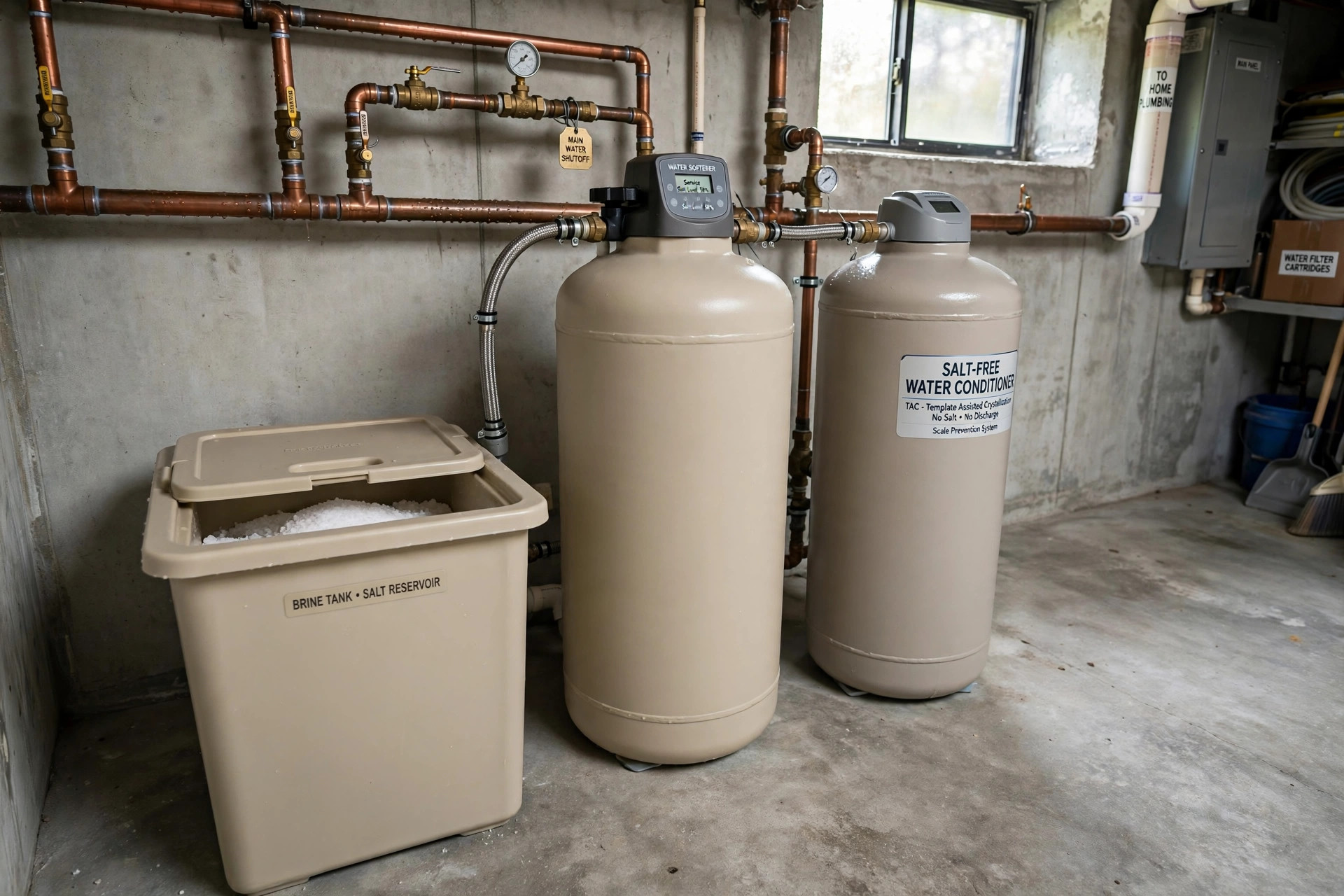
A water softener removes hard minerals from the water. It uses a process called ion exchange. Inside the tank there are small resin beads. These beads carry sodium or potassium ions. As hard water flows through the tank, calcium and magnesium ions stick to the beads. Sodium or potassium ions take their place. The water that leaves the tank is soft. It no longer has the minerals that cause scale.
The resin beads fill up over time. When they are full, the system must clean itself. This step is called regeneration. The tank flushes the beads with a strong salt brine. The brine knocks the captured minerals loose. The minerals go down the drain. The beads are ready again. Regeneration usually happens at night. It uses both salt and water.
Salt-based softeners are the oldest and best-proven answer to hard water. Water that goes through a softener is truly soft. It tests at or near zero grains of hardness per gallon. That is why homes with hard well water often see clear gains from a softener. Spots on dishes disappear. Soap lathers fast. Scale stops forming in pipes, a result water filtration experts confirm in their well water guides.
How a Water Conditioner Works
A water conditioner does not remove calcium or magnesium. It changes them. Most salt-free conditioners use template-assisted crystallization, often called TAC. The conditioner has a special media bed. As water passes through, the media gives the hard minerals a new crystal form. The minerals stay in the water. But the new crystals do not stick to pipes or fixtures. They flow through the home and go down the drain.
Because the minerals stay in the water, a conditioner does not produce soft water. A hardness test strip will show the same reading before and after. The benefit is different. Scale does not form. Pipes stay clear. Water heaters keep their efficiency. Some homeowners like conditioners because they need no salt. There is no brine discharge. There is no regeneration cycle. The media bed simply sits in the tank and does its work for years.
The trade-off matters. A conditioner will not stop spots on glassware as well as a softener does. Soap will not lather much better. Laundry may not feel much softer. Homeowners who want truly soft water may feel let down by a conditioner.
Water Softener vs Conditioner: Head-to-Head Comparison
The best way to judge these systems is side by side. The table below lines up the key facts.
| Feature | Water Softener | Water Conditioner | |—|—|—| | How it works | Ion exchange with resin beads | Crystal change with TAC media | | Removes hard minerals | Yes | No, it changes their form | | True soft water | Yes | No | | Prevents scale | Yes | Yes | | Uses salt | Yes, for regeneration | No | | Uses electricity | Most models do | Usually not | | Wastes water in cycles | Yes, during regeneration | No | | Helps soap lather | Yes | Little change | | Stops spots on dishes | Very well | Only partly | | Ongoing cost | Salt and water | Media swap every 3 to 6 years |
For homes with very hard water, a softener is the stronger answer. For homes with mildly hard water, a conditioner may be enough. A softener also suits homes where scale has already caused damage. A conditioner suits homes where the owner wants low upkeep and no salt.
Types and Options on the Market
Water softeners come in a few main forms. The single-tank softener is the most common. It has one resin tank and one brine tank. It serves most family homes well. A twin-tank softener has two resin tanks. One tank works while the other regenerates. It never runs out of soft water. It costs more up front.
Some units combine a softener with a whole house sediment filter. These combination units remove chlorine or sediment along with hardness. They can save space. They also raise the price.
Conditioners come mostly in one form. The salt-free TAC conditioner is a single tank of media. Sizes vary by flow rate. A larger home needs a larger tank. Some models add a sediment pre-filter to guard the media bed. That is worth having where the water carries sand or rust.
Smart features appear on both types. Some units track water use with a meter. They regenerate only when needed. That saves salt and water. Some send alerts to a phone.
Cost and Price in the USA
A water softener costs more than a conditioner at the start. Major home stores list basic single-tank softeners at about $500 to $1,500 for the unit alone. A twin-tank unit runs $1,000 to $2,500. Professional installation adds $300 to $1,000 through store installation services. The total for a fitted softener often lands between $1,000 and $3,000.
A salt-free conditioner usually costs $800 to $2,000 for the unit. Installation adds $200 to $800. The total often lands between $1,000 and $2,500. The unit price can be higher than a basic softener. But the running costs are lower.
Running costs tip the balance back toward the conditioner over time. A softener uses salt. A family of four may buy $100 to $200 of salt each year. Regeneration also uses water. That adds a small amount to the water bill each month. The resin bed wears out after 10 to 15 years. A new resin bed costs a few hundred dollars.
A conditioner uses no salt and no backwash water. The TAC media lasts 3 to 6 years. A media swap costs $200 to $600. Over ten years, the two systems can cost about the same. Shoppers should add up ten-year costs, not just the price tag, when they weigh a water softener vs conditioner comparison.
Care and Upkeep
A softener needs steady care. The owner must check the salt level each month. The brine tank should stay at least one-quarter full of salt. Bridging is a common fault. A hard crust of salt forms above the water line. The salt below gets used up. The system stops softening.
The venturi valve and brine line need a look once a year. Salt can clog them. A cleaning takes less than an hour. The resin bed benefits from a resin cleaner once or twice a year where iron is present in the water.
A conditioner needs far less care. The owner should check the pre-filter if one is fitted. A dirty pre-filter slows the flow and starves the media. The media itself needs a swap every few years. Some makers suggest a tank rinse once a year. That is nearly all the work.
Homeowners who travel often or rent out their homes may favor the conditioner. It keeps working with almost no attention. Homeowners who want the best water feel may accept the softener’s upkeep.
Safety and Practical Notes
Both systems are safe when fitted well. A few points deserve care. Softened water holds more sodium. The added sodium is small. A quart of softened water adds less sodium than one slice of bread. Still, people on strict low-sodium diets should ask a doctor first. A common fix is to run a separate cold-water tap at the kitchen sink that bypasses the softener.
Brine discharge is a real issue in some states. California and parts of Texas limit or ban salt-based softeners in new builds. The brine adds salt to wastewater. That salt is hard for treatment plants to remove. A conditioner avoids this problem. It adds nothing to the drain water.
Conditioners also have limits. They do not help where iron is high. Iron fouls the TAC media. Homes with iron in well water may need an iron filter for well water ahead of the conditioner. Home repair guides show how these pre-filters are fitted and kept clean. A softener handles moderate iron better, though very high iron still needs a pre-filter.
Installation safety matters too. Both tanks are heavy when full. A softener brine tank can weigh several hundred pounds with salt and water. Place it on a level floor. Keep a floor drain nearby. A leak can cause real water damage. Where the main line is tight, a plumber is worth the fee. Many plumbing pros can fit either system in half a day.
Frequently Asked Questions
Does a water conditioner soften water? No. A conditioner leaves the minerals in the water. It changes their crystal form so they do not form scale. A hardness test will show the same result before and after. Only a softener gives truly soft water.
Which is better for very hard water? A softener. Water above 10 grains per gallon is very hard. At that level, spots and scale are severe. A softener removes the minerals outright. A conditioner may not keep up with extreme hardness.
Do water softeners waste a lot of water? They use some water during regeneration. An efficient metered softener uses 30 to 60 gallons per cycle. It may cycle once or twice a week. That adds a small amount to a monthly bill. Older timer-based models use more.
Is softened water safe to drink? Yes, for most people. The extra sodium is low. People on sodium-restricted diets should check with a doctor. Many homes keep one unsoftened tap for drinking.
How long do these systems last? A softener lasts 10 to 20 years with good care. The resin bed is the weak part. A conditioner tank lasts 10 to 15 years. Its media needs a swap every 3 to 6 years.
Can I install a softener or conditioner myself? A handy owner can do it. The job needs basic pipe cutting and soldering or push-fit fittings. Most owners hire a plumber. A pro fit usually takes two to four hours and costs a few hundred dollars.
Choosing the Right System for Your Home
Start with a water test. Test strips cost little and give a rough hardness number. A lab test gives exact numbers for hardness, iron, and pH. The result guides the choice. Below 7 grains per gallon, a conditioner often does the job. Above 10 grains, a softener is the safer bet. Between those numbers, either can work.
Think about salt next. If your town bans brine discharge, the choice is made for you. A conditioner is the legal option. If you dislike hauling salt bags, a conditioner wins on ease. If you want the softest possible water for laundry and baths, a softener wins on results.
Match the size to the home. Sizing depends on daily water use and hardness. A family of four with hard water needs a larger unit than a couple with mild hardness. An undersized unit regenerates too often. It wastes salt and water. A plumber or a good home improvement guide can help with sizing math.
Budget the full ten-year cost. Add the unit, the install, and ten years of salt or media swaps. The gap between the two systems is often smaller than it looks. Then weigh the daily feel of the water. That feel is what you will live with every day.
A Short Final Word
This water softener vs conditioner comparison usa review comes down to one fact. Softeners remove hard minerals. Conditioners only tame them. Softeners give soft water, but they need salt and care. Conditioners give easy upkeep, but they do not give soft water. Test your water. Add up the real costs. Then pick the system that fits your home and your habits. Either choice beats doing nothing about hard water.
References
Aquasana. (n.d.). Water filtration systems. https://www.aquasana.com Delta Faucet. (n.d.). Kitchen and bathroom faucets. https://www.deltafaucet.com Family Handyman. (n.d.). DIY home repair and maintenance. https://www.familyhandyman.com Kohler. (n.d.). Bathroom and kitchen fixtures. https://www.kohler.com Lowe’s. (n.d.). Home improvement products. https://www.lowes.com Moen. (n.d.). Faucets and plumbing fixtures. https://www.moen.com The Home Depot. (n.d.). Home improvement products. https://www.homedepot.com This Old House. (n.d.). Home renovation guidance. https://www.thisoldhouse.com U.S. Environmental Protection Agency. (n.d.). Protecting human health and the environment. https://www.epa.gov
Was this guide helpful?

About Robert Taylor
The My Garden US editorial team writes practical, in-depth home and garden guides for American homeowners — tested advice, no fluff.
You May Also Like
The Best Whole House Water Filter System USA Homeowners Can Buy
September 20, 2026 0 views
What Does a Septic Inspection Cost When Buying a Home in the USA?
February 18, 2026 0 views
Best Pull Down Kitchen Faucet 2026 USA: A Complete Buying Guide
March 8, 2026 0 views