
Many homes in the United States have a brick fireplace that looks dated. The brick may be a dark red or brown that no longer fits the room. Limewash brick fireplace kit reviews USA homeowners write often tell the same story. They wanted a fresh look without the cost of a full remodel. A limewash kit gave them that new look in one weekend. This guide walks through the top kits, what each one offers, and how to pick the right one for your home.
Why a Limewash Kit Is Worth a Look
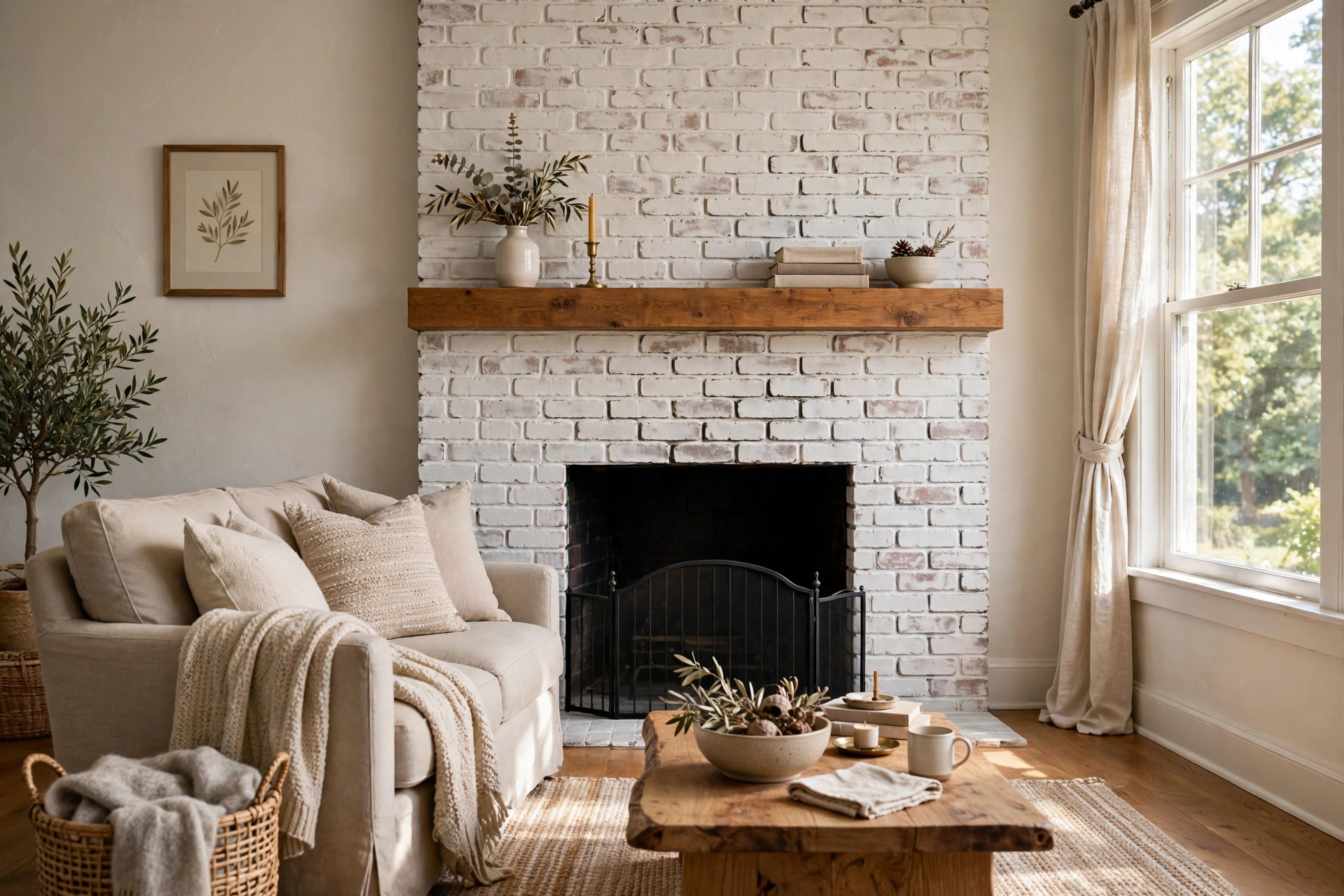
A limewash finish gives brick a soft, cloudy white look. It is not flat paint. It lets some of the brick color show through. The result has depth and old-world charm. Old homes in Europe have used limewash for centuries. Now it is a popular finish in American living rooms.
A kit makes the job simple. Each kit comes with the limewash paint, a brush, and clear steps. You do not need to guess which products to buy. Most kits also include gloves and stir sticks. Reviews from USA buyers say the kits save them a trip to the store and cut down on guesswork. They also note that the brush in the kit is sized for brick, with stiff bristles that push the wash into mortar joints. A standard paint brush from the drawer does not work as well.
The soft matte look suits many styles. It fits farmhouse, coastal, and cottage rooms. It also works in modern spaces, where the pale brick adds warmth without dark color. Homeowners like that the finish does not look flat or plastic. It keeps the texture of the brick. That texture is what makes a fireplace feel real and solid.
A limewash kit costs far less than hiring a mason to reface the fireplace. It also costs less than regular paint when you count primer and sealer. The finish lasts for years on indoor brick. When you want a change, you can wash it off or paint over it.
What to Look for in a Limewash Kit: Limewash Brick Fireplace Kit Reviews Usa
Start with coverage. Most kits state how many square feet they cover. A small fireplace face may need only 30 square feet. A large floor-to-ceiling chimney breast can need 100 square feet or more. Measure your brick before you order.
Check what is inside the box. The best kits include the wash, a large brush, gloves, and a spray bottle. A spray bottle helps you keep the brick damp as you work. Damp brick takes the wash more evenly. Some kits add a sealer for extra protection.
Look at the color options. Most kits come in white or off-white. A few brands sell gray, beige, or blue-tinted washes. White is the classic pick. It brightens the room and matches almost any decor.
Read the dry time and the work time. Limewash is forgiving because you can adjust it while wet. You spray water, brush on the wash, then wipe or dab back the spots you want to lighten. That working time is the best feature of a kit. Guides from This Old House explain the same wipe-back method for brick and stone.
Finally, look for clear steps written in plain language. Good kits print the method on the box and on a card inside. Bob Vila also offers project advice that lines up with these kit directions.
Check reviews for notes on true color. Some washes dry whiter than they look in the can. Others keep a warm tint. Buyers often post photos of the dry result. Those photos help more than the color swatch on the box. Also check notes on smell. Most limewash kits are low odor, which matters when you work in a closed room in winter.
Types of Limewash Brick Fireplace Kits
Not all kits work the same way. Three main types sell in the USA.
Powder Mix Kits
Powder kits come as a dry bag of mineral pigment. You mix the powder with water at home. This is the oldest form of limewash. It gives a very matte and natural finish. Powder kits cost less per square foot. They keep well on the shelf until you mix them. The trade-off is extra prep time. You must mix the powder well and let it sit before use.
Ready to Use Paint Kits
Ready-to-use kits hold a thick paint made to mimic limewash. You open the can and stir. There is no mixing step. These kits suit first-time users. They dry a bit faster than true limewash. Some purists say the finish looks less chalky. For most living rooms, the difference is hard to see. Coatings guidance from Sherwin-Williams notes that masonry surfaces bond best with products made for porous brick, which most of these kits are.
Starter and Deluxe Sets
A starter set covers one small fireplace. It holds one can of wash, one brush, and gloves. A deluxe set covers larger walls. It adds a second can, extra brushes, a spray bottle, and drop cloths. If your chimney breast runs to the ceiling, the deluxe set is the better value.
If you only need the wash and plan to use your own tools, see our guide on where to buy limewash paint in the USA. It lists stores and online sources.
Cost and Price
Prices for limewash brick fireplace kits in the USA run from about 30 dollars to about 120 dollars. Starter kits sit near 30 to 50 dollars. Deluxe kits sit near 70 to 120 dollars. Powder kits tend to be the cheapest.
Compare price by coverage, not by the can. A 40-dollar kit that covers 90 square feet beats a 30-dollar kit that covers 30 square feet. Check the label for the coverage number.
Do not forget supplies you may need at home. Drop cloths, painter tape, and a bucket cost little. You can find them at Lowe’s or The Home Depot for a few dollars each.
Hiring a pro is the other option. A professional brick painting service can handle large or tricky jobs. It costs far more than a kit, but it saves your time.
How to Prepare and Apply the Wash
Good prep makes the finish last. Clean the brick first. Scrub off soot with a stiff brush and warm water. Let the brick dry fully. Tape off the mantel, the floor, and nearby walls. Lay drop cloths wide. Wash can drip, and it is hard to spot on a dark rug until it dries.
Work in small areas. Spray the brick with water until it is damp. Brush on the wash with even strokes. Follow the mortar lines. While the wash is still wet, use a damp rag or sponge to wipe back spots you want lighter. Step back often to check the look.
Let the first coat dry for at least one day. Add a second coat if you want a deeper cover. Most kits suggest two coats for a strong white look. One coat gives a light, washed effect.
Sealer is optional indoors. Some homeowners add a clear sealer for easy dusting. If your fireplace sees heavy use, a sealer helps. The Spruce has care tips for painted and washed brick that match this advice.
Care and Upkeep
A limewashed fireplace needs little care. Dust it with a soft brush or a dry cloth each month. Do not scrub with harsh cleaners. Strong chemicals can wear the finish.
For soot marks near the firebox, wipe gently with a damp cloth and mild soap. Test in a hidden spot first. If the wash comes off too easily, you may want to add a sealer coat. Ask your paint store which sealer works with mineral washes.
Touch-ups are simple. Keep leftover wash in a sealed jar. Dab it on chips or worn spots with a small brush. The patch will blend in as it dries. That easy repair is one reason homeowners give limewash kits high marks in reviews.
Watch the hearth and the firebox edge. Those spots take more heat and more scuffs. They may wear faster than the upper brick. A light touch-up once a year keeps them looking fresh. Paint guides at Behr give the same advice for high-wear painted spots in the home.
True mineral limewash may need a refresh after several years. Ready-to-use paints last longer. Either way, the job is quick the second time because the prep is already done.
Safety
Limewash powder can irritate skin and eyes. Wear the gloves in the kit. Wear eye protection when mixing powder. Work in a room with fresh air. Keep kids and pets out of the room while you work.
Do not limewash the inside of the firebox. The heat of a fire can damage the finish. Only treat the outer face and the chimney breast. Check your local building code if you plan to work near the hearth.
Let the finish cure fully before you light a fire. Most makers suggest waiting 48 to 72 hours. Read the kit label for the exact time.
FAQ
How long does limewash last on a brick fireplace? Indoors, a good limewash finish lasts many years. Mineral limewash may fade after five to eight years. Ready-to-use products can last ten years or more. Dust and gentle cleaning extend the life. A sealer coat can add a few more years on busy fireplaces.
Can I remove limewash if I do not like it? Yes. True limewash washes off with water and a brush while it is fresh. After it cures, a pressure washer or chemical remover takes it off. Ready-to-use paints are harder to remove and may need primer before a new finish.
Is limewash the same as whitewash? They are close but not the same. Limewash uses crushed limestone and water. It sinks into the brick. Whitewash uses thinned latex paint. It sits on top of the brick. Limewash looks more chalky and natural. Reviews often compare the two, and many buyers prefer the look of true limewash.
Do I need to prime the brick first? No primer is needed for most kits. Clean brick is enough. Very dark or stained brick may need an extra coat instead. If the brick has old paint on it, strip the paint first or the wash will not bond well.
How much does one kit cover? Most starter kits cover 30 to 50 square feet. Deluxe kits cover 80 to 120 square feet. Measure the height and width of your brick face and multiply to get the area. Buy a little extra. Running out in the middle of a coat can leave a visible line.
Can I use the same kit on an outdoor fireplace? Some kits work outdoors, but check the label. Outdoor brick faces sun and rain. You may need a sealer made for exterior use. Paint experts at Benjamin Moore note that exterior masonry needs products rated for weather exposure.
A Short Final Word
Limewash brick fireplace kits give USA homeowners an easy path to a fresh hearth. Pick a kit with the right coverage, follow the steps, and take your time with the wipe-back. The finish brings light and character to the room for a small price. For a full paint job on furniture, our guide to chalk paint for furniture covers where to find supplies. Design ideas at HGTV can help you plan the whole room around your new fireplace.
References
Behr. (n.d.). Paints, primers, and stains. https://www.behr.com Benjamin Moore. (n.d.). Paints and stains. https://www.benjaminmoore.com Bob Vila. (n.d.). Home improvement advice. https://www.bobvila.com HGTV. (n.d.). Home and garden ideas. https://www.hgtv.com Lowe’s. (n.d.). Home improvement products. https://www.lowes.com Sherwin-Williams. (n.d.). Paints and coatings. https://www.sherwin-williams.com The Home Depot. (n.d.). Home improvement products. https://www.homedepot.com The Spruce. (n.d.). Home and garden advice. https://www.thespruce.com This Old House. (n.d.). Home renovation guidance. https://www.thisoldhouse.com
Was this guide helpful?

About Michael Thompson
The My Garden US editorial team writes practical, in-depth home and garden guides for American homeowners — tested advice, no fluff.
You May Also Like

The Best Paint for Laundry Room Walls: What Works in American Homes
August 2, 2026 0 views
Concrete Floor Paint for Basements: What the Reviews Tell Us
June 10, 2026 0 views
Vinyl Siding Painting Cost per Square Foot: A Homeowner’s Guide
September 18, 2026 0 views