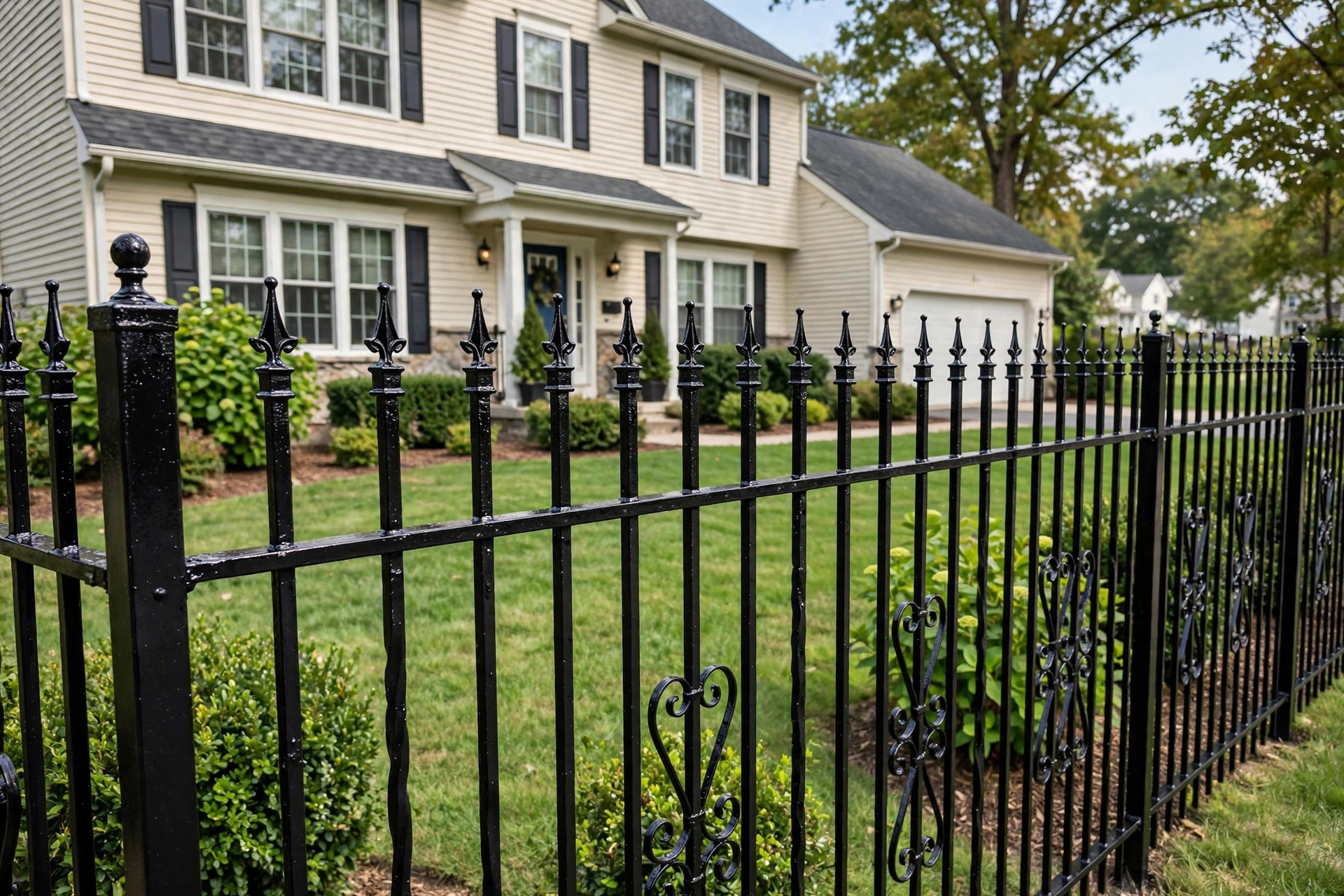

A metal fence can serve a home for many decades when it is treated with care. Iron, steel, and aluminum fences face rain, snow, salt, and strong sun. Each of these forces wears at the metal a little at a time. A good coat of paint stands between the fence and the weather. When a homeowner searches for the best paint for metal fence USA stores carry, the goal is simple. The right paint should stick well, look good, and last for years.
This guide walks through the choices in plain terms. It explains why metal fence paint matters, what to look for on the label, the main types of paint, what the job may cost, and how to care for the finish. It closes with answers to common questions.
Why Good Paint Matters for a Metal Fence
A bare metal fence is a weak fence. Water and air touch the surface and start the slow work of rust. Rust does not stay on the surface. It eats into the metal and makes rails and posts thin. Once rust takes hold in the joints, a fence can become loose or unsafe.
Paint acts as a shield. A sound coat keeps moisture away from the metal. It also blocks much of the sun’s harsh light, which can dry out and crack a poor finish. A well painted fence also looks better. A clean black, bronze, or green finish can lift the look of a whole front yard. Neighbors notice a fence that is neat and whole. A peeling, rusted fence pulls the other way and can lower curb appeal.
The right product saves money over time. Cheap paint may fail in a year or two. Then the fence must be scraped and painted again. A quality paint made for metal can hold for five to ten years with fair care. That longer life means fewer weekends on a ladder and lower cost across the years.
Homeowners who plan a new fence or a refresh should also think about related outside work. A fence often sits near a deck or a wood fence section, and timing the work together can save effort. For wooden fence sections, reading up on fence staining service near me prices can help with planning and budgeting the full project.
What to Look for When Choosing Metal Fence Paint: Best Paint for Metal Fence Usa
Not every can on the paint shelf is fit for metal. A buyer should check a few key points before the purchase.
Rust Prevention
The first point is rust control. The label should state that the product is made for metal or is a rust-preventive coating. Products that bond directly to rust can work on surfaces that cannot be cleaned fully, though full cleaning is always the better path. Look for words like “rust preventive,” “for metal,” or “anti-corrosive” on the can.
Adhesion
Paint must grip the metal. Smooth steel and iron can be slick. A primer or a paint with built-in primer helps the topcoat hold. Strong adhesion keeps the paint from peeling in sheets after the first hard winter.
Weather Resistance
Fences live outdoors in all seasons. The paint should stand up to rain, frost, and strong summer sun. Labels that note UV resistance and moisture protection are a good sign. In coastal areas with salt air, or in the northern states with road salt, this point matters even more.
Finish and Color
Most metal fences wear dark colors. Black, dark bronze, and deep green are the classic picks. A satin or semi-gloss finish tends to hide small flaws and clean up well. High gloss can look sharp but shows every brush mark and runs.
Dry Time and Application
Check how the paint goes on and how long it takes to dry. Some products are made for brush and roller only. Others spray well. Fast drying is useful for outdoor work since dust, leaves, and rain can spoil a wet coat. Plan the work for a dry day with mild temperatures, usually between fifty and eighty-five degrees.
Safety of the Product
Read the safety notes on the label. Many metal paints carry strong fumes. Good airflow and a proper mask are wise. Keep children and pets away from the work area until the paint is dry. Guidance from paint makers such as Sherwin-Williams covers safe handling in plain language.
Types of Paint That Work on Metal Fences
Paints fall into a few main families. Each has strengths and weak points.
Oil-Based Enamel
Oil-based enamel is the old standard for iron fences. It forms a hard, tough shell that resists chips and weather. It levels well, so brush marks fade as it dries. The drawbacks are real. It dries slowly, often over many hours. The fumes are strong. Cleanup needs mineral spirits rather than water. In some states, rules limit oil-based paints for home use. Where allowed, it remains a strong pick for fences.
Acrylic Latex for Metal
Water-based acrylic paints made for metal have grown much better over the years. They dry fast, clean up with water, and give off mild fumes. Many now bond well to primed iron and steel. They flex a bit as metal expands and contracts with heat, which helps them resist cracking. They may not match the hard shell of oil enamel, but they are easier and cleaner to use.
Direct-to-Metal Paint
Direct-to-metal paints are made to skip the primer step. They bond to clean metal and give rust protection in one can. This saves time. They work best when the old surface is scraped and cleaned well. They are not magic. Heavy rust still needs treatment first.
Rust-Converter Primers
When rust spots remain after scraping, a rust converter can help. It turns active rust into a stable surface that paint can hold. It is a primer, not a finish coat. A topcoat must follow. This two-step method can rescue a fence that would otherwise need part replacement.
Spray Paint for Metal
For small fences, rail sections, or touch-up work, spray paint made for metal is handy. It gives a smooth, even coat with no brush marks. The coverage per can is low, so it suits small jobs. Wind can carry spray to cars and plants, so cover nearby items well. For whole fences, brushing or rolling with gallon cans costs less.
Resources on exterior painting methods from This Old House and project guides at Bob Vila give clear step-by-step advice for brush, roller, and spray work.
Cost of Painting a Metal Fence
Cost depends on fence size, paint type, and whether the work is done by hand or by a crew.
A gallon of quality metal paint in the United States often runs from the mid twenties to the mid sixties in dollars. Direct-to-metal and rust-preventive paints sit at the higher end. A gallon covers roughly three hundred to four hundred square feet in one coat, though ornate iron work with many bars can eat up paint fast.
Prep supplies add to the bill. A wire brush, sandpaper, a rust converter, painter’s tape, drop cloths, and a good brush or roller set may add thirty to eighty dollars. A power washer rental can help clean a long fence and costs far less than a full day of hand scrubbing.
Do-it-yourself work saves the labor cost. The main cost is time. A standard backyard iron fence of about one hundred linear feet may take a full weekend for prep and two coats. Hiring a painter raises the cost a great deal. Rates vary by region, but many painters charge several dollars per linear foot for fence work, and heavy rust prep raises the price further.
Budget planning helps. Some homeowners pair fence painting with other yard projects to make the most of a work weekend. For wood surfaces nearby, a deck staining cost calculator near me search can frame the numbers, and garage projects can be weighed against garage floor epoxy coating kit reviews usa to set a full-project budget.
Large retailers carry a wide range of metal paints and prep tools, and browsing the paint departments at Home Depot or Lowe’s is a sound way to compare prices and read label details in person.
How to Paint a Metal Fence Step by Step
Clean the Fence
Start by washing the fence. A garden hose and stiff brush can remove loose dirt. A pressure washer on a gentle setting works faster on long runs. Let the metal dry fully before the next step.
Remove Loose Paint and Rust
Scrape peeling paint with a putty knife or paint scraper. Work rust spots with a wire brush or coarse sandpaper. The goal is a firm surface with no loose flakes. Gloves and eye protection are wise since chips fly.
Treat Remaining Rust
Brush a rust converter or rust-inhibiting primer over spots that show rust after scraping. Follow the can’s directions for dry time. This step is what separates a paint job that lasts from one that bubbles in a year.
Prime Bare Metal
Coat bare spots with a metal primer unless the paint is a direct-to-metal type used alone. Primer gives the topcoat a firm base and adds a second layer of defense. Let it dry per the label.
Apply the Topcoat
Brush or roll the paint in thin, even coats. Two thin coats beat one thick coat. Thick coats drip, run, and dry soft. Work from the top of the fence down so drips land on wet paint that can be brushed out. Let the first coat dry fully before the second.
Let It Cure
Drying is not the same as curing. A fence may feel dry in hours but need days to harden fully. Keep sprinklers, pets, and climbing plants off the fence during this time. Good paint makers such as Behr and Benjamin Moore print cure times on their labels.
Detailed painting how-to articles from The Spruce and hands-on repair guides from Family Handyman cover each of these steps with photos and tool lists.
Care and Upkeep of a Painted Metal Fence
A painted fence needs light, steady care to reach its full life.
Wash the fence once a year with a hose and mild soap. This lifts dirt, pollen, and salt that wear at the finish. Check the fence each spring for chips, scratches, and rust spots. Small chips are easy to fix when caught early. Clean the spot, touch up with primer if bare metal shows, then dab on matching paint.
Keep soil, mulch, and grass away from the base of the fence. Damp ground contact speeds rust at the bottom of posts. Trim bushes and vines so they do not hold moisture against the paint or pull at loose spots.
Touch-up work once a year can stretch a full repaint by several years. Keep a small can of the same paint stored in a cool, dry place for this purpose. Mark the can with the date and the color name.
Safety Tips
Metal fence painting is safe work when a few rules are kept.
Wear a dust mask or respirator when scraping and sanding. Old paint may hold lead if the fence dates from before 1978. If lead paint is a risk, test before scraping. Disturbing lead paint without care can harm health. A lead test kit from a paint store is cheap and simple to use.
Work in fresh air. Keep paint and solvents away from open flame. Store cans out of reach of children. Wear gloves, long sleeves, and eye protection during prep. On hot days, take breaks and drink water. Ladders used for tall fence sections should stand on firm, level ground.
For fences near busy streets, wear bright clothing and set out cones if working close to traffic. Do not spray paint on windy days, since drift can reach cars, windows, and neighbors’ plants.
Specialty metal paints from Rust-Oleum include clear safety directions for each product, and reading them before opening the can is always worth the time.
FAQ
How long does metal fence paint last?
With sound prep and quality paint, a metal fence paint job often lasts five to ten years. Harsh sun, salt air, and heavy rain shorten that span. Yearly touch-ups stretch it longer.
Can I paint over rust on a metal fence?
Light surface rust can be brushed off and treated with a rust converter or rust-inhibiting primer before painting. Thick, flaking rust should be removed down to firm metal. Paint laid over loose rust will peel.
Do I need a primer for a metal fence?
Primer is wise for bare or rust-treated metal. It improves grip and adds rust defense. Direct-to-metal paints can skip the primer step on clean metal, but heavy rust spots still benefit from treatment first.
What is the best color for a metal fence?
Black is the most common and classic choice. Dark bronze, deep green, and charcoal also suit many homes. Dark colors hide small flaws and match most house styles. Lighter colors show dirt faster and need more washing.
Is oil-based or water-based paint better for a metal fence?
Oil-based enamel gives a harder shell and strong weather defense, but it dries slowly and gives off strong fumes. Water-based acrylics made for metal dry fast, clean up with water, and flex with heat changes. Both work well when paired with good prep. The choice often comes down to local rules, skill, and patience.
How much paint does a metal fence need?
A gallon covers about three hundred to four hundred square feet per coat. Ornate iron with many bars uses more paint than flat panels. Measure the fence length and height, add ten percent for waste, and plan on two coats.
A Final Word
Finding the best paint for metal fence USA homeowners can trust comes down to a few plain rules. Pick a paint made for metal with rust defense. Prep the surface with care. Use thin coats and give them time to dry. With that care, a metal fence will stand strong and look fine for many years, and the home behind it will look all the better.
References
Behr. (n.d.). Paints, primers, and stains. https://www.behr.com Benjamin Moore. (n.d.). Paints and stains. https://www.benjaminmoore.com Bob Vila. (n.d.). Home improvement advice. https://www.bobvila.com Family Handyman. (n.d.). DIY home repair and maintenance. https://www.familyhandyman.com Lowe’s. (n.d.). Home improvement products. https://www.lowes.com Rust-Oleum. (n.d.). Protective coatings and spray paint. https://www.rustoleum.com Sherwin-Williams. (n.d.). Paints and coatings. https://www.sherwin-williams.com The Home Depot. (n.d.). Home improvement products. https://www.homedepot.com The Spruce. (n.d.). Home and garden advice. https://www.thespruce.com This Old House. (n.d.). Home renovation guidance. https://www.thisoldhouse.com
Was this guide helpful?

About Sarah Mitchell
The My Garden US editorial team writes practical, in-depth home and garden guides for American homeowners — tested advice, no fluff.
You May Also Like

Where to Buy Limewash Paint in the USA
May 25, 2026 0 views
Cabinet Painting vs Refacing Cost Comparison: Which Is Right for Your Kitchen?
August 12, 2026 0 views
Framed Wall Art Sets for Bedroom Walls in the USA: A Complete Guide
August 4, 2026 0 views