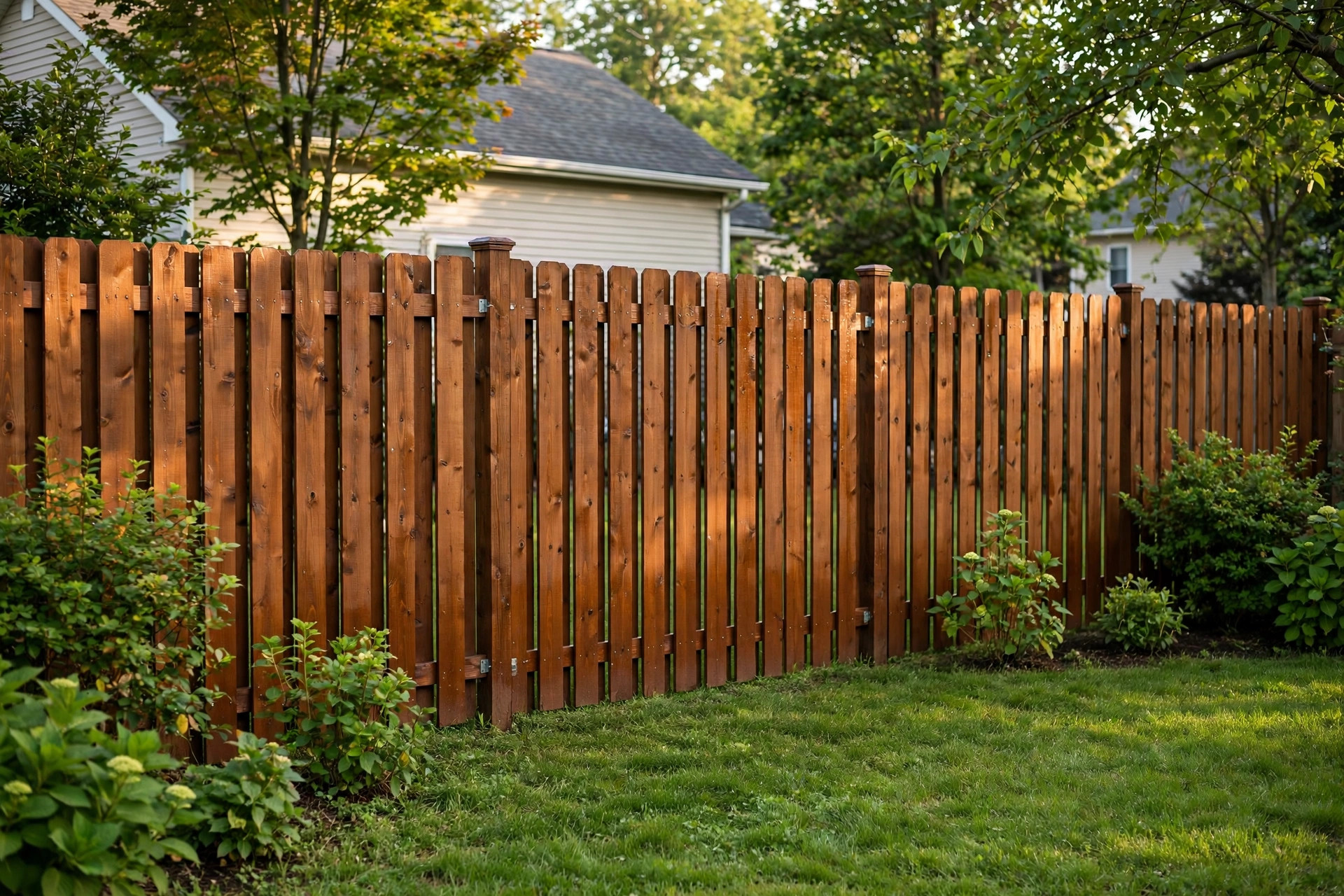

When you search for fence staining service near me prices, you will find a wide range. One company may quote $600 for a job that another prices at $1,400. This range confuses many homeowners. It helps to know how the trade works. A fence stain does more than add color. It keeps water, sun, and mold from breaking down the wood. A good staining job can add five to ten years to the life of a fence. This guide explains what you should pay, what a full service includes, and how to compare quotes with care.
Why Fence Staining Matters
Wood fences take a beating from the weather. Rain soaks into the boards. Sun bleaches the grain. Snow and frost push at the posts. Over time, the boards turn gray and soft. Nails rust. Posts rot at the ground line. A fence that gets no care may last eight to twelve years. A fence that gets stain every three to five years may last twenty years or more.
Stain works by sealing the wood fibers. It blocks water from soaking in. It also blocks ultraviolet rays that dry out and crack the boards. Many stains carry mold and mildew blockers as well. These are useful in damp climates and in yards with heavy shade. A coat of stain also gives the yard a clean, finished look. A stained fence looks newer. It lifts the value of the whole property. Buyers notice a fresh fence the same way they notice fresh paint.
There are two main choices for the coating. Stain soaks into the wood and lets the grain show. Paint sits on the surface and hides the grain. Stain is the better pick for most wood fences. It peels less than paint. It also takes less prep work when it is time to re-coat. For homes where the siding is painted wood, a painted wood siding plan may differ, but fences almost always do better with stain.
How Fence Staining Services Price Their Work: Fence Staining Service near Me Prices
Most fence staining contractors price in one of two ways. The first is a price per square foot of fence surface. The second is a price per linear foot of fence length. Both are common. It is wise to know which one a quote uses before you compare numbers.
Price Per Square Foot
A square foot of fence surface covers one side of one board area. The contractor measures the length of the fence and multiplies it by the height. A six-foot fence that runs one hundred feet long has six hundred square feet on one side. If both sides get stained, the total is twelve hundred square feet. Gates, posts, and trim add extra area.
Price Per Linear Foot
A linear foot is simply one foot of fence length, no matter the height. This method is simpler for quotes. It is less exact when fences change height along a slope or when both sides need work. Many small local crews prefer it. When you compare two quotes, convert them to the same method so the numbers are honest.
Average Fence Staining Service Prices in 2026
In 2026, most homeowners pay between $2 and $5 per square foot for a full service. A full service means cleaning, light prep, and one to two coats of stain. For a standard one-hundred-foot fence at six feet high, stained on one side, the cost often lands between $1,200 and $3,000. Smaller yards cost less. Long fences cost more.
Per linear foot, the common range is $4 to $11 for a single side. A one-hundred-foot fence would then cost $400 to $1,100 per side. Both sides double the number. Most contractors set a minimum charge for small jobs. A short run of fence may carry a $350 to $500 minimum, even if the math says less.
The type of fence also shifts the price. A simple board fence is fast to spray or brush. A shadowbox or board-on-board fence takes longer because both faces and the gaps must be reached. Picket fences are slow work too. Each picket needs care on all sides. Lattice tops add time and cost. Pressure washing before staining often adds $100 to $300 on its own. Some crews include it. Others list it as an extra line.
Before you settle on a number, it helps to look at related pricing guides. A deck staining cost calculator gives a sense of how stain projects scale with area. Homeowners who plan bigger outdoor projects also compare exterior wood siding painting cost and exterior brick painting service cost so they can budget the whole yard at once.
What Raises or Lowers the Cost
Several factors push the price up or down. The first is the condition of the wood. A fence with gray, rough boards needs power washing and sometimes sanding. This adds labor hours. A fence with rotted pickets needs repairs before stain can go on. A contractor may charge for the repairs or ask you to hire a handyman first.
The second factor is the stain itself. A basic solid-color stain costs less per gallon than a high-end semi-transparent product with strong UV blockers. Premium stains last longer and often hold color better. Many contractors will offer two or three product tiers. Ask what brand and line they plan to use. Brand sites such as Sherwin-Williams and Behr list the features of their exterior wood finishes, which makes it easier to judge the quote.
Access is a third factor. A fence behind a locked gate with no clear path costs more to work around. A fence on a steep hill takes more time. A fence crowded by bushes or vines must be cleared first. If you trim plants back before the crew arrives, you may save money.
Location also matters. Labor rates run higher in big cities and coastal states. Rural areas often see lower rates. The season can matter too. Spring and early summer are the busy months. Crews book up fast. Late fall quotes may come in lower, though cold weather can slow drying. The retailer Home Depot notes that outdoor stain projects need dry days above 50 degrees for the best cure.
Finally, the number of coats changes the bill. One coat costs less but may fade faster. Two coats look deeper and last longer. Most pros advise two coats for new wood and for very weathered wood. Ask whether the quote covers one coat or two.
Types of Fence Stain and Finish Options
Not all stains are the same. A clear or toner stain shows the full grain of the wood. It fades the fastest, often within two years. A semi-transparent stain adds a touch of color while still showing grain. It is the most popular pick for fences. It lasts three to five years in most climates.
A solid-color stain hides the grain and looks much like paint. It lasts the longest, often five to seven years. It peels less than paint but still needs good prep. For old, rough fences, a solid stain can make the boards look new again. Benjamin Moore and other makers publish color charts that help you match the fence to the trim of the house.
Oil-based stains soak deep into the wood. They were once the standard. Many states now limit their use because of rules on fumes and cleanup. Water-based stains have improved a great deal. They dry faster, clean up with soap and water, and hold color well. Ask your contractor which type they plan to use and why. For more on choosing finishes, guides from This Old House and Bob Vila walk through the trade-offs in plain terms.
Color choice is a matter of taste. Natural cedar and redwood tones are classic. Warm browns blend with most yards. Dark walnut and gray tones suit modern homes. Test a small patch on a hidden board before you agree to a full coat. Wet stain always looks darker than dry stain.
What to Look for When Hiring a Fence Staining Service
A good contractor will do more than spray and leave. Look for a crew that washes the fence first, lets it dry, and fixes loose boards. Ask how many coats they apply. Ask what stain brand they use. Ask whether the price includes both sides of the fence, the posts, and the gates. Vague answers are a warning sign.
Get at least three quotes in writing. Each quote should list the work step by step. It should state the stain brand, the number of coats, and the price. Check reviews from past jobs. Ask for photos of recent work. A crew that stains fences every week will be faster and neater than a painter who takes the job on the side.
Check insurance too. A crew that works on your property should carry liability coverage. Ask for proof. This protects you if a ladder falls or a sprayer damages a plant bed. Lowe’s project guides advise the same check for any hired outdoor work.
Watch out for red flags. A quote that is far below the others often skips the wash step or uses thin, cheap stain. A crew that wants full payment up front is risky. A normal deposit is one-third to one-half. The rest is due when the job is done to your eye.
Care and Upkeep
Stain is not a one-time job. Plan to wash the fence once a year with a garden hose or a light pressure wash. This removes dust and mold spores. Trim bushes so air can move through the boards. Check the posts each spring. Push on them. If they wobble, the ground line may be rotting. Small repairs each year cost far less than a full rebuild.
Watch the color. When the fence looks dull and gray in spots, the stain is wearing thin. Most fences need a fresh coat every three to five years. High-sun spots may need it sooner. A recoat costs less than the first job because the prep is lighter. Some homeowners keep a maintenance log. They note the date, the product used, and the color. This makes the next recoat simple. Practical upkeep advice from The Spruce and Family Handyman follows the same yearly rhythm.
Safety
Fence staining involves chemicals and tools that need care. Crews should wear gloves, masks, and eye gear when they spray. Homeowners should keep kids and pets away from the work area until the stain is fully dry. Stain fumes can bother people with asthma. Open windows on the far side of the house if the fence runs close to the home.
Pressure washers can cut skin and strip wood if the spray is too strong. Ladder work on uneven ground is a fall risk. Let the crew handle the high spots. When the job is done, store leftover stain in a cool, dry place. Keep it out of reach of children. Dispose of rags and cans as local rules require. Oil-soaked rags can catch fire on their own, so lay them flat outdoors to dry before you throw them away. Design and project ideas from HGTV often pair staining jobs with safe staging tips worth a look.
Frequently Asked Questions
How much does it cost to stain a fence in 2026?
Most homeowners pay $2 to $5 per square foot, or $4 to $11 per linear foot per side. A typical one-hundred-foot, six-foot fence runs $1,200 to $3,000 for one side with cleaning and two coats. Your quote will move with the wood condition, the stain brand, and local labor rates.
Is it cheaper to stain a fence yourself?
Yes, the materials alone may cost $150 to $400 for a standard fence. But the job takes a full weekend or more. You also need a washer, brushes or a sprayer, and care with the prep. Many homeowners find that a pro crew finishes faster and the stain lasts longer because the prep is better.
How long does fence stain last?
A semi-transparent stain lasts three to five years. A solid-color stain lasts five to seven years. Clear sealers fade in one to two years. Sun, rain, and shade all shift these numbers. South-facing boards in full sun wear the fastest.
Do I need to pressure wash before staining?
Yes. Dirt, gray fibers, and mildew keep stain from soaking in. A wash opens the grain so the stain bonds well. The fence must dry for one to three days after washing before the stain goes on. Stain applied to damp wood may peel or turn blotchy.
Can you stain a fence that was painted before?
It is possible, but it takes work. Old paint must be scraped and sanded down to bare wood in the bad spots. A solid-color stain can go over sound paint, but a semi-transparent stain needs bare wood to soak in. Ask the contractor to look at the fence in person before they quote.
What is the best month to stain a fence?
Late spring and early fall are best in most states. The air should be dry, with daytime highs between 50 and 85 degrees. Avoid rainy weeks. Stain needs about twenty-four to forty-eight hours without rain to cure well.
A Short Final Word
Fence staining service prices near me will vary, but the pattern is steady. You pay for prep, product, and labor. A crew that washes, repairs, and applies two good coats is worth more than a crew that sprays and leaves. Get three written quotes. Check the stain brand. Ask what each side of the fence will cost. With those steps, you will get a fence that looks fresh and stands strong for years.
References
Behr. (n.d.). Paints, primers, and stains. https://www.behr.com Benjamin Moore. (n.d.). Paints and stains. https://www.benjaminmoore.com Bob Vila. (n.d.). Home improvement advice. https://www.bobvila.com Family Handyman. (n.d.). DIY home repair and maintenance. https://www.familyhandyman.com HGTV. (n.d.). Home and garden ideas. https://www.hgtv.com Lowe’s. (n.d.). Home improvement products. https://www.lowes.com Sherwin-Williams. (n.d.). Paints and coatings. https://www.sherwin-williams.com The Home Depot. (n.d.). Home improvement products. https://www.homedepot.com The Spruce. (n.d.). Home and garden advice. https://www.thespruce.com This Old House. (n.d.). Home renovation guidance. https://www.thisoldhouse.com
Was this guide helpful?

About Emily Rodriguez
The My Garden US editorial team writes practical, in-depth home and garden guides for American homeowners — tested advice, no fluff.
You May Also Like
Epoxy Garage Floor Cost Per Square Foot: What Every Homeowner Should Know
May 15, 2026 0 views
Black Ceiling Paint for Basement Reviews: What to Buy and How to Paint It Right
April 9, 2026 0 views
How the Best Exterior House Painting Cost Estimator in the USA Works
May 28, 2026 0 views