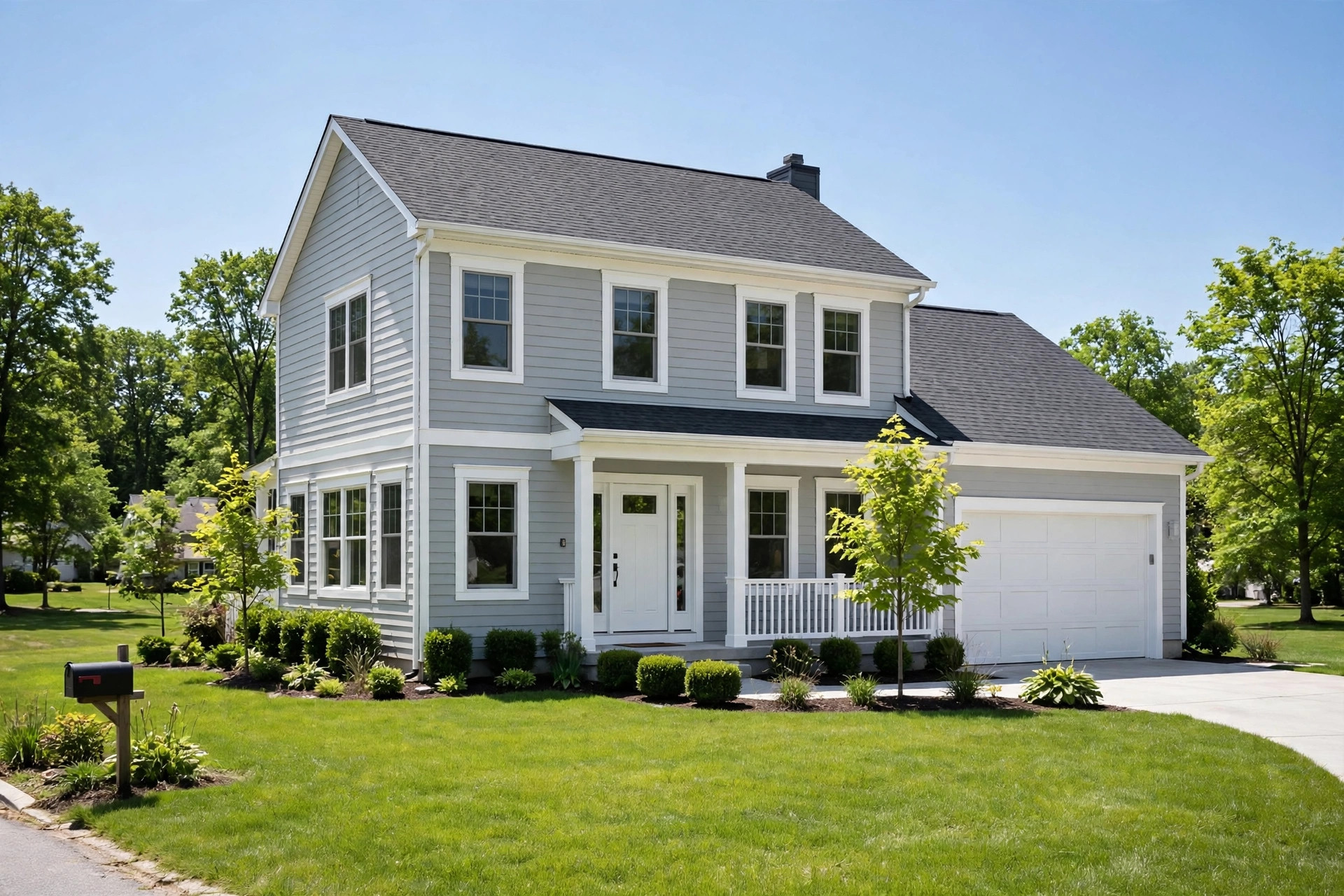

A two story house painting cost calculator usa homeowners use can take the guesswork out of one of the biggest jobs a home can need. Painting a two story house costs more than painting a ranch or a bungalow. The walls are taller. The crew needs ladders and scaffolds. The prep work takes longer. A good calculator breaks the job into parts so the final number makes sense. This guide shows how these tools work, what numbers go in, and how to read the result with care.
Why a Cost Calculator Matters for Two Story Homes
A two story house has more paintable surface than most people expect. The second floor adds hundreds of square feet of wall. Trim around upper windows adds hours of careful brush work. Gables, eaves, and soffits add shapes that are slow to paint. A calculator turns all of this into a single clear estimate.
The value is not just the number. It is the list of parts that make the number. When you see paint, labor, prep, and extras as separate lines, you can ask better questions. You can see where the money goes. You can compare two bids and find out why one is higher. Many homeowners start with a best exterior house painting cost estimator usa to get a rough idea, then use a two story tool to get closer to the real cost.
Calculators also protect you from surprise costs. A crew that skips the prep line may quote a low price and then add charges later. A tool that asks about surface condition keeps that risk in view. The team at This Old House has long advised homeowners to price prep work with the same care as paint itself.
How a Two Story House Painting Cost Calculator Works: Two Story House Painting Cost Calculator Usa
The Basic Math
Most calculators use one simple idea. They find the paintable square footage of the house. Then they multiply that by a cost per square foot. The cost per square foot covers paint, labor, and basic prep.
To find the paintable area, a typical tool asks for the length and width of the house. It multiplies the perimeter by the height of the walls. For a two story home, the height is about eighteen to twenty feet. Then it subtracts windows and doors. Then it adds a factor for gables and extra trim. The result is the working number the whole estimate rests on.
The cost per square foot then varies by region and by job type. A simple repaint over sound paint costs less per foot. A job that needs scraping, caulking, and spot priming costs more. Guides at The Spruce note that two story homes often run higher per foot than one story homes because of the setup time for tall work.
Inputs That Change the Number
A strong calculator asks about more than size. Each answer moves the final price.
Surface condition. Sound paint needs a wash and a light sanding. Peeling paint needs scraping, patching, and primer. The worse the surface, the higher the labor line.
Siding type. Wood siding soaks up paint and needs more coats. Vinyl siding needs special bonding paint. Stucco needs thick elastomeric coatings. Fiber cement sits in the middle. Your siding choice can change both material cost and labor time.
Number of colors. One body color with white trim is standard. A second body color or accent shutters add time for cutting in and cleanup. Each extra color adds labor.
Access and slope. A flat lot is easy to work on. A steep hill or tight side yard slows the crew and may need extra scaffold rental. Tall peaks above the second floor cost the most per hour.
Trim amount. Wide corner boards, big fascia, and many shutters raise the price. Trim is slow brush work, and it eats hours fast.
A calculator that skips these questions is just a guess with extra steps. The detailed inputs are what make the output worth reading.
What to Look for Before You Price the Job
Before you trust any number, walk around your house and look at the real state of the paint. A calculator can only work with honest inputs.
Check for peeling and flaking on the south and west sides first. These sides take the most sun and fail first. Look at the caulk around windows. If it is cracked or missing, water may be getting in. Press on any soft spots in wood trim with a screwdriver. Soft wood means rot, and rot means repair before paint.
Note the material of the siding. Wood, stucco, brick, vinyl, and fiber cement each need different paint. For wood homes, an exterior wood siding painting cost usa guide can help you understand what wood-specific prep adds to the bill. For vinyl, a vinyl siding painting cost per square foot guide explains why vinyl needs lighter colors and special paint.
Write down the number of stories of trim, the rough age of the last paint job, and any spots that need repair. These notes make the calculator far more accurate. Paint makers like Behr and Sherwin-Williams offer surface prep guides that help you name what you see on your walls.
Types of Two Story Painting Jobs
Not every two story job is the same. The type of job sets the price band.
Full repaint. This is the most common job. The crew washes the house, scrapes loose paint, sands rough spots, caulks gaps, primes bare wood, and applies two finish coats. This is the job most calculators are built to price.
Color change. Going from dark to light, or light to dark, adds cost. Dark colors over light ones may need an extra coat for full coverage. A color change also raises the stakes for clean lines at the trim.
Partial paint. Some homeowners paint only the worst side or only the trim. Calculators can handle this if you enter only the area to be painted. Partial jobs cost more per square foot because setup is spread over less work.
New siding paint. Fresh wood, new stucco, or new fiber cement needs primer plus two coats. The material is thirsty. Paint use runs high. Retailers like Home Depot and Lowe’s list coverage rates that show how much extra a first coat on bare siding can take.
Trim-only refresh. Painting just the fascia, soffits, shutters, and doors is a smaller job. It is all ladder and brush work. The price per foot is high, but the total stays low because the area is small.
Cost and Price: What the Numbers Look Like
A two story house painting cost calculator will usually land in a wide band. For a typical two story home of about 2,000 to 2,500 square feet of living space, the paintable exterior area often runs 2,500 to 3,500 square feet. At common rates, the total for a full professional repaint often falls between $5,000 and $12,000. Large homes, bad surfaces, or high-cost regions can push past that.
The parts of the bill break down in a familiar pattern.
Paint. Quality exterior paint runs $50 to $90 per gallon. A two story home may need 15 to 30 gallons for two coats, depending on surface and color. Paint is often 15 to 25 percent of the total.
Labor. Labor is the biggest line. It often runs 60 to 75 percent of the total. Two story labor costs more because of ladders, scaffolds, and safety gear. Crews move slower at height.
Prep materials. Caulk, primer, sandpaper, masking, and patching compound add a few hundred dollars. They are cheap compared to the labor they save.
Extras. Lead-safe practices on older homes, rot repair, shutter removal and painting, and power washing can each add a few hundred dollars. The site Bob Vila has cost guides that walk through these add-ons in plain terms.
DIY savings. Doing the work yourself cuts the labor line to zero. The material cost for the same house often runs $1,500 to $3,000. The trade is your time and your safety on tall ladders. A Benjamin Moore contractor guide reminds homeowners that professional crews bring spray rigs and scaffolds that most DIY painters do not own.
Get three written bids before you commit. Use the calculator result as a check, not as a law. If a bid is far below the tool, ask what was left out. If it is far above, ask what extra is included.
Care and Upkeep After the Paint Dries
A good paint job on a two story home should last seven to twelve years. The steps you take after the crew leaves decide where in that range you land.
Wash the house once a year with a garden hose and mild soap. Dirt holds moisture against the paint film. Moisture shortens paint life. Do not use a harsh pressure washer. High pressure can force water under the paint and lift it from the wood.
Trim back bushes and trees so leaves do not rest against the siding. Plants trap damp air. Damp air grows mildew. Keep at least six inches of clear space between plants and walls.
Check the caulk lines each spring. Caulk shrinks and cracks over time. A small tube of fresh caulk on a gap now prevents a rot repair later. Touch up any chips or scratches as soon as you see them. Bare wood left open to weather will rot fast.
Keep gutters clean and pointed away from the house. Overflowing gutters pour water down the siding. That steady soak is one of the fastest ways to ruin a paint job. The design team at HGTV often notes that drainage care matters as much as paint brand for long exterior life.
Safety Rules for Tall Exterior Work
Two story painting puts people at height. Falls are the main risk. If you do any of the work yourself, follow basic safety rules.
Use a ladder rated for your weight plus your tools. Set the base one foot out for every four feet of height. Tie off the top when you can. Never stand on the top two rungs. Never reach far to the side. Move the ladder instead.
For long runs of upper wall, scaffolds beat ladders. A rented scaffold gives a stable platform and room to work. It costs money but saves risk. Power lines near the house need extra care. Keep ladders and spray equipment well clear of overhead wires.
Wear eye protection when scraping and sanding. Old paint dust can contain lead in homes built before 1978. If your home is that old, test for lead before you scrape. Lead-safe work rules add cost but protect your family. Never spray paint on a windy day. Drift lands on cars, windows, and your neighbor’s house.
FAQ
How accurate is a two story house painting cost calculator? It is accurate enough to plan with, usually within 15 to 20 percent of a real bid. The result is only as good as the inputs. Measure your house, note the surface condition honestly, and count your colors. Then use the number to compare bids, not to replace them.
Does a two story house cost twice as much to paint as a one story house? No. It usually costs 30 to 60 percent more, not double. The crew is already on site, and the setup cost is shared. The extra cost comes from more wall area, taller access, and slower work at height.
How many gallons of paint does a two story house need? A typical two story home needs 15 to 30 gallons for two coats, plus primer for bare spots. Thirsty surfaces like bare wood or stucco need more. Smooth vinyl or fiber cement needs less. Buy from one batch so the color matches across the whole house.
Should I paint a two story house myself? You can, if you are comfortable on tall ladders and have the time. A DIY job often takes two to four weekends. The savings are real. The risks are real too. Many homeowners split the job: they do the lower walls and trim, and hire a crew for the high peaks.
What time of year is best for exterior painting? Late spring and early fall are best in most of the country. Paint needs dry air and mild temperatures to cure. Avoid painting in direct heat above 90 degrees or when rain is due within a day. Morning shade and afternoon sun give the paint time to set right.
How long should a two story paint job last? Seven to twelve years is normal for quality paint over good prep. South and west walls may need touch-ups sooner. Annual washing, trimmed plants, and quick chip repairs push the job toward the long end of the range.
A Short Final Word
A two story house painting cost calculator usa homeowners can rely on does one job well. It turns a big vague project into clear parts with clear prices. Feed it honest numbers. Read the lines, not just the total. Compare the result with real written bids. Then paint with a plan, keep up with small repairs, and the new coat will pay you back for years.
References
Behr. (n.d.). Paints, primers, and stains. https://www.behr.com Benjamin Moore. (n.d.). Paints and stains. https://www.benjaminmoore.com Bob Vila. (n.d.). Home improvement advice. https://www.bobvila.com HGTV. (n.d.). Home and garden ideas. https://www.hgtv.com Lowe’s. (n.d.). Home improvement products. https://www.lowes.com Sherwin-Williams. (n.d.). Paints and coatings. https://www.sherwin-williams.com The Home Depot. (n.d.). Home improvement products. https://www.homedepot.com The Spruce. (n.d.). Home and garden advice. https://www.thespruce.com This Old House. (n.d.). Home renovation guidance. https://www.thisoldhouse.com
Was this guide helpful?

About Emily Rodriguez
The My Garden US editorial team writes practical, in-depth home and garden guides for American homeowners — tested advice, no fluff.
You May Also Like

How to Find a Wallpaper Installer Near You for Your Dining Room
September 28, 2026 0 views
Removable Wallpaper for Renters: Reviews USA
May 9, 2026 0 views
House Painter Hourly Rate Near Me 2026: What You Should Expect to Pay
August 17, 2026 0 views