
When you look at an older home with worn paint, the first question is often about money. The exterior wood siding painting cost usa homeowners face can run from a few thousand dollars to well over ten thousand. This guide breaks down the numbers in plain terms. You will learn what drives the price, how to pick the right paint, and how to keep costs down without cutting corners.
Why Fresh Paint on Wood Siding Matters
Wood siding is one of the most common finishes on American homes. It looks warm and natural. But wood is also a living material. Sun, rain, snow, and insects all wear it down over time. Paint is the shield that keeps the wood safe.
When paint fails, the damage moves fast. Water gets into bare wood. Boards swell and crack. Carpenter ants and termites move in. A home with peeling paint also loses value. Buyers notice the exterior first. A fresh coat of paint can add real dollars to the sale price of a house.
Paint also seals the wood against the weather. In the South, heat and sun beat down on siding. In the North, ice and snow push moisture into cracks. In coastal areas, salt air eats at paint film. A quality paint job done at the right time can last seven to ten years. A cheap job done wrong may fail in two or three.
What to Look For When Choosing a Painter
Most homeowners hire a contractor for this job. Painting the outside of a whole house is big work. A good painter makes a big difference in the result. Ask for proof of insurance. Ask for local references you can check. A serious contractor will walk the whole house with you before giving a price.
Get at least three written estimates. Each one should list the same details. It should say how the siding will be prepared. It should name the paint brand and line. It should say how many coats will go on. A bid that is much lower than the others often leaves out steps. Skipping prep work is the fastest way to a paint job that peels.
Check the contract for a warranty. Many painters offer two to five years on labor. The paint makers also offer warranties on their products. Keep a record of the color name and number. You will want it for touch-ups later.
How Much Does It Cost to Paint Exterior Wood Siding?: Exterior Wood Siding Painting Cost Usa
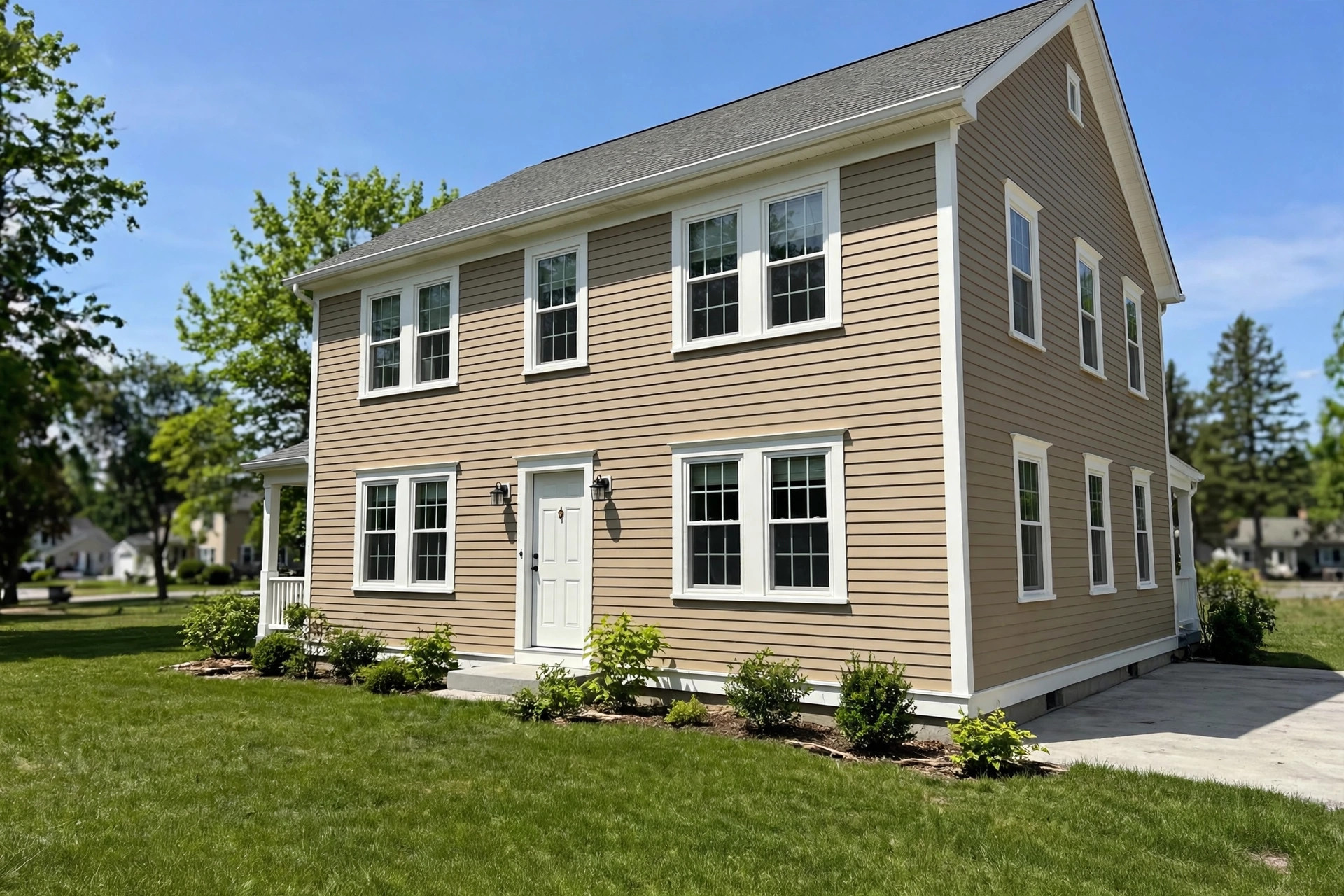
The national range for the exterior wood siding painting cost usa is wide. A small one-story home may cost $3,000 to $6,000. A large two-story home can cost $8,000 to $14,000 or more. Most homes fall somewhere in the middle, around $5,000 to $9,000.
Painters often price by the square foot of paintable surface. Typical rates run from $1.50 to $4.00 per square foot. This price includes labor and materials. The rate moves up or down based on several factors.
Size and Height of the Home
A bigger house needs more paint and more time. A ranch-style home with 1,500 square feet of siding costs less than a two-story colonial with 3,000 square feet. Height matters too. A second story needs ladders or scaffolding. Steep roof lines slow the work down. Homes over three stories may need special equipment.
Condition of the Existing Siding
This is one of the largest cost drivers. If the old paint is sound, the prep work is light. The crew washes, scrapes loose spots, sands rough edges, and primes bare areas. This is the cheapest path.
If the old paint is peeling in large sheets, the prep work grows. Crews may need to strip paint down to bare wood. They may need to fill holes and repair damaged boards. Rotten boards must be replaced before paint goes on. Heavy prep can add 30 to 50 percent to the total bill.
Type of Wood Siding
Different woods take paint in different ways. Cedar and redwood have natural oils. They need the right primer to hold paint well. Pine is soft and takes paint easily, but it can rot if not sealed well. Old clapboard, shingles, and board-and-batten each have their own quirks. Textured or rough-sawn siding drinks more paint than smooth siding. That adds to the material cost.
Number of Coats and Paint Quality
A one-coat job costs less up front. But two coats last far longer. Most paint makers call for two finish coats over primer for wood siding. The better paints cost more per gallon but hold their color and film strength for years. Cheap paint can fade and chalk quickly. The savings disappear when the job needs to be redone early.
Location and Labor Rates
Labor is the largest part of the bill. In areas with high wages, the same job costs more. Rural areas tend to be cheaper. Coastal and big-city markets tend to be higher. The time of year matters too. Painting crews are busiest in late spring and summer. Some contractors offer lower prices in the shoulder seasons when work is slow.
Types of Paint for Wood Siding
Choosing the right paint is as important as hiring the right painter. The wrong product can peel off wood siding in a single season.
Acrylic Latex Paint
Acrylic latex is the most common choice today. It flexes with the wood as it expands and contracts. It lets moisture vapor pass through, which helps prevent blistering. It cleans up with soap and water. Modern acrylic paints hold color well and resist mildew. For most homes, a 100 percent acrylic exterior paint is the best pick.
Oil-Based Paint
Oil-based paints were once the standard for wood siding. They soak into the wood and form a hard film. But they are stiff, so they can crack as wood moves. They also take a long time to dry and need mineral spirits for cleanup. Many states now limit their sale because of air quality rules. Few pros use them on siding today.
Solid-Color Stain
Solid stain looks like paint but sinks into the wood more. It is a good choice for rough or weathered siding. It hides grain and covers well. But it wears faster than paint and needs to be renewed more often. It can be a budget option when the siding is too rough for paint.
Paint Sheens for the Exterior
Flat and matte finishes hide surface flaws well. They are popular on older wood siding. Satin and low-luster finishes shed water better and clean more easily. Gloss is usually saved for trim and doors, not the whole body of the house. For siding, satin or low-luster is often the sweet spot.
Cost Breakdown: Where the Money Goes
A typical exterior paint job splits into a few main parts. Labor takes the largest share, often 70 to 80 percent of the total. Materials take 10 to 20 percent. The rest goes to prep supplies, equipment, and overhead.
For a 2,000-square-foot home, expect to use 15 to 25 gallons of paint, depending on the siding texture. Quality exterior paint runs $40 to $80 per gallon. Primer runs $30 to $60 per gallon. So materials alone can run $800 to $2,000.
Prep supplies add up. Caulk, wood filler, sandpaper, masking tape, plastic sheeting, and brushes all cost money. If boards need repair, lumber and new nails add to the bill. A few hundred dollars of supplies is normal.
Some homeowners think about doing the work themselves to save money. A do-it-yourself job can cut the cost in half. But it is hard, slow work. Painting a two-story house takes weeks for one person. The savings are real only if you value your time at zero. Still, for a small one-story home with sound siding, a careful DIY job is very doable.
How to Save Money Without Losing Quality
There are smart ways to lower the exterior wood siding painting cost usa homes carry. The first is timing. Get bids in the fall or early spring. Contractors have fewer jobs lined up and may sharpen their prices.
The second is to do some prep yourself. Wash the house. Trim back bushes and trees that touch the siding. Move patio furniture and grills away from the walls. Every hour of labor you do yourself is money saved.
The third is to keep the color close to the old one. A big color change may need an extra coat to cover well. Staying in the same color family can mean one less coat of paint.
The fourth is to ask about paint choices. Contractors often get trade discounts on major brands. A mid-grade paint from a top maker can give great results at a fair price. Ask the painter what they recommend and why. Guides from paint makers and testing groups can help you compare options before you talk to a contractor.
Finally, get everything in writing. A clear contract prevents surprise charges. It should spell out the prep steps, the products, the number of coats, the cleanup, and the payment schedule. Never pay the full amount up front. A common plan is a small deposit, a payment at the midpoint, and the balance when the work is done and you are satisfied.
Care and Upkeep After Painting
A new paint job needs care to last. Wash the siding once a year with a garden hose and a soft brush. This removes dirt and mildew before they can damage the paint film. Do not use a harsh pressure washer close to the surface. It can force water behind the siding and peel the paint.
Walk around the house each spring and fall. Look for cracks in the caulk, peeling near the bottom boards, and bare spots where water hits hard. Small fixes now prevent big repairs later. Keep a small can of the house color for touch-ups.
Keep bushes and trees trimmed back from the walls. Plants hold moisture against the siding. They also block air flow, which keeps walls damp longer after rain. Make sure gutters and downspouts work well. Water running down the siding is a top cause of paint failure.
Mildew is common in shady, damp spots. A mild bleach solution can clean it off. Rinse well after washing. If mildew keeps coming back, a paint with mildew resistance may help at the next repaint.
Safety During an Exterior Paint Job
Painting a house exterior has real risks. Ladder falls are the most common injury. Set ladders on firm, level ground. Keep three points of contact when climbing. Never stand on the top two rungs.
Older homes may have lead paint under the surface. Homes built before 1978 often do. Federal rules require special handling when lead paint is disturbed. Test before you scrape or sand. If lead is present, hire a contractor certified in lead-safe work practices. Children and pets must stay away from the work area.
Ventilation matters less outdoors than inside, but fumes can still build up in enclosed porches. Keep spray guns away from plants, cars, and neighbors’ property. Cover what you cannot move. Wear gloves, eye protection, and a dust mask or respirator when sanding or spraying.
Frequently Asked Questions
How often should wood siding be repainted?
Most wood siding needs a new paint job every seven to ten years. Harsh sun, heavy rain, and salt air can shorten that time. Mild climates can stretch it longer. Watch the paint itself rather than the calendar. When chalking, cracking, or peeling shows up, it is time.
What is the cheapest way to paint wood siding?
Doing it yourself with a mid-grade acrylic paint is the cheapest path. For hired work, the lowest bids come in the off-season. Keep the same color to save on coats. Make sure the low price does not come from skipped prep. A cheap job that fails in two years is the most expensive kind.
Does pressure washing damage wood siding?
It can if done wrong. A strong stream held too close can gouge soft wood and force water behind the boards. Use low pressure and keep the nozzle at least a foot away. Many pros wash with a soft brush and a hose for wood siding. When in doubt, hire the washing out to a company that knows wood.
Can I paint over old paint on wood siding?
Yes, if the old paint is sound. Wash it well, scrape any loose spots, sand the edges smooth, and prime any bare wood. Then apply two finish coats. If the old paint is peeling everywhere or there are many layers built up, stripping down to bare wood gives a better base.
How much paint do I need for a 2,000-square-foot house?
Plan on 15 to 25 gallons of finish paint, plus primer for bare spots. Rough siding soaks up more paint than smooth siding. Buy a little extra for touch-ups. Most paint stores will tint and return unopened gallons, so it is safe to overbuy slightly.
Is it better to spray or brush paint on wood siding?
Spraying is fast and gives a smooth coat on large flat areas. But sprayed paint is thin. Most pros back-brush or back-roll after spraying to work the paint into the wood. This pushes the paint into the grain and gives better adhesion. Brushing alone is slower but gives the best bond. A spray-and-back-brush method is the common pro approach.
A Short Final Word
The exterior wood siding painting cost usa homeowners pay comes down to size, condition, paint quality, and labor. A well-planned job is an investment, not just an expense. Good paint protects the wood. Good prep makes the paint last. A fair price with a clear contract keeps the project on track. Take the time to get bids, check references, and pick the right products. Your home will look better and stay stronger for years to come. For more ideas on painting projects around the house, see our guides on painting kitchen cabinets white cost usa, best paint for shutters reviews usa, and wall molding kits for dining room usa. You can also compare paint lines and color tools at Behr, Sherwin-Williams, and Benjamin Moore; read project how-tos at This Old House, Bob Vila, Family Handyman, and The Spruce; check product test results at Consumer Reports; find decor inspiration at HGTV; and review lead-safety rules at the EPA.
References
Behr. (n.d.). Paints, primers, and stains. https://www.behr.com Benjamin Moore. (n.d.). Paints and stains. https://www.benjaminmoore.com Bob Vila. (n.d.). Home improvement advice. https://www.bobvila.com Consumer Reports. (n.d.). Product reviews and ratings. https://www.consumerreports.org Family Handyman. (n.d.). DIY home repair and maintenance. https://www.familyhandyman.com HGTV. (n.d.). Home and garden ideas. https://www.hgtv.com Sherwin-Williams. (n.d.). Paints and coatings. https://www.sherwin-williams.com The Spruce. (n.d.). Home and garden advice. https://www.thespruce.com This Old House. (n.d.). Home renovation guidance. https://www.thisoldhouse.com U.S. Environmental Protection Agency. (n.d.). Protecting human health and the environment. https://www.epa.gov
Was this guide helpful?

About Lisa Anderson
The My Garden US editorial team writes practical, in-depth home and garden guides for American homeowners — tested advice, no fluff.
You May Also Like

Vinyl Siding Painting Cost per Square Foot: A Homeowner’s Guide
September 18, 2026 0 views
The Best Wood Filler for Trim Reviews USA: A Plain Guide to Smooth, Paint-Ready Repairs
July 26, 2026 0 views
Kitchen Cabinet Refinishing Service Cost USA
September 6, 2026 0 views