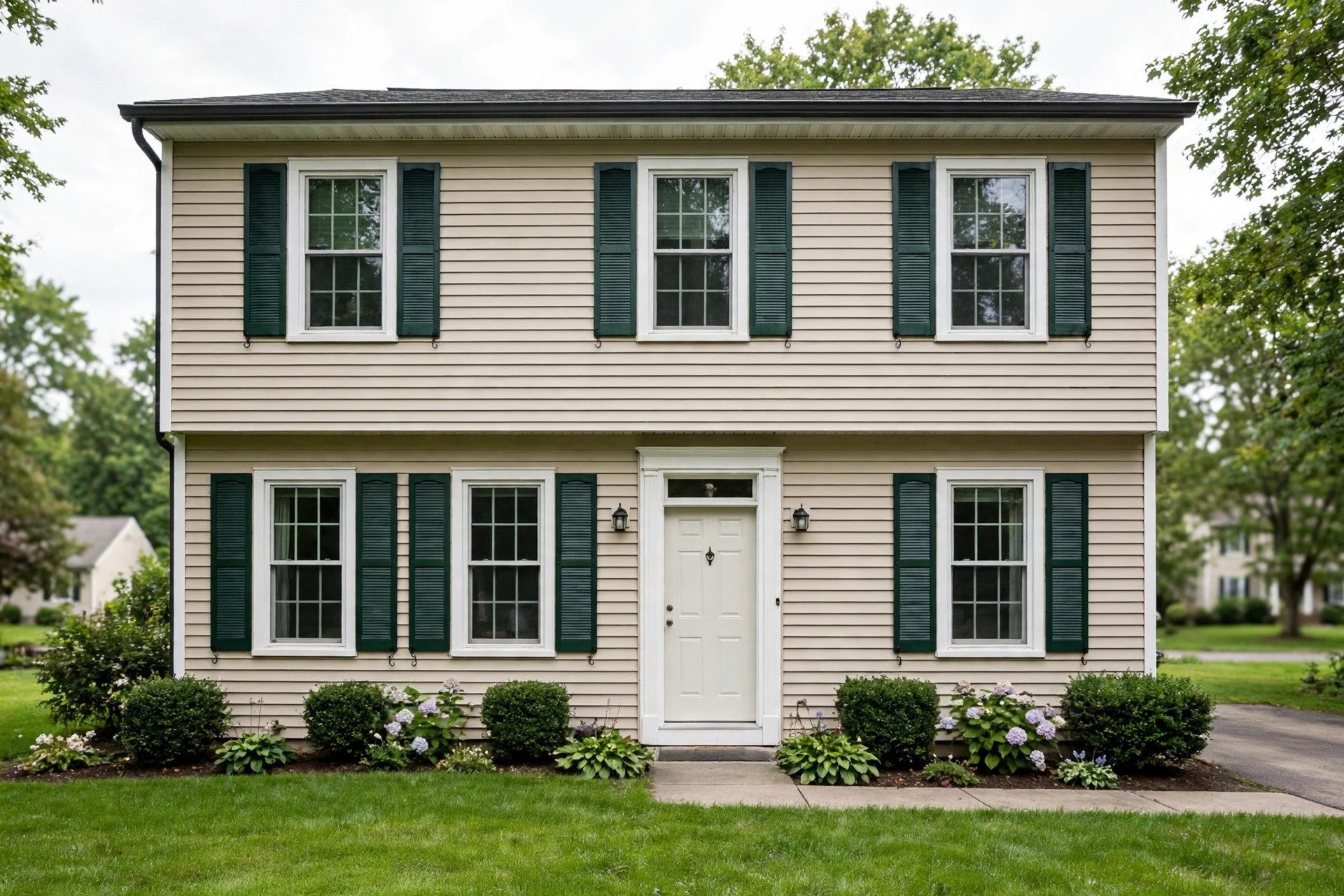

Shutters are small, but they shape the whole face of a house. A fresh coat of paint on shutters can make an old home look cared for again. It can also guard the wood or vinyl beneath from sun, rain, and wind. Many home owners start their search with the best paint for shutters reviews usa to see which brands hold up best in real yards and real weather. Reviews help, but a good choice starts with knowing what shutters need. This guide walks through paint types, surface prep, costs, and care, so your shutters look good for years.
Why the Right Paint Matters
Shutters take more abuse than most people expect. They sit on the outside of the house all day and all night. Sun hits them hard. Rain soaks them. In winter, ice and wind press against them. In summer, heat can bake paint until it cracks and peels.
Cheap paint fails first on shutters. It may look fine for one season. Then it fades. Then it chips at the edges. Wood shutters can rot under failed paint. Vinyl shutters can stain and warp when paint does not bond well.
Good paint does three jobs. It adds color. It seals the surface against water. It stands up to the sun without losing its shade. When painters and home owners share the best paint for shutters reviews usa, they look for these three things above all else.
A well painted set of shutters also raises the value of a home. Real estate agents call this curb appeal. Buyers form an opinion in the first seconds at the curb. Clean, rich shutters tell buyers the home has been kept up.
What to Look for When You Choose: Best Paint for Shutters Reviews Usa
Not every exterior paint works on shutters. The label must say it is made for exterior use. Interior paint will not survive outside. It will peel within a year.
Exterior Grade and Finish
Look for 100 percent acrylic latex paint. Acrylic bonds well to wood, fiberglass, and vinyl. It stays flexible in heat and cold. That flexibility matters, because shutters expand and shrink with the weather. Rigid oil based paint can crack when the surface moves.
Finish matters too. Most pros pick satin or semi gloss for shutters. These finishes shed water and dust. They also look rich next to the flat paint of the siding. Flat paint on shutters hides flaws, but it holds dirt and is harder to clean.
Fade Resistance
Dark colors fade fastest. A deep green or navy shutter can look washed out after two summers in strong sun. Brands such as Benjamin Moore and Sherwin-Williams publish fade resistance data for their exterior lines. When you read the best paint for shutters reviews usa, look for reviewers who report on color after two or three years, not just after one month.
Adhesion to Vinyl and Plastic
Many modern shutters are made of vinyl or molded plastic. Paint made only for wood may not grip these surfaces. Check the label. It should list vinyl, PVC, or plastic as an approved surface. Behr makes exterior paints that list vinyl among the approved surfaces, which helps home owners avoid a second coat when the first one peels.
Types of Paint for Shutters
You have a few main options. Each has strengths and weak points.
Acrylic Latex
Acrylic latex is the standard choice for most shutter jobs. It dries fast. It cleans up with water. It holds color well. It works on wood, primed metal, fiberglass, and vinyl rated for paint. For most American homes, this is the best starting point. Guides at The Spruce often rank acrylic latex first for exterior trim and shutters.
Alkyd and Oil Based Paint
Oil based and alkyd paints give a hard, smooth finish. They level well, so brush marks vanish. They stick to old, chalky surfaces better than latex in some cases. The down side is real. They take a full day to dry. They need mineral spirits for cleanup. Many states limit their use because of fumes. They also yellow over time, which shows on white shutters.
Paint and Primer in One
Some products claim to paint and prime in one step. They work on shutters that are already in fair shape. If your shutters have bare spots or heavy wear, use a real primer first. A separate primer grips the surface better than a combo product. For tips on priming inside the home, see our guide to the /best-primer-for-drywall-patches-usa/.
Spray Paint for Small Jobs
Spray cans suit small vinyl shutters or quick touch ups. They give an even coat with no brush marks. But cans cost more per square foot than a gallon of brush paint. They also drift in wind, so mask the siding well. For a full set of large shutters, brush or roller work is more thrifty.
How to Prep Shutters for Paint
Good prep decides the result. Paint cannot save a dirty or loose surface.
First, take the shutters off the house. Work on sawhorses or a flat drive. Painting in place leaves drips and misses the edges.
Wash the shutters with a mix of water and mild soap. A soft brush takes off dirt, pollen, and mildew. Rinse well. Let them dry fully, at least a day in dry weather.
Scrape off loose paint with a putty knife. Sand the surface with 80 grit paper, then smooth with 150 grit. Sanding gives the new paint a rough tooth to hold on to. Wipe off dust with a damp cloth.
Fill cracks and holes with exterior wood filler. Let it harden. Sand it flush. Prime bare wood and any repaired spots. A full primer coat is wise on old wood shutters. Step by step project guides from This Old House stress that prep is half the job.
Mask any hardware you do not want painted. Hinges and shutter dogs can be removed or taped. Keep paint out of the hinge pins so the shutters still move.
How to Apply the Paint
Pick a mild day. Paint between 50 and 85 degrees. Avoid direct noon sun. Paint dries too fast in harsh sun and leaves lap marks. Morning or late afternoon is best.
Stir the paint well. Do not shake the can. Shaking adds bubbles that show on the surface.
Use a quality brush with flagged tips, or a small foam roller for flat panels. Work from top to bottom. Brush out drips as you go. Louvered shutters are slow work. A small angled brush reaches between the slats.
Apply two thin coats, not one thick coat. Thin coats dry even and bond well. Thick coats sag and peel later. Wait for the time the label states between coats. Most acrylics need four hours.
Let the shutters cure for a day or two before you hang them back up. The paint may feel dry in hours, but full hardness takes longer.
Cost and Price
Painting shutters is one of the cheapest exterior upgrades. A gallon of good exterior acrylic paint costs between 40 and 70 dollars at stores like Home Depot and Lowe’s. One gallon covers a full set of shutters on most homes, often with paint left over.
Supplies add up. A good brush costs 12 to 20 dollars. Sandpaper, filler, painter tape, and drop cloths add another 20 to 40 dollars. Primer, if needed, runs 25 to 45 dollars a gallon.
If you hire a painter, expect 150 to 400 dollars for a full house of shutters, based on size and condition. Prep work is the main cost driver. A crew charges more when old paint must be stripped.
The money goes far. New shutters can cost 100 to 300 dollars per pair. Paint gives most of that fresh look for a fraction of the price.
Care and Upkeep
Painted shutters need little care. Wash them once a year with a garden hose and soft brush. This removes pollen and grime that dull the color. Avoid high pressure washers. They can force water under the paint film.
Check each spring for chips and cracks. Touch up small spots right away. A small brush and leftover paint handle this in minutes. Catching damage early keeps water out of the wood.
Trim back bushes and vines. Plants hold moisture against shutters. They also scratch the paint in wind. Keep a few inches of air between leaves and wood.
Dark colors may need a fresh coat every five to seven years. Light colors can last eight to ten years with good prep. Sun exposure decides the schedule. South facing shutters wear faster.
When you repaint, you rarely need to strip to bare wood. A good wash, light sand, and spot prime are enough if the old paint still bonds. Advice from Bob Vila notes that most repaint jobs fail from poor cleaning, not from old paint layers.
Safety
Exterior paint is safe when used with care. Work in fresh air. Fumes build up in garages and sheds, so paint outside when you can.
Wear gloves and eye protection when sanding. Old paint may contain lead if the house dates before 1978. If you suspect lead, test first. Lead dust is a real health risk. The EPA rules on lead safe work apply to homes of that age.
Keep paint away from children and pets until it dries. Store cans sealed and out of reach. Read the label for cleanup rules. Never pour paint down a storm drain. Many towns take old paint at hazardous waste days. Decorating ideas and safe project tips also appear in the home section of HGTV.
FAQ
How many coats of paint do shutters need?
Two thin coats over primer is the standard. The primer counts as the bond layer. Two color coats give even depth and full sun protection. One coat looks thin and wears fast.
Can I paint vinyl shutters?
Yes, if the paint lists vinyl as an approved surface and the color is lighter than the old one. Dark paint on vinyl can cause heat warping in strong sun. Some makers warn against dark colors on vinyl. Follow the label.
Should shutters match the front door?
They do not have to match, but they should belong to the same color family. A deep green shutter with a black door looks classic. A navy shutter with a red door can clash. Test paint chips on the house in morning and evening light before you buy.
How long does it take to paint a full set of shutters?
Most home owners finish in one weekend. Saturday is prep day: remove, wash, scrape, sand, and prime. Sunday is paint day: two coats with dry time between. Hanging them back up takes less than an hour.
What is the best time of year to paint shutters?
Late spring and early fall are best in most of the country. Days are mild and dry. Summer heat can make paint dry too fast. Winter cold stops paint from curing. Check the label for the lowest safe temperature.
Does flat vs eggshell matter on shutters?
Yes. Eggshell and satin clean better and resist water. Flat paint looks soft but holds dirt. For a full look at sheen choices for inside walls, read our piece on /flat-vs-eggshell-paint-for-walls-usa/. Outside, satin or semi gloss wins for shutters.
Final Word
The best paint for shutters reviews usa can point you to good brands, but your prep work decides the result. Choose a 100 percent acrylic exterior paint in satin or semi gloss. Clean, sand, and prime before you paint. Apply two thin coats on a mild day. Take care of the finish with a yearly wash. Follow these steps and your shutters will hold their color and guard your home for many years. For more exterior ideas, our guide to the /best-exterior-paint-for-stucco-homes-usa/ covers larger surfaces with the same care.
References
Behr. (n.d.). Paints, primers, and stains. https://www.behr.com Benjamin Moore. (n.d.). Paints and stains. https://www.benjaminmoore.com Bob Vila. (n.d.). Home improvement advice. https://www.bobvila.com HGTV. (n.d.). Home and garden ideas. https://www.hgtv.com Lowe’s. (n.d.). Home improvement products. https://www.lowes.com Sherwin-Williams. (n.d.). Paints and coatings. https://www.sherwin-williams.com The Home Depot. (n.d.). Home improvement products. https://www.homedepot.com The Spruce. (n.d.). Home and garden advice. https://www.thespruce.com This Old House. (n.d.). Home renovation guidance. https://www.thisoldhouse.com
Was this guide helpful?

About Jennifer Lee
The My Garden US editorial team writes practical, in-depth home and garden guides for American homeowners — tested advice, no fluff.
You May Also Like

Garage Wall Paint Ideas for Workshops USA: Colors That Work Hard
April 26, 2026 0 views
How to Use a Two Story House Painting Cost Calculator USA Homeowners Trust
February 24, 2026 0 views
Popcorn Ceiling Removal Cost Near Me: A Plain Guide for American Homeowners
January 23, 2026 0 views