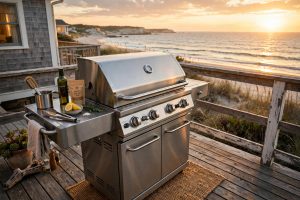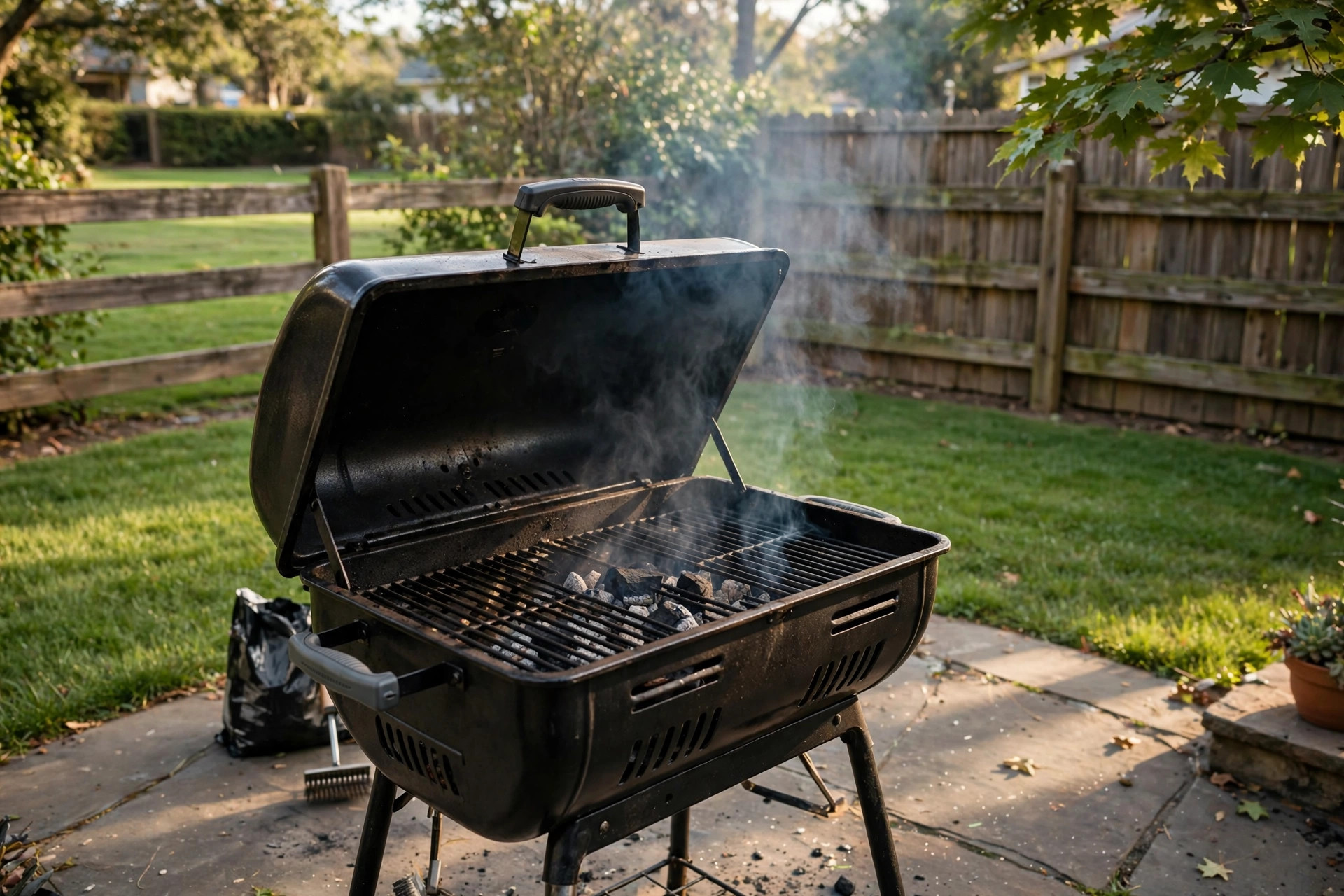

Many home cooks want one cooker that can do two jobs. They want the best grill for smoking and grilling, so they can sear a steak at high heat on Saturday and smoke ribs low and slow on Sunday. It is a fair wish. A single grill that does both saves money, space, and time. But no one grill is right for every home. Your choice depends on your budget, your fuel, and how often you cook. This guide walks through what to look for, the main types on the market, what they cost, and how to care for them. You will learn how heat and smoke work inside different cookers. You will also learn basic care and safety that keep a grill working for years.
Why a Grill That Does Both Makes Sense
Grilling and smoking are two very different ways of cooking. Grilling uses direct heat, high and fast. A steak may need only a few minutes per side. Smoking uses indirect heat, low and slow. A pork shoulder may need ten hours or more. Many people enjoy both styles of food. That is why a dual-purpose grill is so popular.
Owning two separate cookers costs more. It also takes up more space on a patio or deck. One well-chosen unit can give you most of the benefits of both. A kettle charcoal grill, a pellet grill, or a kamado can sear and smoke. Each does it in its own way. The best grill for smoking and grilling in your case is the one that fits your habits. Think about how often you cook. Think about how much time you want to spend tending a fire. Think about the fuel you prefer. Charcoal gives a classic smoke taste. Gas gives speed and ease. Wood pellets give steady smoke with little work.
A dual grill also makes learning easier. You learn one set of vents, one grate system, one way of cleaning. Your cooking gets better faster. And when friends come over, you can grill burgers while a rack of ribs smokes nearby on the same unit. That kind of flexibility is hard to beat.
What to Look for When You Choose: Best Grill for Smoking and Grilling
Temperature Control
Good control of heat is the most important trait. For smoking, a grill must hold a low temperature, around 225 to 250 degrees, for many hours. For grilling, it must reach 450 degrees or more. Look for tight lids, adjustable vents, and thick walls. Thin metal loses heat fast. Thick metal holds it. A good built-in thermometer helps, though a separate digital thermometer is often more exact.
Cooking Space
Grates are measured in square inches. A family of four can do well with 350 to 500 square inches. If you host parties, look for more. For smoking, height matters too. Tall ribs and whole chickens need room under the lid. Two-tier racks add space without a bigger footprint.
Build Quality
Steel thickness, weld quality, and lid fit all matter. A heavy lid seals in smoke. Cheap thin grills leak heat and wear out in a season or two. Cast iron or porcelain-coated grates last long and give good sear marks. Stainless steel parts resist rust. Check reviews from groups like Consumer Reports before you buy.
Fuel Type
Charcoal grills cost less and give strong smoke flavor. Gas grills light fast and are easy to control. Pellet grills use wood pellets and an electric auger to feed the fire. They hold low temperatures on their own. Kamado grills use lump charcoal in a thick ceramic shell. They are superb at both searing and smoking but cost more. Pick the fuel that fits your life. If you work long days, a pellet or gas unit may suit you best. If you love tending a fire, charcoal or a kamado may make you happy.
Ease of Cleaning
Ash builds up in charcoal grills and must be removed. Grease collects in every grill and can cause flare-ups. Look for removable ash pans, grease trays, and easy-access grates. If cleaning sounds like too much work, you can also hire professional grill cleaning in your area once a year.
The Main Types of Grills for Smoking and Grilling
Charcoal Kettle Grills
The kettle is the classic American grill. It is round, with a lid and lower vents. It sears well over direct coals. For smoking, you bank the coals to one side and cook on the other. This is called indirect cooking. A kettle is cheap, light, and simple. Its limits are space and long cook times. Holding a low temperature for eight hours takes practice. Brands like Weber set the standard for this style.
Pellet Grills
Pellet grills burn small wood pellets. An electric auger feeds them into a fire pot. A controller holds your set temperature. This makes smoking nearly hands-off. Most pellet grills can also grill, though their top heat is lower than charcoal or gas. Some newer models have a direct-flame sear zone. Pellet grills need an outlet and regular pellet purchases. Traeger is the best-known maker in this space.
Kamado Grills
A kamado is an egg-shaped ceramic cooker. Its thick walls hold heat for a very long time. It can sear at 700 degrees and smoke at 225 degrees with ease. It uses lump charcoal. Kamados are heavy and costly. They also need care, since ceramic can crack if dropped. The Big Green Egg is the famous example. For many cooks, a kamado is the best grill for smoking and grilling in one unit.
Gas Grills with a Smoker Box
Gas grills are fast and simple. Most are made for direct grilling. To smoke on one, you add a smoker box filled with wood chips. The box sits over a burner and releases smoke. This works for short smokes, like fish or chicken. It is less ideal for long smokes, since chip boxes burn out fast. Makers like Napoleon and Broil King build gas grills with good heat control and room for a box.
Offset and Vertical Smokers
These units are built mainly for smoking. An offset has a firebox on the side. Heat and smoke flow across the cooking chamber. They give deep smoke flavor. They are poor at high-heat grilling. A vertical or bullet smoker is compact and cheap but also cannot sear. If smoking is your main goal, these are fine. If you want both, pair one with a simple grill or pick a different type.
Combination Grill and Smoker Units
Some makers sell units with a grill on one side and a smoker on the other. Char-Broil offers several combo models. These give you both jobs in one frame. They take up more space and need more cleaning. For a large patio and a serious cook, they can be a good fit.
You can find buying guides and recipe ideas on sites like The Spruce Eats and compare models at retailers such as The Home Depot before you decide.
Cost and Price: What to Expect
Prices vary widely. A basic charcoal kettle costs under one hundred dollars. A mid-range gas grill costs three hundred to seven hundred dollars. Pellet grills often run from five hundred to over one thousand dollars. Kamado grills start around seven hundred dollars and can pass one thousand five hundred. Combo units fall in the mid to high range.
Do not forget the running costs. Charcoal, propane, and pellets all add up over a season. Lump charcoal costs more than briquettes. A full propane tank lasts about eighteen to twenty hours of cooking. A forty-pound bag of pellets lasts roughly twenty hours of smoking. Covers, thermometers, and tools add to the total. A good cover is worth the money. It keeps rain off the metal and doubles the life of the grill.
Buy the best build you can afford. A well-made grill lasts ten years or more. A cheap one may rust through in two. Over time, the better grill costs less per year.
Care and Upkeep
Clean grates after each cook. Brush them while they are still warm. Burnt food comes off easier with heat. Empty ash from charcoal grills after every use. Cold ash holds moisture and causes rust. Empty grease trays often. Old grease can catch fire.
Once a year, do a deep clean. Remove the grates and wash them with warm soapy water. Scrape the inside of the lid and bowl. Check burners on gas grills for clogs. Spiders like to nest in burner tubes. Check wheels, handles, and vents for wear. Store the grill under a cover. If you must store it in the open, tilt the cover so water runs off.
Fish is a good test of clean grates. If you want to learn how to keep salmon skin from sticking, start with hot, oiled, clean grates. Dirty grates cause sticking and off flavors.
Safety
Grills are safe when used with care. Always cook outside. Never use a charcoal grill in a garage or under a low roof. Charcoal gives off carbon monoxide, a gas you cannot see or smell. Keep the grill at least ten feet from the house, deck rails, and trees.
Keep a spray bottle of water nearby for small flare-ups. Keep a fire extinguisher within reach for larger ones. Never leave a lit grill alone. Keep children and pets away from the hot unit. Let coals cool fully before you throw them away. Soak used coals in water first. For gas grills, check hoses for cracks each spring. Open the lid before you light the gas. This lets built-up gas escape.
When smoking, watch the internal temperature of the meat, not just the grill. Poultry must reach a safe internal temperature. Use a good meat thermometer. Wash your hands and tools after touching raw meat. These simple steps prevent most accidents.
Frequently Asked Questions
Can one grill really both smoke and grill well?
Yes, with limits. Kamado, pellet, and kettle grills can do both. None is perfect at both jobs. A kamado sears and smokes very well. A pellet grill smokes with ease but sears less fiercely. A kettle does both at a low price but needs more skill. Pick based on which job matters most to you.
Which fuel gives the best smoke flavor?
Charcoal and wood give the strongest smoke taste. Lump charcoal with wood chunks gives deep flavor. Pellets give a milder, cleaner smoke. Gas gives the least smoke, even with a chip box. If flavor is your top goal, choose charcoal or wood.
How long does it take to smoke ribs or a brisket?
Baby back ribs take about five to six hours at 225 degrees. A full brisket can take ten to fourteen hours. A pork shoulder takes a similar time. Plan ahead. Start early in the morning. Keep a meat thermometer in the thickest part. Meat is done when it reaches the right internal temperature, not when the clock says so.
Do I need a separate smoker box for a gas grill?
Yes, for real smoke flavor. A smoker box holds wood chips over the burner. Fill it with soaked chips for longer smoke. Refill it as needed. Some cooks use a foil pouch of chips with holes poked in it. It works, but a metal box lasts longer and is safer.
What size grill do I need for a family?
For a family of four, look for about 400 to 550 square inches of cooking space. This fits a dozen burgers or a whole chicken with room to spare. If you smoke large cuts like brisket, check the grate depth too. You need room for the meat to lie flat without touching the lid.
Can I smoke duck on a pellet grill?
Yes. Duck takes well to smoke. A pellet grill holds the low steady heat that duck needs. Brine the bird first for moist meat. If you want step-by-step help, see this guide to smoke duck on a pellet grill.
A Final Word
The best grill for smoking and grilling is the one you will use often and enjoy. A costly kamado does you no good if it sits under a cover all year. A simple kettle used every weekend beats it. Be honest about your time, your budget, and your fuel. Read reviews. Visit a store and lift the lid. Feel the weight. Check the vents. Then cook. Your first smoke may not be perfect. That is fine. Every cook teaches you something. In time, your grill will feel like an old friend, and your food will show it.
References
Big Green Egg. (n.d.). Kamado grills and outdoor cooking. https://www.biggreenegg.com Broil King. (n.d.). Gas and charcoal grills. https://www.broilkingbbq.com Char-Broil. (n.d.). Gas and charcoal grills. https://www.charbroil.com Consumer Reports. (n.d.). Product reviews and ratings. https://www.consumerreports.org Napoleon. (n.d.). Fireplaces, grills, and heating products. https://www.napoleon.com The Home Depot. (n.d.). Home improvement products. https://www.homedepot.com The Spruce Eats. (n.d.). Recipes and cooking guides. https://www.thespruceeats.com Traeger. (n.d.). Wood pellet grills. https://www.traeger.com Weber. (n.d.). Grills and outdoor cooking. https://www.weber.com
Was this guide helpful?

About Michael Thompson
The My Garden US editorial team writes practical, in-depth home and garden guides for American homeowners — tested advice, no fluff.
You May Also Like
Pellet Grill Grease Fire Prevention Tips for Safe Backyard Cooking
July 20, 2026 0 views
The Best BBQ for Birthday Party Backyard Cookouts
January 5, 2026 0 views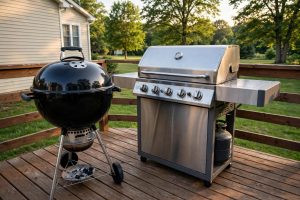
Charcoal vs Gas Grill Cost Comparison: What Your Backyard Cookouts Really Cost
September 28, 2026 0 views