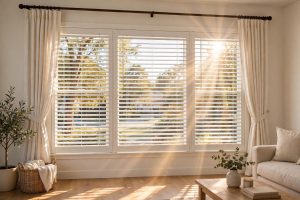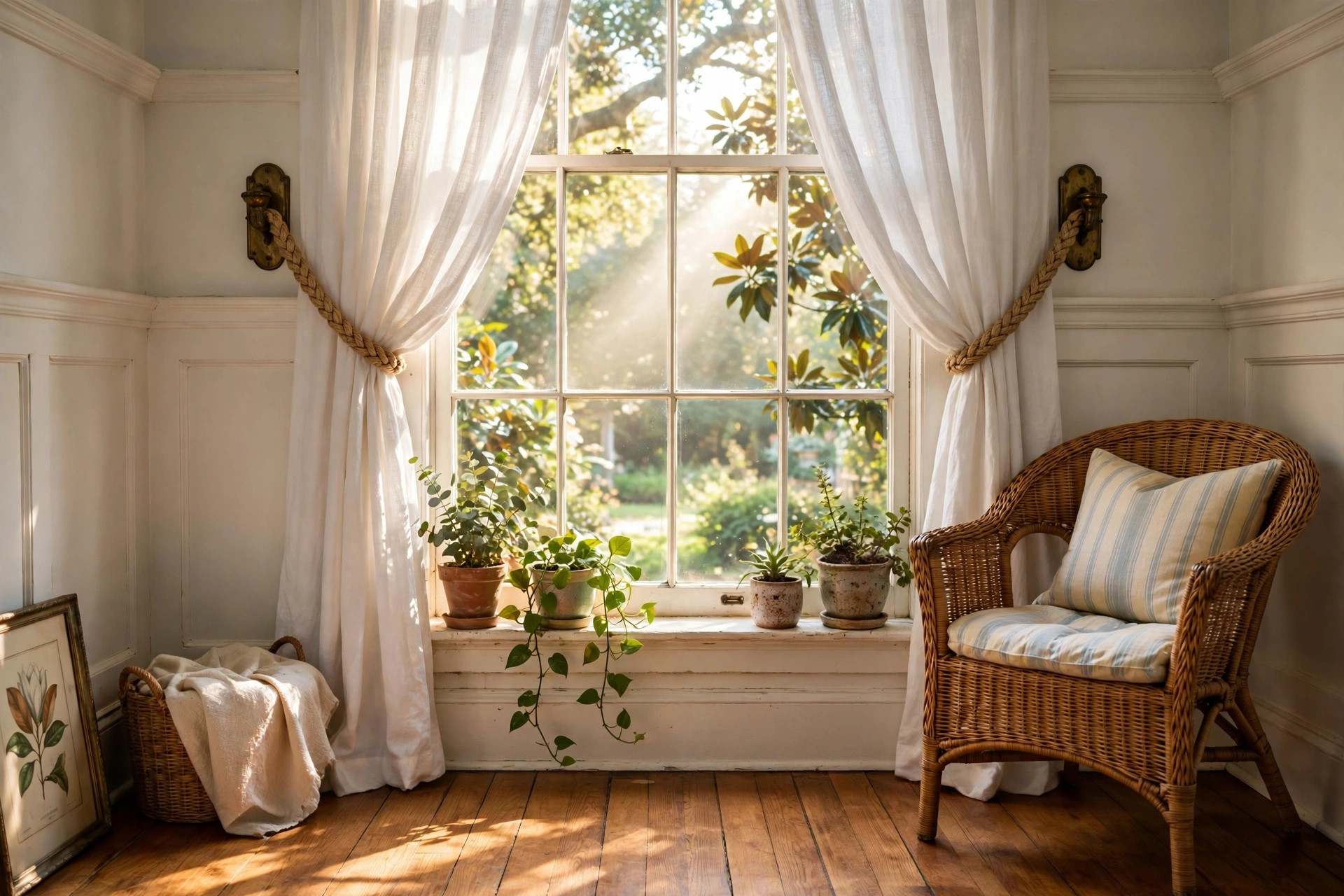
Life below the Mason-Dixon line has its own pace, and its windows have their own needs. Custom curtain tiebacks and holdbacks for southern states do more than decorate a room. They hold heavy drapes back from the glass so air can move, light can enter, and the cooling system does not work harder than it must. They also give a room that finished southern look, from the porches of Charleston to the farmhouses of Texas.
A tieback is a cord, rope, fabric band, or metal hook that gathers a curtain panel to one side. A holdback is the wall-mounted hook or knob that keeps it in place. Custom pieces are made to fit your window, your fabric, and your home. Off the shelf sets serve a purpose, but they rarely match the wide windows, high ceilings, and thick drapes common in southern homes.
This guide explains why custom work matters in warm states, what materials stand up to heat and humidity, how to choose a style that suits your home, what prices to expect, and how to keep your hardware looking fine for years.
Why Custom Tiebacks Matter in Southern Homes
Heat and Strong Sunlight
The South gets more direct sun than most parts of the country, and it gets it for more months of the year. When drapes hang closed over the glass, heat builds up between the fabric and the window. The room grows warm, and the air conditioner runs longer.
A well-placed tieback pulls the panel clear of the glass. Air can pass behind the drape. Sunlight still lights the room, but less heat gets trapped. Over a long summer, that small change adds up in comfort and in cooling bills.
Humidity and Moisture
Gulf air and summer storms bring heavy moisture. Damp fabric drapes can develop mildew where they bunch against a wall or press against glass. Holdbacks keep panels off the wall and away from condensation on the glass. They also make it easier to reach the fabric for a quick shake or a wash.
Tall Windows and Wide Porches
Southern homes often have tall double-hung windows, transoms, and glass doors that open to porches. Panels for these windows are long and heavy. A single standard tieback set may not gather them safely. Custom tiebacks are sized for the fullness of the drape and the height of the window, so the fabric stays in place even when a ceiling fan runs at full speed.
The Southern Style Tradition
The South has a long tradition of finished window dressing. Homes in Savannah, New Orleans, and San Antonio have used rope tiebacks, tassel trims, and brass hooks for generations. Southern Living has covered these classic looks for decades, and they still suit modern rooms. A custom piece lets you nod to that tradition with materials and finishes that match your own house.
Types of Custom Tiebacks and Holdbacks: Custom Curtain Tiebacks and Holdbacks for Southern States
Rope and Cord Tiebacks
Braided rope is the classic southern choice. It suits plantation shutters, wicker furniture, and pine floors. Makers braid cotton, jute, or silk-blend cord to the length you need and finish the ends with tassels or wooden beads. Rope works best with medium-weight drapes. It can stretch under very heavy panels, so it suits linen, cotton, and light velvet rather than thick thermal drapes.
Tassel and Beaded Tiebacks
Tassels bring a formal note to a room. A single tassel pair can lift a plain drape from simple to dressed. Beaded tiebacks use glass, wood, or clay beads on a strong cord. They catch the light and suit bedrooms and dining rooms. Makers can match bead colors to your fabric or to other metals in the room.
Fabric Tiebacks
A band of the same fabric as the drape, or of a contrast fabric, is a quiet and tailored choice. The maker cuts it to length, lines it, and adds a stiffener so it holds its shape. Fabric bands suit modern southern homes and casual farmhouse rooms. They wash well, which matters in a dusty or humid house.
Metal Holdbacks
Holdbacks that mount to the wall come in brass, bronze, iron, and nickel. Wrought iron suits rustic and coastal homes. Polished brass suits traditional rooms. The hook must be strong enough to hold the gathered panel, and the mounting plate must sit flat on the wall or trim. For masonry or plaster walls common in older southern homes, the installer should use the right anchors.
Magnetic and Crystal Styles
Magnetic tiebacks wrap around the drape and click together. They need no wall hardware, which suits renters and historic homes where you do not want to drill. Crystal and glass holdbacks add sparkle near windows that catch morning light. They are pretty, but they can chip, so they suit rooms where children and pets do not roughhouse.
Materials That Stand Up to Southern Weather
Metals and Finishes
Humidity attacks bare metal. Look for powder-coated iron, lacquered brass, and bronze with a sealed finish. Unlacquered brass will patina, which some homeowners love and others do not. Stainless steel and nickel resist rust well. If your home sits near the coast, ask the maker about salt-air resistance, since salt speeds corrosion. Hardware guides at The Spruce often cover finish care for humid climates.
Woods and Natural Fibers
Teak, mahogany, and sealed oak hold up better than soft pine in damp air. Jute and sisal rope give a coastal feel but can absorb moisture, so keep them out of bathrooms and unventilated sunrooms. A maker can seal wooden parts with a clear coat to slow moisture damage.
Fabrics and Trims
Sun fades dye fast in the South. Ask for fade-resistant thread and tassels rated for sun exposure. Linen blends and cotton duck make sturdy fabric bands. Avoid silk in rooms with strong afternoon sun, since it breaks down faster. Cleaning advice from Country Living can help you match trim care to your fabric.
How to Choose the Right Style
Match Your Home’s Character
A Charleston single house with heart-pine floors wants something different from a new build outside Austin. Look at the metals already in your room: door knobs, lamp bases, picture frames. A holdback in a matching finish ties the room together. Design inspiration from HGTV shows how small hardware choices shape a whole room.
Measure First
Custom work starts with good numbers. Measure the width of each gathered panel, the height where the tieback will sit, and the distance from the wall to the front of the drape. The rule most workrooms use: place the tieback about two-thirds of the way down from the top of the window, but adjust for tall windows and for furniture below. Room tours on Apartment Therapy often show this placement in real homes.
Think About Function
Ask yourself three questions. Do you open and close the drapes daily? Then choose a sturdy hook and a tieback that releases fast. Do pets or children tug the curtains? Then avoid glass beads and choose strong cord. Do you run ceiling fans near the window? Then make sure the gathered panel clears the fan’s draft, or the drapes will sway and the holdback will take the strain.
For more ideas on matching window hardware to regional needs, see our guide to top rated valances for windows for southern states.
Cost and Price Expectations
Custom work costs more than store sets, and the range is wide. Simple cotton rope pairs from a local workroom often start near twenty to forty dollars a pair. Braided silk-blend cord with tassels can run sixty to one hundred fifty dollars a pair. Hand-forged iron or carved wood holdbacks with wall mounts often cost forty to one hundred dollars each, before installation.
Installation adds cost if you hire it out. A handyman can mount most holdbacks in under an hour per window, but plaster, brick, and concrete walls take longer. If you are handy, most holdbacks mount with two screws and a wall anchor. Project cost guides from Bob Vila give a sense of typical handyman rates by region.
Shopping notes: retailers such as Wayfair and Home Depot carry semi-custom and ready-made sets that can serve as a stopgap or as a base the workroom can alter. Specialty curtain shops listed through Blinds.com can point you to local workrooms for fully custom pieces. Our companion article on the custom curtain tiebacks and holdbacks buying guide walks through questions to ask a maker before you order. If you want to shop ready-made sets first, read buy curtain tiebacks and holdbacks online in florida for online buying tips that apply across the South.
Care and Upkeep
Cleaning Fabric and Rope Tiebacks
Vacuum fabric and rope tiebacks with a brush attachment once a month. Southern dust is fine and gets everywhere. Spot clean with a mild soap solution and let the piece dry fully before rehanging. Machine-washable fabric bands can go through a gentle cycle, but air dry them to keep their shape.
Caring for Metal Holdbacks
Wipe metal with a dry cloth to remove dust and salt film. In coastal homes, wipe monthly. Check the screws once a year; wood trim expands and contracts with humidity, and screws can loosen. Tighten gently. If a finish chips, touch it up with a matching metal paint to keep moisture out of the bare spot.
Seasonal Checks
Before summer, check that each tieback still gathers the full panel and that holdbacks sit firm in the wall. Before storm season, make sure outdoor-facing windows close and lock properly; no tieback replaces a good window seal. After a humid spell, sniff fabric bands for mildew and wash any that smell musty.
Safety
Cord Safety Around Children and Pets
Long cords near a window can be a hazard for small children and pets. Keep tieback cords short enough that they cannot form a loop a child could reach. The CPSC publishes window covering safety guidance that every household with young children should read. Tiebacks that mount high on the wall, out of reach, are the safest choice in a nursery or playroom.
Secure Mounting
A heavy drape can pull a weak mount out of drywall. Use anchors rated for the weight, and mount into a stud or solid trim when you can. If you are unsure, hire a handyman. A holdback that falls can dent a floor or break a toe.
Heat Near the Glass
In rooms with strong west sun, the glass and the wall beside it can get hot. Do not let synthetic rope or plastic parts rest against hot glass for long periods. Choose heat-tolerant materials for sun-blasted windows.
Frequently Asked Questions
What is the difference between a tieback and a holdback?
A tieback is the band, rope, or cord that gathers the curtain panel. A holdback is the hook or knob mounted on the wall that the tieback loops around. Most setups use both together. Some magnetic tiebacks need no wall hook at all.
Why buy custom instead of ready-made?
Custom pieces fit your exact window size, drape fullness, and room style. Ready-made sets come in standard lengths that may not gather a wide southern window panel fully. Custom work also lets you pick humidity-proof materials and finishes that match your home.
How high should I place the tieback on the window?
Most workrooms start at about two-thirds down from the top of the window frame. For very tall windows, a slightly lower placement looks better. Hold it in place and step back to look before you drill. Live with a pinned position for a day if you can.
Which materials last longest in humid southern air?
Sealed metals such as powder-coated iron, lacquered brass, and nickel do well. Sealed hardwoods resist moisture better than soft woods. Fade-resistant synthetic cord outlasts silk in strong sun. Near the coast, choose hardware rated for salt air.
Can I install holdbacks myself?
Most homeowners can. You need a drill, a level, a pencil, and the right wall anchors for your wall type. Mount into trim or a stud for the strongest hold. If your walls are old plaster or brick, or if the drapes are very heavy, a handyman is worth the cost.
How do I keep light-colored tiebacks from looking dingy?
Dust them monthly and wash fabric bands each season. Keep them out of direct cooking grease and cigarette smoke, which stain fastest. A fabric protector spray, reapplied yearly, helps rope and cotton resist stains.
A Short Final Word
Windows are the eyes of a southern home, and they deserve a proper frame. Custom curtain tiebacks and holdbacks for southern states give you control over light, air, and style in one small piece of hardware. Measure well, pick materials that respect the climate, and mount them with care. The result is a room that feels finished, stays cooler, and carries a little of the South’s easy grace.
References
Apartment Therapy. (n.d.). Home design ideas and inspiration. https://www.apartmenttherapy.com Blinds.com. (n.d.). Window blinds, shades, and shutters. https://www.blinds.com Bob Vila. (n.d.). Home improvement advice. https://www.bobvila.com Country Living. (n.d.). Country home and lifestyle. https://www.countryliving.com HGTV. (n.d.). Home and garden ideas. https://www.hgtv.com Southern Living. (n.d.). Southern lifestyle and home. https://www.southernliving.com The Home Depot. (n.d.). Home improvement products. https://www.homedepot.com The Spruce. (n.d.). Home and garden advice. https://www.thespruce.com U.S. Consumer Product Safety Commission. (n.d.). Product safety information. https://www.cpsc.gov Wayfair. (n.d.). Furniture and home goods. https://www.wayfair.com
Was this guide helpful?

About Sarah Mitchell
The My Garden US editorial team writes practical, in-depth home and garden guides for American homeowners — tested advice, no fluff.