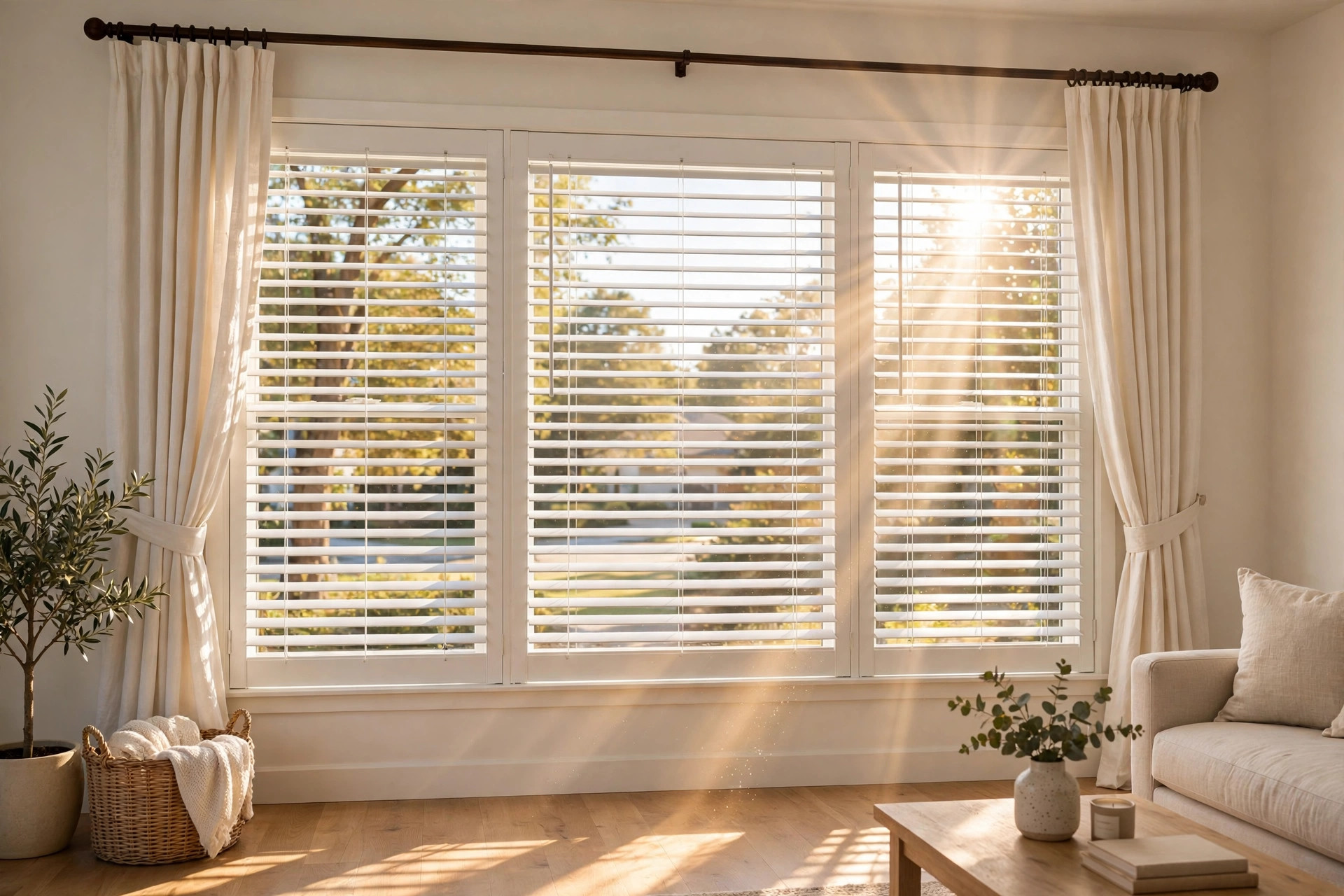

Most people type the words best window treatment installation services near me into a search bar at the same moment. The new blinds are sitting in a box on the floor. The instructions look long. The window frames do not look square. A professional installer starts to sound like a good idea. This guide explains how to find that installer, what the work should cost, which window treatments fit which rooms, and how to keep them in good shape for years.
Why Professional Installation Matters
A window treatment is any cover for a window. Blinds, shades, shutters, curtains, drapes, and valances all count. The best product in the store will still look wrong if it hangs crooked. A blind that is cut a quarter of an inch too wide will not slide into the frame. A curtain rod set too low will make a tall window look short.
Professional installers measure twice before they order. They know how to handle out-of-square frames, deep sills, and wide patio doors. They carry the right anchors for drywall, plaster, wood, and concrete. Most finish a whole house in a single visit. Many also repair old treatments, so you do not need to buy new ones when a cord breaks or a slat bends.
There is another reason to hire help. Tall windows, wide sliders, and windows above stairwells are hard and sometimes unsafe for one person on a ladder. An installer with a partner and the right gear does the job in less time and with less risk.
How to Find the Best Window Treatment Installation Services Near Me
Start With Local Reviews and Referrals
Ask neighbors, friends, and family who has done work on their windows. A name that comes up twice is worth more than ten ads. Check online review sites too. Look for installers with steady reviews across many months, not a burst of new ones in a single week.
Local stores can help. Many home improvement stores keep lists of installers who work in the area. Fabric stores and blinds specialists often give free in-home consultations. Some send a designer to your house with samples, which saves you a trip across town with curtain swatches.
Check Credentials and Experience
Ask how long the company has installed window treatments. Five years of steady work is a good sign. Ask whether the workers are employees or day laborers. Employees are usually trained the same way, and the company stands behind them.
Ask about insurance. A real business carries liability insurance. If a ladder falls and breaks a window, you should not pay for it twice. Ask whether the work is guaranteed. Many good installers will come back at no charge if a mount loosens in the first year.
Get Three Written Quotes
Call at least three services. Each should send someone to see your windows before giving a final price. Phone quotes for jobs with ten windows are guesses, not promises. A written quote should list each window, the product, the mount type, and the total labor cost.
Be wary of the lowest bid. A quote far below the others may leave out disposal of old blinds, travel fees, or return visits. The middle quote is often the honest one.
Types of Window Treatments and Where They Fit
Blinds
Blinds have slats that tilt to control light. Wood blinds look warm and suit living rooms and studies. Faux wood blinds look close to real wood but hold up better in humid rooms like kitchens and baths. Aluminum mini blinds cost the least and work well in offices and rental units.
Blinds need careful measuring. An inside mount sits within the frame and needs a flat surface at least two inches deep. An outside mount covers the trim and can hide a crooked frame. Installers choose based on the window and the look you want. For detailed buying advice, guides from The Spruce compare slat sizes and materials side by side.
Shades
Shades are made of fabric, vinyl, or natural fiber that rolls, folds, or stacks. Roller shades are simple and clean. Cellular shades have honeycomb pockets that trap air and add insulation. Roman shades fold into soft pleats and suit dining rooms and bedrooms. Woven wood shades bring texture to sunrooms and porches.
Motorized shades are a growing choice. A small motor raises and lowers the shade by remote or by phone app. They are ideal for tall windows that are hard to reach. Lowe’s home improvement guides explain how motorized options pair with smart home systems.
Shutters
Plantation shutters are solid panels with louvers. They cost more than blinds or shades, but they last for decades and add value to a house. They are common in the South and in coastal homes. Shutter installation for homeowners is a skilled job, since each panel is built to the exact size of the window frame.
Curtains and Drapes
Curtains and drapes hang from rods or tracks. Sheers let in light while keeping some privacy. Blackout curtains block most light and help bedrooms stay dark. Heavy lined drapes add warmth to a room and cut drafts at the window.
Rod height matters. Hang the rod four to six inches above the frame, and let the panels reach the floor or just brush it. Panels that stop at the sill can make windows look small. Large online catalogs like IKEA and Wayfair carry rods, brackets, and ready-made panels in many sizes.
What to Look For When You Choose
Accurate Measuring
Measuring is the heart of the job. Width is measured in three places: top, middle, and bottom. Height is measured in three places too. The smallest number wins for inside mounts. A good installer explains this without being asked. If someone measures only once, keep looking.
Product Knowledge
Ask what the installer recommends for each room. West-facing windows get hot afternoon sun and may need shades with a reflective backing. Bathrooms need moisture-proof materials. Bedrooms need blackout options. An installer who asks about your daily routine is doing the job right.
Clear Timeline
Ask when the work will start and how long it will take. Simple blinds for six windows may take half a day. Custom shutters may take four to six weeks from order to install. Get the schedule in writing. Ask what happens if the product arrives late.
Clean Work
Installers drill holes. Dust and drywall bits are part of the trade. A good crew lays drop cloths and vacuums when they finish. Ask whether old treatments will be hauled away. Some companies include it. Others charge a small fee.
Cost and Price
Labor for window treatment installation usually runs by the window. A simple blind or shade mount costs less than a custom shutter or a motorized shade. Most services charge a minimum visit fee, often for one to three windows. After that, each extra window adds to the total.
Whole-house jobs often get a lower per-window rate. Ten or more windows may bring the price down by a fifth. Custom products cost more than ready-made ones from a store shelf. Motorized shades add the price of the motor, the wiring or battery pack, and the programming.
Here are plain numbers to plan with. Ready-made blinds from a big store may cost little per window plus labor. Custom cellular shades cost more. Plantation shutters cost the most per window, but they are a one-time purchase that lasts for decades. Ask each installer for a line-by-line quote so you can compare true costs.
Watch for add-ons. Some quotes leave out the price of brackets, valances, or return trips. Ask for the total price, not just the labor. A trusted quote names every part.
Care and Upkeep
Dust blinds once a week with a dry cloth or a soft brush. Close the slats one way, wipe, then close them the other way. Fabric shades do well with a light vacuum using the brush attachment. Roman shades can be spot-cleaned with mild soap and water.
Curtains need washing or dry cleaning once or twice a year. Check the label first. Machine-washable panels can shrink in hot water, so use cold and low heat. Steam wrinkles out on the rod with a handheld steamer.
Motorized shades need battery checks once a year. Rechargeable packs last longer if you keep them topped up. Keep the remote away from small children, and store the backup remote in a drawer you will remember.
Once a year, look at every mount. Tighten loose screws. Check cords for fraying. If a cellular shade no longer rises straight, the cords may need service. If curtains look dull, curtain cleaning services can renew them without a full replacement. Small care now saves big repair bills later.
Safety
Window cords are a known danger to small children and pets. The Consumer Product Safety Commission urges parents to use cordless blinds and shades in homes with young children. Cordless products are now common and cost little more than corded ones.
Keep cords, beaded chains, and pull loops out of reach. Shorten long cords or tie them with a cleat mounted high on the frame. Never place a crib, bed, or play area under a window with cords. If you are hiring an installer, ask for cordless options in every room where a child sleeps or plays. Design ideas for safe and stylish rooms appear on HGTV, which covers family-friendly window dressing in many home tours.
During installation, keep children and pets out of the work area. Ladders, drills, and screws are not toys. A good crew will set a work zone and keep tools off the floor between windows.
FAQ
How much does window treatment installation cost per window?
Labor alone often runs from the low tens to over one hundred dollars per window. Simple ready-made blinds cost the least to install. Custom shutters and motorized shades cost the most. The product itself is usually the larger part of the bill. Get three written quotes for a fair picture.
How long does installation take?
A single window takes fifteen to forty-five minutes. A whole house of ten to fifteen windows often takes one full day. Custom orders add waiting time. Shutters may take four to six weeks from order to install. Ask your installer for a written schedule.
Should I buy the treatments myself or through the installer?
Both paths work. Buying yourself at a store can save money on the product. Buying through the installer puts one person in charge of measuring, ordering, and fixing mistakes. If the product arrives the wrong size, the installer handles the return. Many homeowners find that peace of mind worth the extra cost.
Can I install window treatments myself?
Simple rod-hung curtains and tension-mount shades are easy do-it-yourself jobs. Inside-mount blinds and shutters need exact measuring and the right tools. Motorized shades need some wiring skill. If you are unsure about any step, hire a professional. A bad install costs more to fix than a good install costs to buy.
Do installers take away old blinds?
Many do, sometimes for a small fee. Ask when you get the quote. Old metal blinds can go in the trash in most towns. Old cords should be cut before disposal so children and pets cannot reach them.
What is the best window treatment for a bedroom?
Blackout curtains or blackout cellular shades are the top choice for sleep. They block morning light and cut street noise. Cordless versions are safest for children. Heavy lined drapes add warmth in cold climates. An installer can show you samples in your own light before you decide.
A Final Word
Finding the best window treatment installation services near me is less about luck and more about method. Read local reviews. Check insurance. Get three written quotes. Ask about cordless safety. The right installer measures twice, hangs straight, cleans up, and stands behind the work. Do those steps, and your windows will look good for years to come.
References
Blinds.com. (n.d.). Window blinds, shades, and shutters. https://www.blinds.com HGTV. (n.d.). Home and garden ideas. https://www.hgtv.com IKEA. (n.d.). Home furnishings. https://www.ikea.com Lowe’s. (n.d.). Home improvement products. https://www.lowes.com The Home Depot. (n.d.). Home improvement products. https://www.homedepot.com The Spruce. (n.d.). Home and garden advice. https://www.thespruce.com U.S. Consumer Product Safety Commission. (n.d.). Product safety information. https://www.cpsc.gov Wayfair. (n.d.). Furniture and home goods. https://www.wayfair.com
Was this guide helpful?

About Jennifer Lee
The My Garden US editorial team writes practical, in-depth home and garden guides for American homeowners — tested advice, no fluff.
You May Also Like
Vertical Blinds for Sliding Doors: A Price Comparison Across the USA
August 2, 2026 0 views
The Best Decorative Window Film for Midwest Homes: A Plain Guide
June 3, 2026 0 views
The Best Outdoor Patio Curtains for American Homes
January 13, 2026 0 views