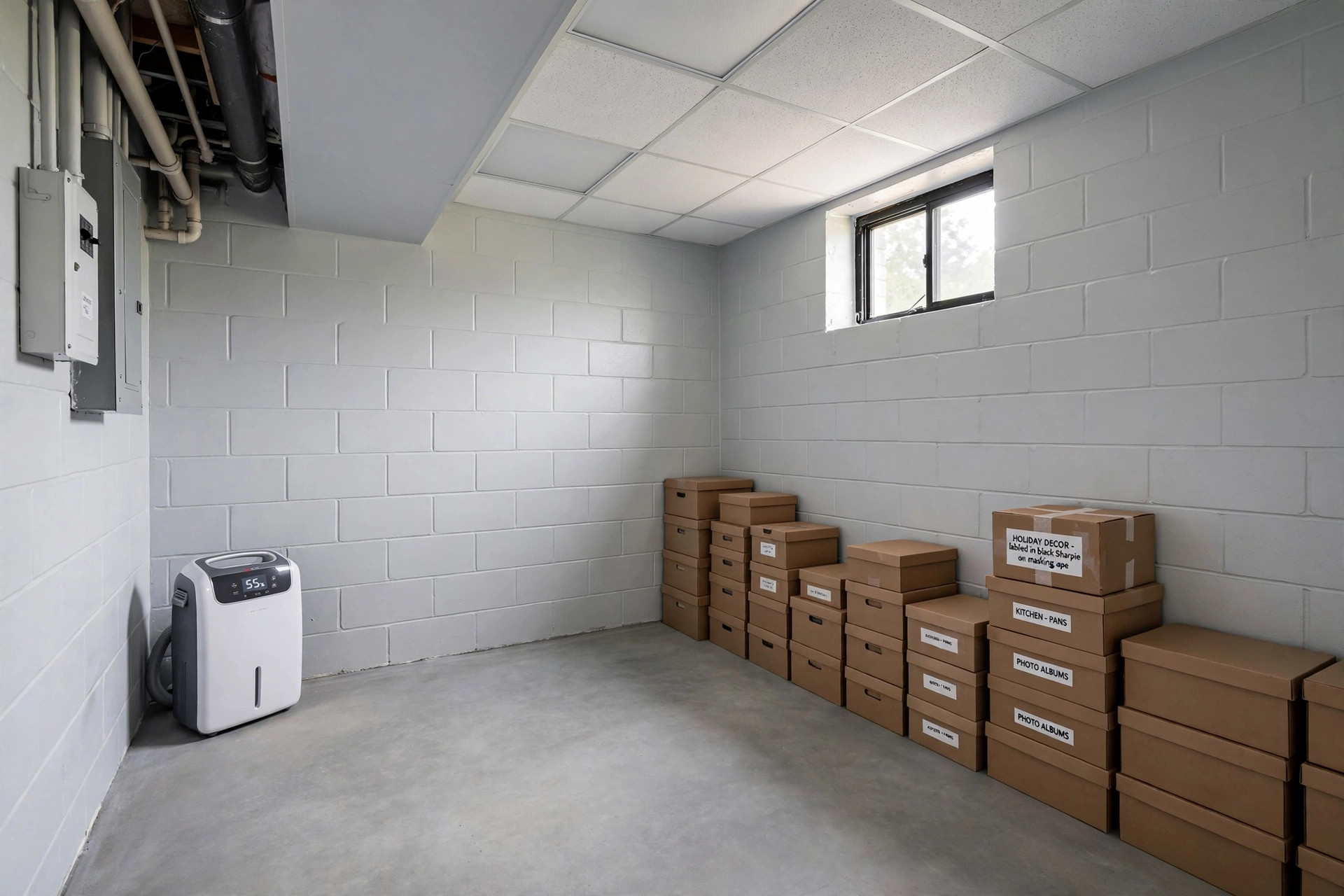

Basements fight a quiet battle with moisture every day of the year. Ground water presses against the walls. Summer air holds heavy humidity. A small leak can go unnoticed for weeks. That is why so many shoppers read mold resistant paint for basement reviews before they buy a single gallon. They want paint that will hold up in damp rooms, not just look good for a season.
This guide gathers what those reviews tell us. It explains how to read them, what features count most, how much the paint costs, and how to apply it well.
Why Mold Resistant Paint Matters in a Basement
A basement is unlike any room above ground. Concrete and block walls sit against soil that holds water. Even a dry-looking wall can pass small amounts of moisture through its pores. When paint fails to resist that moisture, blisters form and the film lifts.
Mold resistant paint carries additives called mildewcides. These slow the growth of mildew on the paint film. They do not fix leaks. What they do is buy the paint time in a basement with normal dampness, keeping walls clean-looking for years.
Reviews from basement owners return to one clear point. Paint with no mildew protection often shows dark spots within a year, while paint made for damp rooms stays clear far longer. The difference shows most in corners, behind stored boxes, and along the bottom of the block wall, where air moves the least.
There is another reason these reviews matter. Basements often become bedrooms, offices, and play rooms. Mold resistant paint is one part of a dry, healthy room. Good gutters, proper grading, and a working dehumidifier are the other parts.
How to Read Mold Resistant Paint Reviews: Mold Resistant Paint for Basement Reviews
Shopping sites hold thousands of reviews of basement paint. Some help. Some mislead. A review is most useful when you know what the writer actually tested. The best reviews tell you the kind of wall, the prep work done, and the number of coats. They also tell you how much time has passed since painting.
Pay close attention to the timeline. A five-star review written two weeks after painting tells you little about mildew resistance. It takes months of damp weather to test the claim. Reviews that follow up after a full year or two are worth more than ten early reviews.
Look for details about preparation. A reviewer who scrubbed the walls, patched cracks, and used a masonry primer is testing the paint under fair conditions. A reviewer who painted straight over old efflorescence may blame the paint for a failure that was really a prep failure. Basement walls need a clean, dry, sound surface before any topcoat goes on.
Watch for patterns across many reviews rather than trusting one loud voice. If dozens of buyers note the same thing, such as good coverage but a strong odor, you can trust that pattern. For a wider view of coatings, many readers also check concrete floor paint for basements reviews before settling their wall choice, since walls and floors share the same damp conditions.
What to Look for in a Mold Resistant Basement Paint
The label carries the facts that matter. Read it before you read the reviews. A few features separate paint that is merely interior paint from paint that suits a basement.
Mildew Resistance
The first feature is an actual mildew-resistant formula. For a basement, choose a product that names mildew resistance as a feature on the front of the label. The front label is where the maker states what the paint was built to do. Guidance from paint makers such as Behr and Sherwin-Williams explains how these additives work and where they help most.
Moisture Tolerance
The second feature is tolerance for damp masonry. Concrete is porous and often cool. Ordinary interior paint can soften when it sits against a damp wall. Products labeled for masonry or below-grade use are made to bond to these surfaces. They flex with small movement and resist the salts that rise through block, a crusty white stain called efflorescence.
Finish and Sheen
The third feature is finish. Flat finishes hide wall flaws well. But flat paint is harder to wipe clean. An eggshell or satin finish wipes more easily and stands up better to damp air. Many basement owners in reviews report that eggshell strikes the best balance between looks and upkeep.
Low Odor and Low VOC
The fourth feature is low odor. Basements often have small windows and weak airflow. A low-VOC or zero-VOC paint makes the job more pleasant and lets the room air out faster. Retailers such as The Home Depot and Lowe’s list VOC levels in their product specs so you can compare before buying.
Color Selection
The fifth feature is color. Basements run dark by nature. Light, warm whites and soft grays lift the room without much light. Reviews often praise paints that cover well in two coats over gray block.
Types of Basement Paint Compared
Not every can on the shelf is the same. The main types suit different wall conditions. Reviews show clear patterns for each.
Standard Interior Latex with Mildewcide
This is the most common choice. It goes on easily, cleans up with water, and dries fast. It works best on basement walls that are already dry and sealed. Its weakness is heavy moisture. On a wall that seeps, ordinary latex lifts fast. This is the right paint for a finished basement that stays dry year-round.
Masonry and Waterproofing Paint
These are thick coatings made for concrete, block, and stucco. They fill small pores and hairline cracks. Many claim to resist several pounds of hydrostatic pressure. Reviews praise their toughness on problem walls. They are harder to apply, since the thick film needs careful brushing into every crevice, and they take longer to dry.
Epoxy and Two-Part Coatings
Epoxy coatings cure into a hard, chemical-resistant film. The trade-off is effort. Two-part products must be mixed, worked within a short window, and applied with care. Odor is strong. Ventilation is a must. For related tough coatings, garage floor epoxy coating kit reviews usa covers similar two-part products and their quirks.
A table of the main options can help you choose:
| Type | Best for | Cost level | Effort | |—|—|—|—| | Interior latex with mildewcide | Dry finished basements | Low | Easy | | Masonry waterproofing paint | Damp block and concrete | Medium | Moderate | | Two-part epoxy | Rough walls needing maximum toughness | High | Demanding |
Trade advice at This Old House and Bob Vila walks through these choices in more depth for concrete and masonry walls.
Cost and Price of Mold Resistant Basement Paint
Price is a leading question in basement paint reviews. Costs run in three bands.
A gallon of standard interior latex with mildew protection runs in the budget band. It suits a large dry basement where coverage is the main goal.
Masonry and waterproofing paints cost more per gallon. They also cover fewer square feet per gallon because the film is thicker. Reviewers often warn that one gallon covers less than the label promises on porous block, so buy extra. Returning to the store mid-job is the classic way to end up with a slight color mismatch between batches.
Two-part epoxy is the most costly per gallon, but its hard film means fewer repaints over the years. For a small basement workshop or laundry room, the total cost stays reasonable because the area is small.
Plan on two coats. Almost every review agrees that one coat is not enough on concrete or block. Two coats give even color and a full protective film. Count your square footage, check the coverage rate on the label, then add fifteen to twenty percent for waste on rough walls.
How to Prepare and Paint Basement Walls
Good prep decides the result more than the brand does. Reviews of failed paint jobs almost always trace back to skipped steps. Follow this order and the paint will have its best chance.
Step 1: Fix Water First
Paint is not a repair for leaks. Seal cracks with hydraulic cement or a masonry crack filler. Check that downspouts move water away from the foundation. Run a dehumidifier for a few days before painting if the air feels damp.
Step 2: Clean the Walls
Scrub the walls with a stiff brush and a mild detergent solution. Rinse and let them dry fully. Remove any loose paint with a scraper and wire brush. Kill existing mildew with a commercial mildew cleaner and rinse well. Painting over live mildew traps the problem under the film, so let the wall dry for at least a full day before priming.
Step 3: Repair and Prime
Fill cracks and holes with masonry patching compound. Sand rough patches smooth where you can. Apply a masonry primer or a stain-blocking primer to bare concrete and patched spots. Primer gives the topcoat a uniform surface to grip. Skip this step and the finish coat may peel at the patched areas first.
Step 4: Cut In and Roll
Start with a brush along edges, corners, and around pipes and windows. This is called cutting in. Then roll the open wall areas with a thick-nap roller made for rough surfaces. Work in small sections. Keep a wet edge so the film blends smoothly. Thick masonry paint may need two passes with the roller to fill the pores. Project guides at The Spruce and HGTV show this sequence with photos for first-time painters.
Step 5: Apply the Second Coat
Let the first coat dry for the full time the label states. Basement air is cool and damp, so allow extra time. Then apply the second coat the same way. The second coat is where the color evens out and the mildew protection builds to its full strength.
Step 6: Cure and Ventilate
Fresh paint needs time to cure, not just dry to the touch. Keep the room ventilated for several days. A fan in a window helps. Avoid stacking boxes tight against the walls until the film has hardened.
Care and Upkeep
Mold resistant paint works best as part of an ongoing routine. Keep humidity below fifty percent with a dehumidifier during the damp months. Dust the walls now and then with a soft broom. Wipe small marks with a damp cloth rather than harsh cleaners, which can wear the film.
Inspect the walls twice a year, in spring and fall. If you spot mildew on the surface, clean it with a mild mildew cleaner and rinse. If blisters or peeling appear, the cause is often new moisture behind the paint. Fix the moisture, then touch up.
Repaint when the film looks tired, usually every five to seven years in a basement. Dark spots that keep returning after cleaning are a sign the mildewcide is wearing out. A fresh coat restores the protection. Quality guidance from Benjamin Moore on repaint cycles matches what long-term reviewers report.
Safety Tips
Basement painting has a few real hazards. Take them seriously and the job goes smoothly.
Ventilate the space. Open windows if the basement has them. Set a fan to pull air out. Wear a respirator rated for paint vapors when using oil-based products or epoxy. A simple dust mask is not enough for strong fumes.
Wear gloves and eye protection. Concrete dust and paint splash irritate skin and eyes. Cover your arms and legs if you are working with harsh cleaners.
Test old paint for lead before sanding or scraping. Homes built before 1978 may have lead paint. If lead is present, use lead-safe work practices or hire a certified contractor. Never dry-scrape or dry-sand old paint of unknown age.
Keep paints and solvents away from furnaces, water heaters, and other open flames. Store rags used with oil-based products in a metal container with water, or dispose of them promptly. Oily rags can heat up on their own if balled up in a pile.
Frequently Asked Questions
Does mold resistant paint stop mold completely?
No. It slows mildew growth on the paint film. It does not remove mold from behind walls or fix the moisture that feeds it. Think of it as a shield for the painted surface. Fix leaks and control humidity first.
Can I paint over existing mildew?
You should not. Clean and kill the mildew first, then rinse and dry the wall. Painting over live mildew traps it under the film and can cause the new paint to peel. A mildew cleaner and a stiff brush handle most cases.
How many coats do basement walls need?
Two coats in nearly every case. The first coat seals and covers. The second coat builds color and protection. Rough block may need a third pass on the worst spots. Budget for two full coats when you buy paint.
Will mold resistant paint work on a wall that leaks?
Light dampness is fine. Active seepage is not. If water runs or drips down the wall, paint will blister and fail no matter what the label says. Seal cracks, fix drainage, and get the wall dry before painting.
Is a primer really needed on concrete?
Yes on bare or patched concrete. Primer seals the porous surface and gives the topcoat a firm grip. Skipping primer is the most common reason basement paint peels at patched spots.
Which sheen is best for basement walls?
Eggshell or satin. They wipe clean more easily than flat paint and hold up better in damp air. Flat paint hides flaws best but is harder to clean. High gloss shows every bump in the concrete. If you lean toward a pale shade, best white paint for interior walls usa has guidance on whites that read clean in low light.
A Final Word
Basement paint reviews are a useful guide when you know what to look for. Read the timelines. Watch for patterns. Match the paint type to your wall’s real moisture level. Prep the surface with care. Two honest coats of the right paint, over a clean dry wall, will keep a basement looking fresh for years.
References
Behr. (n.d.). Paints, primers, and stains. https://www.behr.com Benjamin Moore. (n.d.). Paints and stains. https://www.benjaminmoore.com Bob Vila. (n.d.). Home improvement advice. https://www.bobvila.com HGTV. (n.d.). Home and garden ideas. https://www.hgtv.com Lowe’s. (n.d.). Home improvement products. https://www.lowes.com Sherwin-Williams. (n.d.). Paints and coatings. https://www.sherwin-williams.com The Home Depot. (n.d.). Home improvement products. https://www.homedepot.com The Spruce. (n.d.). Home and garden advice. https://www.thespruce.com This Old House. (n.d.). Home renovation guidance. https://www.thisoldhouse.com
Was this guide helpful?

About Jennifer Lee
The My Garden US editorial team writes practical, in-depth home and garden guides for American homeowners — tested advice, no fluff.
You May Also Like
Best Picture Hanging Strips for Heavy Frames
May 1, 2026 0 views
Accent Wall Painting Ideas for Living Rooms That Still Feel Classic
July 8, 2026 0 views
Paint Color Consultation Service Online USA: A Plain Guide for Homeowners
April 18, 2026 0 views