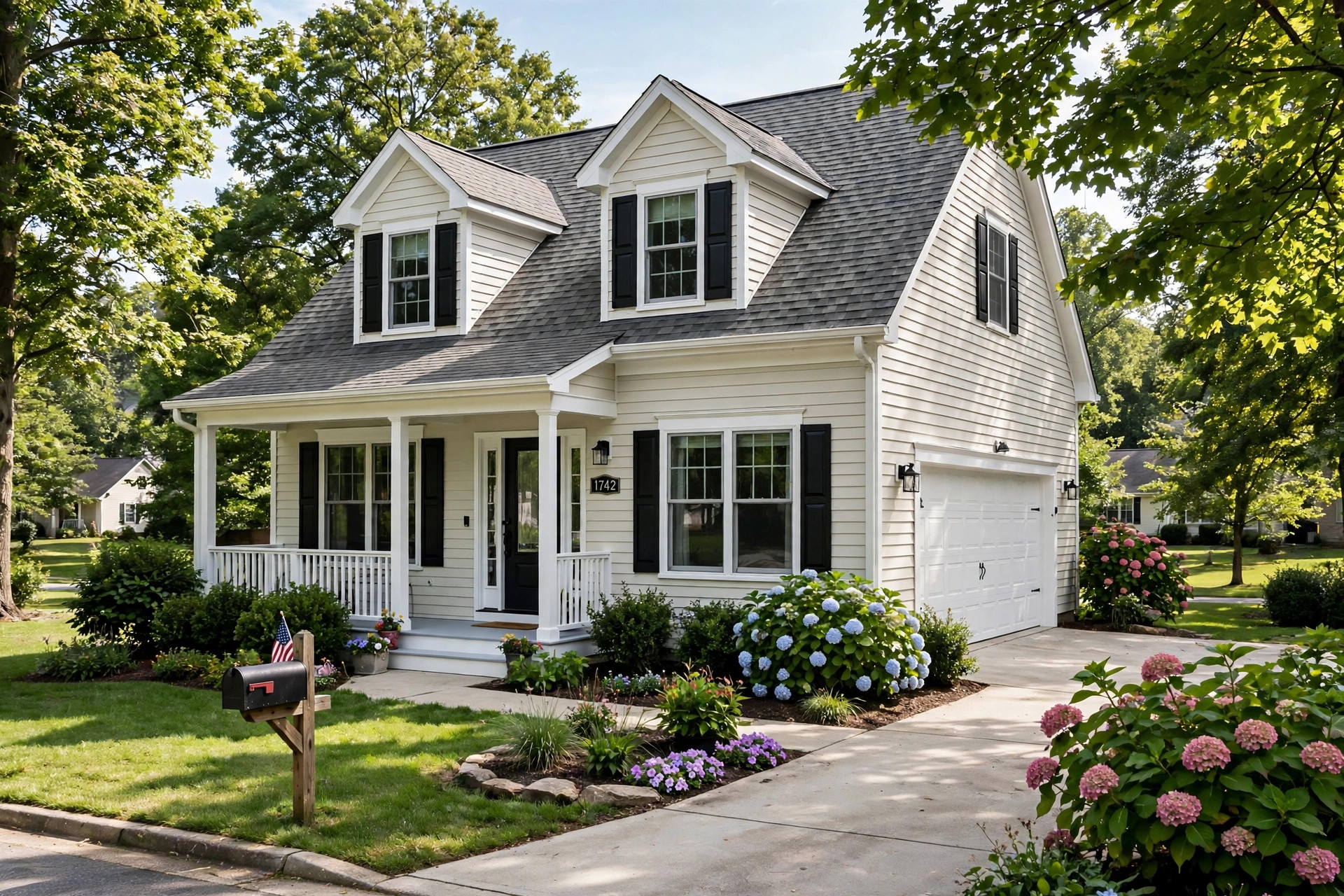

Many homeowners ask how long does exterior paint last in the USA. It is a fair question. A full paint job is one of the largest home care costs. You want to know how long your money will hold up before you must pay again.
The short answer is that most exterior paint jobs last between 5 and 15 years. Some last 20 years or more. Some fail in less than 5. The wide range comes from real differences between homes. A wood house in a rainy state does not age like a stucco home in a dry desert.
This guide gives you plain facts. You will learn how long paint lasts on wood, stucco, brick, vinyl, fiber cement, and metal. You will learn what cuts paint life short and what adds years to it. You will see what repainting costs. You will also learn simple care steps that keep paint fresh and the siding beneath it safe.
Why Exterior Paint Lifespan Matters
Paint is the first line of defense for your home. Sun, rain, wind, and snow beat on the outside walls every day. A sound coat of paint keeps moisture out of the wood and the sheathing. It stops sun damage to the siding. It keeps the structure dry and strong.
When paint fails, the damage can spread fast. Bare wood soaks up rain. Wet wood can rot in a single season. Stucco can crack and let water into the walls. Brick with failed paint can trap moisture and spall. The repair cost for rot and water damage is often much higher than the cost of repainting on time.
Knowing how long does exterior paint last in the USA helps you plan. You can set aside money before the paint fails. You can schedule the work in the good painting season. You can catch small problems early, when a touch up is enough, instead of waiting until the whole house needs a costly full job.
A home with fresh, sound paint also holds its value better. Buyers notice peeling trim and faded siding at once. Real estate agents list curb appeal as one of the top factors in a fast sale.
How Long Paint Lasts on Common Surfaces: How Long Does Exterior Paint Last Usa
The surface under the paint sets the pace. Each material moves, breathes, and takes weather in a different way. Here are the normal ranges for homes across the country.
Wood Siding
Wood is the most common surface and the shortest lived. Expect 5 to 10 years from a quality job. Cedar and redwood hold paint well, but they expand and shrink with moisture. That movement cracks the paint film over time. South and west facing walls fail first because they take the most sun and heat.
Stucco
Stucco is a long lived surface. A good paint job on sound stucco lasts 10 to 15 years. Stucco is rigid and does not move like wood. The main threats are cracks and water entry. Small cracks must be sealed before painting, or the paint will bridge them and fail early. Our guide to stucco painting cost per square foot can help you budget for this type of job.
Brick
Painted brick lasts 15 to 20 years in many climates. Brick is hard and stable. But brick must breathe. The wrong paint can trap moisture inside the brick and cause the face to flake off. Use a mineral or breathable masonry paint on brick. Never paint damp brick.
Vinyl Siding
Paint on vinyl siding lasts about 10 years. Vinyl moves a great deal with heat, so the paint must flex with it. Use a paint rated for vinyl siding, and choose a color that is lighter than or equal to the original siding color. Dark colors on vinyl can cause the panels to warp in strong sun.
Fiber Cement
Fiber cement siding holds paint well. Expect 12 to 15 years from a quality job. The boards are stable and resist rot and insects. Factory primed boards last longer than field primed boards. Keep the bottom edge clear of soil and mulch to stop wicking.
Metal and Aluminum Siding
Metal siding keeps paint 10 to 15 years. The main failure is chalking, where the paint turns to a powdery surface. Chalked paint must be washed off before repainting, or the new coat will not bond. Rust spots need a rust blocking primer.
What Makes Paint Last Longer or Fail Sooner
Paint Quality
Quality paint lasts years longer than cheap paint. Top line exterior paints use better resins and more solids. They resist sun, mildew, and moisture. A gallon of top quality paint may cost twice as much as a bargain paint, but it can double the life of the job. Paint makers such as Sherwin-Williams, Behr, and Benjamin Moore all publish technical data sheets that list expected performance. The paint alone is about 10 to 15 percent of a full job cost, so upgrading the paint is a cheap way to buy years.
Surface Preparation
Preparation is half the job. Paint sticks only to a clean, dry, sound surface. Old loose paint must be scraped. Mildew must be killed and washed off. Bare spots need primer. Cracks need caulk. A crew that rushes the prep work will leave you with a job that peels in two or three years. Ask any painter for a written prep plan before you sign.
Climate and Weather
Climate is the great divider. Homes in hot, sunny states face strong UV light that breaks down the paint film. Homes in wet states face constant moisture and mildew. Homes near the ocean face salt spray. Homes in the north face freeze and thaw cycles. Paint applied in bad weather also fails early. Ideal painting weather is a dry day between 50 and 85 degrees with low humidity.
Color Choice
Dark colors fade faster and absorb more heat. Light colors reflect sun and stay cooler. This is why trim and south walls in dark reds and deep greens often need work sooner than the rest of the house. If you love a dark color, buy the best paint you can afford and plan on a shorter cycle.
How to Choose Paint That Lasts
Start with a 100 percent acrylic latex exterior paint. Acrylic resists sun and moisture better than old oil paints. It stays flexible as the siding moves. It cleans up with water.
Match the sheen to the surface. Flat or matte hides surface flaws and is common on siding. Satin and eggshell work well on trim and doors. Gloss is the toughest and easiest to clean, but it shows every bump. If you are unsure, look at a porch and patio paint buying guide to see how sheen and formula change with the surface.
Buy primer for all bare spots. Bare wood, bare metal, and patched stucco need primer. Primer seals the surface and gives the top coat something to grip. Skipping primer is the most common cause of early peeling.
Check the label for mildew resistance and UV protection. These additives matter in wet and sunny regions. A good resource for comparing paint lines is Consumer Reports. Big retailers like Home Depot and Lowe’s also list product specs and buyer reviews online.
Cost and Price of Exterior Painting
The national average for a professional exterior paint job runs from about 3,000 dollars for a small home to 8,000 dollars or more for a large two story home. Most jobs fall between 1.50 and 4 dollars per square foot of painted surface. These figures move with labor rates, home height, surface condition, and the region.
DIY painting costs far less in cash but far more in time. Expect to spend 500 to 1,500 dollars on paint, primer, brushes, rollers, tape, and drop cloths for an average home. A sprayer rental adds to the cost.
Three things drive the price up. First, bad surface condition. Peeling paint, rot, and heavy mildew add prep hours. Second, home height. Two and three story homes need tall ladders or scaffolds, and painters charge more for the risk. Third, trim detail. Homes with lots of trim, shutters, and fancy woodwork take more time to cut in.
Do not chase the lowest bid alone. Get three written bids. Check that each bid lists the prep steps, the paint brand and line, and the number of coats. A bid that is far below the others often hides weak prep or cheap paint. An exterior house painting cost estimator can give you a rough range before you call painters.
Care and Upkeep to Extend Paint Life
You can add years to a paint job with simple care. Wash the siding once a year with a garden hose and a soft brush, or a low pressure wash. Dirt holds moisture against the paint and feeds mildew.
Trim trees and bushes back from the walls. Plants trap moisture and rub against the paint in wind. Keep at least a foot of clear space between shrubs and siding. Keep mulch and soil below the siding line so water does not wick up into the boards.
Check caulk lines every spring. Caulk around windows, doors, and trim cracks over time. Old caulk lets water in behind the paint. Dig out failed caulk and apply fresh exterior caulk. Touch up small chips and scratches with leftover paint before they spread.
Watch the signs of failure. Chalking, which is a powdery residue on your hand when you rub the wall, means the paint film is breaking down. Alligatoring, which looks like cracked scales, means the top coat failed over an old layer. Peeling and blistering mean moisture is pushing from behind. Catch these signs early and fix the cause, not just the spot.
Keep gutters clean and pointed away from the walls. Overflowing gutters pour water down the siding and destroy paint in one spot. Downspouts should carry water at least four feet from the foundation.
Good home care advice from sites like This Old House, Bob Vila, and The Spruce can guide your seasonal checklist. Design and color ideas are easy to find on HGTV when you start planning the next color scheme.
Safety Tips for Exterior Painting
Exterior painting has real risks. Falls from ladders injure thousands of homeowners each year. Use a sturdy ladder on firm, level ground. Keep three points of contact at all times. Never stand on the top two rungs. For high work, rent scaffolding or hire a pro.
Watch for power lines. Metal ladders conduct electricity. Keep ladders at least ten feet from overhead lines. If the home has lines close to the roof, leave that section to a professional crew.
Test for lead paint in homes built before 1978. Lead paint is a serious health hazard, especially for children and pregnant women. Home test kits are a first screen. For a firm answer, hire a certified lead inspector. Never dry scrape or sand lead paint without proper containment and a respirator. The federal rules for lead safe work are strict for a reason.
Wear eye protection, gloves, and a respirator when sanding or spraying. Work in daylight with good footing. Keep children and pets away from the work area. Store paint and solvents in a cool, locked place.
Frequently Asked Questions
How long does exterior paint last in the USA on average?
The national average is 7 to 10 years for most homes. Wood siding runs 5 to 10 years. Stucco runs 10 to 15 years. Brick can run 15 to 20 years. Climate, paint quality, and prep move any home above or below these ranges.
How do I know it is time to repaint?
Look for chalking, fading, cracking, peeling, and bare spots. If the color looks dull and washed out, the UV damage is done. If paint peels off in strips, moisture is the cause. Touch ups are fine for small spots. Wide failure across whole walls means it is time for a full job.
Can I paint over old paint without primer?
You can paint over sound, clean old paint without a full prime coat. But every bare spot needs primer. Glossy old paint should be scuff sanded so the new coat can grip. Chalky old paint must be washed and may need a bonding primer. When in doubt, prime.
What is the best month to paint a house exterior?
Late spring and early fall are best in most states. You want dry days between 50 and 85 degrees. Avoid the peak heat of summer, when paint can dry too fast and not bond well. Avoid late fall, when cold nights can ruin a fresh coat. Always check the paint label for the safe temperature range.
Does a darker color really last fewer years?
Yes. Dark colors absorb more heat and UV light. The extra heat makes the siding move more and stresses the paint film. Dark reds, greens, and browns often fade and fail two to three years sooner than light colors on the same home. If you choose a dark color, buy the top quality line.
How long does exterior paint last on a brick home in the USA?
Painted brick is one of the longest lasting jobs, often 15 to 20 years. Brick is stable and holds paint well. The key is using a breathable masonry paint so moisture can escape. Never paint brick that is damp or has active water problems. Fix the water issue first.
A Short Final Word
So how long does exterior paint last in the USA? Plan on 5 to 15 years for most homes, with longer life on brick, stucco, and fiber cement. Buy quality paint. Insist on full surface prep. Wash the siding each year and fix small problems fast. These plain steps are the difference between a paint job that fails in five years and one that protects your home for fifteen.
References
Behr. (n.d.). Paints, primers, and stains. https://www.behr.com Benjamin Moore. (n.d.). Paints and stains. https://www.benjaminmoore.com Bob Vila. (n.d.). Home improvement advice. https://www.bobvila.com Consumer Reports. (n.d.). Product reviews and ratings. https://www.consumerreports.org HGTV. (n.d.). Home and garden ideas. https://www.hgtv.com Lowe’s. (n.d.). Home improvement products. https://www.lowes.com Sherwin-Williams. (n.d.). Paints and coatings. https://www.sherwin-williams.com The Home Depot. (n.d.). Home improvement products. https://www.homedepot.com The Spruce. (n.d.). Home and garden advice. https://www.thespruce.com This Old House. (n.d.). Home renovation guidance. https://www.thisoldhouse.com
Was this guide helpful?

About Emily Rodriguez
The My Garden US editorial team writes practical, in-depth home and garden guides for American homeowners — tested advice, no fluff.
You May Also Like
Best Welcome Mat for Painted Porch USA
September 23, 2026 0 views
Shiplap Wall Installation Cost Per Square Foot: A Complete Guide
June 20, 2026 0 views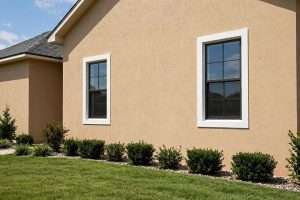
Stucco Painting Cost Per Square Foot USA: A Complete Price Guide
February 1, 2026 0 views