
Introduction
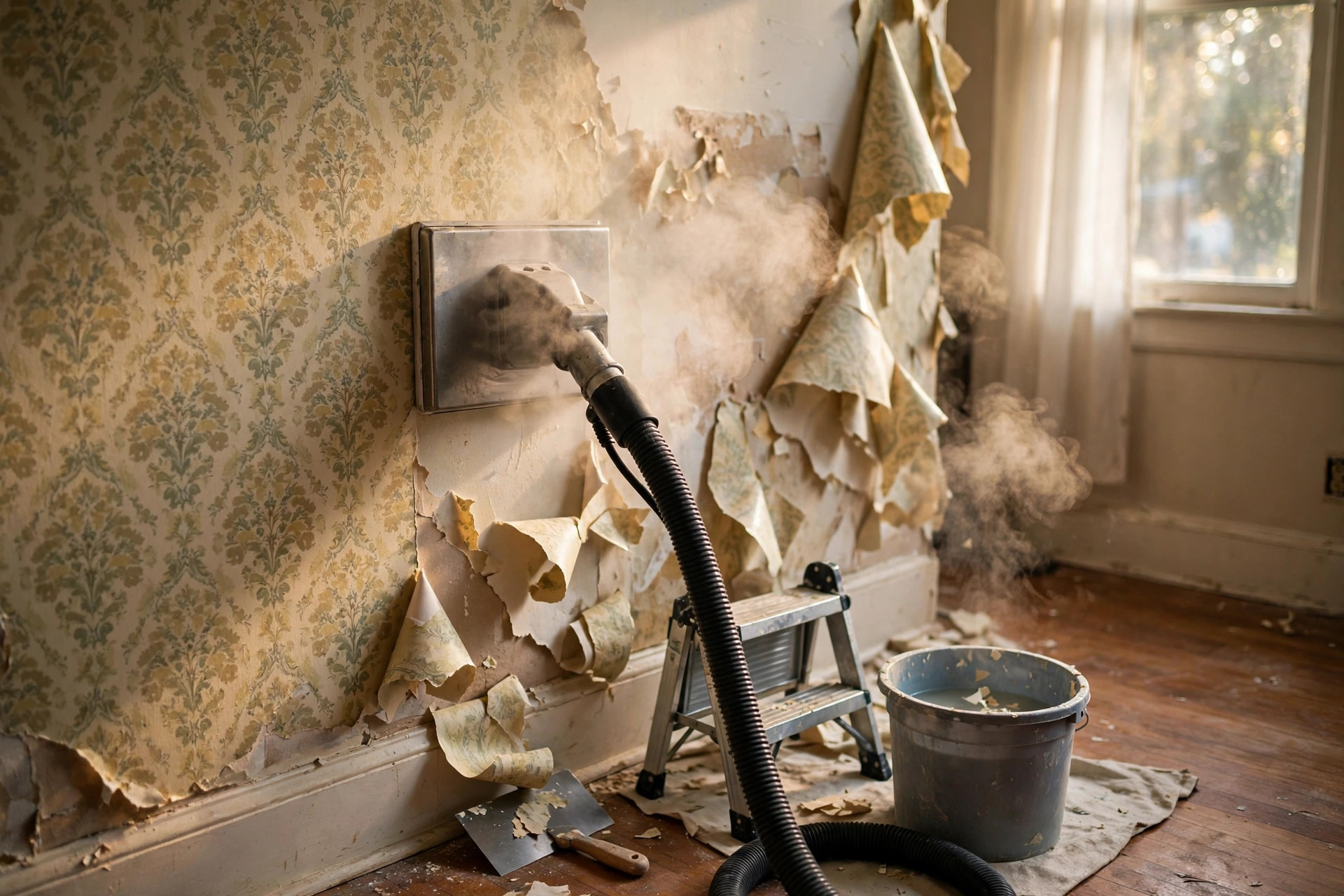
When a room needs a new face, the old wallpaper often stands in the way. Many homeowners in the United States read steamer wallpaper removal tool reviews usa listings before they pick a machine. A steamer can make a long job much shorter. It pushes hot steam through a flat plate. The steam loosens the paste behind the paper. The paper then peels away in long sheets. No harsh fumes fill the room. No hours of scraping dry paper follow. This guide explains what reviewers measure, how steamers differ, what they cost, how to keep one in good order, and how to use one without harm. It ends with answers to common questions and a short final word.
Why a Wallpaper Steamer Deserves a Second Look: Steamer Wallpaper Removal Tool Reviews Usa
Old homes across America carry layers of wallpaper. Some of those layers date back decades. Dry scraping works on loose edges. It fails on stubborn sheets glued tight to plaster or drywall. Chemicals help, but they leave a smell and need careful handling. Steam sits between the two. It softens the paste without soaking the wall. Most paper comes off in minutes after a short pass with the plate.
Reviewers like steamers for three reasons. First, the work goes faster. A room that took two full weekends with a scraper can take one weekend with a steamer. Second, the finish stays cleaner. Steam lifts the paste with the paper, so less glue stays behind. Third, the method is kind to old plaster. Hard scraping can gouge soft plaster. Steam lets the paper release with gentle pressure.
There is a wider point too. People who strip one room often strip three. A good tool pays for itself across a whole house. Reading steamer wallpaper removal tool reviews usa pages helps a buyer pick a machine that will last through that much work.
What Reviewers Measure: How to Choose Your Steamer
Good reviews compare the same points every time. A shopper should know those points before buying.
Tank size and steam time. A bigger tank holds more water. More water means longer steam time between refills. Small tanks run for about half an hour. Large tanks run for an hour or more. For one small wall, a small tank is fine. For a whole room, a large tank saves many trips to the sink. Reviewers note the actual run time they get, not just the number on the box.
Heat-up speed. Most steamers need ten to fifteen minutes to heat up. Some reach full steam faster. Reviewers time this with a stopwatch. A fast heat-up matters less than most buyers think. The real work is the steady hours after.
Hose length. A long hose lets the steamer sit on the floor while the plate reaches high on the wall. Short hoses force the user to move the machine often. Reviewers praise hoses of six feet or more. They also check whether the hose kinks or holds heat well.
Plate size. A wide plate covers more wall per pass. A narrow plate fits into tight corners. Most machines ship with one medium plate. Some include extra heads for corners. Reviewers test both sizes when they can.
Build and handle. A steamer gets hot. Handles should stay cool enough to grip. Plastic bodies should feel thick, not thin. Cords should be long and sturdy. Reviewers often weigh the machine with a full tank. A heavy machine is fine on the floor, but a top-heavy one can tip.
Ease of cleaning. Lime and scale build up inside any water heater. A steamer with a wide filler opening is easier to rinse. Some makers sell descaling powder. Reviewers note whether scale shows after a few months of use.
Related reading: for the full job price picture, compare wallpaper removal service price comparison usa guides before deciding between doing it yourself and hiring a crew.
Types of Wallpaper Steamers on the American Market
Steamers fall into three broad groups. Reviews sort them this way.
Small handheld units. These hold a quart of water or less. They weigh little. They suit a single wall or a small bath. Run time is short. They cost the least. Reviewers call them good for touch-up work and poor for whole rooms.
Mid-size wheeled machines. This is the most common group. The machine looks like a small bucket with wheels and a long hose. Tank size runs from one to two gallons. These steamers handle a full room with ease. Most reviews in steamer wallpaper removal tool reviews usa searches cover this group. Prices sit in the middle.
Large commercial machines. These serve painters and rental shops. They hold two gallons or more. They steam for hours. They cost more than most homeowners need to spend. Reviewers treat them as rental-grade.
A word about multipurpose steam cleaners. Some sellers pitch general steam cleaners as wallpaper tools. They make little steam and work slowly. Reviews are clear on this point. A machine built for floors will not strip a room well. Buy a steamer made for wallpaper.
Shoppers also ask about wallpaper steamer rental near me searches. Rental is a fair option for one room. The price of a weekend rental often equals half the price of a new machine. If two rooms need stripping, buying usually wins.
Cost and Price: What You Should Expect to Pay
Prices in the United States fall into clear bands.
– Small handheld units: twenty to fifty dollars. – Mid-size machines: fifty to one hundred dollars. – Large machines: one hundred to two hundred dollars.
Sales at big stores drop prices by ten to twenty dollars in spring. Reviewers advise against the cheapest machines with thin hoses. They advise against the priciest ones for home use. The middle band holds the best value.
Running costs are low. A steamer uses water and a small amount of electricity. Descaling powder costs a few dollars a year. A good scraper and a scoring tool cost under twenty dollars. These are the real accessories that matter. Fancy attachments add little.
Renters should know one more thing. Renting means no storage and no upkeep. It also means scheduling around the store. Homeowners who own can work an hour at a time over several weekends. Many reviews say that freedom is worth the purchase price alone.
For renters facing wall rules, removable wallpaper for renters reviews usa lists coverings that avoid the stripping job altogether.
Care and Upkeep: Keeping the Steamer Working for Years
A steamer is a simple machine. Simple machines last when they get basic care.
Empty the tank after each use. Water left inside breeds scale. Pour it out. Let the tank dry with the cap off.
Descale on schedule. In hard-water areas, descale every few uses. Use the maker’s powder or plain white vinegar. Fill, heat, wait, rinse. Reviewers who skip this step report weak steam within a year.
Check the hose. Look for cracks and soft spots. A damaged hose leaks steam and can burn skin. Replace a worn hose rather than taping it.
Clean the plate. Wipe paste off the steam plate after each session. Dried paste blocks the steam holes. A plastic scraper lifts it without scratching.
Store it dry. Keep the machine in a dry place. Damp sheds shorten the life of the heating element. Wind the cord loosely. Do not hang the machine by the cord.
Good paint and wall care guides remind owners that clean tools always outlast dirty ones. A steamer kept clean can serve a house for a decade.
Safety Rules to Keep While You Work
Steam is hot water vapor. It burns skin fast. Respect the tool.
– Wear long sleeves and work gloves. Steam can drift around the plate and reach bare arms. – Wear safety glasses. Hot paste and flakes can fall from high on the wall. – Keep the steamer on the floor, not on a ladder. The machine stays stable down low. The plate on its long hose reaches high places. – Never aim the plate at yourself or at another person. – Unplug the machine before refilling the tank. Let it cool for a few minutes first. – Keep children and pets out of the room. The hose lies on the floor and trips small feet. – Vent the room. Steam fogs windows and raises dampness. Open a window for air flow.
One more caution belongs here. Homes built before 1978 may hold lead paint under the paper. Heat and scraping can disturb it. Check lead paint removal service cost usa resources and federal guidance before starting work in an older house. When in doubt, have the layers tested first.
How to Use a Wallpaper Steamer: The Basic Steps
Reviews judge ease of use. These are the steps that show up in every good review.
1. Prepare the room. Move furniture to the center and cover it. Lay drop cloths. Remove switch plates and outlet covers. 2. Score the paper. Run a scoring tool over the wall. Small holes let steam reach the paste. Do not press hard on drywall. 3. Fill and heat. Fill the tank with clean water. Plug in the machine. Wait for full steam. 4. Steam a section. Hold the plate flat against the wall for ten to twenty seconds. Move it slowly along the wall. 5. Peel and scrape. Pull the soft paper with a free hand. Use a wide scraper for stubborn spots. Work top to bottom. 6. Wipe the wall. After the paper is gone, wipe the wall with a damp sponge. This lifts the last of the paste. 7. Let the wall dry. Wait a full day before priming or painting. Moisture under paint causes bubbles.
Most reviewers agree on one tip. Do not over-steam. Too much steam soaks drywall and softens joint compound. Short passes, steady movement, and patience beat long holds.
Frequently Asked Questions
Does a steamer work on painted-over wallpaper? Yes, but slower. Paint seals the paper. Steam cannot pass through paint well. Scoring the surface deeply helps. Some reviewers report that two passes loosen even painted layers. It takes patience.
Is steam better than chemical strippers? For most home jobs, yes. Steam makes no fumes. It costs little per room. Chemicals suit very old paste that resists steam. Many reviewers keep both on hand and use steam first.
Can a steamer damage drywall? It can if used badly. Long holds on one spot soak the paper face of drywall. The fix is simple. Keep the plate moving. Use short passes. Wipe the wall after each section.
How long does it take to strip one room? A twelve-by-twelve room takes most beginners a full day with a steamer. Experienced hands finish in half a day. Scoring and cleanup add time. Reviews suggest planning for a whole weekend with breaks.
Should I buy or rent? Buy if two or more rooms need work. Rent if only one small area needs stripping. The math is plain. Two rentals cost more than one machine.
What water should I use? Plain tap water works. In hard-water areas, distilled water slows scale build-up. Reviewers in the Southwest often use distilled water and descale less.
A Short Final Word
Wallpaper steamers are honest tools. They do one job well. They turn a slow, dusty chore into steady, clean work. The reviews agree on the formula. Pick a mid-size machine with a long hose and a large tank. Keep it clean. Work with care. The wall behind the paper will thank you with a smooth face ready for paint.
Shoppers who want brand and store comparisons can start with consumer test results, store buying guides, and homeowner project walkthroughs. Broader paint and finish advice, color planning ideas, decor inspiration, room project guides, pro tips from tradespeople, and step-by-step how-tos all help the stripping job lead to a good paint job.
References
Behr. (n.d.). Paints, primers, and stains. https://www.behr.com Benjamin Moore. (n.d.). Paints and stains. https://www.benjaminmoore.com Bob Vila. (n.d.). Home improvement advice. https://www.bobvila.com Consumer Reports. (n.d.). Product reviews and ratings. https://www.consumerreports.org Family Handyman. (n.d.). DIY home repair and maintenance. https://www.familyhandyman.com HGTV. (n.d.). Home and garden ideas. https://www.hgtv.com Lowe’s. (n.d.). Home improvement products. https://www.lowes.com Sherwin-Williams. (n.d.). Paints and coatings. https://www.sherwin-williams.com The Home Depot. (n.d.). Home improvement products. https://www.homedepot.com The Spruce. (n.d.). Home and garden advice. https://www.thespruce.com This Old House. (n.d.). Home renovation guidance. https://www.thisoldhouse.com
Was this guide helpful?

About Robert Taylor
The My Garden US editorial team writes practical, in-depth home and garden guides for American homeowners — tested advice, no fluff.
You May Also Like

Geometric Wallpaper for Home Office USA: A Practical Guide
September 3, 2026 0 views
Zero VOC Paint for Nursery Reviews USA: A Complete Guide for American Parents
January 20, 2026 0 views
Painted Brick Maintenance Tips for Homeowners
July 7, 2026 0 views