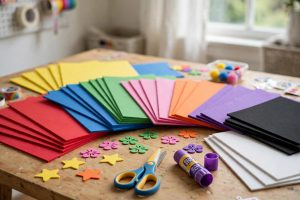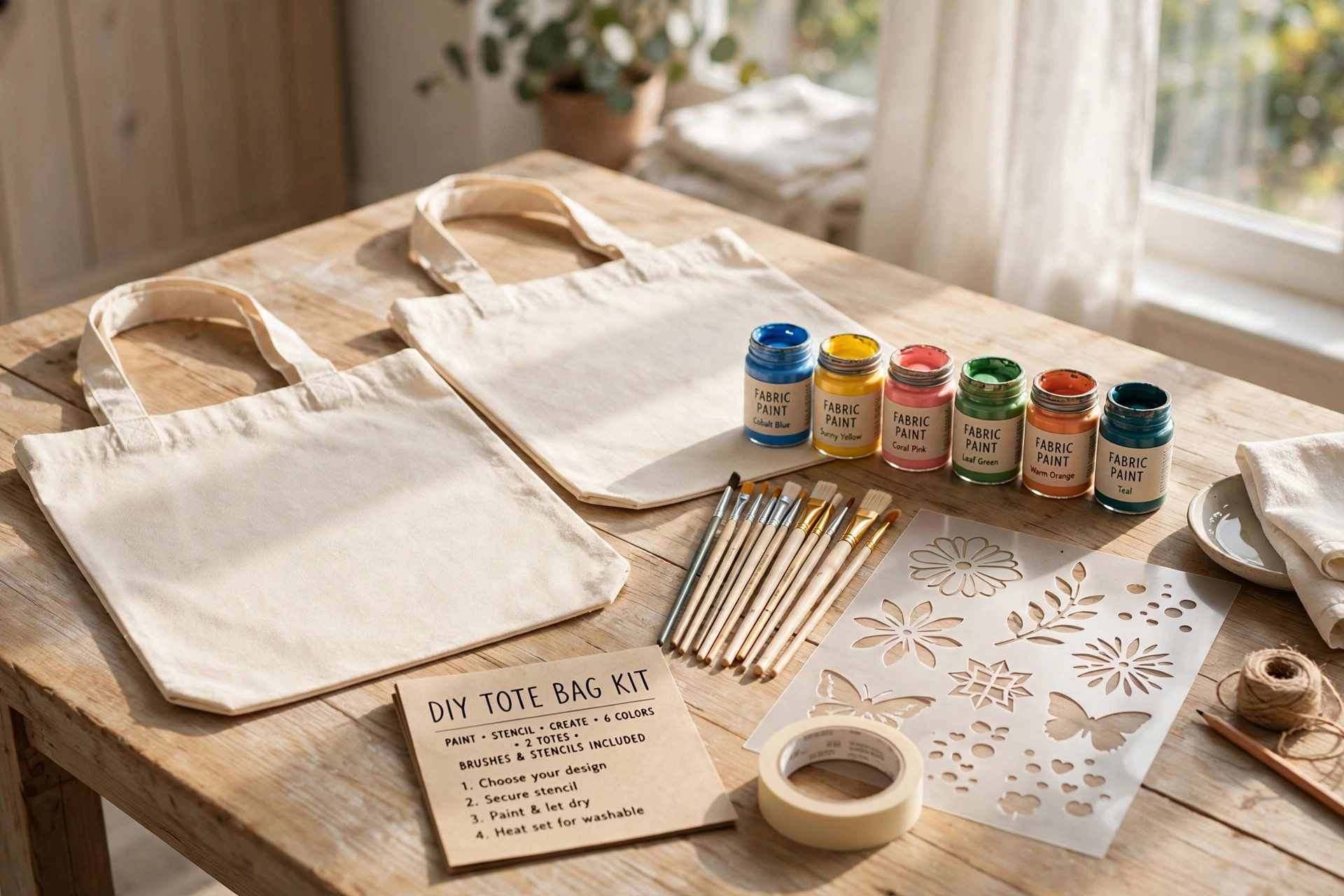

A diy tote bag kit for painting and crafts gives you everything you need to paint your own bag. The kit holds a plain tote bag, paints, and brushes in one box. You open the box and start painting. There is no trip to the store. These kits have grown popular in the last few years. They fit birthday parties, school projects, family nights, and rainy-day craft time. They also make fine handmade gifts. A painted tote bag is useful every day. You carry groceries, books, or gym clothes in it. And the design on it is your own work. This guide walks you through the whole subject. It covers why the kits matter, what to look for, the types on the market, typical costs, care, and safety. By the end you will know how to pick a kit with confidence.
Why a DIY Tote Bag Kit Matters
Crafting at home is more than a way to pass time. It builds real skills. A diy tote bag kit for painting and crafts teaches basic color work, brush control, and design planning. Children learn patience. They watch a blank bag turn into something of their own. Adults find the same reward. A quiet hour of painting after work can calm the mind. Many people today look for screen-free hobbies. A tote bag kit answers that need well.
The finished bag has real use. Many painted crafts end up in a drawer. A tote bag does not. You use it at the market, the library, or the beach. Each use reminds you of the time you made it. Painted tote bags also make strong gifts. A gift you made by hand carries more meaning than a store-bought item. Grandmothers, teachers, and friends often treasure such gifts for years.
Party hosts like these kits too. A paint your own tote bag kit keeps a group of children busy and happy. Each child takes a bag home. There is no waste and no hurt feelings over prizes. Schools use the kits for art class and fundraisers. Churches and clubs use them for craft days. The bag is cheap, flat, and easy to store. The project fits in a single afternoon.
What to Look for When You Choose a Kit: Diy Tote Bag Kit for Painting and Crafts
Not all kits are equal. A good kit saves you trouble. A poor kit wastes your money and your afternoon. Check these points before you buy.
The Bag Itself
The bag is the heart of the kit. Most kits use canvas or cotton canvas. Look for a medium weight fabric, often listed as 10 to 12 ounces. Thin fabric lets paint bleed through to the other side. Thick fabric holds paint well and keeps its shape. The seams should be straight and tight. Check the handles. Flat handles feel better on the shoulder than round cord handles. A gusseted bottom lets the bag stand open while you paint. That small detail makes painting much easier.
Size matters too. A standard bag is about 15 inches wide and 16 inches tall. This size suits most painters and most daily uses. Smaller bags work well for children. They can reach the whole surface without stretching. Larger bags suit adults who want a shopping bag.
The Paints Included
Most kits include acrylic paint. Acrylic works well on fabric when it is labeled for fabric use. Regular craft acrylic can crack or peel after washing. Fabric acrylic stays soft and flexible. Check the kit label for the words “fabric paint” or “textile medium.” Some kits add a textile medium bottle. You mix it with normal acrylic paint. It makes the paint bond with the fabric.
Count the colors. Six to twelve colors is a good range for most painters. Fewer colors limit your design. Many more colors add cost without much gain. Check the paint pots. Small pots dry out fast. Tubes or larger jars last longer. Read reviews when you can. Some cheap kits include thin, watery paint that needs many coats.
Brushes and Tools
A kit should include at least three brushes. One flat brush covers large areas. One round brush makes lines and shapes. One fine detail brush paints small features. Cheap brushes shed hairs into the paint. That flaw ruins a smooth finish. Look for brushes with firm, even bristles. Some kits add extras. Stencils help beginners make clean shapes. A palette lets you mix colors. A practice sheet lets you test strokes before you touch the bag.
Instructions
Good instructions matter more than people think. A clear guide shows each step in order. It tells you how to prepare the bag, how much paint to use, and how long to let each layer dry. It gives ideas for designs. Beginners need this help. Even skilled painters like a starting point. Kits from well-known craft stores such as Michaels and JOANN often include the clearest guides.
Types of Tote Bag Craft Kits
The market offers several kinds of kits. Each suits a different painter and a different purpose.
Beginner Single-Bag Kits
These kits hold one bag, a small set of paints, and a few brushes. They cost little and suit a first try. They are a good test before you buy a larger set. If you have never painted on fabric, start here. A single-bag kit lets you learn without pressure.
Party and Group Kits
Party kits hold six, eight, or twelve bags. They include shared paint sets and enough brushes for a group. They cost more in total but less per bag. They are built for birthday parties and class projects. Many party kits use simpler paints and basic designs. That choice keeps the project moving with children. You can find party-size options at large retailers such as Target and Walmart.
Deluxe and Artist Kits
Deluxe kits include a better bag, more colors, and finer brushes. Some add fabric markers, stencils, and iron-on designs. The bag fabric is often heavier and smoother. These kits suit teens and adults who want a polished result. They cost more, but the finished bag looks closer to professional work. Serious crafters often buy their paints separately from art suppliers like Blick and add them to a basic kit.
Theme Kits
Theme kits center on one idea. Common themes are flowers, animals, holiday scenes, and inspirational quotes. The kit may include stencils or printed guides for that theme. Theme kits make gift buying easy. You match the theme to the person. A garden lover gets the flower kit. A child who loves the sea gets the ocean kit.
Eco and Natural Kits
Some kits use organic cotton bags and non-toxic paints. They cost a bit more. They appeal to buyers who care about materials. The paints wash out of clothes more easily, which parents like.
Cost and Price Guide
Prices for a diy tote bag kit for painting and crafts fall into clear bands. A single-bag beginner kit usually costs between five and twelve dollars. The bag is basic and the paint set is small. This price band suits a trial run or a small gift.
Group kits cost between twenty and sixty dollars for six to twelve bags. The price per bag drops to three to five dollars. That makes group kits the best value for parties. Check the paint amount in group kits. Some include too little paint for the number of bags. You may need to buy one extra paint set.
Deluxe kits run from fifteen to thirty-five dollars for one or two bags. You pay for better fabric, more colors, and better brushes. Theme kits sit in the middle, often ten to twenty dollars. Eco kits often add two to five dollars over a standard kit.
Online marketplaces carry a wide range. Amazon lists kits at every price point, so compare the contents line by line. Two kits at the same price can differ a lot. Always read the contents list, not just the headline.
Shipping can change the real price. A cheap kit with high shipping costs more than a fair-priced kit with free shipping. Local stores let you see the kit before you buy. That is a real advantage for craft supplies.
How to Paint Your Tote Bag: Basic Steps
You do not need training to get a good result. Follow these steps and the bag will turn out well.
First, wash the bag if the instructions say so. Some bags carry sizing, a starch-like finish from the factory. Sizing can block paint from bonding. A quick wash and full drying removes it. Skip this step only if the kit says the bag is ready to paint.
Second, press the bag flat with an iron. Wrinkles make painting hard. Place a sheet of cardboard inside the bag. The cardboard stops paint from soaking through to the back. It also gives you a firm surface to paint on.
Third, plan your design. Sketch it on paper first. Light pencil lines on the bag can guide you. Keep the design simple for a first bag. Large shapes are easier than fine detail. Many crafters look for design ideas in DIY project guides from sites like Bob Vila.
Fourth, paint from back to front. Paint the background first. Let it dry. Then paint the middle shapes. Let them dry. Then add the small details last. Thin coats work better than one thick coat.
Fifth, let the bag dry fully. Give it at least twenty-four hours. Rushing this step causes smudges. Once dry, heat-set the paint if the paint label calls for it. Heat setting usually means pressing with an iron through a cloth for a few minutes. This step locks the paint into the fabric. It helps the design survive washing.
Care and Upkeep of a Painted Tote Bag
A painted tote bag needs gentle care. The paint is durable, but it is not as tough as a printed factory design. Wash the bag only when you must. Hand washing is best. Use cool water and a mild soap. Turn the bag inside out before washing. That step protects the painted surface from rubbing.
Never use bleach. Never use hot water. Both can fade or crack the paint. Do not wring the bag. Press the water out gently. Let the bag air dry. Keep it out of direct sun while it dries. A dryer can crack the paint and shrink the bag.
Between washes, shake out crumbs and wipe the inside with a damp cloth. Store the bag flat or hanging. Folding it for long periods can crease the paint. With gentle care, a painted tote bag can look good for years of regular use.
Safety Notes
Tote bag kits are safe for most people, but a few rules keep the project trouble-free.
Read the paint label. Most fabric paints are non-toxic, but some are marked for adult use only. Keep paint away from the mouth and eyes. Children under three should not use small paint pots without help. They may put the pots in their mouths.
Cover your work table. Fabric paint stains wood and cloth. Old newspaper or a plastic tablecloth works well. Wear old clothes or an apron. Paint washes out of skin with soap and water, but it may stain sleeves.
Work in a room with fresh air. Paint fumes are mild, but good airflow is always wise. This is standard advice for all home craft projects, and you will find the same guidance in DIY resources such as Family Handyman.
Keep brushes and water cups where small children cannot knock them over. A spilled cup of paint water can stain a carpet fast. When the project ends, wash brushes right away. Dried paint ruins brushes. Seal paint pots tight. Store them upright in a cool place.
Pairing Your Kit With Other Crafts
A tote bag kit fits well with other simple crafts. Many families buy several kinds of kits for a craft day. If you enjoy painting a tote bag, you may also enjoy a soap making kit for beginners. It uses many of the same skills: measuring, mixing, and patience.
Painters who like fine detail often move on to jewelry work. The best polymer clay for jewelry making lets you shape small beads and charms by hand. And home crafters who enjoy surface design may try the best chalkboard paint for home projects, another low-cost way to change how a space looks.
Frequently Asked Questions
How long does it take to paint a tote bag?
A simple design takes one to two hours. A detailed design can take three to four hours. Drying time adds another day. Plan the project over a weekend. Paint on Saturday and use the bag on Monday.
Can children use a diy tote bag kit for painting and crafts?
Yes, with adult help. Kits suit children aged five and up. Younger children need help with paint amounts and brush control. Choose a kit with washable paint for young children. Cover the table and dress the child in old clothes.
Will the paint wash off in the laundry?
Good fabric paint will not wash off if you heat-set it and wash gently. Wash in cool water with mild soap. Turn the bag inside out. Air dry it. The design should last through many washes.
What is the difference between fabric paint and regular acrylic paint?
Fabric paint stays soft and flexible after drying. Regular acrylic paint dries stiff and can crack on fabric. Some kits include a textile medium. You mix it with regular acrylic to make it behave like fabric paint. For best results, use paint made for fabric.
Can I paint both sides of the bag?
Yes. Paint one side first and let it dry fully. Then turn the bag over and paint the other side. Keep the cardboard inside the bag during both steps. This stops paint from reaching the finished side.
Where can I find design ideas for my tote bag?
Look at craft books, greeting cards, and nature for ideas. Simple shapes work best. Flowers, leaves, geometric patterns, and short quotes all paint well on canvas. Home project sites such as This Old House often show simple painted designs that adapt well to a tote bag.
A Final Word
A diy tote bag kit for painting and crafts is a small purchase with a large reward. It packs a full project into one box. It suits children, adults, parties, and quiet evenings alike. The finished bag serves you every day and shows your own hand in its design. Choose a kit with a solid bag, true fabric paint, and decent brushes. Follow the basic steps. Care for the bag gently. You will end up with something useful, personal, and made to last. That is the simple joy of this craft, and it is why these kits keep selling year after year.
References
Amazon. (n.d.). Online shopping. https://www.amazon.com Blick Art Materials. (n.d.). Art and craft supplies. https://www.dickblick.com Bob Vila. (n.d.). Home improvement advice. https://www.bobvila.com Family Handyman. (n.d.). DIY home repair and maintenance. https://www.familyhandyman.com JOANN. (n.d.). Fabric and craft supplies. https://www.joann.com Michaels. (n.d.). Arts and crafts supplies. https://www.michaels.com Target. (n.d.). Retail store. https://www.target.com This Old House. (n.d.). Home renovation guidance. https://www.thisoldhouse.com Walmart. (n.d.). Everyday low prices. https://www.walmart.com
Was this guide helpful?

About David Wilson
The My Garden US editorial team writes practical, in-depth home and garden guides for American homeowners — tested advice, no fluff.
You May Also Like
DIY Soap Dispenser Kit for Bathroom Crafts: A Complete Guide
August 14, 2026 0 views
Best Craft Knife for Vinyl Weeding Cricut: A Plain Buyer’s Guide
August 18, 2026 0 views
The Best Craft Storage Drawers for Beads and Findings
May 18, 2026 0 views