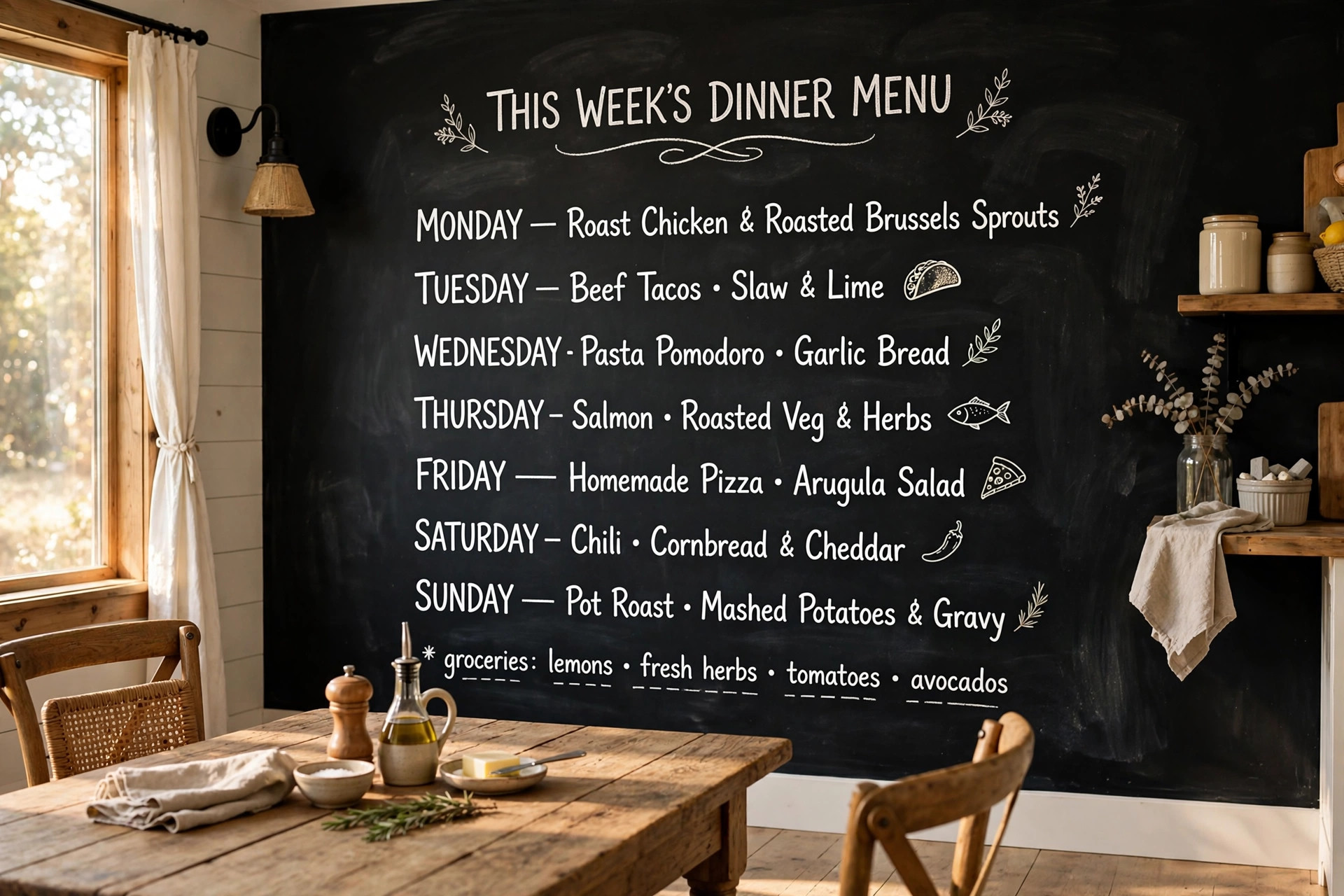

Chalkboard paint is one of the simplest ways to change a room. A coat of this paint turns a plain wall into a writing surface. You can write a grocery list, a weekly menu, or a note to the family. The best chalkboard paint for diy home projects makes this easy. It goes on like normal paint. It dries to a hard, smooth finish. Then it takes chalk just like the blackboards in old school rooms. This guide explains what to buy, how to apply it, and how to care for it. Every fact here comes from plain experience with the product.
Many homeowners pick this project because it is low cost and low risk. A quart of paint covers a large wall. You do not need special tools. A brush, a roller, and some painter tape are enough. The work takes one weekend. The result lasts for years. Children love it. Adults use it for labels, calendars, and reminders. It suits kitchens, playrooms, home offices, and entryways.
Why Chalkboard Paint Belongs in Your Home
A chalkboard wall is useful every day. In the kitchen, it holds the dinner plan for the week. Near the front door, it holds a reminder to take the trash out. In a child room, it gives a safe place to draw. Unlike paper notes, the wall never runs out of space. You wipe it clean and start again.
Chalkboard paint also adds character to a home. The dark, matte finish looks warm against light cabinets and trim. It works with farmhouse style and with modern style. Many decorators now use it in small doses. A chalkboard panel on a pantry door or a strip above a desk can change the feel of a room.
The paint itself is easy to find. Craft stores like Michaels stock it in the paint aisle. Art suppliers such as Dick Blick carry artist grade versions. Home improvement stores like Home Depot sell both brush on and spray cans. Prices stay low, so this project suits almost any budget. If you enjoy weekend crafts like a diy friendship bracelet kit for kids crafts, a chalkboard wall project will feel just as fun.
What to Look For When You Buy Chalkboard Paint: Best Chalkboard Paint for Diy Home Projects
Not all chalkboard paints are equal. A poor paint gives a rough surface. Chalk skips across it. Erasing leaves ghost marks. A good paint gives a smooth, hard film that erases clean. Here is what to check on the label before you buy.
Coverage
Coverage tells you how much area one can or quart will paint. Most chalkboard paints cover about 100 square feet per quart with two coats. A small wall may need only a pint. A full accent wall may need a full gallon. Measure your wall first. Multiply height by width to get the square feet. Then buy enough paint for two coats. It is better to have a little extra than to run short mid job.
Finish and Texture
Chalkboard paint should dry to a flat, matte finish. Gloss has no place here. The surface must feel smooth but with enough grip to hold chalk. Read reviews if you can. Shoppers often report whether the dried paint feels grainy or silky. Smooth wins every time. Some brands add extra fine particles for better chalk hold. Those formulas tend to perform well in tests done by sites like The Spruce.
Durability
A chalkboard wall takes daily use. Hands press on it. Erasers rub it. Sponges wipe it. The paint film must resist wear. Look for products labeled scrubbable or washable. Water based latex chalkboard paints clean up easily with soap and water. Oil based versions give a harder film but smell stronger and need mineral spirits for cleanup. For most homes, water based paint is the right pick.
Types of Chalkboard Paint
You will find three main types on the shelf. Each suits a different job.
Brush-On Chalkboard Paint
Brush-on paint comes in cans and quarts. You apply it with a brush or roller like regular wall paint. This is the most common type for wall projects. It gives thick, even coverage. It is easy to control. Most first time users should start here. Brands like Rust-Oleum sell popular brush-on formulas, and you can read about their product line on the Rust-Oleum site. Behr also makes a chalkboard paint worth comparing; see their paint options at Behr.
Spray-On Chalkboard Paint
Spray cans suit small items. Picture frames, trays, jars, and small boards take spray well. The mist gives a thin, even coat. But spray is hard to control on a large wall. Overspray lands on trim and floors. Masking takes more time than painting. Use spray only for small craft items, not for full walls.
Tinted and Colored Chalkboard Paint
Classic chalkboard paint is black or dark green. Some brands now sell tinted versions in red, blue, or gray. A few stores offer custom tinting. Colored chalkboard paint looks nice in a child room. But note that light chalk shows best on dark paint. Pale colors may not take white chalk well. Test a small patch first if you pick a light tint.
How to Apply Chalkboard Paint the Right Way
Good results come from good preparation. The painting itself is the easy part. Follow these steps in order.
First, prepare the surface. Fill holes with spackle. Sand rough spots smooth. Wipe the wall with a damp cloth and let it dry. Chalkboard paint shows every bump, so smooth prep matters. Remove outlet covers and light switch plates. Tape the edges with painter tape. Lay drop cloths on the floor.
Second, prime if needed. Bare wood and bare drywall need a primer. A stain blocking primer stops dark spots from bleeding through. Already painted walls in good shape may not need primer. Read the can. Many chalkboard paints say they work over sound painted surfaces without a primer coat.
Third, stir the paint well. Do not shake a can of brush-on paint. Shaking makes bubbles. Stir with a wooden stick for two minutes. Pour some into a paint tray.
Fourth, roll on the first coat. Use a short nap roller for smooth walls. Work in small sections. Keep a wet edge so the paint blends. Do not overwork one area. Let the first coat dry fully. The can gives a dry time, often two to four hours.
Fifth, apply a second coat. Most projects need two coats. Some need three for full coverage. Let each coat dry as the label directs.
Sixth, cure the surface. This step is the most skipped and the most important. Fresh chalkboard paint must cure before you write on it. Cure time is often three days. Some brands ask for a full week. Do not write or touch the wall during this time.
Seventh, season the wall. Rub the side of a piece of chalk over the whole surface. Then erase it with a soft cloth or felt eraser. This fills the tiny pores with chalk dust. It stops the first writing from leaving permanent ghost lines. Seasoning is a trick that old teachers used on school blackboards, and it works just as well at home. You can find step by step painting guides on sites like Bob Vila and Family Handyman.
Cost and Price Guide
Chalkboard paint is one of the cheapest room projects you can take on. A pint can costs about six to ten dollars. A quart runs about twelve to twenty dollars. A gallon costs about thirty to forty five dollars. Spray cans run about eight to twelve dollars each.
For a typical project, plan on these costs. A small message board may cost under fifteen dollars. A pantry door may cost under thirty dollars. A full accent wall may cost sixty to one hundred dollars including primer, tape, rollers, and drop cloths. That is far less than wallpaper or new tile.
Brand matters less than type and prep. Store brands from big retailers perform well in many tests. Premium brands may offer slightly better coverage. Buy the paint where it is easy to return extras. Keep the receipt. You can compare prices at Joann and other craft retailers when sales run.
Care and Upkeep
A chalkboard wall needs little care. Wipe it with a soft dry cloth or a felt eraser after use. For deep cleaning, use a damp sponge with plain water. Avoid harsh cleaners. Ammonia based sprays can dull the finish over time. Wring the sponge well. Too much water can soften the paint film.
Use the right chalk. Soft chalk sticks work best. Chalk markers give bright color but some markers are hard to erase. If you use a chalk marker, test it in a corner first. Some markers claim to erase fully but leave stains on matte paint. Plain white chalk is the safest choice for daily use.
Re-season the wall once or twice a year. Rub chalk over the surface and erase it. This keeps the pores filled and the erasing easy. If the wall starts to show ghost images that will not erase, a light sanding with fine sandpaper can refresh it. Then repaint with one fresh coat and cure again. A repainted wall looks like new.
Safety Tips
Chalkboard paint is safe for home use when you follow the label. Work in a ventilated room. Open windows and run a fan. Water based paints give off low fumes. Oil based paints give off strong fumes and need fresh air.
Keep paint away from children while you work. Store cans up high or in a locked cabinet. Dispose of rags and empty cans per local rules. Some areas treat dried latex paint as normal trash. Oil based paint may need a special drop off.
Chalk dust is a mild lung irritant. Use a damp cloth for wiping when you can. This keeps dust down. If anyone in the home has asthma, keep the room aired during heavy erasing. For broader home safety guidance, the guides at This Old House are a solid reference.
Frequently Asked Questions
Can I use chalkboard paint on wood?
Yes. Wood takes chalkboard paint well. Sand the wood smooth first. Prime raw wood with a good primer. Then apply two coats of chalkboard paint. Cure and season before use. Cabinets, doors, and table tops all work.
How long does chalkboard paint last?
A well painted wall lasts many years. In low use areas, it can last a decade. In busy kitchens with daily writing, you may want a fresh coat every three to five years. Proper curing and care extend the life of the finish.
Can I paint over chalkboard paint later?
Yes. You can paint over it with normal wall paint. Clean the wall first. Sand it lightly to give the new paint grip. Apply a primer. Then paint with your chosen color. The chalkboard surface is just paint, so it takes new paint fine.
Is chalkboard paint safe for kids’ rooms?
Yes, once it is fully cured. Water based chalkboard paint gives off very low fumes after drying. Wait the full cure time before children use the wall. Pair the wall with safe activities, such as a diy slime kit for kids crafts safe usa, for a full craft corner.
Does chalkboard paint work on metal and glass?
Yes, with the right prep. Clean the surface well. Use a primer made for metal or glass. Then apply the chalkboard paint. Spray chalkboard paint often works best on small metal or glass items because it lays thin.
What is the difference between chalk paint and chalkboard paint?
They are different products. Chalk paint is a matte furniture paint with a chalky look. You cannot write on it with chalk. Chalkboard paint dries to a hard writable surface. Do not confuse the two at the store. If you love crafts in general, a best embroidery starter kit with hoop patterns is another good weekend project, but it needs no paint at all.
A Final Word
The best chalkboard paint for diy home projects is the one you apply with care. Pick a smooth brush-on formula. Prep the wall well. Apply two coats. Let it cure fully. Season it before the first use. Do these simple things and your chalkboard wall will serve the family for years. It is a small project with a big daily payoff.
References
Behr. (n.d.). Paints, primers, and stains. https://www.behr.com Blick Art Materials. (n.d.). Art and craft supplies. https://www.dickblick.com Bob Vila. (n.d.). Home improvement advice. https://www.bobvila.com Family Handyman. (n.d.). DIY home repair and maintenance. https://www.familyhandyman.com JOANN. (n.d.). Fabric and craft supplies. https://www.joann.com Michaels. (n.d.). Arts and crafts supplies. https://www.michaels.com Rust-Oleum. (n.d.). Protective coatings and spray paint. https://www.rustoleum.com The Home Depot. (n.d.). Home improvement products. https://www.homedepot.com The Spruce. (n.d.). Home and garden advice. https://www.thespruce.com This Old House. (n.d.). Home renovation guidance. https://www.thisoldhouse.com
Was this guide helpful?

About Lisa Anderson
The My Garden US editorial team writes practical, in-depth home and garden guides for American homeowners — tested advice, no fluff.
You May Also Like
Best Craft Paint Brushes Set for Acrylics: A Simple Guide for Buyers
January 20, 2026 0 views
Felt Craft Kit for Kids Sewing Projects Home: A Parent’s Guide
August 29, 2026 0 views
Best Sewing Patterns for Beginners Dresses USA
June 25, 2026 0 views